
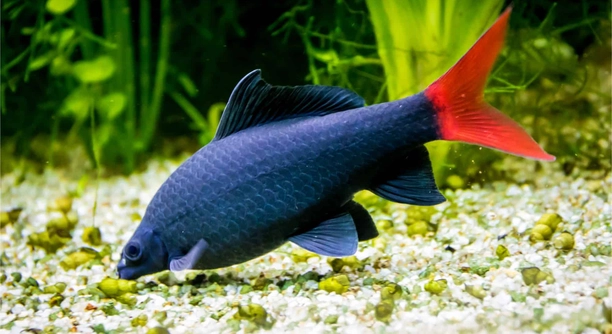
Many aquarium owners enjoy having rainbow sharks because of their unique colors and peaceful nature. Sometimes, these fish suddenly seem to vanish, leaving their caretakers confused and worried. Understanding why this happens can help maintain a healthy tank environment.
Rainbow sharks often disappear due to hiding behavior, illness, poor water conditions, aggressive tank mates, or stress. These factors cause the fish to retreat to less visible areas or, in some cases, lead to their death.
Knowing the common reasons behind a rainbow shark’s disappearance helps you create a better home for your fish and avoid future problems.
Hiding Behavior
Rainbow sharks are known to be shy and can hide when they feel threatened or stressed. They often retreat to caves, plants, or decorations in the aquarium to feel safe. If the tank has too many hiding spots, it might be hard to spot them for days or even weeks. Sometimes, new additions to the tank or loud noises can scare them, causing them to stay hidden. This is a natural behavior to protect themselves from harm. Observing your tank carefully during different times of the day can help you see if your rainbow shark is just hiding or something else is wrong. Maintaining a calm environment with stable conditions encourages them to come out more often.
Fish tend to hide more when they are adjusting to a new tank or when there is increased activity around the aquarium. It is important to give them time and space to feel secure.
Checking all corners of the tank, including under rocks or plants, may reveal a hiding rainbow shark. Patience and a quiet environment can help the fish feel comfortable enough to swim openly again.
Illness and Poor Water Quality
When a rainbow shark disappears suddenly, illness or poor water quality could be a cause. Fish are sensitive to changes in water conditions like pH, ammonia, nitrites, and nitrates. Poor water quality weakens their immune system, making them prone to sickness. Symptoms include lethargy, loss of appetite, and hiding. Regular water tests and partial water changes are essential to keep the tank healthy. If you notice your rainbow shark not eating or behaving abnormally, it might be sick. Illness can also result from bacterial or fungal infections, often caused by dirty water or stress. Prompt treatment and maintaining clean water can improve their chances of recovery and encourage them to be active again. Proper filtration and avoiding overfeeding help maintain good water quality over time.
Aggressive Tank Mates
Aggressive fish can scare rainbow sharks, forcing them to hide or injure them. This often leads to the shark disappearing into hiding spots.
Aggressive behavior from other fish disrupts the peaceful nature of rainbow sharks. When housed with territorial or nippy species, rainbow sharks may feel unsafe and stay hidden. Injuries from bullying can cause stress or illness, making them less visible. Choosing compatible tank mates is important to prevent this problem. Observing interactions regularly helps identify any aggressive behavior early, allowing for adjustments to keep all fish comfortable.
Providing enough space and hiding places can reduce conflicts but does not always guarantee safety. Sometimes, separating aggressive fish or moving the rainbow shark to a calmer tank is necessary for their well-being.
Stress from Environmental Changes
Stress from changes in water temperature, lighting, or tank layout affects rainbow sharks strongly. Sudden shifts make them retreat and hide more often.
Stress weakens their immune system and alters their behavior. Moving the tank or changing decorations without gradual adjustment causes discomfort. Maintaining stable water conditions and avoiding sudden changes helps the fish feel secure. Keeping a regular light cycle and gentle water flow supports their natural habits. Stress also occurs if the tank is overcrowded or noisy, so limiting disturbances is important. Small, slow changes are easier for rainbow sharks to accept, reducing the risk of them disappearing or becoming ill. Monitoring water parameters and keeping a consistent routine benefits the fish’s health and activity.
Overcrowding in the Tank
Too many fish in one tank create stress and reduce hiding spots for rainbow sharks. Overcrowding leads to poor water quality and territorial disputes.
When the tank is crowded, rainbow sharks may hide more or become aggressive. Space is important for their comfort and health.
Inadequate Diet
A poor diet weakens rainbow sharks and lowers their activity. Feeding a varied diet with pellets, vegetables, and occasional protein helps keep them healthy and visible.
Escaping the Tank
Rainbow sharks can jump out if the tank is uncovered or water conditions are poor. Secure lids and clean water reduce escape risks.
Natural Nocturnal Behavior
Rainbow sharks are more active during dusk and night, often hiding during the day. This behavior can make them seem missing when they are just resting.
FAQ
Why is my rainbow shark hiding all the time?
Rainbow sharks hide when they feel stressed, threatened, or uncomfortable. Common reasons include aggressive tank mates, poor water quality, or sudden changes in the environment. They also naturally prefer to stay near hiding spots to feel safe. To help your fish come out more, maintain stable water conditions, avoid overcrowding, and choose peaceful tank mates.
How can I improve water quality for my rainbow shark?
Regular water testing is essential. Check for ammonia, nitrites, nitrates, and pH levels. Perform partial water changes weekly to keep these parameters stable. Use a good filter and avoid overfeeding, as leftover food and waste harm water quality. Cleaning the substrate and decorations regularly also helps maintain a healthy tank environment.
Can aggressive fish cause my rainbow shark to disappear?
Yes, aggressive or territorial fish can intimidate rainbow sharks, causing them to hide or become stressed. This may make your shark seem missing. It’s important to select compatible species and provide enough space and hiding spots to reduce conflicts.
What should I feed my rainbow shark?
Rainbow sharks need a varied diet. High-quality sinking pellets form the base of their meals. Supplement with fresh or blanched vegetables like zucchini or peas. Occasionally, offer protein sources such as bloodworms or brine shrimp. Proper nutrition supports their health and activity.
Is it normal for a rainbow shark to be less active during the day?
Yes, rainbow sharks are naturally more active during low light, such as dusk or night. They often hide during daylight hours, which can make them seem missing. Providing shaded areas and hiding spots mimics their natural habitat and helps reduce stress.
How can I prevent my rainbow shark from jumping out of the tank?
Rainbow sharks are good jumpers, especially if water quality is poor or the tank lacks hiding spots. Always use a secure lid on your aquarium. Maintaining clean, stable water conditions and providing enough cover will reduce their desire to escape.
What signs show my rainbow shark might be sick?
Look for lethargy, loss of appetite, faded colors, or unusual swimming patterns. Hiding excessively or rubbing against objects can also indicate illness. Early detection and treatment increase the chances of recovery.
How often should I clean my rainbow shark’s tank?
Partial water changes of about 20-30% weekly are recommended. Clean the substrate and decorations every few weeks to prevent buildup of waste and algae. Regular maintenance keeps the environment healthy for your fish.
Can stress cause my rainbow shark to disappear?
Yes, stress from poor water quality, aggressive tank mates, or sudden changes in environment causes rainbow sharks to hide or become inactive. Reducing stress factors and maintaining a calm environment encourages them to be more visible and active.
What tank size is best for a rainbow shark?
A minimum of 30 gallons is recommended to provide enough swimming space and reduce territorial behavior. Larger tanks help accommodate tank mates peacefully and maintain stable water conditions. Adequate space reduces stress and supports healthy behavior.
Rainbow sharks are beautiful fish that can add a lot of life to an aquarium. However, they sometimes disappear or hide, which can worry their owners. Understanding the reasons behind this behavior is important to keep them healthy and happy. Often, they are not truly gone but just hiding because of stress, illness, or environmental factors. Knowing what affects their behavior helps you create a better space for them to thrive.
Taking care of rainbow sharks means paying attention to their tank conditions. Good water quality is one of the most important factors for their health. Regular water tests, partial water changes, and proper filtration keep the water clean and safe. Overcrowding and aggressive tank mates can cause stress and make the fish hide more or even get hurt. Providing enough space, hiding spots, and peaceful companions makes the tank a more comfortable home. Keeping their diet varied and nutritious also supports their energy and immune system, which reduces hiding due to sickness or weakness.
If your rainbow shark disappears, try checking the tank carefully, including all hiding places. It’s normal for them to rest or hide during the day because they are more active in low light. Make sure the tank environment is stable, with no sudden changes in temperature or lighting. Avoid loud noises or disturbances around the tank. If the fish still stays hidden for a long time or shows signs of illness, it may need medical attention. With patience and proper care, rainbow sharks usually come back to normal activity and brighten up your aquarium again.

Hello,
If you enjoy the content that we create, please consider saying a "Thank You!" by leaving a tip.
Every little bit helps us continue crafting quality advice that supports the health, happiness, and well-being of pets around the world, for pets of all shapes, sizes, and species.
We really appreciate the kindness and support that you show us!