
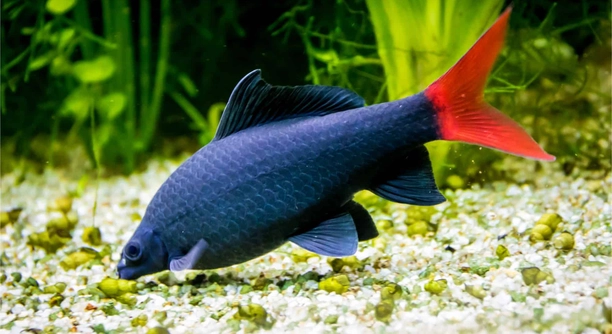
Rainbow sharks are popular freshwater fish known for their striking colors and active behavior. Setting up a proper tank for them requires attention to detail and understanding of their needs. This article offers helpful tips for a successful rainbow shark tank setup.
A successful rainbow shark tank setup depends on proper tank size, water conditions, hiding spots, and a compatible environment. Attention to these factors ensures healthy fish behavior and longevity, preventing common issues related to stress and poor water quality.
These practical tips will help you create a balanced and comfortable home for your rainbow sharks to thrive.
Choosing the Right Tank Size
Selecting an appropriate tank size is the first step to setting up a rainbow shark environment. These fish are active swimmers and require space to move comfortably. A minimum tank size of 30 gallons is recommended for one rainbow shark. Larger tanks are necessary if you plan to keep multiple fish or other species alongside them. Smaller tanks often cause stress, leading to aggressive behavior and poor health. Additionally, a larger tank makes it easier to maintain stable water conditions, which is crucial for the fish’s well-being. Providing enough room helps replicate their natural habitat, allowing them to thrive rather than just survive. Planning the tank size with future growth in mind will save you from unnecessary stress and frequent upgrades.
Proper tank size is essential for rainbow shark health and stress reduction, contributing to a stable and peaceful aquarium environment.
Maintaining a spacious tank improves water quality by reducing waste concentration and allows better filtration efficiency. This leads to a more balanced ecosystem and healthier fish overall.
Maintaining Optimal Water Conditions
Rainbow sharks thrive in clean, well-oxygenated water with stable parameters. Maintaining water temperature between 74°F and 80°F supports their metabolism and immune system. The pH level should be kept slightly acidic to neutral, ideally between 6.5 and 7.5. Regular water testing and changes are vital to remove toxins like ammonia and nitrates, which can quickly accumulate. Using a reliable filtration system will help maintain water clarity and quality. It is also important to avoid sudden changes in temperature or water chemistry, as rainbow sharks are sensitive and can become stressed easily. Proper aeration, through air pumps or surface agitation, ensures enough oxygen is available. Keeping these water parameters consistent creates a healthy environment that prevents diseases and encourages natural behavior.
Regular testing and partial water changes prevent toxic buildup and maintain a stable, healthy environment for your fish. A quality filter is necessary to handle biological and mechanical waste efficiently. Clean water reduces stress and supports the fish’s immune system.
Stable water conditions encourage rainbow sharks to display their vibrant colors and active swimming patterns. They will also interact better with tank mates when not stressed by poor water quality. Monitoring and adjusting these parameters is a simple yet effective way to ensure your aquarium remains a safe and comfortable home.
Providing Hiding Spots and Decorations
Rainbow sharks need places to hide and rest to feel secure in the tank. Decorations like rocks, caves, and plants create shelter and reduce stress.
Creating hiding spots helps mimic their natural environment. Using smooth rocks and sturdy artificial or live plants provides cover while avoiding sharp edges that could injure the fish. Caves or PVC pipes can offer safe retreats. Proper arrangement ensures open swimming space alongside secure hiding areas, balancing activity and rest. These spots reduce aggression and territorial disputes among fish. Decorations also contribute to water quality by providing surfaces for beneficial bacteria growth. Regularly inspect decorations for cleanliness and damage to maintain a safe environment.
Well-placed hiding spots encourage rainbow sharks to explore and feel comfortable, improving their overall well-being and behavior within the tank.
Selecting Compatible Tank Mates
Rainbow sharks can be territorial, especially in smaller tanks. Choosing peaceful, similarly sized tank mates minimizes aggression and stress. Avoid slow-moving or very small fish, as they may become targets. Fast, active fish like barbs or danios often coexist well. It is important to monitor interactions after introducing new fish, separating any aggressive individuals quickly. Overstocking should be avoided to reduce competition for space and resources. Proper tank size and decorations also help keep peace. Compatibility depends on temperament and environmental needs. Researching each species’ behavior and requirements is essential to creating a balanced community tank that supports all inhabitants.
Feeding Your Rainbow Shark
Rainbow sharks are omnivores that need a balanced diet to stay healthy. Provide a mix of flakes, pellets, and occasional live or frozen foods.
Feeding small amounts two to three times daily prevents overfeeding. Remove uneaten food to keep water clean and avoid pollution, which can harm the fish and the tank environment.
Monitoring Fish Behavior
Regularly observing your rainbow shark helps catch early signs of illness or stress. Look for changes in swimming patterns, appetite, and appearance.
Prompt attention to unusual behavior allows for timely treatment and adjustment of tank conditions, promoting long-term health.
Cleaning and Maintenance
Frequent partial water changes, about 25% weekly, help maintain water quality. Clean the substrate and decorations without disturbing beneficial bacteria.
Consistent maintenance reduces harmful waste buildup, supporting a stable environment essential for your rainbow shark’s well-being.
Lighting and Temperature Control
Proper lighting enhances fish coloration and mimics their natural day-night cycle. Maintain stable temperature between 74°F and 80°F to prevent stress.
How often should I feed my rainbow shark?
Rainbow sharks should be fed small amounts two to three times daily. Overfeeding can cause water pollution and health problems, so it’s important to give only what they can eat within a few minutes. Remove any leftover food to maintain clean water and reduce waste buildup. A balanced diet including flakes, pellets, and occasional live or frozen foods helps keep them healthy and vibrant.
What tank size is best for rainbow sharks?
A minimum of 30 gallons is recommended for a single rainbow shark. This size provides enough swimming space and helps maintain stable water conditions. If you plan to keep multiple rainbow sharks or other species, a larger tank is necessary to avoid overcrowding and reduce territorial aggression. Adequate space improves their well-being and encourages natural behavior.
Can rainbow sharks live with other fish?
Yes, but careful selection is needed. Choose tank mates that are peaceful, fast-swimming, and similar in size. Avoid very small or slow-moving fish, as rainbow sharks can be territorial and aggressive. Suitable companions include barbs and danios. Monitoring their interactions closely after introduction helps prevent conflicts and stress.
What water conditions do rainbow sharks need?
Rainbow sharks prefer water temperatures between 74°F and 80°F, with a pH of 6.5 to 7.5. Stable water quality is crucial; test regularly for ammonia, nitrites, and nitrates. Frequent partial water changes and a good filtration system help maintain these conditions, reducing stress and preventing disease.
How do I create hiding spots for rainbow sharks?
Use smooth rocks, caves, and sturdy plants to provide secure shelters. PVC pipes or aquarium decorations designed as caves work well. These hiding spots help reduce stress and territorial disputes, giving fish safe places to retreat. Proper placement balances open swimming areas with shelter.
What signs show a rainbow shark is stressed or sick?
Look for changes in swimming behavior, loss of appetite, faded colors, or clamped fins. Erratic movements, hiding excessively, or visible wounds also indicate problems. Early detection allows prompt care, including checking water parameters and treating illnesses.
How often should I clean the tank?
Perform partial water changes of about 25% weekly to keep water quality high. Clean the substrate gently and remove algae or debris from decorations, but avoid over-cleaning, which can disturb beneficial bacteria. Maintaining this routine supports a healthy environment for your fish.
Is lighting important for rainbow sharks?
Yes, proper lighting helps display their vibrant colors and supports natural behavior. A regular day-night cycle mimics their habitat and reduces stress. Avoid overly bright lights or sudden changes, as these can cause discomfort.
What do rainbow sharks eat in the wild?
In nature, rainbow sharks consume algae, insects, and small crustaceans. Providing a varied diet in captivity, including plant-based flakes and protein-rich pellets or live foods, meets their nutritional needs and keeps them active.
How aggressive are rainbow sharks?
Rainbow sharks show territorial behavior, especially in smaller tanks or crowded environments. Aggression can be minimized by providing ample space, hiding spots, and compatible tank mates. Monitoring and adjusting tank conditions helps maintain peace among fish.
These answers cover common concerns and help ensure your rainbow shark lives in a healthy, balanced environment.
Setting up a successful rainbow shark tank requires careful planning and attention to several key factors. Providing an adequately sized tank is essential to give these active fish enough space to swim and explore. A tank of at least 30 gallons is recommended for one rainbow shark, with larger tanks needed for multiple fish. Alongside size, maintaining stable water conditions is important. Keeping temperature, pH, and cleanliness within the ideal range helps prevent stress and disease. Using a reliable filtration system and performing regular water changes support water quality. These steps create a healthy environment where rainbow sharks can thrive.
Adding hiding spots and decorations enhances the tank’s environment by giving rainbow sharks places to rest and feel safe. Rocks, caves, and plants serve as shelters that reduce territorial disputes and aggression. It is important to arrange decorations to balance hiding areas with open swimming space. Providing compatible tank mates also contributes to a peaceful aquarium. Selecting fish that are similarly sized and non-aggressive helps avoid conflicts. Monitoring the behavior of all fish ensures problems are addressed early. Together, these practices encourage natural behavior and improve the overall health of the fish.
Feeding a balanced diet, monitoring behavior, and maintaining consistent cleaning routines are additional factors that support long-term success. Feeding small amounts several times daily and removing uneaten food helps keep the water clean. Watching for signs of stress or illness allows for timely action. Regular partial water changes and gentle cleaning of the tank keep the environment stable without disturbing beneficial bacteria. Proper lighting and temperature control also contribute to the well-being of rainbow sharks. Following these guidelines makes it possible to enjoy a vibrant and active aquarium with happy, healthy fish.

Hello,
If you enjoy the content that we create, please consider saying a "Thank You!" by leaving a tip.
Every little bit helps us continue crafting quality advice that supports the health, happiness, and well-being of pets around the world, for pets of all shapes, sizes, and species.
We really appreciate the kindness and support that you show us!