
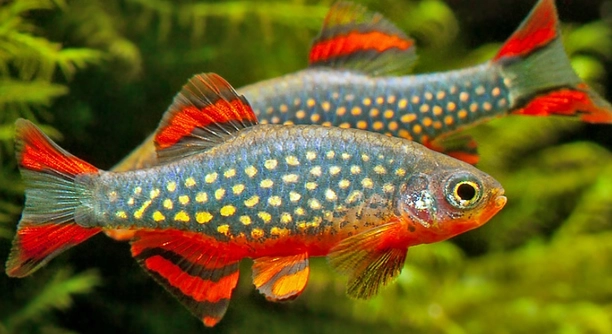
Celestial Pearl Danios are small, vibrant fish that usually move in tight groups. Some owners notice their fish wandering alone instead of schooling, which can be surprising for those expecting natural group behavior.
Celestial Pearl Danios might refuse to school due to stress, insufficient tank size, improper water conditions, or social hierarchy conflicts. These factors disrupt their natural instincts, making individual fish isolate rather than follow normal group patterns.
Learning the reasons behind this behavior helps you create a healthier, more comfortable environment for your fish and supports their natural social tendencies.
Tank Size and Space Limitations
Many Celestial Pearl Danios prefer a moderately sized tank where they can swim freely with their group. A cramped tank can make them feel confined, reducing their instinct to school. When I first set up my tank, I noticed the fish often stayed at the bottom, avoiding each other. Overcrowding can lead to stress, causing some fish to separate entirely. Ideally, a 20-gallon tank or larger gives them enough room to interact comfortably. Decorations, plants, and hiding spots are important, but too many obstacles can also limit their swimming space. Clear swimming lanes encourage schooling, while cramped layouts push shy individuals into corners. Monitoring their behavior helps identify whether space is the main issue. Adjusting tank layout gradually can restore normal schooling patterns. Small tweaks, like rearranging plants or adding open areas, made a big difference in my own tank, helping the fish feel more secure.
Adequate swimming space allows Celestial Pearl Danios to feel safe and maintain natural group behavior without constant stress or avoidance.
By observing their movement, I could tell when the tank felt too small. The fish would hesitate, darting quickly between hiding spots, showing signs of tension. Removing excess decorations and opening clear areas encouraged them to swim together again. Providing a balanced mix of open space and hiding places gives shy fish a sense of security. Over time, this adjustment led to more consistent schooling behavior and less isolation.
Water Conditions and Quality
Poor water quality affects Celestial Pearl Danios’ willingness to school, as they are sensitive to changes in their environment.
Maintaining stable temperature, pH, and ammonia levels ensures the fish remain healthy and active in groups.
I learned that even small fluctuations in water parameters caused noticeable changes in my fish’s behavior. They stopped swimming in formation and lingered near the filter, as if seeking stability. Regular testing and partial water changes made a huge difference, restoring a more natural pattern. Additionally, ensuring proper filtration and gentle water flow prevents stress and allows fish to move freely without disruption. Even introducing live plants improved oxygen levels and offered comfort. By paying attention to these details, the Danios gradually returned to schooling, showing their bright colors and coordinated movements. Tracking water parameters and making slow, steady adjustments creates an environment where schooling feels natural and safe, reducing fear and promoting healthy social interactions.
Social Hierarchy and Aggression
Some Celestial Pearl Danios refuse to school because dominant fish intimidate others. Smaller or weaker fish may isolate themselves to avoid conflicts.
In my tank, I noticed one male constantly chasing the others. This created stress for the smaller fish, and they stopped joining the group. Over time, I separated aggressive individuals, which immediately reduced tension. Even subtle signs like nipping fins or chasing can disrupt schooling. Keeping multiple males and a balanced ratio with females helps reduce aggression. Observing interactions closely allows you to spot fish that need more space or temporary separation. Adjusting social structure gradually ensures calmer, more cohesive groups.
Creating a peaceful environment also involves providing hiding spots. Plants and decorations offer retreats for shy fish, giving them a sense of safety while reducing direct confrontations. By monitoring and modifying social dynamics, Danios slowly return to natural schooling behavior. Patience is key, as restoring balance can take days or weeks, but the results are noticeable.
Stress from Environmental Changes
Celestial Pearl Danios are sensitive to sudden changes in light, temperature, or decorations, which can cause isolation.
When I rearranged my tank too quickly, the fish hid for days and refused to swim together.
Gradual adjustments are essential. I learned that even moving a plant or introducing a new filter can create stress. Fish need time to adapt to changes in their environment. Keeping consistent lighting and water temperature helps maintain their comfort and encourages normal behavior. Stress reduction also involves limiting loud noises or vibrations near the tank, as these disturbances can startle the fish. By observing their reactions and introducing changes slowly, the Danios gradually regained confidence to school again. Patience and careful attention to their surroundings made a significant difference in their behavior.
Diet and Feeding Habits
Inconsistent feeding can affect Celestial Pearl Danios’ behavior. Hungry fish may scatter or compete aggressively, disrupting normal schooling patterns.
I noticed my fish stayed apart when I skipped meals or overfed. Establishing a regular feeding schedule encouraged them to swim together and interact naturally.
Lighting and Day-Night Cycle
Proper lighting helps Danios maintain their internal rhythms and reduces stress. Too bright or inconsistent lighting can make them hide or avoid schooling.
I adjusted my tank lighting to mimic a natural day-night cycle. Over time, the fish became more active together, moving in coordinated groups throughout the day.
Tank Companions
Adding incompatible tank mates can make Celestial Pearl Danios avoid schooling. Aggressive or overly active fish disturb their sense of safety and cohesion.
FAQ
Why do my Celestial Pearl Danios swim alone sometimes?
Celestial Pearl Danios may isolate themselves due to stress, overcrowding, or changes in their environment. In my tank, I noticed that when one male became too aggressive, the smaller fish avoided the group. Providing hiding spots and a balanced ratio of males to females encouraged them to school again. Gradual adjustments to decorations and tank layout also helped shy fish regain confidence.
Can water temperature affect schooling behavior?
Yes. Danios are sensitive to temperature changes. Sudden drops or spikes can make them sluggish or fearful, leading them to avoid the group. I found that keeping water between 74–78°F stabilized their movement. A reliable heater and thermometer are essential. Even a few degrees off can create noticeable changes in behavior.
How does tank size influence schooling?
Smaller tanks restrict movement and increase stress. My fish started avoiding each other in a crowded 10-gallon tank. Moving them to a larger, 20-gallon tank provided enough space for natural schooling, open swimming, and reduced tension. Decorations should allow clear swimming lanes while still offering hiding areas.
Do lighting and day-night cycles matter?
Absolutely. Danios follow natural light cues. Sudden or overly bright lighting caused my fish to hide and scatter. Adjusting lights to mimic a consistent day-night cycle improved their confidence and schooling behavior. Gentle transitions in lighting prevent stress and maintain active, social fish.
Can diet impact schooling?
Yes. Irregular feeding or low-quality food can affect their energy levels and willingness to interact. When I established a regular feeding routine with varied, high-quality food, the fish swam together more consistently. Overfeeding can also create aggression, so small, frequent meals work best.
Do tank mates affect schooling?
Incompatible tank mates can make Danios avoid each other. Aggressive or overly large fish may intimidate them. I noticed that adding peaceful species of similar size restored calmer group behavior. Ensuring all tank mates have compatible temperaments supports natural schooling patterns.
What signs indicate stress in schooling behavior?
Shy fish hiding, rapid darting, or avoiding the group are signs of stress. In my tank, a few fish stayed near plants while others swam freely. Addressing water quality, tank layout, and social balance often restores normal schooling. Monitoring behavior daily is crucial for early intervention.
How long does it take for Danios to resume schooling after changes?
It can vary from a few days to several weeks, depending on the cause. In my experience, slow, careful adjustments to tank conditions, social structure, and feeding schedules allowed the fish to gradually return to coordinated movement. Patience is key to rebuilding trust and stability.
Can breeding behavior affect schooling?
Yes. During breeding, males may chase females, temporarily breaking up the group. I noticed schooling decreased when eggs were present. Providing extra hiding spots and slightly larger tanks helped maintain some group cohesion while still allowing natural breeding activity.
Is water quality the most important factor for schooling?
Water quality is critical. Poor conditions can cause stress, illness, and isolation. I made regular testing and partial water changes a habit, which stabilized behavior and encouraged normal schooling. Maintaining proper pH, ammonia, nitrite, and nitrate levels is essential for healthy, active fish.
How do I reduce aggression in a Danio group?
Balancing the number of males and females, providing hiding spots, and avoiding overcrowding reduces aggressive behavior. In my tank, separating the most dominant male temporarily restored peace. Careful observation and minor adjustments often prevent long-term stress and disruption in schooling patterns.
Can sudden changes in the environment disrupt schooling?
Yes. Rearranging decorations, adding new equipment, or sudden noises can make Danios scatter. I found that slow, gradual changes allowed them to adapt without isolating themselves. Maintaining a stable environment reduces fear and encourages natural group behavior.
Does tank decoration placement matter?
It does. Open swimming areas support schooling, while dense clutter encourages hiding. I rearranged plants to create lanes and retreats, which improved cohesion. Proper placement balances safety and freedom, helping fish feel secure enough to swim together naturally.
What role does social hierarchy play in schooling?
Dominant fish may intimidate others, causing isolation. I observed aggressive males forcing smaller fish to hide. Adjusting ratios, adding hiding spaces, or temporarily separating dominant fish helped restore harmony and normal schooling patterns. Regular observation is crucial to maintaining a balanced group dynamic.
Are there signs my Danios are comfortable schooling?
Yes. Fish swim in coordinated groups, explore the tank together, and interact without constant chasing or hiding. I noticed bright colors and smooth, even movement when they felt safe. These signs indicate that tank conditions, diet, and social structure are all supporting natural schooling behavior.
Celestial Pearl Danios are small fish with delicate needs, and noticing them refusing to school can be worrying. Their behavior is often a reflection of their environment and social dynamics. Overcrowding, stress, or poor water quality can make even healthy fish isolate themselves. When I first observed my fish avoiding the group, it took careful attention to spot the reasons. Small changes, like rearranging decorations or providing extra hiding spots, made a noticeable difference. Even subtle adjustments, such as regular partial water changes or monitoring temperature, helped the fish feel more comfortable. These fish rely on a sense of security to follow their natural schooling instincts, and addressing their needs gradually allows them to regain confidence.
Social hierarchy also plays an important role in schooling behavior. Dominant individuals can intimidate others, causing some fish to hide or swim alone. I had a few males in my tank that were more aggressive, and the smaller fish stayed apart for several days. Providing a balanced male-to-female ratio and observing interactions closely helped restore harmony. Sometimes temporary separation is necessary to allow shy fish to feel safe. Over time, the group learned to coexist peacefully, and schooling became more consistent. Additionally, environmental factors like lighting, day-night cycles, and gentle water flow influence how confident the fish feel while swimming together. Maintaining stable conditions creates a sense of predictability, reducing stress and supporting natural group behavior.
Diet and routine are equally important for healthy schooling. Irregular feeding, low-quality food, or overfeeding can disrupt energy levels and create tension among the group. I found that consistent feeding schedules with small, high-quality meals encouraged the fish to stay active and interact normally. Gradually introducing new decorations or tank mates also made a difference, as sudden changes can temporarily break up the school. Patience and careful observation are key. By paying attention to water conditions, space, social dynamics, and diet, Celestial Pearl Danios will usually return to their natural schooling patterns. Each tank is different, and small, thoughtful adjustments make a significant impact on fish behavior and overall well-being. Watching the fish swim together in harmony shows that addressing these factors creates a safe and comfortable environment.

Hello,
If you enjoy the content that we create, please consider saying a "Thank You!" by leaving a tip.
Every little bit helps us continue crafting quality advice that supports the health, happiness, and well-being of pets around the world, for pets of all shapes, sizes, and species.
We really appreciate the kindness and support that you show us!