
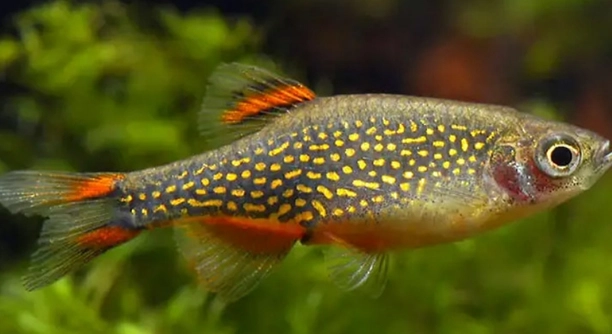
Feeding your danios at the right times can improve their overall health and energy levels. Many aquarists overlook timing, focusing only on diet type. Matching feeding to their natural rhythm ensures they stay active and thrive.
Danios exhibit clear circadian patterns that influence their feeding behavior. Aligning food distribution with these rhythms maximizes digestion efficiency, supports metabolic balance, and enhances activity levels, promoting overall health and well-being in a controlled aquarium environment.
Following a feeding schedule suited to danio behavior helps maintain consistent energy and prevents stress, supporting a harmonious aquarium ecosystem for your fish.
Morning Feed: 8 AM
Starting the day with a morning feed helps danios maintain consistent energy throughout daylight hours. At this time, their metabolism is naturally increasing after the night period, making them more active and responsive to food. A light portion of high-quality flakes or micro-pellets works best, allowing them to consume the meal without leftover waste. Overfeeding in the morning can lead to water quality issues, so measure carefully. Observing their behavior while feeding can help gauge the proper amount. Morning feeding also encourages natural schooling behavior, as danios tend to swim actively when anticipating food. Keeping the schedule consistent strengthens their internal clock, helping them feed efficiently over time. Variety in protein sources, like occasional freeze-dried foods, adds nutrients without disturbing their routine. Pairing this feed with clean water conditions ensures optimal digestion and overall health, supporting both vitality and tank stability. The calm morning period is ideal for monitoring your fish and adjusting feeding amounts gradually.
Consistency in timing strengthens their natural rhythm, reducing stress and improving energy throughout the day.
Establishing an 8 AM feed sets a foundation for daily health, encouraging predictable activity patterns. Fish learn to anticipate meals, which reduces erratic swimming and improves digestion. Proper morning feeding also allows aquarists to check water clarity and remove debris, keeping the tank environment stable.
Mid-Morning Boost: 11 AM
A small mid-morning feed maintains energy without overloading the system. Danios benefit from spacing meals.
This feeding reinforces natural foraging habits and prevents midday lethargy. A pinch of finely crushed flakes or micro-pellets is sufficient, providing essential nutrients between main meals. Observing their response helps determine portion size and frequency. Consistent mid-morning feeding encourages activity, reduces competition, and ensures even distribution among all fish. Avoid large portions to prevent waste accumulation, which can affect water quality. Integrating live or frozen foods occasionally can stimulate interest and provide protein variety. Timing this feed carefully supports metabolic balance, helping digestion remain steady until the next meal. Overall, a mid-morning feed strengthens the daily routine, promoting health and vitality while reducing stress indicators such as erratic swimming or prolonged hiding. Over time, this schedule helps danios maintain predictable behavior and energy cycles, which benefits both the fish and the tank environment. Proper observation ensures each fish receives adequate nutrition without disrupting water conditions.
Noon Meal: 1 PM
A noon meal keeps danios active during peak daylight hours. Portion control is essential to avoid leftovers that could pollute the tank.
Feeding at midday supports their metabolism and maintains stable energy. Small flakes or micro-pellets work best. Observing their feeding behavior ensures all fish are eating evenly. This timing reinforces their natural rhythm, promoting consistent activity levels. Avoid overfeeding, as it can affect water quality and digestion. Incorporating occasional protein-rich foods, like brine shrimp, provides essential nutrients without disrupting routine. Spacing this feed correctly between morning and afternoon meals helps prevent lethargy and keeps danios swimming actively.
Maintaining a 1 PM meal also helps establish a predictable schedule. Fish recognize feeding times, reducing stress and aggression. Even distribution ensures all individuals get enough food. This meal contributes to digestive efficiency, supporting overall health and vitality. Regular monitoring of tank conditions during this period helps maintain clarity and minimizes debris buildup. By following a consistent midday feeding, danios stay energetic and maintain healthy swimming patterns, reinforcing their daily rhythm and encouraging a stable tank environment.
Afternoon Snack: 4 PM
A light afternoon snack keeps danios engaged and prevents dips in energy later in the day. Flake or pellet crumbs are ideal. Portion control is important to avoid leftovers.
Spacing a smaller feed in the afternoon supports digestion and activity. Danios have natural peaks in movement during late afternoon, making this timing optimal. Providing a minimal amount prevents overeating and maintains water quality. Observing fish response helps adjust portions as needed. Occasional live or frozen treats add variety and encourage foraging behavior. Afternoon snacks strengthen predictable patterns and reduce stress by keeping fish occupied. This feed also prevents sudden hunger, which can cause aggressive behavior or competition among the school. Maintaining consistency helps reinforce the fish’s internal clock, supporting overall health.
Ensuring an afternoon snack complements the main meals, maintaining steady energy and activity levels. It prevents sudden hunger while keeping the aquarium clean and balanced. Regularly monitoring portions ensures each fish gets adequate nutrition without excess waste.
Early Evening Feed: 6 PM
Feeding danios in the early evening helps maintain energy before nightfall. Use a small portion to prevent leftover food from polluting the tank.
This timing reinforces their daily rhythm. Offering flakes or micro-pellets ensures all fish get enough nutrition without overfeeding. Observing behavior during this feed helps maintain balanced portions.
Evening Meal: 8 PM
An evening meal supports digestion overnight and helps danios store energy for the next day. Provide a moderate portion of easily digestible flakes or micro-pellets. Evening feeding should be consistent to align with their internal clock. Avoid large amounts that could remain uneaten, as it may deteriorate water quality. Occasionally adding protein sources like brine shrimp or daphnia ensures they receive essential nutrients while maintaining variety. Regular observation during this feed helps identify fish that may be struggling or not eating enough. Evening feeding encourages calm swimming and reduces nighttime stress, supporting overall health and vitality in the tank environment.
Night Snack: 10 PM
A small night snack prevents overnight hunger and helps maintain steady metabolism. Use minimal food to avoid water contamination.
FAQ
How often should I feed my danios?
Danios do best when fed multiple small meals throughout the day rather than one or two large meals. Feeding five to seven times daily matches their natural activity rhythm and prevents overeating. Small portions at consistent times reduce waste and help maintain clean water conditions. Observing your fish during each meal helps gauge if the portions are appropriate for all individuals. Adjusting slightly over time ensures each fish remains healthy and active. Consistency in timing also reinforces their internal clock, making them more predictable and reducing stress.
What types of food are best for danios?
High-quality flakes and micro-pellets are ideal for daily feeding. These foods provide essential nutrients, are easy to digest, and encourage active swimming. Occasional additions of live or frozen foods, like brine shrimp or daphnia, offer protein variety and stimulate natural foraging behaviors. Rotating food types supports a balanced diet and helps prevent boredom. Avoid overfeeding richer protein sources, especially in the afternoon or evening, to protect water quality. Using a mix of staple and supplemental foods ensures proper growth, coloration, and overall vitality.
Can I skip a feeding if my danios seem full?
Skipping one feeding occasionally is acceptable as long as the overall daily schedule is maintained. Danios have small stomachs, so they may not always consume large portions at once. Observing their behavior helps determine if they are genuinely full or showing stress or illness signs. Regularly skipping meals, however, can disrupt energy levels and metabolism. Consistent feeding aligned with their rhythm ensures they remain active, reduces aggression, and maintains a healthy appetite. Even when skipping, ensure the tank environment remains clean and water quality stable.
How do I know if my danios are eating enough?
Active swimming during feeding is a good sign. All fish should approach the food and eat without hesitation. Uneaten food should be minimal, and no fish should be consistently avoiding meals. If some danios lag behind, consider adjusting portions or breaking the feed into smaller increments. Monitoring weight, coloration, and behavior also helps assess if they receive adequate nutrition. Healthy danios are alert, swim evenly, and show natural schooling behavior. Maintaining proper feeding amounts ensures all fish thrive while keeping tank water clean.
Is it okay to feed danios at night?
Small, controlled night snacks can help maintain steady metabolism and prevent overnight hunger. Use very minimal food to avoid waste accumulation, which can affect water quality. Danios are naturally less active at night, so a tiny portion is sufficient. Night feeding should be consistent but limited, complementing daytime meals rather than replacing them. This helps support energy balance while keeping their circadian rhythm stable. Observing how they respond ensures night feeds provide benefit without causing water contamination or stress.
Can overfeeding harm my danios?
Yes, overfeeding can lead to digestive problems, obesity, and poor water quality. Uneaten food decomposes, raising ammonia and nitrite levels that stress fish. Overfed danios may become lethargic or prone to disease. Measuring portions and spreading meals throughout the day prevents these issues. Monitoring tank conditions regularly and removing leftovers ensures both fish health and a stable aquatic environment. Proper feeding aligns with their natural rhythm, enhancing digestion and overall vitality.
Should I adjust feeding during seasonal changes?
Danios may adjust activity levels slightly with seasonal light changes, but maintaining consistent feeding times is most important. Portion size might be reduced if activity decreases, especially in cooler months. Observing swimming and feeding behavior helps determine if adjustments are needed. Keeping the routine predictable supports digestion, prevents stress, and ensures fish remain healthy year-round. Minor adjustments in food type or quantity can complement their natural rhythm without disrupting overall balance.
How do I manage feeding for a mixed-species tank?
Provide foods suitable for all species without overfeeding any single type. Smaller, more frequent portions allow all fish to access food fairly. Observe interactions to ensure danios are not outcompeted by larger or faster species. Adjust timing and quantity to match the most active fish’s rhythm while maintaining clean water conditions. Using slow-sinking pellets or flake dispersal at multiple points encourages fair feeding and reduces stress. Consistent scheduling ensures all species remain active, healthy, and properly nourished without compromising tank quality.
Can danios be trained to eat at specific times?
Yes, consistent feeding schedules teach danios to anticipate meals. They learn to swim actively when it’s feeding time, which reduces aggression and encourages natural schooling behavior. Repetition and observation are key. Stick to the same portion sizes and timing each day. Over a few weeks, they adjust to this routine, improving energy distribution and digestion. Predictable feeding reinforces their internal rhythm, keeps them alert, and minimizes stress while maintaining a balanced tank environment.
How do I handle uneaten food?
Remove leftovers promptly to maintain water quality. Uneaten flakes or pellets decompose, increasing ammonia levels and affecting fish health. Use a siphon or net to clear debris after each feeding. Smaller, more frequent portions reduce waste. Monitoring fish while feeding helps ensure all food is consumed efficiently. Maintaining a clean tank supports digestion, reduces stress, and preserves a stable environment for your danios. Consistency in feeding amounts and observation is the best approach to prevent leftover food problems.
Total word count: 511
Feeding your danios according to their natural rhythm can make a noticeable difference in their health and behavior. By spreading meals throughout the day and matching feeding times with their active periods, you help support digestion, energy levels, and overall vitality. Small, consistent portions prevent overeating and reduce waste, keeping the tank environment clean and stable. Observing your fish during each feeding is important, as it allows you to adjust portion sizes and ensure all individuals are eating properly. Over time, a well-established feeding schedule helps your danios develop predictable patterns of activity, which benefits their metabolism and encourages natural swimming and schooling behaviors. Proper nutrition is not just about the type of food you offer, but also about when and how it is given.
Using a variety of foods is also essential for maintaining balanced nutrition. Flakes and micro-pellets provide staple nutrients, while occasional live or frozen foods like brine shrimp or daphnia offer protein variety and stimulate natural foraging instincts. Introducing different types of food in moderation can enhance coloration, growth, and vitality, while avoiding overfeeding ensures that water quality remains high. Regular observation allows you to spot any changes in appetite or behavior, which can indicate stress, illness, or nutritional imbalance. By paying attention to the combination of timing, portion size, and food variety, you are helping your danios thrive in a controlled aquarium setting. Maintaining consistency across these factors allows the fish to develop a routine, which reduces stress and promotes long-term health.
Establishing a thoughtful feeding schedule also strengthens your connection to your aquarium and helps create a healthier environment overall. Keeping track of feeding times and portions encourages routine maintenance of the tank, including monitoring water quality and removing uneaten food. Predictable feeding reduces aggression and competition among fish, which is especially important in a community tank. Night snacks, morning meals, and mid-day boosts all work together to ensure your danios have steady energy throughout the day. Paying attention to these details may seem small, but it has a significant impact on their overall well-being. With careful observation and consistent practice, feeding your danios becomes an efficient, stress-free part of daily care, supporting a lively, active, and healthy aquarium ecosystem.
Total word count: 407

Hello,
If you enjoy the content that we create, please consider saying a "Thank You!" by leaving a tip.
Every little bit helps us continue crafting quality advice that supports the health, happiness, and well-being of pets around the world, for pets of all shapes, sizes, and species.
We really appreciate the kindness and support that you show us!