
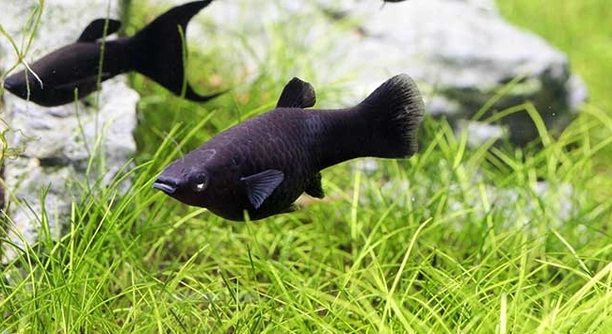
Black Molly Fry are delicate little fish that can get stressed easily, even in well-maintained aquariums. Small changes in their environment or routine can affect their health and behavior in ways that are not always obvious.
The primary stress triggers for Black Molly Fry include sudden temperature changes, poor water quality, overcrowding, aggressive tank mates, inconsistent feeding, inadequate hiding spaces, and excessive handling. Avoiding these factors helps ensure their proper growth and survival.
Recognizing these triggers early can make a significant difference in their development and overall well-being. Learning how to maintain a calm environment is essential for their care.
Sudden Temperature Changes
Black Molly Fry are very sensitive to abrupt shifts in water temperature. Even a small change can shock their systems, causing stress that affects feeding and growth. It is important to keep the aquarium temperature stable, ideally between 75 and 80 degrees Fahrenheit. Sudden drops or spikes can lead to illness, weaker immune response, or even death. Using a reliable heater and thermometer helps maintain a consistent environment. Avoid placing the tank near drafts, windows, or heating vents, as these can create fluctuations. Regular monitoring of water conditions ensures the fry remain healthy and active. Gradual adjustments are safer if temperature changes are necessary.
Maintaining stable temperatures allows Black Molly Fry to grow without added stress. Simple precautions go a long way in preventing unnecessary health issues.
Fry that experience frequent temperature swings may become lethargic or lose appetite. Over time, these repeated stresses can slow growth and increase vulnerability to disease. Providing a calm, stable environment supports stronger development and healthier fish overall. Consistency in temperature management is one of the simplest yet most effective ways to protect your fry from preventable harm. Careful attention to heating equipment and regular checks reduce risks significantly.
Poor Water Quality
Dirty or improperly maintained water creates immediate stress for Black Molly Fry. Even minor imbalances in ammonia, nitrites, or pH levels can harm them quickly.
Maintaining clean water is essential for fry survival. Frequent water changes and proper filtration prevent stress and disease.
Contaminated water affects the fry’s delicate gills and overall growth. Small amounts of waste or uneaten food can spike toxins, making the environment unsafe. Regular partial water changes help remove excess chemicals while keeping beneficial bacteria intact. Testing water parameters often ensures that conditions remain within safe ranges. Avoid overcrowding, as it increases waste accumulation and reduces oxygen levels. Clear, stable water encourages feeding and natural behavior. Monitoring temperature, pH, and chemical levels together provides a balanced environment. With proper care, Black Molly Fry thrive in a controlled, stress-free tank.
Overcrowding
Overcrowding increases stress and slows growth in Black Molly Fry. Too many fry in one tank leads to competition for food, reduced oxygen, and more waste buildup.
When the tank is overcrowded, fry struggle to find hiding spots and feel constantly threatened. This can cause erratic swimming and weakened immune systems. Each fry needs enough space to grow properly, and a crowded environment makes it difficult for them to feed efficiently. Overcrowding also accelerates the spread of disease, as pathogens move quickly through dense populations. Regularly monitoring fry numbers and separating them as needed ensures healthier development and reduces unnecessary stress, keeping them active and resilient in the tank.
Proper spacing helps maintain calm behavior and improves survival rates. Adding partitions or moving excess fry to a separate tank keeps the population manageable.
Aggressive Tank Mates
Aggressive tank mates can severely stress Black Molly Fry. Fish that nip or chase fry create fear and limit feeding opportunities.
Fry exposed to aggressive species may hide constantly, reducing growth and weakening their health. Aggression disrupts natural behavior and can cause injuries. Choosing peaceful tank mates ensures a stable environment where fry can explore, feed, and swim freely without constant fear. Observation is key—monitor interactions and separate any fish that show persistent aggression. Small, calm species are ideal companions, while larger or territorial fish should be avoided. A carefully planned community tank prevents unnecessary stress and promotes fry survival, helping them develop normally.
Providing a safe environment allows fry to thrive without constant threats. Removing threats quickly keeps the tank balanced and healthy.
Inconsistent Feeding
Irregular feeding schedules stress Black Molly Fry. Skipping meals or overfeeding disrupts growth and can harm water quality.
Consistent feeding helps fry develop normally. Small, frequent portions keep them healthy and active, reducing competition and preventing malnutrition.
Inadequate Hiding Spaces
Fry need places to hide to feel safe. Lack of shelters increases stress and risk of injury.
Providing plants, decorations, or small caves allows fry to retreat when threatened. Hiding spaces encourage natural behavior, help reduce aggressive encounters, and improve overall health.
Excessive Handling
Handling fry too often disturbs their environment and causes stress. Gentle observation is safer.
Minimize tank interference to protect fry. Frequent disturbances can stunt growth, weaken immunity, and lead to avoidable health problems.
FAQ
How often should I feed Black Molly Fry?
Feeding should be small and frequent, ideally 2 to 3 times a day. Overfeeding can pollute the tank, while underfeeding slows growth. Use tiny portions that fry can consume within a few minutes to maintain water quality and ensure proper nutrition.
What is the best water temperature for fry?
Maintain a stable temperature between 75 and 80 degrees Fahrenheit. Sudden changes can shock fry, causing stress or illness. Using a reliable heater and thermometer helps keep conditions consistent, which supports growth and overall health.
How can I prevent overcrowding?
Monitor the number of fry in your tank and separate excess fish into another tank if necessary. Overcrowding reduces space, increases waste, and raises stress levels. Providing proper tank size and hiding areas keeps fry safe and allows them to grow efficiently.
Which tank mates are safe for Black Molly Fry?
Choose calm, small species that do not nip or chase fry. Avoid large or aggressive fish that create stress and limit feeding opportunities. Observing interactions and removing any aggressive tank mates promptly ensures fry can swim and feed safely.
How do I maintain water quality?
Regular partial water changes, proper filtration, and monitoring ammonia, nitrite, and pH levels are essential. Clean water prevents stress, supports gill function, and encourages healthy development. Removing uneaten food and waste frequently keeps the environment safe for fry.
Do Black Molly Fry need hiding spaces?
Yes, hiding spaces reduce stress and provide security. Plants, small decorations, or caves give fry places to retreat, which encourages natural behavior and protects them from aggression or accidental injuries.
Is handling fry safe?
Minimize handling as it disturbs their environment and adds stress. Observation through the tank glass is safer, allowing you to monitor health without impacting their growth or immunity.
What signs indicate stressed fry?
Lethargy, loss of appetite, erratic swimming, or hiding excessively are common indicators. Addressing environmental factors like temperature, water quality, and overcrowding quickly helps reduce stress and prevent long-term health problems.
How often should I test water parameters?
Testing at least once a week is recommended for fry tanks. Consistent monitoring of ammonia, nitrite, nitrate, and pH ensures the water remains safe, and early detection of issues prevents stress and potential disease outbreaks.
Can diet affect stress levels?
Yes, providing a balanced diet tailored for fry promotes healthy growth and reduces stress. High-quality fry food supports immune function, energy, and development, preventing weakness that may make them more sensitive to environmental factors.
What should I do if fry show signs of illness?
Immediate attention is required. Check water parameters, isolate sick fry if possible, and adjust feeding or tank conditions. Early intervention increases recovery chances and helps prevent disease from spreading to other fry.
Are decorations necessary for fry tanks?
While not strictly necessary, decorations improve security and reduce stress. Plants, rocks, or small shelters provide hiding spots, encourage natural behavior, and make the environment more enriching and safer for fry.
How long do Black Molly Fry take to grow?
Growth depends on temperature, feeding, and overall care. Properly cared-for fry can grow steadily over several weeks to months, reaching juvenile size when conditions remain stable and stress is minimized.
Does tank size affect stress?
Yes, limited space increases competition and stress. Providing enough room for swimming, hiding, and feeding ensures fry can thrive. A larger tank reduces aggression and allows for better water quality maintenance.
Can light affect fry stress?
Bright, constant lighting may cause stress. Moderate lighting with a natural day-night cycle supports normal behavior and growth. Hiding spaces can help fry escape bright areas and feel secure.
Is water movement important?
Gentle water flow is ideal. Strong currents can exhaust fry and increase stress. Filtration should circulate water without creating turbulence, supporting oxygenation while keeping fry safe.
How do I acclimate new fry to a tank?
Introduce fry gradually to prevent shock. Slowly adjust them to the water temperature and chemistry of the tank over a few hours. This reduces stress and increases survival rates.
What are the long-term effects of stress?
Chronic stress slows growth, weakens the immune system, and increases susceptibility to disease. Maintaining stable conditions and addressing triggers promptly ensures healthy, resilient fry over time.
How can I tell if the tank is too crowded?
If fry constantly compete for food, hide excessively, or water quality deteriorates quickly, the tank is likely overcrowded. Reducing numbers or expanding space helps maintain health and growth.
Can plants improve fry survival?
Yes, live plants provide oxygen, hiding spots, and natural filtration. They create a safer, more stable environment, reducing stress and encouraging natural feeding and swimming behavior.
What is the safest way to clean a fry tank?
Perform small, partial water changes regularly. Avoid drastic cleaning or using chemicals. Gentle siphoning of debris maintains cleanliness while preserving beneficial bacteria, keeping fry healthy.
Are all fish foods safe for fry?
No, only foods small enough for fry to consume are appropriate. High-quality fry flakes, micro pellets, or freshly prepared infusoria support growth without polluting water or stressing their digestive systems.
How can I reduce stress during water changes?
Perform partial water changes slowly and match the new water temperature and chemistry to the tank. Sudden differences can shock fry. Consistent routine and gentle handling minimize stress during maintenance.
Does overcrowding affect disease spread?
Yes, denser populations make disease transmission faster. Providing adequate space, good filtration, and clean water reduces infection risk and keeps fry healthier overall.
What role does monitoring behavior play?
Observing fry behavior helps detect stress, illness, or environmental issues early. Active, alert, and feeding fry indicate stable conditions, while changes in swimming or hiding suggest intervention is needed.
How do I prevent aggression in community tanks?
Select peaceful species, avoid overcrowding, and provide hiding spaces. Regular observation and separating aggressive fish prevent stress and injury, creating a safer environment for Black Molly Fry.
Is water hardness important for fry?
Moderate hardness supports growth and development. Extreme soft or hard water can stress fry and affect their ability to thrive. Testing and adjusting water hardness ensures optimal conditions for healthy development.
Can sudden light changes stress fry?
Yes, abrupt changes in lighting can cause erratic swimming or hiding. Gradual adjustments and maintaining a natural day-night cycle reduce stress and support normal activity patterns.
How often should fry tanks be observed?
Daily observation is recommended. Small changes in behavior, appetite, or activity often indicate stress or environmental problems. Quick response prevents health decline and improves survival rates.
What is the impact of poor water circulation?
Stagnant water reduces oxygen levels and can concentrate toxins, stressing fry. Gentle filtration ensures oxygenation and cleaner conditions while avoiding strong currents that may exhaust them.
Can diet variety reduce stress?
Yes, offering a mix of high-quality foods promotes growth and supports immunity. A varied diet prevents nutritional deficiencies and helps fry cope with minor environmental stressors.
Are floating plants beneficial?
Floating plants provide shade and security, helping fry feel safe. They reduce light intensity and give hiding options, which lowers stress and encourages natural behavior.
How does temperature fluctuation affect immune function?
Frequent changes weaken fry immunity, making them prone to disease. Stable temperatures support metabolism, growth, and resistance to infections, ensuring healthier development.
Should fry tanks have a lid?
Yes, a lid prevents fry from jumping out, reduces evaporation, and helps maintain stable temperature and water conditions. It also keeps external disturbances to a minimum, lowering stress levels.
Can stress affect coloration?
Yes, stressed fry often lose vibrancy and appear dull. Maintaining proper conditions, diet, and tank setup helps preserve natural coloration and overall health.
Is it necessary to quarantine new fry?
Quarantining prevents the introduction of disease to an established tank. Observing new fry in a separate environment allows early detection of illness and protects existing populations.
How do I reduce stress during feeding?
Feed small portions and distribute food evenly. Avoid sudden movements around the tank. Consistency and gentle handling reduce competition and fear, helping fry eat comfortably.
What common mistakes increase stress?
Overcrowding, poor water quality, aggressive tank mates, inconsistent feeding, and sudden environmental changes are the main factors. Addressing these prevents chronic stress and supports healthy fry development.
How can I encourage natural behavior?
Provide hiding spaces, gentle water flow, consistent lighting, and suitable tank mates. Observing fry in a calm, enriched environment allows normal swimming, feeding, and interaction patterns to develop naturally.
Can stress cause mortality in fry?
Yes, chronic stress weakens immunity, slows growth, and increases susceptibility to disease. Preventing stressors and maintaining stable, safe conditions greatly improves survival rates and long-term health.
Are small water changes safer than large ones?
Yes, gradual, partial water changes maintain stability, preserve beneficial bacteria, and minimize shock. Large changes can disrupt the tank environment and stress fry unnecessarily.
How do I know if fry are eating enough?
Healthy fry are active and finish small portions quickly. Uneaten food or weak, lethargic fry indicates underfeeding or environmental stress that requires adjustment.
What are the easiest ways to reduce stress in fry tanks?
Stable temperature, clean water, proper feeding, adequate hiding spots, peaceful tank mates, and gentle observation all help. Consistent care creates a calm environment and supports healthy growth.
Can water pH affect stress?
Yes, extreme or fluctuating pH levels irritate fry, affecting gill function and overall health. Maintaining a stable, moderate pH reduces stress and supports normal development.
How long should fry be kept separate from adult fish?
Keep fry isolated until they are large enough to avoid aggression and competition. Premature mixing with adults increases stress, risk of injury, and reduces survival rates.
Is it necessary to aerate the tank?
Yes, gentle aeration improves oxygen levels and water circulation without creating strong currents. Adequate oxygenation supports healthy metabolism and reduces stress in Black Molly Fry.
How do I handle sick fry without increasing stress?
Move them carefully, maintain water temperature, and avoid sudden movements. Treat them in a separate, stable environment to reduce further stress and promote recovery.
What are signs of overfeeding stress?
Cloudy water, uneaten food, bloated fry, and sluggish behavior indicate overfeeding. Smaller portions and frequent monitoring prevent water pollution and stress-related health problems.
Can stress affect growth rates?
Yes, stressed fry grow slower, have weaker immune systems, and are more vulnerable to disease. Maintaining stable, safe conditions ensures steady development and overall health.
How often should I clean filters?
Clean filters regularly but avoid removing all beneficial bacteria at once. Gentle maintenance supports water quality while keeping the tank environment stable for fry.
Are chemical treatments stressful for fry?
Yes, many treatments can shock fry or disrupt water balance. Only use medications when necessary, carefully following dosage instructions, and consider isolating fry during treatment if possible.
Can poor lighting harm fry development?
Excessive or inconsistent lighting may cause stress and disrupt feeding or swimming patterns. Moderate, stable light encourages normal behavior and supports growth.
Does water hardness affect fry behavior?
Yes, inappropriate hardness can stress fry, affecting swimming, feeding, and overall activity. Maintaining moderate hardness ensures comfort and reduces stress in the tank.
Are live foods better than flakes for reducing stress?
Live foods can encourage natural feeding behavior and growth. However, high-quality fry flakes are safe and easier to control. Variety and portion control are key to reducing stress and supporting health.
How can I tell if the tank is safe after changes?
Observe fry behavior, water clarity, and feeding patterns. Active, calm fry and stable parameters indicate the tank is suitable and stress levels are low.
Is constant monitoring necessary?
Yes, regular checks of behavior, water parameters, and tank conditions help catch issues early, reducing stress and improving survival rates.
Can stress affect fry social behavior?
Yes, stressed fry may hide, avoid feeding, or become aggressive toward each other. Maintaining calm, stable conditions encourages normal interaction and social development.
How do I prevent nutrient deficiencies?
Feed high-quality fry foods in appropriate portions and ensure variety. Proper nutrition supports immunity, growth, and stress resistance, promoting healthy development in Black Molly Fry.
What environmental changes are most stressful?
Sudden temperature swings, water parameter shifts, overcrowding, and aggressive tank mates cause the most stress. Maintaining consistency prevents long-term health problems.
How can I safely introduce new decorations?
Rinse thoroughly and place items slowly to avoid startling fry. Gradual introduction prevents sudden stress and maintains a stable environment.
Do fry respond to human presence?
Yes, frequent tapping or sudden movement can scare them. Observing quietly through the glass reduces stress and allows natural behavior to continue.
How long should I quarantine new tank mates?
A minimum of 2 weeks is recommended. This prevents disease introduction and gives time to assess temperament before adding them to the fry tank.
Can sudden noise stress fry?
Yes, loud or consistent noise vibrations can disturb them. Keeping the tank in a quiet area reduces stress and supports normal activity.
Are artificial plants as effective as live plants?
Artificial plants provide hiding spots but do not improve water quality. Combining both types can create security and maintain stable tank conditions for fry.
How do I keep fry safe during maintenance?
Perform gentle, partial water changes, avoid sudden temperature changes, and minimize movement near the tank. Careful handling reduces stress and keeps fry healthy.
Can overcrowding affect oxygen levels?
Yes, too many fry deplete oxygen quickly. Adequate space, gentle aeration, and regular water changes maintain oxygen and reduce stress.
How often should I observe feeding behavior?
Daily observation ensures fry eat properly, avoids overfeeding, and helps detect early signs of stress or illness, improving overall survival and health.
What are the main takeaways to reduce stress?
Stable water conditions, consistent feeding, adequate space, peaceful tank mates, hiding spots, gentle observation, and careful handling all contribute to healthy, low-stress fry.
Final Thoughts
Caring for Black Molly Fry requires attention to small details that can make a big difference in their growth and survival. Stress is one of the most critical factors affecting their health, and it can come from multiple sources. Temperature fluctuations, poor water quality, overcrowding, aggressive tank mates, inconsistent feeding, lack of hiding spaces, and excessive handling are all common stress triggers. Each of these factors can impact fry differently, but all contribute to a less stable environment. By understanding these triggers, you can take practical steps to reduce stress and create a healthier, safer tank. A calm and well-maintained environment allows fry to grow steadily, swim actively, and develop strong immune systems.
Maintaining stable water conditions is particularly important for Black Molly Fry. Using a reliable heater and thermometer ensures that the temperature stays consistent, avoiding sudden changes that can shock fry. Regular water testing and partial water changes help keep ammonia, nitrites, and pH levels within safe ranges. Clean water supports healthy gill function, reduces the risk of disease, and encourages normal feeding behavior. Similarly, controlling the number of fry in a tank prevents overcrowding, which reduces competition for food, lowers stress, and keeps oxygen levels adequate. Adequate hiding spaces, such as plants or small decorations, give fry areas to retreat and feel secure, which also promotes natural behavior and lowers anxiety.
Equally important is careful observation and gentle handling. Avoid disturbing fry unnecessarily, and provide consistent feeding schedules with small portions of high-quality fry food. Peaceful tank mates reduce fear and allow fry to swim and feed freely. Paying attention to behavior, appetite, and activity helps you detect stress or health issues early, so adjustments can be made before problems escalate. By combining these strategies, you can create a stable and supportive environment for Black Molly Fry. Healthy conditions not only improve survival rates but also promote proper growth, vibrant coloration, and strong, resilient fish that thrive over time.

Hello,
If you enjoy the content that we create, please consider saying a "Thank You!" by leaving a tip.
Every little bit helps us continue crafting quality advice that supports the health, happiness, and well-being of pets around the world, for pets of all shapes, sizes, and species.
We really appreciate the kindness and support that you show us!