
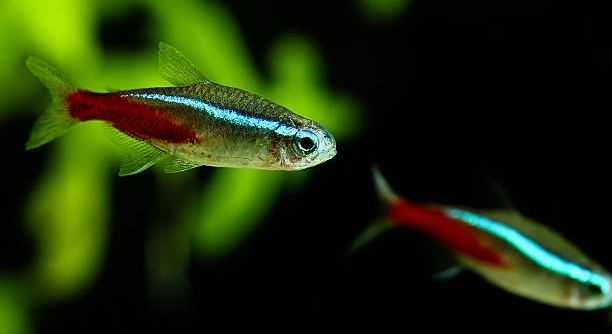
Are your tetras suddenly jumping out of the water? This behavior can be alarming for any fish owner. Tetras are usually calm swimmers, so sudden jumps often indicate an issue with their environment or health.
Jumping behavior in tetras is commonly caused by poor water quality, sudden changes in temperature, stress from overcrowding, or inadequate oxygen levels. These factors disrupt their natural comfort and safety, leading to erratic movements and attempts to escape the tank.
Understanding the causes behind this behavior can help you create a safer, more stable environment for your fish and prevent future stress-related incidents.
Common Causes of Tetras Jumping Out of Water
Many factors can lead to your tetras jumping out of the tank, but water quality issues are among the most frequent. Poor water conditions, such as high ammonia or nitrite levels, irritate the fish and cause stress. Sudden temperature changes also make them uncomfortable, prompting quick movements. Overcrowding can increase competition and tension within the tank, causing panic. Inadequate oxygen levels limit their ability to breathe properly, encouraging them to leap in search of better air. It is important to test water regularly and ensure the environment stays stable for your tetras’ health. By maintaining clean water, proper temperature, and enough space, you reduce the chances of this behavior.
Regular testing and maintenance are essential for a healthy aquarium and calm fish.
Keeping an eye on your tank’s conditions helps spot problems early. A good filter and regular partial water changes keep toxins low. Make sure your tank is not overcrowded, and the temperature is steady. Adding an air stone can boost oxygen levels. These small steps prevent stress and reduce jumping. Providing plants or decorations gives tetras hiding spots, making them feel secure and less likely to jump. Observing their behavior daily helps you react quickly if they seem restless or jumpy. With consistent care, you create a safe home where your tetras thrive without risk of escape attempts.
How to Prevent Tetras from Jumping
Keeping a lid on the tank can stop tetras from jumping out, but it is just one part of prevention. Ensuring their environment is stable reduces stress that causes jumping.
Stress reduction is key to stopping tetras from trying to escape. Avoid sudden changes in lighting or water chemistry. Feed them a balanced diet and avoid overfeeding. Watch for signs of disease, which can increase discomfort. A peaceful tank with compatible species helps keep tetras calm. By providing steady conditions and attention to their needs, you help your tetras stay safe and happy in their aquatic home.
Tank Setup and Environment
Proper tank setup plays a major role in preventing tetras from jumping. The tank should have a secure lid to keep them inside. Decorations like plants and hiding spots create a comfortable space for your fish, reducing their stress.
A tank with plenty of plants helps tetras feel safe. Natural hiding places make them less likely to panic or jump. Ensure the tank size suits the number of fish you keep to avoid overcrowding. Overcrowding increases stress and competition for resources. Using a good filter maintains clean water, which also lowers stress. Proper lighting that mimics their natural environment helps keep their behavior normal.
Maintaining stable water conditions is essential. Temperature should stay consistent and within the ideal range for tetras, around 74-80°F (23-27°C). Sudden changes can cause them to jump. Adding a gentle water flow keeps the water oxygenated but not too strong, which might scare the fish. Overall, a calm and balanced environment encourages calm behavior.
Feeding and Diet
Feeding your tetras a balanced diet supports their health and reduces erratic behavior. Avoid overfeeding, which can pollute the water and cause stress.
Tetras require a varied diet including flakes, frozen foods, and occasional live foods. A nutritious diet strengthens their immune system and reduces the chances of stress-related jumping. Feeding small amounts two to three times a day helps maintain good water quality. Removing uneaten food prevents decay that harms water quality. Consistency in feeding times also supports their routine, reducing anxiety and jumpiness.
Good nutrition paired with a clean environment ensures your tetras stay healthy and less prone to stress behaviors. Providing proper care keeps your aquarium peaceful and enjoyable.
Monitoring Water Parameters
Regularly checking water parameters keeps your tetras safe and calm. Testing for ammonia, nitrites, nitrates, and pH levels ensures the water remains healthy. Unbalanced water conditions cause stress, leading to jumping behavior.
Using a reliable test kit helps detect problems early. Keeping parameters stable prevents sudden changes that unsettle your fish.
Stress Triggers in Tetras
Stress in tetras can come from loud noises, sudden movements, or aggressive tank mates. These factors make fish nervous and prone to jumping. Minimizing disturbances and choosing peaceful companions creates a calm environment. Reducing stress helps your tetras feel secure and less likely to leap out.
Tank Mates Compatibility
Choosing compatible tank mates is important for peaceful aquarium life. Aggressive or territorial fish can stress tetras, causing them to jump. Opt for calm species that share similar water needs and temperament to maintain harmony in the tank.
Importance of Tank Lid
A secure tank lid is essential to prevent your tetras from jumping out. Even with ideal conditions, tetras sometimes leap. A lid offers a final safety barrier to keep them inside the tank where they belong.
FAQ
Why are my tetras jumping out of the water suddenly?
Tetras often jump because of stress caused by poor water quality, sudden temperature changes, or low oxygen levels. Overcrowding and aggressive tank mates can also make them nervous. These conditions make fish uncomfortable and trigger jumping as an escape response.
How can I improve water quality to stop my tetras from jumping?
Regular water changes and proper filtration are key to maintaining good water quality. Test your water weekly for ammonia, nitrites, and nitrates. Removing uneaten food and waste prevents toxin buildup. A well-maintained filter helps keep water clean and oxygenated.
What is the ideal temperature for tetras?
Tetras do best in temperatures between 74°F and 80°F (23°C to 27°C). Keeping the temperature stable avoids stress. Sudden shifts can make your fish restless and increase jumping incidents.
How often should I feed my tetras?
Feed small amounts two to three times a day. Overfeeding can pollute the water, leading to poor conditions that cause stress and jumping. Remove any leftover food promptly to keep the tank clean.
Can tank mates affect my tetras’ behavior?
Yes. Aggressive or territorial fish can stress tetras, causing them to jump. Choose peaceful species that coexist well with tetras. This helps create a calm and stable environment for all fish.
Do tetras need hiding places in the tank?
Absolutely. Plants, rocks, and decorations provide security and reduce stress. When tetras feel safe, they are less likely to jump. Hiding spots mimic their natural habitat and keep them comfortable.
Is a tank lid necessary for tetras?
Yes, a secure lid prevents accidental jumps outside the tank. Even if conditions are perfect, tetras may leap unexpectedly. A lid acts as a safety barrier to protect your fish.
How can I tell if my tetras are stressed?
Signs of stress include rapid breathing, erratic swimming, loss of appetite, and frequent jumping. Stressed fish may also hide more or lose color. Monitoring behavior helps you react before problems worsen.
Can poor oxygen levels cause jumping?
Low oxygen levels make fish uncomfortable and can trigger jumping. Ensure proper aeration with a filter, air stone, or plants. This maintains oxygen in the water and keeps tetras calm.
What should I do if my tetra jumps out of the tank?
Act quickly by returning the fish to water. Rinse your hands before handling to avoid harming their slime coat. Check the tank conditions to find the cause of the jumping and fix any problems immediately.
Can lighting affect tetra behavior?
Yes. Sudden bright lights or frequent changes can stress tetras. Use consistent, moderate lighting to mimic their natural environment. A regular day-night cycle helps keep their behavior normal.
Is overcrowding a problem for tetras?
Overcrowding increases competition and stress, leading to jumping and health issues. Follow stocking guidelines and provide enough space for each fish. More space reduces tension and creates a peaceful tank.
How often should I test my aquarium water?
Testing water once a week is recommended. More frequent checks may be needed if you notice unusual fish behavior. Keeping parameters stable prevents stress and jumping.
Are live plants better than artificial ones for tetras?
Live plants improve water quality by absorbing toxins and producing oxygen. They also offer natural hiding spots. Both live and artificial plants can provide shelter, but live plants contribute more to a healthy environment.
What are the most common mistakes leading to jumping behavior?
Common errors include poor water maintenance, sudden temperature changes, lack of hiding spots, overcrowding, and aggressive tank mates. Addressing these issues stops stress and keeps tetras calm.
Final Thoughts
Understanding why your tetras jump out of the water is important for keeping them healthy and safe. Stress is the main reason behind this behavior, often caused by changes in water quality, temperature, or tank environment. Paying close attention to these factors helps create a stable and comfortable home for your fish. When water conditions are clean and stable, and the tank is properly set up with enough space and hiding places, tetras are less likely to feel the need to escape. Maintaining the right temperature and oxygen levels also plays a key role in preventing jumping.
Preventing your tetras from jumping involves consistent care and observation. Regular water testing, partial water changes, and feeding the right amount of food keep your tank environment healthy. Providing plants and decorations gives your fish safe spots to hide, reducing stress. Choosing peaceful tank mates and avoiding overcrowding also lowers tension in the aquarium. Adding a secure lid ensures your tetras stay safely inside the tank even if they jump unexpectedly. These small but important steps make a big difference in keeping your fish calm and comfortable.
Taking the time to care for your tetras properly not only reduces jumping but also improves their overall well-being. Watching your fish swim calmly and happily is rewarding. A healthy tank requires routine care but pays off by preventing problems and creating a peaceful environment. Understanding the needs of your tetras and responding quickly to changes in their behavior will help you keep them safe. With steady care, your tetras can thrive without stress, making your aquarium a beautiful and enjoyable part of your home.

Hello,
If you enjoy the content that we create, please consider saying a "Thank You!" by leaving a tip.
Every little bit helps us continue crafting quality advice that supports the health, happiness, and well-being of pets around the world, for pets of all shapes, sizes, and species.
We really appreciate the kindness and support that you show us!