
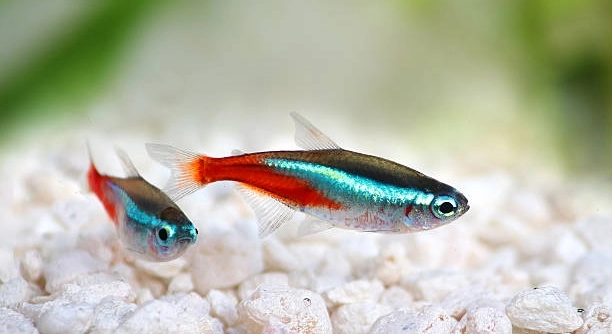
Lonely tetras can show signs of stress and insecurity, which may affect their health and behavior. Many owners notice their fish hiding or acting restless when they feel unsafe in their environment. Helping these small fish feel secure is important for their well-being.
The best way to help a lonely tetra feel secure is by creating a stable, comfortable habitat. This includes proper tank size, hiding spots, consistent water conditions, and social companionship. These factors reduce stress and promote natural behavior in the fish.
Improving your tetra’s environment can make a big difference in their comfort and happiness. The following tips will guide you in creating a safe space your fish will thrive in.
Provide Proper Tank Size and Environment
A spacious tank is essential for a tetra’s comfort and security. Small tanks can cause stress and aggressive behavior because of limited space. For one tetra, a minimum of 5 gallons is recommended, but a larger tank of 10 gallons or more is better, especially if you keep several fish. The tank should include plants and decorations where the tetra can hide and feel safe. Live plants also help maintain water quality and reduce stress by mimicking a natural habitat. Regular cleaning and stable water temperature, between 72°F and 80°F, are necessary. Avoid sudden changes in water parameters, as they can unsettle your tetra. A well-maintained tank creates a calming environment that supports the fish’s health and natural behavior.
Smaller tanks lead to higher stress levels, so investing in a larger, well-planted tank greatly benefits your tetra’s sense of security.
Tetras are schooling fish and do best when kept in groups of at least six. This social environment mimics their natural habitat and prevents loneliness. It is important to monitor the group for signs of aggression or stress, which can occur if the tank is too small or lacks hiding spaces. Adding floating plants reduces light intensity and provides cover, which helps shy tetras feel more at ease. Keeping the tank in a quiet area away from sudden noises or vibrations can also reduce stress. A stable, enriched environment ensures your tetra remains calm and displays natural behavior, making their overall health better.
Maintain Consistent Water Conditions
Stable water conditions help tetras feel safe and secure. Fluctuations in pH, temperature, or ammonia levels cause stress and illness. Monitoring water regularly and performing partial water changes keeps these factors within safe ranges.
Regular water tests and careful maintenance reduce stress and promote long-term health for your tetra.
Add Hiding Spots and Decorations
Hiding spots reduce stress by giving tetras places to retreat when feeling threatened. These can be plants, caves, or other aquarium decorations that create a natural environment.
Providing multiple hiding places is essential for a lonely tetra. Natural plants, either live or artificial, offer shelter and break lines of sight, which reduces anxiety. Decorations like small caves or ceramic structures give secure retreats where your fish can rest safely. Position these hiding spots evenly throughout the tank so the fish can choose a location that feels safest at any time. Avoid overcrowding the tank, as too many decorations can restrict swimming space and increase stress. Creating a balanced environment with open areas and hiding spots encourages healthy behavior.
Tetras use hiding spots not only for safety but also to reduce aggression from other fish. Well-placed decorations simulate their natural habitat, making them feel more at ease. Changing the arrangement occasionally can keep their environment interesting without causing distress.
Keep Compatible Tank Mates
Choosing tank mates that do not harass or compete aggressively with tetras is crucial. Avoid large or aggressive fish that can intimidate or harm them.
Tetras thrive with peaceful species of similar size. Ideal companions include small rasboras, guppies, or other small schooling fish. Aggressive fish or bottom dwellers that disturb the tetra’s environment may cause anxiety or injury. Introduce new fish gradually and watch interactions closely during the first weeks to ensure harmony. Stress caused by incompatible tank mates can lead to illness or hiding behavior in tetras. A well-planned community tank promotes social behavior and reduces loneliness without increasing stress levels. Keeping fish with similar temperament and habitat needs ensures a stable aquarium where all species coexist comfortably.
Provide Gentle Lighting
Bright or harsh lighting can stress tetras, making them feel exposed and vulnerable. Using dim or adjustable lighting creates a more comfortable atmosphere.
Natural light cycles with periods of darkness help regulate their behavior. Soft lighting mimics their natural environment and supports relaxation.
Feed a Balanced Diet
A balanced diet keeps tetras healthy and less prone to stress. Offer high-quality flakes or pellets designed for small tropical fish. Supplement with occasional live or frozen foods like brine shrimp or daphnia to provide variety and nutrition. Avoid overfeeding, as excess food can pollute the water and harm the fish. Feeding small amounts twice a day encourages natural foraging behavior and maintains energy levels, helping your tetra stay active and secure.
Maintain Quiet Environment
Loud noises and vibrations can frighten tetras, causing them to hide or become restless. Place the tank in a calm area away from frequent disturbances to help your fish feel secure.
FAQ
How can I tell if my tetra is lonely or stressed?
Signs of loneliness or stress in tetras include hiding frequently, erratic swimming, loss of color, and lack of appetite. They may also stay at the bottom or corners of the tank instead of swimming actively. Tetras are schooling fish and usually feel more secure in groups. If kept alone, they often show these behaviors due to lack of companionship and stimulation.
Is it necessary to keep multiple tetras together?
Yes, tetras naturally live in groups and feel safest when in schools of six or more. Group living reduces stress and encourages natural behavior like schooling and exploring. A single tetra may become anxious or depressed, which affects its health. Keeping multiple tetras together promotes social interaction and security.
What tank size is best for tetras?
A minimum of 10 gallons is recommended for a small school of tetras. Larger tanks provide more swimming space and better water quality. Small tanks limit their movement and can increase stress. Providing a spacious tank with enough room for decorations and plants is essential for their comfort.
What type of plants or decorations should I add?
Live plants such as Java moss, Amazon sword, and floating plants offer hiding spots and improve water quality. Decorations like caves, driftwood, or ceramic ornaments create shelters where tetras can retreat. Avoid sharp or rough objects that may injure your fish. Make sure the tank has open swimming areas alongside hiding places.
How often should I change the water?
Perform a partial water change of about 20-30% every one to two weeks. Regular water changes keep the tank clean and maintain stable water parameters. Avoid changing too much water at once, as sudden changes can stress your tetras. Always use dechlorinated water at the right temperature.
What is the ideal water temperature and pH?
Tetras prefer water temperatures between 72°F and 80°F and a pH range of 6.0 to 7.5. Keeping water conditions stable is crucial for their health. Use a reliable heater and test kits to monitor temperature and pH regularly. Sudden fluctuations can cause stress and illness.
Can tetras live with other fish?
Tetras can live peacefully with other small, non-aggressive fish such as guppies, rasboras, and corydoras. Avoid larger or aggressive fish that may bully or eat them. Compatibility depends on species temperament, tank size, and environment. Introducing new fish slowly helps maintain harmony.
What should I feed my tetra daily?
Feed a varied diet of high-quality flakes or pellets formulated for tropical fish. Supplement with live or frozen foods like brine shrimp, daphnia, or bloodworms occasionally. Feed small portions twice daily to prevent overfeeding, which can pollute the tank and cause health issues.
How do I reduce stress from tank lighting?
Use soft, dim lighting or provide floating plants to diffuse bright light. Sudden changes in light intensity can startle tetras. Mimicking a natural day-night cycle supports their natural rhythm. Turning off lights at night helps them rest and reduces stress.
What should I do if my tetra hides constantly?
Check water parameters, tank mates, and environment first. Hiding can indicate stress from poor water quality, aggressive tank mates, or lack of hiding spots. Adjust these factors and ensure the tank is quiet and stable. Sometimes rearranging decorations or adding plants can encourage more activity.
How do I introduce new tetras to the tank?
Acclimate new tetras by floating their sealed bag in the tank for 15-20 minutes to equalize temperature. Gradually add small amounts of tank water into the bag over 30 minutes. Release them gently to avoid stress. Observe new fish closely for any signs of aggression or illness during the first week.
Can tetras live in a community tank?
Yes, tetras often thrive in community tanks with other peaceful species. Maintaining appropriate tank size, water conditions, and compatible fish is key. Community tanks provide social stimulation and reduce loneliness but require careful management to avoid conflicts.
What are common causes of stress in tetras?
Common causes include poor water quality, inappropriate tank size, lack of hiding places, aggressive tank mates, sudden environmental changes, and inadequate lighting. Monitoring these factors and maintaining a stable environment prevents stress and promotes healthy behavior.
How can I encourage natural schooling behavior?
Keep tetras in groups of six or more to encourage schooling. Provide open swimming space and stable water conditions. Avoid overcrowding, which can cause aggression. Schooling is a natural defense mechanism that makes tetras feel secure and less vulnerable.
What are signs of a healthy tetra?
Healthy tetras swim actively, display vibrant colors, eat regularly, and interact with tank mates. Their fins should be intact, and they should not hide excessively. Regular observation helps detect early signs of illness or stress.
How important is tank placement for tetras?
Tank placement affects noise, vibrations, and light exposure. A quiet area away from heavy foot traffic, loud appliances, or direct sunlight helps reduce stress. Avoid placing tanks near doors or windows where sudden changes in temperature or light occur.
This FAQ addresses common concerns that help create a secure and comfortable environment for your tetra, promoting their health and natural behavior.
Creating a secure and comfortable environment for a lonely tetra requires attention to several important factors. Providing a sufficiently large tank with stable water conditions is essential for their health and sense of safety. Including plenty of hiding spots, such as plants and decorations, helps reduce stress and allows the fish to retreat when they feel threatened. Maintaining gentle lighting and a quiet location further contributes to a calming atmosphere that supports natural behavior. When these elements are in place, tetras are more likely to swim actively, display their natural colors, and interact well with tank mates.
Social companionship is another key aspect of helping tetras feel secure. Since tetras are schooling fish, they are happiest when kept in groups of at least six. Being part of a school reduces anxiety and promotes natural social behavior. It also prevents the loneliness that can cause stress or depression in a single fish. Choosing compatible tank mates and avoiding aggressive or larger species helps maintain harmony within the aquarium. Feeding a balanced diet regularly supports overall health and vitality, contributing to a stronger immune system and better stress resistance.
By focusing on these factors, owners can create an environment that meets the needs of their tetras and helps them thrive. Consistent care, proper tank maintenance, and attention to the fish’s behavior will reveal if adjustments are needed to improve comfort and security. Over time, these efforts lead to a healthier, more active, and visibly happier tetra population. Supporting your fish in this way ensures they live longer and enjoy a better quality of life.

Hello,
If you enjoy the content that we create, please consider saying a "Thank You!" by leaving a tip.
Every little bit helps us continue crafting quality advice that supports the health, happiness, and well-being of pets around the world, for pets of all shapes, sizes, and species.
We really appreciate the kindness and support that you show us!