
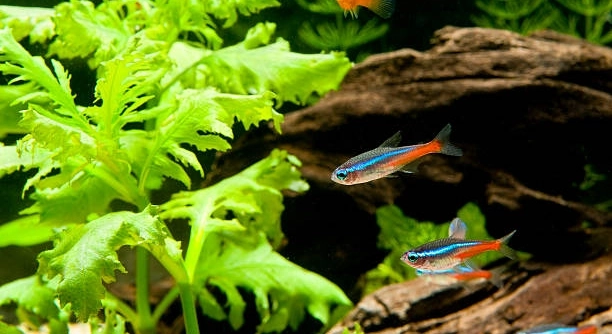
Are your peaceful tetras suddenly chasing each other around the tank, nipping fins, and causing unexpected stress in your aquarium?
Tetras may start fighting due to stress, overcrowding, territorial behavior, or breeding activity. Changes in water conditions, tank size, or hierarchy shifts can also trigger aggression, especially in male tetras competing for space or mates.
Understanding these changes can help you restore balance in your tank and protect your fish from further harm and long-term stress.
Common Reasons Tetras Start Fighting
Tetras are generally known for being peaceful, but certain conditions can cause sudden aggression. Stress from overcrowding is one of the most common issues, especially in smaller tanks. These fish need enough room to establish their space. Poor water quality can also raise stress levels and increase irritability. Sometimes, fighting happens during breeding season, particularly among males trying to attract females or defend their territory. Adding new fish to the tank without proper acclimation can disrupt the social order. Even slight changes in lighting or decor might affect their behavior if they feel their territory is being invaded or altered.
Tetras feel most secure in groups of six or more, so keeping only a few can lead to anxiety and aggression.
If you recently changed your tank setup or added new fish, consider observing how they interact. Sudden shifts in behavior can often be linked to recent environmental or social changes.
How to Calm Aggressive Tetras
Aggressive tetras usually calm down once their environment is adjusted to meet their needs.
First, check your tank size. A minimum of 20 gallons is recommended when housing a larger group. Make sure water parameters are stable and suitable for the species—this includes pH, temperature, and ammonia levels. Providing hiding spots using plants or decorations helps reduce tension by giving fish a place to escape and rest. When aggression stems from mating, rearranging tank décor may break up territories and reset social dynamics. Feeding at separate ends of the tank can also minimize food-related tension. If your group has too few tetras, consider increasing the school size to reduce stress. Keeping an even number of males and females helps as well. Finally, always quarantine new fish to avoid shocking the tank’s balance.
Signs Your Tetras Are Stressed
When tetras are stressed, they often show changes in swimming behavior. You might notice them hiding more than usual, darting around quickly, or hovering near the bottom. Some may lose color or stop eating altogether.
Aggression is a strong indicator of stress. If you see fin-nipping, chasing, or one fish constantly being singled out, it’s likely a response to discomfort. Look for signs like clamped fins or irregular breathing. These can signal that something in the tank isn’t right. Even loud noises or sudden light changes can affect them. Stress weakens their immune system, making them more likely to get sick. Keep an eye out for white spots, fuzzy growth, or torn fins. These may not just be injuries from fighting but signs of illness that started from stress. Catching these early can help you stop the problem before it worsens.
Making small changes early often prevents bigger issues later. Check your water parameters, reduce noise around the tank, and give your fish space to feel secure. Avoid overcrowding, and always cycle your tank before adding new fish. If you’ve added anything new, like a filter or decor, try to notice if their behavior changed soon after. A small adjustment might be all they need.
Preventing Future Aggression
Preventing aggression starts with understanding your tank’s limits. Keep enough space for swimming, especially if you have multiple fish species. Try not to mix overly active or larger fish with your tetras, as this often triggers defensive behavior.
Use plants, caves, or other hiding areas to break up the line of sight in the tank. This helps create territories and reduces constant chasing. Keep a consistent lighting schedule and avoid tapping on the glass. Feed them a varied diet, offering high-quality flakes or micro-pellets along with occasional treats like bloodworms or brine shrimp. Spread food out across the tank so they don’t compete in one spot. If you notice one fish causing most of the trouble, consider isolating it temporarily. Monitor their behavior after each change and adjust slowly, giving them time to adapt. Maintaining a steady, calm environment makes a big difference in how peaceful your tetras stay over time.
When to Separate Aggressive Tetras
If one tetra is repeatedly chasing, biting, or isolating another, separation might be necessary. Look for torn fins, faded color, or a fish hiding constantly—these are signs the aggression is harming their health.
Use a tank divider or temporary isolation in a separate container to prevent injury. Monitor behavior closely.
Breeding Behavior vs. Fighting
Breeding behavior can look like fighting, but it’s usually more rhythmic and less aggressive. Males may chase females closely and flare fins without much actual contact. If you see a male nudging the female’s belly gently, this could mean he’s encouraging spawning. Look for eggs or increased cleaning of specific surfaces. Fighting, on the other hand, is more erratic and includes nipping, chasing without breaks, and signs of injury. If the behavior happens around specific tank spots or decorations, it might be territorial aggression, not mating. Always observe the context and how the group responds to know the difference.
Tank Mates That Help Reduce Tension
Peaceful bottom dwellers like corydoras or small snails can make the tank feel more balanced. They don’t compete for the same space.
FAQ
Why are my tetras suddenly fighting after being peaceful for months?
Sudden aggression in tetras can happen due to changes in their environment or social group. Even minor adjustments like adding new fish, rearranging decorations, or changing water conditions can stress them. Stress often causes tetras to establish new territories or fight for dominance. Seasonal or breeding cycles also bring temporary aggression, especially among males. Watching their behavior closely during these changes helps identify the cause.
How can I tell if the fighting is serious or just normal behavior?
Normal tetra behavior includes brief chasing or fin flaring, especially during feeding or mating. Serious fighting leads to constant chasing, fin damage, and hiding fish. If you notice torn fins, faded colors, or one fish avoiding the group, the aggression is harmful. Early intervention is important to prevent injury or illness.
Is tank size important for preventing fights?
Yes, tank size plays a big role in reducing aggression. A minimum of 20 gallons is recommended for a group of tetras. Crowded tanks force fish to compete for space and resources, raising stress levels. More space allows fish to create territories and avoid constant confrontation.
Can water quality affect aggression in tetras?
Poor water quality is a major cause of stress and aggression. High ammonia, nitrite, or nitrate levels weaken fish and make them irritable. Keeping the water clean and stable, with proper filtration and regular testing, helps maintain peace. Temperature and pH outside the ideal range for your tetra species can also trigger fighting.
Should I add more tetras if fighting occurs?
Increasing the group size to six or more can reduce aggression because tetras feel safer in larger schools. Smaller groups can lead to stress and dominance fights. Adding more fish must be done gradually, with proper quarantine to avoid introducing disease or extra stress.
What are some good tank mates for tetras to reduce fighting?
Peaceful bottom dwellers like corydoras catfish or small snails don’t compete for the same space as tetras and can create a balanced environment. Avoid aggressive or larger fish that may intimidate or provoke your tetras. Species that swim at different levels help reduce competition.
How can I safely separate aggressive tetras?
Use a tank divider or a separate quarantine tank to isolate the aggressive fish temporarily. This prevents injury and gives the group a chance to settle. Monitor their behavior during separation and slowly reintroduce once aggression subsides. Always maintain excellent water conditions in both tanks.
Does rearranging tank decor help reduce aggression?
Yes, changing decorations breaks up established territories and can reset social hierarchies. Adding plants, caves, or hiding spots creates visual barriers and places for stressed fish to retreat. Avoid drastic changes all at once—gradual adjustments are best to minimize stress.
Can diet influence tetra aggression?
A varied and balanced diet helps keep tetras healthy and less prone to stress. Feeding high-quality flakes, pellets, and occasional live or frozen foods like bloodworms improves their condition. Distributing food evenly reduces competition and fights during feeding time.
Is aggression always a sign of poor care?
Not always. Some aggression is natural, especially during breeding or hierarchy shifts. However, ongoing fighting often points to environmental stressors like overcrowding, poor water quality, or sudden changes. Proper care and attention to tank conditions usually help reduce problems.
What should I do if my tetras continue fighting despite all changes?
If aggression persists, consider consulting an experienced aquarist or a vet specialized in fish. Persistent aggression may mean incompatible fish or an underlying health issue. Sometimes, relocating certain individuals to another tank is the best solution to maintain peace and health for all your fish.
Final Thoughts
Tetras are popular for their peaceful nature and beautiful colors, but sudden fighting can happen even in well-maintained tanks. Understanding the reasons behind their behavior is key to keeping your fish healthy and happy. Stress, overcrowding, changes in the environment, and breeding behavior are all common causes of aggression. By recognizing these factors early, you can take simple steps to reduce tension and restore harmony in your aquarium. Observing your fish closely will help you notice any signs of distress or injury, so you can act before problems worsen.
Maintaining good water quality is one of the most important things you can do for your tetras. Clean water with stable temperature, pH, and low toxin levels supports their well-being and reduces stress-related fights. Providing enough space and hiding places also helps each fish feel safe. Adding plants, rocks, or other decorations can break up the tank visually, giving fish places to escape or rest. Keeping a proper school size and balanced group of males and females reduces competition for mates and territory, which often triggers aggression.
Sometimes, even after making changes, aggression can continue. In those cases, it may be necessary to separate the aggressive individuals temporarily or permanently to protect the others. Patience is important because fish take time to adjust to new conditions. With careful attention and consistent care, you can create a peaceful environment for your tetras. Remember, every tank and group of fish is unique, so observing their behavior and responding thoughtfully will help you maintain a healthy, calm aquarium over the long term.

Hello,
If you enjoy the content that we create, please consider saying a "Thank You!" by leaving a tip.
Every little bit helps us continue crafting quality advice that supports the health, happiness, and well-being of pets around the world, for pets of all shapes, sizes, and species.
We really appreciate the kindness and support that you show us!