
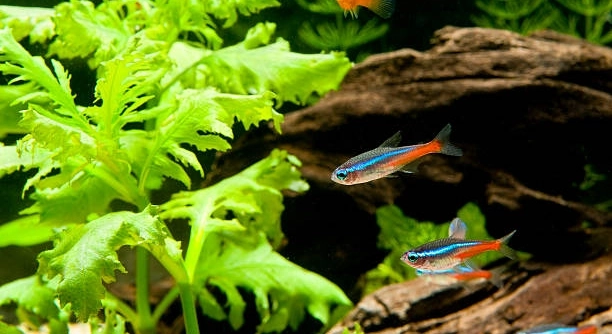
Are your tetras suddenly bumping into the glass of their aquarium? This behavior can be unsettling for any fish keeper. It often signals that something in their environment or health may need attention to keep them comfortable and safe.
Tetras bump into the glass mainly due to stress, reflections, or poor water conditions. Reflections can confuse them, making them think there is another fish, while stress from overcrowding or water quality issues can cause erratic swimming behavior.
Understanding why your tetras behave this way will help you create a better environment for them. The following information explains common causes and practical solutions to improve their well-being.
Common Reasons Tetras Bump Into the Glass
Tetras often bump into the glass because of reflections that confuse them. They see their own image and mistake it for another fish, triggering territorial or social responses. Poor water quality can also make them disoriented or stressed, causing erratic swimming. Overcrowding increases stress, making it harder for fish to swim calmly. Another factor is sudden changes in lighting or loud noises that startle them. Sometimes, health problems like swim bladder issues affect their balance, leading to unintended collisions. Checking the tank setup, water parameters, and fish health regularly can help reduce this behavior and improve their comfort.
Stress and reflections are the main causes behind this behavior in tetras. They often respond to what they perceive as threats or disruptions in their environment.
If you notice your tetras bumping frequently, reviewing tank conditions is essential. Adjusting lighting to reduce reflections and maintaining clean, stable water helps calm them. Ensuring the tank is not overcrowded and avoiding sudden disturbances will lower stress. Also, watching for signs of illness can prevent underlying health problems. Small changes can create a more peaceful environment, keeping your fish swimming smoothly.
How to Reduce Glass Bumping in Your Aquarium
Reflections can be minimized by adding plants or background decorations to the tank walls.
Using a tank background or repositioning the aquarium away from bright lights reduces reflections. Adding live or artificial plants breaks up clear sightlines, making it harder for fish to see their reflections. Keeping the water clean and stable prevents stress. Regular water changes and proper filtration maintain good water quality. Avoid overcrowding by keeping the number of fish appropriate for the tank size. Introducing tank mates that get along well with tetras reduces aggression and erratic behavior. Finally, maintain a calm environment without sudden noises or movements to help fish stay relaxed and avoid bumping into the glass.
Swim Bladder Issues and Their Impact
Swim bladder problems affect a fish’s balance and swimming ability. This can cause tetras to bump into the glass unintentionally. These issues often result from overfeeding or infections.
Swim bladder disorder makes it difficult for tetras to control their buoyancy. They may float uncontrollably or struggle to stay upright. Overfeeding can cause constipation, leading to pressure on the swim bladder. Bacterial or parasitic infections also damage this organ, affecting movement. When tetras have swim bladder problems, their swimming becomes erratic and uncoordinated, increasing the chance of collisions with the glass.
Treatment involves adjusting diet, such as feeding peas to relieve constipation, and maintaining water quality to prevent infections. In some cases, medication prescribed for bacterial or parasitic infections is necessary. Monitoring feeding habits and tank cleanliness helps reduce swim bladder issues and supports recovery.
Environmental Factors Affecting Tetra Behavior
Sudden changes in light, temperature, or noise can stress tetras and lead to glass bumping. Stable conditions help maintain calm behavior.
Tetras are sensitive to their surroundings, and rapid shifts in lighting or temperature can cause stress. Bright lights or direct sunlight create reflections that confuse fish. Loud noises or vibrations from household activity can startle them, making them swim erratically. Maintaining consistent lighting schedules and avoiding sudden environmental disturbances reduces stress. Stable water temperature and proper filtration also contribute to a calm tank. Creating a peaceful environment helps tetras swim smoothly without unnecessary collisions.
Tank Size and Space Considerations
A small or overcrowded tank can cause stress and lead to glass bumping. Tetras need enough room to swim freely and establish territories.
Providing sufficient space helps reduce aggressive behavior and confusion caused by limited swimming area. This promotes healthier fish and calmer swimming patterns.
Lighting and Reflection Control
Proper lighting reduces reflections that confuse tetras. Using dim or indirect light can prevent fish from seeing their own reflections, which often triggers bumping. Adjusting tank placement away from bright windows or light sources also helps minimize reflections.
Monitoring Fish Health
Regular observation of your tetras’ health is important. Illness or injury can affect their swimming and cause bumping. Early detection and treatment improve their chances of recovery and comfort in the tank.
FAQ
Why do my tetras suddenly start bumping into the glass?
Tetras may begin bumping into the glass due to stress, reflections, or changes in their environment. Stress can come from overcrowding, poor water quality, or sudden noises. Reflections confuse them because they mistake their own image for another fish, triggering territorial behavior. Changes in lighting or temperature also cause disorientation, leading to collisions.
Can poor water quality cause tetras to bump into the glass?
Yes, poor water quality is a common cause. High levels of ammonia, nitrites, or nitrates stress tetras and affect their nervous system, causing erratic swimming. Dirty water with waste buildup can reduce oxygen levels and irritate the fish, making them less coordinated. Regular water testing and maintenance are essential to keep water conditions safe and stable.
How does overcrowding affect tetra behavior?
Overcrowding increases stress and competition among tetras. When there isn’t enough space, fish may become aggressive or anxious. This stress can make them swim erratically, often resulting in bumping into the glass. Providing adequate tank size and limiting the number of fish helps reduce this stress and promotes calmer behavior.
Are reflections the only reason tetras bump into the glass?
Reflections are a major factor but not the only one. Besides reflections, stress from poor water quality, illness, overcrowding, or environmental changes can cause bumping. Reflections trigger territorial instincts, but other causes often affect a fish’s balance and behavior, leading to collisions with the tank glass.
How can I reduce reflections in my tank?
You can reduce reflections by using a solid tank background, adding plants, or placing decorations along the glass walls. Positioning the aquarium away from direct sunlight or bright artificial lights also helps. Using dimmer lights or controlling the light schedule prevents intense reflections that confuse the fish.
Could illness be causing my tetras to bump into the glass?
Yes, swim bladder issues or infections can affect a tetra’s balance and swimming ability. Swim bladder disorder disrupts buoyancy control, making fish float or sink uncontrollably, which can cause glass collisions. Bacterial or parasitic infections may also cause lethargy or erratic movements. Monitoring health and consulting treatment options are important.
What are the signs of swim bladder problems in tetras?
Signs include difficulty maintaining position in the water, floating on one side, sinking to the bottom, or struggling to swim straight. Affected fish may appear bloated or have difficulty eating. Swim bladder problems often result from overfeeding, constipation, or infections, and they require dietary or medical care.
How often should I change the water to prevent this behavior?
Regular water changes are crucial. For a healthy tank, changing 20-30% of the water weekly is recommended. This helps keep ammonia and nitrate levels low, preventing stress and illness. Consistent water changes improve oxygen levels and overall tank cleanliness, which supports stable behavior.
Can stress from tank mates cause my tetras to bump into the glass?
Yes, incompatible tank mates may chase or harass tetras, increasing stress and erratic swimming. Aggressive or overly active fish disrupt calm tank dynamics, causing tetras to bump into surfaces. Selecting peaceful companions and observing interactions helps maintain harmony and reduces stress-related behavior.
Will adjusting feeding habits help reduce glass bumping?
Proper feeding can help. Overfeeding leads to constipation and swim bladder issues, which affect swimming. Feeding small, balanced meals and avoiding excess food maintains digestive health. Including fiber-rich foods like peas can relieve constipation. Healthy digestion supports stable swimming and reduces bumping incidents.
How can I create a calmer environment for my tetras?
Maintain stable water conditions, avoid sudden temperature or light changes, and minimize loud noises near the tank. Adding plants and decorations offers hiding spots and reduces reflections. Proper tank size and compatible fish companions lower stress. These steps help tetras feel secure and swim peacefully.
Is it normal for tetras to occasionally bump into the glass?
Occasional bumping can happen, especially when exploring or adjusting to a new tank. However, frequent or repeated collisions indicate stress, poor water quality, or health issues. Observing the frequency and accompanying signs helps determine if action is needed to improve their environment.
Should I worry if my tetras are hitting the glass hard?
Yes, hard impacts can injure your fish. Persistent hard bumping may signal serious stress, illness, or environmental problems. Soft, accidental bumps during normal swimming are less concerning. If your tetras repeatedly hit the glass forcefully, checking water quality, tank setup, and health is essential.
Can adding more plants help reduce this behavior?
Plants break up reflections and provide hiding places, reducing stress and territorial aggression. Live or artificial plants create a more natural environment, making tetras feel safer and less likely to bump the glass. Increasing vegetation is an effective way to improve tank conditions and fish comfort.
Is lighting important in preventing tetras from bumping into the glass?
Lighting plays a key role. Too bright or direct lighting creates strong reflections that confuse fish. Using softer or indirect light and controlling the light cycle helps reduce stress. Proper lighting ensures tetras see their environment clearly without mistaking reflections for threats.
How do I know if my tetras are stressed?
Signs of stress include erratic swimming, hiding more than usual, loss of appetite, faded colors, and frequent bumping into the glass. Stress weakens the immune system, making fish prone to illness. Early detection allows for adjustments in care to improve their health and behavior.
Can temperature fluctuations cause this problem?
Yes, sudden changes in water temperature can shock tetras, causing confusion and stress. Maintaining a stable temperature within the ideal range (usually 72-78°F) supports normal behavior. Using a reliable heater and monitoring temperature regularly prevents fluctuations that lead to bumping.
What should I do if my tetras keep hitting the glass despite changes?
If bumping persists after addressing environment and health, consider consulting a veterinarian or experienced aquarist. Persistent behavior may indicate deeper health issues or stressors not easily identified. Professional advice helps diagnose problems and provides tailored treatment for your fish.
When tetras bump into the glass, it is often a sign that something in their environment or health needs attention. This behavior can be caused by reflections, stress, poor water quality, overcrowding, or health issues like swim bladder problems. Understanding these factors helps in identifying the cause and taking steps to improve the situation. Keeping the tank clean, providing enough space, and maintaining stable conditions are important basics for any healthy aquarium.
Reflections are a common reason tetras bump into the glass. Fish mistake their own reflection for another tetra, which can lead to territorial behavior and repeated collisions. Reducing reflections by adding plants, decorations, or a background to the tank can help. Controlling lighting and positioning the aquarium away from bright light sources also reduces this confusion. These small changes make the tank environment less stressful and more natural for the fish.
Health issues should not be overlooked. Swim bladder problems and infections affect a tetra’s ability to swim properly and can cause them to hit the glass. Maintaining good water quality, avoiding overfeeding, and observing your fish for signs of illness support their well-being. If problems persist, consulting a professional may be necessary. Paying close attention to your tetras and their environment ensures they stay healthy and swim calmly, creating a peaceful tank atmosphere.

Hello,
If you enjoy the content that we create, please consider saying a "Thank You!" by leaving a tip.
Every little bit helps us continue crafting quality advice that supports the health, happiness, and well-being of pets around the world, for pets of all shapes, sizes, and species.
We really appreciate the kindness and support that you show us!