
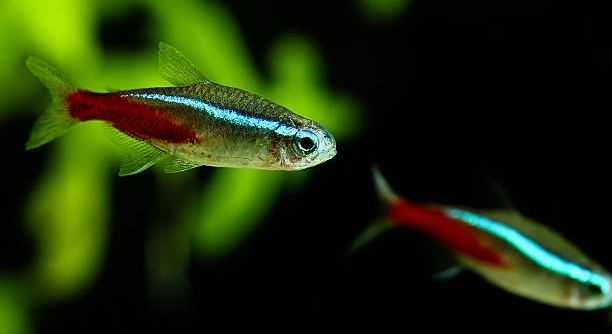
Are your tetras spending most of their time near the edges of the tank instead of swimming freely in the middle? This behavior can feel confusing, especially if the rest of their environment seems perfectly fine.
Tetras often stay near the tank edges due to stress, poor water conditions, lack of hiding spots, or incompatible tank mates. These factors disrupt their natural schooling behavior and make them seek security along the perimeter of the tank.
Learning what affects tetra behavior helps you create a safer, more comfortable space where they can thrive and swim with ease.
Common Reasons Tetras Stay at the Tank Edges
Tetras are small, social fish that thrive in calm, balanced environments. When they linger around the tank edges, it’s usually a sign something isn’t quite right. Poor water quality, such as high ammonia or nitrite levels, can cause stress and discomfort. Sudden changes in temperature or pH levels may also make them feel unsafe. Another factor is a lack of proper hiding spots or plants, which can leave them feeling exposed. Tetras are naturally skittish and prefer to swim in groups across open areas when they feel secure. If their tank mates are aggressive or too active, tetras may stay close to the edges to avoid interaction. Observing this behavior helps you understand their comfort levels and address their needs early.
This behavior may also be linked to overcrowding, excessive noise, or improper lighting, which adds to their stress.
Creating a stable, peaceful environment encourages tetras to explore and swim more freely in the tank.
What You Can Do to Help
Start by testing your water parameters and adjusting anything that falls outside their ideal range. Clean the tank regularly and avoid sudden changes during water changes or cleaning.
Adding more plants, decorations, or hiding spots helps tetras feel safer and more confident. Consider rearranging the tank to break lines of sight and reduce aggression from other fish. Make sure the tank isn’t overcrowded and that each fish has enough space to swim. Avoid placing the tank near loudspeakers, windows, or high-traffic areas that might startle your fish. Keeping a consistent light cycle also helps them settle into a predictable routine. Feeding them high-quality food at the same time each day promotes comfort and stability. If tank mates are causing problems, consider moving them or choosing more peaceful species. Over time, you’ll notice your tetras becoming more active and visible, swimming together in the center of the tank.
Signs Your Tetras Might Be Stressed
Tetras often show subtle signs when they’re stressed, and edge-hugging is just one of them. Other signs include faded colors, rapid breathing, erratic swimming, and a lack of interest in food or school behavior.
When tetras are uncomfortable, their behavior shifts quickly. They may hide behind decorations more often or isolate themselves from their group. You might also see them swimming in short, jittery bursts instead of their usual smooth motions. These behaviors suggest they’re reacting to something in their environment that makes them feel unsafe. Poor lighting, strong currents, or overly bright surroundings can all add to their anxiety. Even routine tank maintenance, if too aggressive or frequent, can leave them unsettled. Being alert to these shifts helps you step in before the stress becomes more serious.
Watching for these signs regularly allows you to respond early. Small changes in their behavior often point to deeper problems in the tank setup. Faded coloring, for example, might be linked to low oxygen levels or poor nutrition. If a tetra breathes heavily near the surface, that could mean there’s not enough circulation or that waste levels are too high. These observations give you valuable information, helping you keep their environment stable and safe.
How Tank Mates Influence Tetra Behavior
Tetras do best with peaceful tank mates that won’t chase or intimidate them. When paired with aggressive or fast-swimming species, tetras may retreat to the edges for safety, disrupting their normal schooling behavior.
Even slightly dominant fish can cause stress for tetras over time. Fish that nip fins or compete for food may seem harmless at first, but their constant presence can lead to fear and isolation. Tetras are naturally passive, and their confidence drops if they feel threatened. Over time, they become less active and stay away from open spaces. Choosing tank mates like rasboras, corydoras, or peaceful gouramis can help your tetras feel safe and encouraged to swim freely. Avoid housing them with larger, territorial fish or species that move aggressively through the water. Carefully managing the group dynamic in your aquarium is key to maintaining a healthy environment where tetras can thrive.
Environmental Factors That May Affect Movement
Loud noises, sudden vibrations, or strong lighting can disturb tetras and push them toward the tank edges. These fish respond quickly to environmental shifts and prefer quiet, dim areas where they feel more protected and secure.
Improper water flow can also impact their swimming patterns. Strong currents from filters or air stones may cause tetras to avoid the center and hover near the calmer edges. Gentle, steady flow mimics their natural habitat and encourages healthier swimming habits. Adjusting filter direction or adding plants can help reduce unnecessary stress caused by water movement.
Importance of Proper Tank Setup
A well-planned tank setup helps reduce stress and support natural behavior. Tetras prefer a planted environment with low to moderate lighting and open swimming space in the middle. Grouping similar plants together provides hiding spots while leaving space for schooling. Use a dark substrate and background to enhance their colors and reduce glare. Avoid sharp decorations or overcrowded spaces that may create a chaotic feel. The tank should feel calm and balanced, with enough shelter to retreat but also areas where the fish can move freely. A good setup not only improves behavior but also supports long-term health and well-being.
When to Consider Rehoming Fish
If peaceful conditions can’t be maintained, rehoming aggressive or incompatible fish may be necessary. Choosing the right mix of tank mates helps your tetras stay active, safe, and comfortable in their environment.
FAQ
Why do my tetras only swim at the edges of the tank?
Tetras tend to stay near the edges when they feel stressed or unsafe. This can be caused by poor water quality, aggressive tank mates, or a lack of hiding places. The edges feel more secure to them, offering shelter from perceived threats or discomfort in the tank’s open areas.
How can I improve water quality for my tetras?
Regular water testing is essential to keep ammonia, nitrite, and nitrate levels low. Perform partial water changes weekly, clean filters gently, and avoid overfeeding. Using a good water conditioner and maintaining stable temperature and pH levels also supports healthier water for your fish.
Can tank decorations help with this behavior?
Yes, adding live or artificial plants, driftwood, and caves provides shelter and reduces stress. Tetras like places to hide and explore, which makes them more comfortable swimming throughout the tank instead of staying at the edges.
Is tank size important for tetra behavior?
Absolutely. Overcrowding can cause stress and aggression, pushing tetras to hide near the edges. A minimum of 20 gallons for a small group is recommended to give them enough space to school and swim freely.
What tank mates work best with tetras?
Peaceful fish like rasboras, corydoras, and some small gouramis are good choices. Avoid aggressive or large species that may intimidate or chase your tetras, causing them to stay hidden at the edges.
Could water temperature affect their swimming patterns?
Yes, tetras prefer temperatures between 72°F and 78°F. Water outside this range can stress them and lead to unusual behavior like edge swimming. Use a reliable heater and thermometer to maintain consistent temperatures.
How often should I feed my tetras?
Feeding once or twice a day with high-quality flakes or pellets is best. Avoid overfeeding, which pollutes water and can harm fish health. Uneaten food should be removed to prevent water quality issues.
Do lighting conditions affect tetra activity?
Bright or fluctuating light can make tetras nervous and encourage edge hiding. Moderate, steady lighting that mimics their natural environment helps them feel safe and encourages normal schooling behavior.
Can sudden changes in the tank cause this behavior?
Yes, tetras are sensitive to sudden shifts like water changes, new fish introductions, or rearranging decorations. These changes can cause stress, so it’s important to make adjustments gradually to minimize disruption.
What signs indicate my tetras are healthy despite edge swimming?
Healthy tetras maintain vibrant colors, swim actively in groups, and eat regularly. Edge swimming alone doesn’t always mean poor health, but if it’s accompanied by lethargy, color fading, or rapid breathing, these are signs to check water quality and environment.
Is it normal for tetras to rest at the edges sometimes?
Yes, occasional resting near tank edges is normal, especially at night or during low activity periods. Consistent edge staying combined with other stress signs requires attention to their environment.
How do I reduce stress for tetras in a community tank?
Keep peaceful tank mates, maintain clean water, provide plenty of hiding spots, and avoid sudden changes. Regularly monitor fish behavior and water conditions to catch problems early.
Can filtration affect where tetras swim?
Strong or poorly directed water flow can push tetras toward calmer edges. Adjusting filter output or adding plants can reduce current strength, encouraging more natural swimming throughout the tank.
What if tetras refuse to leave the edges despite changes?
If behavior doesn’t improve after addressing water quality, tank mates, and environment, health issues might be involved. Consult a vet or aquatic specialist to rule out disease or parasites.
How many tetras should be kept together?
Tetras are schooling fish and do best in groups of at least six. Smaller groups can cause stress and unusual behaviors like edge swimming due to lack of security and social interaction.
Can adding more plants encourage tetras to swim more openly?
Yes, plants create shelter and break up the tank’s open space, making tetras feel safer. This encourages them to leave the edges and swim more naturally in the middle areas.
Does tank location in a room affect tetra behavior?
Tanks placed near heavy foot traffic, loud noises, or direct sunlight can stress fish. Choosing a quiet, stable spot reduces disturbances that may cause tetras to hide near edges.
Are there specific signs that tank mates are stressing tetras?
Signs include tetras darting away, fin nipping, loss of color, or hiding. If aggressive behaviors are observed, consider separating fish or rehoming incompatible species to reduce stress.
What maintenance schedule helps keep tetras comfortable?
Weekly partial water changes of 20-30%, regular filter cleaning, and checking water parameters create a stable environment. Consistency in care reduces stress and encourages natural behaviors.
How important is a proper diet for tetra behavior?
Good nutrition supports overall health and energy. Feeding varied, high-quality food keeps tetras active and resilient, reducing stress-related behaviors like hiding or edge swimming.
Final Thoughts
Watching your tetras stay mostly near the edges of the tank can be worrying. This behavior is often a sign that something in their environment is making them uncomfortable or stressed. It is important to remember that tetras are sensitive fish and react quickly to changes in water quality, tank setup, and the presence of other fish. By observing their behavior carefully, you can learn a lot about their needs and take steps to improve their living space. Small changes can make a big difference in helping your tetras feel more secure and active.
Maintaining good water quality is one of the most important ways to support your tetras’ well-being. Regular testing and water changes prevent harmful buildup of waste and chemicals that stress fish. A balanced environment with the right temperature and pH levels helps them stay healthy. Along with clean water, providing plenty of hiding spots and gentle water flow reduces anxiety. It also helps to keep a close eye on the tank’s social dynamic. Aggressive or incompatible tank mates can push tetras to the edges and make them less active. Choosing peaceful companions and giving each fish enough space to swim freely encourages natural schooling behavior.
Patience and consistency are key when addressing why your tetras stay near the tank edges. Changes to the tank environment should be made slowly and carefully to avoid further stress. Keep feeding them a nutritious diet and monitor their behavior regularly. Over time, these efforts will help your tetras feel safer and more comfortable. They will start exploring the tank more fully and show brighter colors. Understanding their behavior and meeting their needs allows your fish to thrive and brings a more enjoyable aquarium experience for you.

Hello,
If you enjoy the content that we create, please consider saying a "Thank You!" by leaving a tip.
Every little bit helps us continue crafting quality advice that supports the health, happiness, and well-being of pets around the world, for pets of all shapes, sizes, and species.
We really appreciate the kindness and support that you show us!