
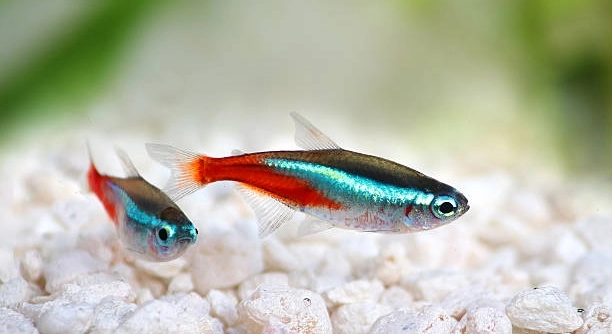
Many aquarium owners notice their tetra swimming close to or rubbing against the glass. This behavior can be puzzling and sometimes concerning. Understanding why it happens helps keep your fish healthy and comfortable in their environment.
Tetras rubbing against the glass often indicate irritation from parasites, poor water quality, or stress. These factors cause discomfort, prompting the fish to scrape themselves against surfaces to relieve itching or remove irritants. Immediate attention to tank conditions is necessary.
Recognizing the causes behind this behavior allows you to take proper steps for your tetra’s well-being and maintain a balanced aquarium environment.
Common Causes of Tetras Rubbing Against the Glass
Tetras often rub against the glass due to irritation caused by parasites such as ich or velvet. These microscopic pests attach to their skin and gills, causing discomfort. Poor water quality is another major factor. High levels of ammonia, nitrites, or nitrates can stress fish and damage their slime coat, making them more vulnerable to infections. Stress from overcrowding or sudden changes in the tank environment can also lead to this behavior. Sometimes, tetras simply swim close to the glass as part of their natural movement, but frequent rubbing is a sign of trouble. Checking water parameters regularly and maintaining good filtration helps prevent these issues. Observing your fish closely can help you detect early signs of illness or stress, making treatment easier and more effective.
Maintaining a clean tank and monitoring water quality can reduce the chances of tetras rubbing against the glass.
Fish rubbing against the glass signals that something in their environment needs attention. Addressing water quality, tank setup, and health can restore comfort. Proper treatment for parasites and reducing stress will improve your tetra’s behavior and overall health.
How to Improve Your Tetra’s Environment
Improving water conditions is the most important step to stop this behavior. Regular water changes, proper filtration, and avoiding overcrowding all contribute to a healthier tank. Tetras need clean, well-oxygenated water with stable temperature and pH levels. Adding live plants can help balance the ecosystem and provide hiding spots, reducing stress. A good diet also supports their immune system, making them less prone to infections. When parasites are present, treatment with appropriate medication is necessary. Always follow dosage instructions carefully. Keeping the tank stable and comfortable is key to preventing tetras from rubbing against the glass and ensuring they thrive in their aquatic home.
Proper care and attention to your aquarium environment keep your tetras comfortable and healthy, minimizing harmful behaviors like rubbing.
Identifying Parasites on Your Tetras
Parasites like ich and velvet are common causes of irritation. These tiny organisms attach to your fish’s skin or gills, causing them to rub against surfaces. They often appear as small white spots or a dusty film on the fish.
When parasites infect your tetras, the fish may show other signs like lethargy, loss of appetite, or rapid breathing. Ich looks like tiny white dots scattered on the body and fins, while velvet appears as a fine, yellowish or rusty coating. Early detection is important to prevent the infection from spreading. Treating the tank with anti-parasitic medications and maintaining good water quality helps eliminate these pests and improves your fish’s health.
Ignoring parasite infections can worsen their condition. Untreated, parasites can cause severe damage to gills and skin, leading to death. Regular observation and quick action are essential for a healthy aquarium.
Monitoring Water Quality and Tank Conditions
Consistent water testing is key to preventing stress and disease in your tetras. Check ammonia, nitrite, nitrate, pH, and temperature regularly to ensure a stable environment. Sudden changes can cause discomfort and abnormal behavior.
Keeping the water clean with frequent partial changes reduces harmful substances and maintains oxygen levels. Proper filtration removes waste, preventing toxic buildup. Overcrowding stresses fish, so keep the tank population balanced for their well-being. A balanced diet and clean surroundings also support immune health. Addressing these factors stops tetras from rubbing against the glass and promotes long-term happiness in the tank.
Stress and Its Impact on Tetras
Stress is a common reason for tetras rubbing against the glass. It can come from sudden changes in water temperature, loud noises, or aggressive tank mates. Stress weakens their immune system, making them more vulnerable to disease.
Creating a calm environment with stable conditions helps reduce stress. Avoid overcrowding and provide hiding spots with plants or decorations to make tetras feel secure.
Treating Parasite Infections
Effective treatment involves using medications designed for common fish parasites. Always follow the instructions on dosage and duration. Remove activated carbon from filters during treatment to allow medicine to work fully.
In addition to medication, improve water quality and maintain a clean tank to help your tetras recover faster and prevent reinfection.
Proper Tank Setup
A well-planned tank setup reduces stress and promotes natural behavior. Provide enough space, stable water conditions, and appropriate companions to keep tetras comfortable.
Signs of Improvement
Once the environment is stable and treatments begin, you should see less rubbing behavior. Healthy tetras swim freely and show normal activity.
FAQ
Why are my tetras rubbing against the glass so often?
Tetras rubbing against the glass frequently usually means they feel irritated or stressed. Common causes include parasites like ich or velvet, poor water quality, or sudden changes in the tank environment. When they rub, they try to relieve itching or remove irritants from their skin. It’s important to check water parameters and look for signs of illness to address the issue quickly.
How can I tell if my tetras have parasites?
Look closely for tiny white spots (ich) or a dusty yellowish film (velvet) on their bodies and fins. Parasites can cause your tetras to scratch themselves on tank surfaces. Other signs include lethargy, loss of appetite, rapid breathing, or clamped fins. Early detection is important because untreated parasites can harm your fish severely.
What should I do if I find parasites on my fish?
Start treatment immediately with anti-parasitic medication made for freshwater fish. Follow the instructions carefully and remove any activated carbon from your filter, as it can absorb the medicine. Also, improve water quality by doing regular water changes and maintaining good filtration. Keeping your tank clean helps speed recovery and prevents reinfection.
Could poor water quality cause my tetras to rub against the glass?
Yes, poor water quality is a leading cause of this behavior. High ammonia, nitrite, or nitrate levels irritate fish skin and gills, causing discomfort. Regular water tests and maintenance, like partial water changes and filter cleaning, keep water safe and reduce stress for your tetras.
How often should I test my aquarium water?
For a healthy tank, test water at least once a week. Check key parameters like ammonia, nitrite, nitrate, pH, and temperature. Sudden shifts in these levels stress fish and may lead to unusual behaviors like rubbing against the glass.
Can tank mates cause my tetras to act stressed?
Yes, aggressive or overly active tank mates can stress tetras, leading to rubbing and hiding. Tetras do best with peaceful companions that won’t bully them. Overcrowding also raises stress levels, so keep the tank population balanced.
Is temperature important for tetra health?
Absolutely. Tetras prefer stable temperatures between 72°F and 80°F (22°C to 27°C). Sudden drops or spikes can stress them, making them rub against surfaces. Use a reliable heater and thermometer to maintain steady warmth.
How can I reduce stress for my tetras?
Keep the environment calm and stable. Avoid loud noises near the tank, provide hiding spots with plants or decorations, and maintain clean water. Feeding a varied, nutritious diet also boosts their immune system and resilience.
What tank size is best for tetras?
A minimum of 20 gallons is recommended for a small group of tetras. More space means less crowding and lower stress. Tetras are schooling fish and feel safer in groups of at least six.
Will tetras stop rubbing against the glass once the problem is fixed?
Yes, once you address the root causes like parasites, water quality, or stress, the rubbing should decrease or stop. Healthy tetras swim normally without scraping themselves on surfaces.
Can rubbing behavior cause harm to my fish?
If left unchecked, excessive rubbing can injure the fish’s skin and fins, making them vulnerable to infections. Prompt care prevents long-term damage and helps maintain their health.
Should I quarantine new fish before adding them to my tank?
Quarantining new fish for at least two weeks helps prevent introducing parasites or diseases to your main tank. It’s a good practice to protect your existing fish and reduce health problems.
Is it normal for tetras to occasionally rub against the glass?
Occasional rubbing can happen as part of normal behavior. However, frequent or aggressive rubbing is a sign that something is wrong and needs attention.
How long does it take for tetras to recover from parasite treatment?
Recovery time depends on the parasite and treatment used, but most fish start to improve within a few days to a week after proper care begins. Maintaining good tank conditions speeds healing.
Can changing water too often stress tetras?
Rapid or large water changes can cause stress due to sudden shifts in water parameters. It’s better to perform smaller, regular partial changes, about 20-30% weekly, to keep the environment stable.
What diet supports a healthy immune system in tetras?
A varied diet with high-quality flakes, pellets, and occasional live or frozen foods like brine shrimp or daphnia strengthens immunity. Avoid overfeeding, which can pollute the water and harm fish health.
Are there any natural remedies for parasite infections?
Some aquarium owners use salt baths or aquarium salt to help treat mild parasite problems. However, salt is not effective against all parasites, so medication is often necessary. Always research before trying alternative treatments.
How can I prevent parasites from coming back?
Maintain clean water, avoid overcrowding, quarantine new fish, and feed a healthy diet. Regular tank maintenance and monitoring help catch problems early before parasites take hold.
What signs show that my tetra is healthy?
Healthy tetras swim actively, have bright colors, clear eyes, and smooth fins. They eat well and interact with tank mates. No rubbing or scratching is a good sign of comfort.
Can stress cause other health problems in tetras?
Yes, chronic stress lowers immunity, making fish prone to infections, fin rot, and internal diseases. Keeping a stable environment is crucial for preventing these issues.
When tetras rub against the glass, it usually means they are uncomfortable or stressed. This behavior should not be ignored because it often points to issues that affect their health. Parasites, poor water quality, and stress are common reasons why fish behave this way. Taking time to observe your fish and check the tank conditions can help you identify the problem early. A healthy tank with clean water, stable temperature, and good filtration creates a better environment for your tetras to thrive and avoid discomfort.
Caring for tetras requires attention to many small details. Regular water testing and changes keep harmful chemicals low and water fresh. Providing enough space and peaceful tank mates lowers stress levels for your fish. Watching for signs of illness or unusual behavior like rubbing against the glass helps catch problems before they get worse. If parasites are the cause, proper treatment with medication is important to clear the infection. All these efforts combined support your tetras’ overall health and help them live longer, happier lives.
Understanding why your tetras rub against the glass is the first step toward solving the issue. It is not always easy to spot the cause, but patience and careful care make a difference. Improving water quality, controlling stress, and treating any diseases can restore your fish’s comfort. A balanced aquarium environment encourages natural behavior and reduces harmful habits. With consistent care, your tetras will be less likely to rub against the glass and more likely to display vibrant colors and active swimming. This leads to a more enjoyable and peaceful aquarium experience for both you and your fish.

Hello,
If you enjoy the content that we create, please consider saying a "Thank You!" by leaving a tip.
Every little bit helps us continue crafting quality advice that supports the health, happiness, and well-being of pets around the world, for pets of all shapes, sizes, and species.
We really appreciate the kindness and support that you show us!