
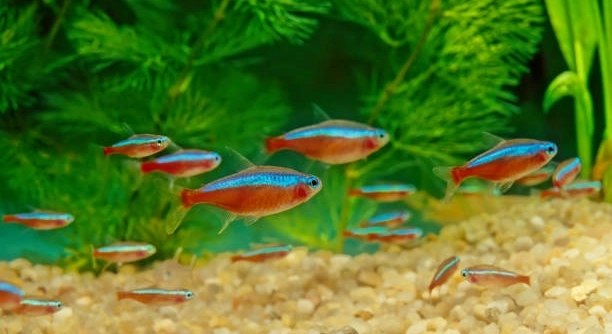
Cycling a Tetra tank is essential before adding fish to create a healthy environment. Many new aquarium owners want to speed up this process without risking water quality. Proper cycling helps establish beneficial bacteria that keep fish safe.
The fastest way to cycle a Tetra tank involves methods that encourage the growth of nitrifying bacteria, such as using filter media from an established tank, adding bottled bacteria supplements, and performing regular water testing. These techniques reduce the time needed to build a stable nitrogen cycle.
Learning these quick and reliable cycling methods will help you set up your Tetra tank with confidence and promote a thriving aquatic home.
Use Established Filter Media
Using filter media from an already established aquarium is one of the easiest ways to speed up the cycling of your Tetra tank. This media contains colonies of beneficial bacteria that are already active. By transferring a small amount from a healthy tank, you introduce these bacteria into your new setup. It helps start breaking down ammonia and nitrites faster than waiting for bacteria to develop from scratch. Just be sure the source tank is healthy to avoid bringing in harmful pathogens. Place the media inside your new filter to maximize contact with the water. This method can significantly reduce cycling time from weeks to just a few days. While doing this, keep testing your water regularly to track ammonia, nitrite, and nitrate levels. This ensures the cycle is progressing well and your fish will have a safer environment once introduced.
This approach requires minimal extra effort but gives fast and reliable results. It’s a practical step if you have access to an established tank.
Remember, proper care during this phase helps avoid stress and health issues in your fish later on.
Add Bacterial Supplements
Bacterial supplements are specially designed products that add live nitrifying bacteria to your aquarium. These supplements jump-start the nitrogen cycle, helping to convert harmful ammonia into less toxic substances quickly. Many aquarium keepers use them to reduce the waiting time involved in tank cycling. These products are easy to use; you simply add the recommended dose to your tank water. However, their effectiveness depends on proper water conditions like temperature and pH. While supplements can speed things up, they are most effective when combined with other cycling methods like using filter media or adding an ammonia source.
When using bacterial supplements, it’s important to keep monitoring your water to ensure the cycle completes properly. This way, you’ll know when the tank is ready for your Tetras.
Consistent testing helps prevent premature introduction of fish, which can cause health problems.
Using supplements is a helpful step but not a complete replacement for good tank maintenance.
Combining supplements with other strategies improves success in cycling your Tetra tank fast.
Proper timing and care make a big difference in the overall tank health.
This method saves time but still requires patience and attention.
Keeping your tank clean and stable will support the bacteria growth you’re encouraging.
Adding supplements can be a great option when you want a faster, safer setup.
Make sure to follow the product instructions carefully to avoid upsetting your tank’s balance.
Use an Ammonia Source
Adding an ammonia source is necessary to feed the beneficial bacteria during cycling. Pure ammonia or fish food can be used for this purpose.
Using pure ammonia is a straightforward way to supply ammonia without harming fish. It provides a controlled amount that bacteria can consume and convert. Alternatively, adding a small amount of fish food breaks down naturally and releases ammonia over time. Both methods stimulate bacteria growth, speeding up the cycle. Careful measurement is important to avoid ammonia spikes, which can slow progress or damage equipment. Testing water daily helps maintain safe ammonia levels and confirms the cycle is moving forward. Whichever method you choose, consistency is key to establishing a strong bacterial colony.
Tracking ammonia, nitrite, and nitrate levels during this process lets you know when your tank is ready. Proper cycling creates a safer home for your Tetras by removing harmful toxins efficiently.
Maintain Optimal Temperature
Maintaining the right temperature helps bacteria grow faster. Ideally, keep your tank between 75°F and 85°F (24°C to 29°C) during cycling.
Warmer water speeds up the metabolism of nitrifying bacteria, reducing cycling time. If the tank is too cold, bacteria grow slowly, extending the process. Use a reliable aquarium heater to maintain a stable temperature in this range. Avoid sudden temperature changes, as they can stress bacteria and slow their growth. Consistent warmth creates a favorable environment for rapid bacterial colonization on your filter media and tank surfaces. Monitoring the temperature daily ensures conditions remain steady. Maintaining optimal temperature is a simple yet effective way to encourage a quicker and healthier cycle, preparing your tank for your Tetras. This small step supports a smooth transition from setup to a thriving aquarium.
Perform Regular Water Testing
Regular water testing is essential during tank cycling to track ammonia, nitrite, and nitrate levels. It helps identify when the tank is safe for fish.
Using test kits daily provides clear data on water quality. This allows you to adjust your cycling methods if levels become unsafe, ensuring a healthier environment for your Tetras.
Avoid Overcleaning the Tank
Overcleaning removes beneficial bacteria needed for cycling. Avoid changing all the water or cleaning filter media too thoroughly during this phase.
Gentle maintenance helps preserve the bacteria colonies, allowing them to establish and grow steadily. This balance supports a faster and safer cycle for your Tetra tank.
Use a Water Conditioner
Water conditioners remove harmful chlorine and chloramine from tap water, protecting beneficial bacteria and fish. Conditioning water before adding it is necessary.
Using a conditioner that neutralizes these chemicals helps maintain bacteria health during cycling. It also makes the environment safer for fish when they are introduced, ensuring a smooth transition.
FAQ
How long does it usually take to cycle a Tetra tank?
Cycling a Tetra tank typically takes between two to six weeks. The exact time depends on the methods used, water conditions, and whether you introduce beneficial bacteria or rely on natural cycling. Using established filter media or bacterial supplements can shorten this period to just a few days or a week. Patience is important because rushing the process can harm your fish.
Can I add fish before the cycle is complete?
Adding fish before the nitrogen cycle finishes is risky. Ammonia and nitrite levels are usually high during cycling, which are toxic to fish. If you must add fish early, choose hardy species and prepare for frequent water changes to keep toxins low. However, it’s best to wait until test kits show zero ammonia and nitrites for a safer environment.
What is the nitrogen cycle, and why is it important?
The nitrogen cycle is the process where beneficial bacteria convert toxic ammonia from fish waste into nitrites, then into less harmful nitrates. This cycle keeps the tank water safe for fish by preventing toxic buildups. Without it, ammonia and nitrite levels rise quickly, causing stress or death to your Tetras.
How often should I test my water during cycling?
Testing your water daily or every other day is ideal during cycling. This helps track the levels of ammonia, nitrites, and nitrates to see if the cycle is progressing. Frequent testing allows you to adjust feeding, water changes, or bacterial additions to keep the cycle on track.
Can I speed up the cycling process naturally?
You can speed up cycling by adding filter media from an established tank, using bacterial supplements, or adding a consistent ammonia source like fish food or pure ammonia. Keeping the temperature warm and avoiding overcleaning also help. These steps create a healthy environment for bacteria to grow quickly and start breaking down toxins.
What should I do if ammonia or nitrite levels get too high?
If ammonia or nitrite spikes, perform partial water changes to reduce toxins. Avoid adding fish during this time to prevent stress. You can also reduce feeding and increase aeration to support bacteria and fish health. Keeping an eye on water parameters helps prevent dangerous buildups.
Is it necessary to use a water conditioner?
Yes, using a water conditioner is important to remove chlorine and chloramine from tap water. These chemicals can kill beneficial bacteria and harm fish. Conditioning your water ensures the bacteria colonies survive and your Tetras stay healthy once introduced.
Why does the cycling process sometimes fail?
Cycling can fail if bacteria don’t establish properly due to cold temperatures, frequent water changes, or adding chemicals that harm bacteria. Overcleaning filter media or using untreated tap water can also disrupt the cycle. Maintaining stable conditions and avoiding sudden changes supports successful cycling.
Can I cycle a tank without any fish?
Yes, fishless cycling is recommended to avoid exposing fish to toxic ammonia and nitrites. You add a pure ammonia source to feed bacteria instead of live fish waste. This method is safer for your Tetras and allows you to control the process more precisely.
How do I know when the cycle is complete?
The cycle is complete when tests show zero ammonia and nitrites, and rising nitrate levels appear. This means beneficial bacteria are fully established and efficiently processing waste. At this point, your tank is ready for fish introduction.
Should I clean the filter during cycling?
Avoid cleaning the filter too thoroughly during cycling. The filter media houses beneficial bacteria essential to the process. Rinse the media gently in tank water to remove debris but preserve bacteria colonies. Overcleaning delays cycling and harms tank stability.
Final Thoughts
Cycling your Tetra tank is a necessary step to create a healthy environment for your fish. It might feel slow or frustrating at times, but it is important to give the beneficial bacteria time to grow and establish. These bacteria help break down harmful ammonia and nitrites that come from fish waste and uneaten food. Without this process, your fish could become sick or even die from poor water quality. Taking the time to properly cycle your tank before adding fish is a way to protect them and ensure they live comfortably.
There are many methods to speed up cycling, like using filter media from an established tank, adding bacterial supplements, or feeding an ammonia source. Each method helps grow bacteria faster, reducing the waiting time. Maintaining proper temperature and avoiding overcleaning also supports this process. Regular water testing is important to track progress and know when the cycle is complete. Although it may seem like a lot of work, following these steps carefully helps avoid problems later and creates a safe home for your Tetras. Being patient and attentive during cycling will pay off with a strong, balanced tank.
Remember, the health of your fish depends on good water quality, which comes from a fully cycled tank. Rushing or skipping cycling can lead to stress and illness for your fish. By understanding and managing the nitrogen cycle, you give your aquarium the best start. The effort you put into cycling now makes caring for your Tetras easier and more rewarding. With a bit of patience and simple care, your tank will become a thriving, beautiful aquatic space where your fish can grow and be happy.

Hello,
If you enjoy the content that we create, please consider saying a "Thank You!" by leaving a tip.
Every little bit helps us continue crafting quality advice that supports the health, happiness, and well-being of pets around the world, for pets of all shapes, sizes, and species.
We really appreciate the kindness and support that you show us!