
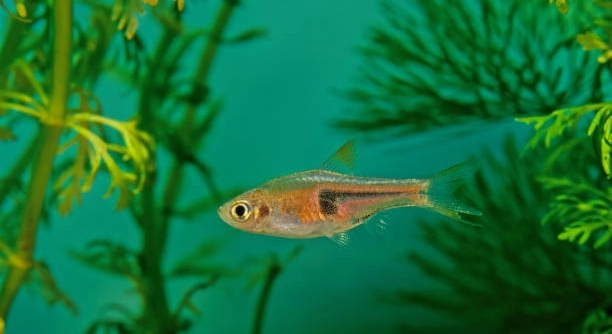
Early breeding signs often appear quietly and are easy to overlook during daily care routines. Recognizing these changes helps owners respond calmly, protect wellbeing, and prepare responsibly before behaviors intensify or risks increase significantly overall.
The earliest breeding signs are typically behavioral shifts, hormonal changes, and subtle physical cues. These indicators reflect reproductive readiness and environmental triggers. Observing them early supports appropriate management decisions, reduces stress, and allows timely intervention when necessary for animals involved.
Learning how these signs develop can help you act thoughtfully, creating safer outcomes and clearer expectations throughout the breeding process.
Increased Restlessness and Vocal Behavior
One of the earliest signs of breeding readiness is noticeable restlessness during normally calm periods. Movement becomes frequent, pacing increases, and sleep patterns may shift slightly. This behavior is often paired with heightened awareness of surroundings and repeated attempts to seek attention. In females, this change can appear suddenly and persist for several days. It is driven by hormonal fluctuations rather than discomfort or boredom. Owners may notice less interest in routine activities and more time spent exploring enclosed spaces. These behaviors are subtle at first, yet they tend to intensify if left unrecognized. Observing when and how often this restlessness occurs helps distinguish breeding behavior from stress or environmental changes, allowing for a more accurate response and better daily management overall. Consistency in daily observation plays an important role in noticing these shifts early and preventing confusion with temporary behavioral reactions that may appear unrelated at first to owners.
Vocal changes often accompany restlessness and may include louder sounds, repeated calls, or unusual tones. These vocal behaviors usually follow a pattern and occur more frequently during specific times, signaling internal hormonal shifts rather than random expression. They should be noted alongside other physical and behavioral indicators for accuracy purposes.
Keeping track of daily behavior helps reduce misinterpretation and unnecessary concern. Writing brief notes about activity levels, sounds, and timing creates useful patterns over time. These records support informed decisions, especially when changes appear gradual. Small adjustments to environment or routine may ease restlessness, yet observation remains the priority. Acting too quickly without confirmation can increase stress for both owner and animal. A calm, steady approach allows breeding signs to be managed responsibly while maintaining consistent care and stable living conditions. This balance supports long-term wellbeing and clearer understanding of natural reproductive cycles within domestic care settings for owners everywhere.
Physical Changes in Appearance
Subtle physical changes may develop as breeding readiness increases, including swelling, posture differences, or changes in grooming habits. These shifts often appear gradually and are easy to dismiss. Paying attention to small details helps distinguish natural reproductive signs from unrelated physical variations during routine care observations at home over time.
Physical indicators linked to breeding are often influenced by hormonal activity and seasonal conditions. In females, changes may include mild swelling around reproductive areas, increased grooming, or shifts in body positioning when resting. These signs rarely appear in isolation and are best assessed alongside behavior. Lighting, temperature, and diet can affect how noticeable these changes become. Because of this, context matters greatly. Sudden physical changes paired with restlessness usually point toward reproductive readiness rather than health problems. However, consistency is key. Monitoring appearance over several days prevents overreaction to temporary changes. Avoid excessive handling during this period, as sensitivity may increase. Maintaining regular feeding, cleaning routines, and quiet observation supports comfort. When physical changes persist or intensify, it becomes easier to determine whether breeding management steps are required. This steady approach helps owners remain confident, attentive, and prepared without disrupting normal care practices. It also reduces unnecessary worry by providing clear reference points and encourages patience when signs develop slowly and unevenly over time within a controlled and familiar environment. Careful observation supports responsible decisions and helps avoid assumptions that could lead to improper responses during sensitive breeding periods for animals under routine supervision in domestic settings with attentive care.
Changes in Appetite and Eating Patterns
Appetite changes often appear early, with meals eaten faster, slower, or skipped entirely. Portions may vary daily, and interest in treats can shift. These adjustments are linked to hormonal changes rather than preference, making consistent monitoring important during routine feeding times. This pattern helps owners notice timing differences more clearly.
During breeding readiness, food responses can become unpredictable but follow subtle patterns. Some days show increased hunger, while others show brief disinterest. This fluctuation reflects internal hormone regulation rather than stress or illness. I have found that keeping meals consistent in type and timing makes changes easier to notice. Avoid switching foods during this phase, as it can blur natural signals. Water intake may also increase slightly, especially during warmer periods. Tracking intake for several days provides a clearer picture and reduces unnecessary concern when changes appear gradual instead of sudden. This approach supports calm observation without rushing decisions unnecessarily.
Minor appetite changes alone are not a reason to intervene. They become meaningful when paired with restlessness, vocal behavior, or physical signs already discussed. I tend to watch patterns rather than single meals. One skipped feeding rarely signals anything important. Repeated changes over time carry more weight. Maintaining a calm routine helps prevent added stress that can exaggerate behaviors. If appetite drops sharply or stops completely, it should be addressed separately. Breeding-related changes remain moderate and temporary, returning to normal once hormonal levels stabilize and daily rhythms settle again with consistent care and patient observation from attentive owners over time.
Increased Attention Seeking
Attention-seeking behavior often increases as breeding signs develop. Closer following, repeated proximity, and demand for interaction become more frequent. This behavior is not always affectionate but hormonally driven. I notice it most during quiet hours when stimulation is low. It tends to appear alongside restlessness and fades once energy levels balance. Recognizing this shift helps prevent mislabeling it as behavioral regression. Consistent boundaries and calm responses support stability during this phase without confusion or stress.
Heightened attention seeking may include nudging, positioning near doors, or staying unusually close. This behavior reflects internal readiness rather than a need for training correction. I try to respond calmly without reinforcing constant demands. Overreacting can intensify the pattern. Providing predictable interaction times helps set gentle limits while meeting comfort needs. Environmental enrichment also plays a role, as mental engagement reduces fixation. These behaviors usually peak briefly, then decline as hormonal balance shifts. When paired with other breeding indicators, they offer useful confirmation. Observing frequency and duration matters more than intensity. A steady routine keeps interactions positive and prevents unnecessary frustration for both owner and animal. This awareness supports confidence and reduces misinterpretation during sensitive breeding periods through consistent observation and measured daily responses overall.
Scent Marking and Territorial Shifts
Breeding readiness often brings noticeable changes in scent marking and territorial behavior. Areas may be revisited repeatedly, and marking becomes more frequent. This behavior reflects hormonal signaling rather than defiance. I usually notice it appear suddenly and remain consistent for several days before easing naturally with minimal external influence observed.
Territorial shifts may include guarding spaces or increased awareness of movement nearby. These actions are instinctive and temporary. I avoid correcting them harshly and instead maintain structure. Clear routines and calm supervision help prevent escalation while allowing natural behaviors to pass without disruption during sensitive breeding phases over time safely.
Posture and Body Language Changes
Another early sign appears through posture and body language changes. Movement may become deliberate, with longer pauses and altered positioning during rest. I often notice this when daily routines remain unchanged. These shifts reflect internal hormonal cues rather than discomfort. Observation over several days helps confirm patterns. Lighting, temperature, and environment influence visibility of these changes. Avoid excessive handling, as sensitivity may increase slightly. Allowing space while maintaining normal care supports comfort. When combined with behavioral signs, body language offers reliable insight into breeding readiness without requiring immediate intervention or unnecessary adjustments during typical domestic care settings over time consistently.
Shifts in Sleep Patterns
Subtle changes in daily sleep patterns may also signal breeding readiness. Rest periods can shorten or shift timing. I usually see this alongside restlessness. Maintaining consistent lighting and schedules helps stabilize routines while allowing natural cycles to progress without added stress during sensitive reproductive phases over time calmly observed daily.
FAQ
How early can breeding signs appear before actual mating behavior begins?
Breeding signs can appear weeks before any mating behavior occurs. Hormonal changes start internally and slowly influence behavior, appetite, and routines. I usually notice small shifts first, such as restlessness or altered sleep, long before anything obvious happens. These early signs often come and go before settling into a clearer pattern. Timing varies depending on age, environment, and seasonal factors. Recognizing early signs helps avoid confusion later and allows owners to stay prepared without acting too quickly. Early awareness supports calm observation rather than rushed decisions.
Are these signs the same for every animal?
Not every animal shows breeding signs the same way. Some display clear behavioral changes, while others remain subtle. I have seen animals show only one or two signs, while others show several at once. Personality, past experiences, and environment all influence how signs appear. This is why patterns matter more than single behaviors. Comparing daily routines over time provides better insight than relying on one visible change alone. Consistency helps separate breeding signs from stress or temporary disruption.
Can breeding signs be mistaken for stress or health issues?
Yes, breeding signs can resemble stress or mild health concerns. Changes in appetite, sleep, or behavior may overlap. The difference lies in consistency and combination. Breeding signs usually follow a predictable pattern and remain moderate. Stress-related behaviors often escalate quickly or appear alongside environmental changes. I focus on timing, duration, and whether multiple signs appear together. If something feels sudden or extreme, it should be addressed separately. Calm observation helps prevent unnecessary worry.
Should routines change once breeding signs appear?
Routines should remain stable when breeding signs appear. Consistency provides comfort and reduces added stress. I avoid changing feeding times, environments, or handling habits during this phase. Adjustments can blur natural signals and increase confusion. Simple observation works best. Maintaining structure allows behaviors to settle naturally and makes it easier to recognize when changes are related to breeding rather than routine disruption.
Is increased attention seeking a problem behavior?
Increased attention seeking during breeding readiness is normal and temporary. It reflects hormonal changes rather than training issues. I respond calmly without reinforcing constant demands. Gentle boundaries help maintain balance. Ignoring the behavior completely can increase frustration, while overreacting can intensify it. Predictable interaction times usually help. This phase passes as hormone levels stabilize, especially when routines stay consistent.
How long do early breeding signs usually last?
Early breeding signs may last several days to a few weeks. Duration depends on individual cycles and environmental conditions. Some signs fade quickly, while others remain steady before progressing. I find that early signs are often the most subtle and easiest to miss. Tracking changes over time gives a clearer picture and prevents overreaction to brief fluctuations that resolve naturally.
Can diet influence breeding behavior?
Diet does not cause breeding behavior, but it can influence how noticeable signs become. Consistent nutrition supports stable energy levels and makes changes easier to detect. I avoid altering food during this period unless necessary. Sudden dietary changes can create misleading behaviors that mimic breeding signs. A steady diet supports accurate observation and overall wellbeing.
Is scent marking always linked to breeding?
Scent marking often increases during breeding readiness, but it can also relate to environmental changes. The key difference is repetition and timing. Breeding-related marking tends to follow a consistent pattern and appears alongside other signs. I usually observe where and when it happens. Temporary marking after cleaning or rearranging spaces is less concerning and often resolves quickly.
When should breeding signs be addressed or managed?
Breeding signs should be managed through observation first. Immediate intervention is rarely necessary unless behaviors escalate or create safety concerns. I focus on confirming patterns before taking action. Early awareness allows preparation without stress. If breeding is not intended, management steps can be planned calmly once signs are clear and consistent.
Can breeding signs stop on their own?
Yes, early breeding signs often ease on their own as hormonal levels shift. Not every cycle progresses fully. I have seen signs appear briefly and then disappear without intervention. This is why patience matters. Watching patterns over time prevents unnecessary changes and supports confident decision-making.
Final Thoughts
Early breeding signs often appear quietly and without clear boundaries, making them easy to overlook or misunderstand. Small changes in behavior, appetite, movement, or routine can seem harmless when viewed alone. When observed together and over time, they provide meaningful insight into natural reproductive cycles. Paying attention does not require constant monitoring or intervention. It simply asks for steady awareness and consistency. I have learned that remaining calm and observant allows patterns to become clearer without adding unnecessary stress. These signs are not problems to solve but signals to understand. Recognizing them early helps owners respond thoughtfully instead of reacting out of uncertainty. A stable environment, predictable routines, and patient observation support both wellbeing and clarity. This approach builds confidence and reduces misinterpretation when changes appear gradually.
Understanding breeding behavior also helps prevent confusion between natural cycles and unrelated concerns. Many signs overlap with stress or environmental shifts, which is why context matters. Timing, repetition, and combinations of behaviors tell a more complete story than isolated moments. I find it helpful to focus on patterns rather than individual days. One skipped meal or restless evening rarely means much on its own. When changes persist and align with known breeding indicators, they become easier to interpret. This mindset prevents overcorrection and allows natural processes to unfold without disruption. It also encourages owners to trust their observations and instincts while remaining grounded in consistency. Clear understanding supports responsible decisions, whether breeding is planned or not.
Taking a measured approach benefits everyone involved. Animals respond best to stability, and owners benefit from clarity and preparation. Early awareness does not require action, only readiness. It creates space to plan, adjust expectations, and maintain care without pressure. I have found that patience is one of the most valuable tools during these periods. Breeding signs follow cycles, not schedules, and they rarely demand immediate change. Allowing time for observation leads to better outcomes and fewer mistakes. With steady routines, clear boundaries, and calm attention, these signs become easier to manage and understand. This balance supports long-term wellbeing and helps owners feel informed rather than overwhelmed when natural changes occur.

Hello,
If you enjoy the content that we create, please consider saying a "Thank You!" by leaving a tip.
Every little bit helps us continue crafting quality advice that supports the health, happiness, and well-being of pets around the world, for pets of all shapes, sizes, and species.
We really appreciate the kindness and support that you show us!