
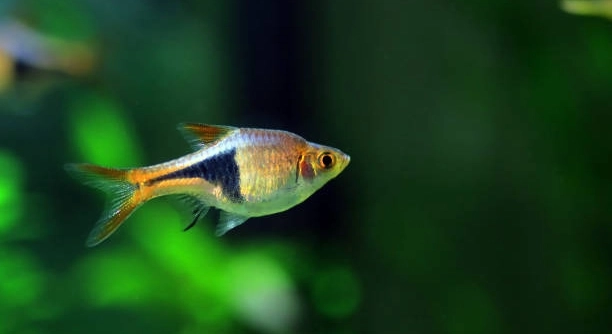
Many aquarium owners enjoy watching their rasboras swim gracefully, but sometimes these small fish avoid areas with bubbles. Observing this behavior can feel confusing, especially when your tank is otherwise healthy and well-maintained.
Rasboras often avoid bubbles due to strong water currents, stress, or improper oxygenation levels. These fish prefer calm, stable areas where they can swim comfortably without being disturbed by excessive turbulence or sudden changes in water flow.
Understanding why rasboras behave this way can help improve their environment and overall well-being, ensuring a more peaceful and balanced aquarium for your small, active fish.
Understanding Bubble Behavior in Your Tank
Bubbles in an aquarium come from filters, air stones, or decorations designed to aerate water. While they help circulate oxygen, too many or too strong can stress small fish like rasboras. These fish are naturally timid and prefer calm areas to swim and feed. Watching them avoid bubbling zones is a sign that the current or bubble size may be too intense. Adjusting the flow can create a more comfortable environment. Observation is key—notice where they spend most of their time and which areas they avoid. This behavior is common and does not always indicate poor water quality. Gradually reducing bubble strength or repositioning air stones often encourages rasboras to explore more freely. A well-balanced tank combines oxygenation with gentle currents that match the species’ swimming habits, ensuring they remain active and healthy without unnecessary stress.
Bubbles can be more stressful than helpful if they overwhelm small, delicate fish. Adjustments improve comfort.
Regular monitoring of bubble patterns and fish behavior ensures the tank remains stable. Moving equipment or modifying output helps create calm zones. Additionally, varying the tank layout, such as adding plants or hiding spots, provides security. When rasboras feel safe, they interact more with the environment, feeding actively and swimming with ease. Simple changes in water flow and decoration placement often produce noticeable results in behavior within a few days. By balancing oxygenation with gentle currents, the tank supports both the biological needs of the fish and their natural instincts. Over time, observing their routines can guide further refinements, making sure every fish has access to suitable areas without fear of strong turbulence. This proactive approach prevents stress-related issues and encourages healthy, vibrant fish.
Adjusting the Tank for Comfort
Small adjustments can make a big difference in fish behavior and comfort.
Start by lowering filter output or repositioning air stones. Gradually reduce strong currents that push water toward open swimming areas. Introduce plants, rocks, or other decorations to break the flow and create calm pockets for rasboras to explore. Observe their response over several days, noting changes in swimming patterns or feeding habits. In some cases, splitting filtration with multiple smaller outputs instead of one strong stream helps distribute bubbles evenly. Regular tank maintenance, including checking water quality, ensures fish remain healthy while benefiting from sufficient oxygenation. Patience and careful observation are key to finding the right balance for rasboras. Over time, these simple adjustments lead to calmer fish, more interaction, and a visually appealing aquarium where bubbles contribute to circulation rather than stress.
Common Stress Factors for Rasboras
Stress in rasboras often comes from sudden changes in water temperature, strong currents, or overcrowding. These conditions make them avoid active areas, including zones with bubbles. Keeping the tank stable helps them swim freely and reduces erratic behavior.
Overcrowding increases stress and competition for food and space. Rasboras thrive when given enough room to move in groups without feeling threatened. Strong water flow from filters or air stones can also push them toward calmer areas, which is often why they avoid bubbles. Gradually acclimating fish to new tanks and maintaining consistent water conditions helps reduce stress. Providing hiding spots and gentle current areas encourages natural schooling behavior and makes them feel secure. Stress can affect feeding, coloration, and overall health, so addressing these factors early is crucial for a thriving aquarium.
Other environmental issues like fluctuating pH, low oxygen levels, or poor tank layout contribute to stress. Dense decorations can create shadows and uneven flow, while sparse setups leave them exposed. By adjusting water parameters and creating balanced areas for swimming and hiding, rasboras feel safer and are more likely to explore the whole tank. Observing their reactions to changes allows gradual improvements in their habitat, ensuring stress-free conditions and promoting healthy activity.
Optimizing Bubble Placement
Positioning bubbles in less trafficked areas can improve comfort for rasboras. Avoid placing air stones directly in main swimming zones to reduce stress and encourage exploration.
Rearranging tank equipment can help balance oxygenation without disturbing fish. Placing air stones near plants or corners creates gentle circulation while leaving open swimming spaces calm. Experimenting with output levels ensures bubbles provide oxygen without generating strong currents that push rasboras away. Incorporating driftwood, rocks, or floating plants breaks the flow, giving fish multiple calm areas to rest. Over time, adjusting placement and flow allows the aquarium to maintain healthy oxygen levels while supporting natural swimming and feeding behavior. Tracking fish behavior after changes ensures the environment meets both biological needs and comfort preferences.
Water Flow and Rasbora Comfort
Strong water currents make rasboras avoid bubbles and crowded areas. They prefer gentle movement that allows them to swim naturally without struggling.
Slowing down filter output or redirecting flow can help create calmer zones. Rasboras respond quickly to gentle water conditions and feel safer exploring the tank.
Using Plants to Reduce Stress
Plants act as natural barriers that soften water movement and create hiding spots. Dense or floating plants can break bubble flow, giving rasboras calm areas to rest. They also provide visual security, reducing anxiety and encouraging natural swimming patterns, especially near air stones or other sources of bubbles.
Monitoring Oxygen Levels
Proper oxygen levels prevent rasboras from avoiding bubbles entirely. Too low or high oxygen can disrupt their behavior and feeding patterns. Regular testing and adjusting aeration ensures fish remain healthy and comfortable in all areas of the tank.
FAQ
Why are my rasboras avoiding the bubbles even when the tank looks fine?
Rasboras are sensitive to strong currents and excessive movement in the water. Even if the tank appears healthy, the force of bubbles or rapid water flow can stress them. They naturally seek calmer areas to conserve energy and feel secure. Small adjustments to bubble output or placement often resolve this behavior quickly.
Can the size of bubbles affect rasbora behavior?
Yes, large bubbles can be intimidating for small fish. Tiny bubbles spread gently throughout the tank are less likely to cause stress. Adjusting air stones, using diffusers, or repositioning decorations can help create a more comfortable environment for swimming.
Do all rasboras react the same way to bubbles?
No, some species are more timid than others. Harlequin rasboras, for example, tend to avoid strong currents more than cherry rasboras. Observing the specific species in your tank helps determine the right bubble intensity and placement.
Could water temperature or quality be a reason?
Absolutely. Rasboras prefer stable temperatures and clean water. Sudden changes in temperature, pH, or ammonia levels can make them avoid active areas, including zones with bubbles. Regular testing and consistent maintenance reduce stress and encourage normal swimming patterns.
Do hiding spots help with bubble avoidance?
Yes, adding plants, rocks, or driftwood provides safe areas away from bubbles. Rasboras feel more confident exploring the tank when they have calm zones to retreat to, which reduces overall stress and supports healthy activity.
Can overcrowding influence bubble avoidance?
Overcrowding increases stress and competition for space, making rasboras avoid areas with movement. Maintaining appropriate stocking levels allows fish to swim freely and reduces avoidance behavior near air stones or strong currents.
How long does it take for rasboras to adjust to changes?
Adjustment varies but usually takes a few days to a week. Gradual modifications in bubble strength, flow direction, and hiding spaces help fish acclimate without stress, allowing them to return to normal behavior naturally.
Is it necessary to move air stones if my fish avoid them?
Yes, relocating air stones to corners or areas less frequented by rasboras can reduce stress. Gentle placement ensures bubbles still provide oxygenation while leaving calm spaces for the fish to swim and interact comfortably.
Will rasboras ever completely ignore bubbles?
In some cases, timid individuals may continue avoiding active zones. Providing multiple calm pockets and slow, dispersed bubbles encourages exploration, but some fish will naturally prefer quieter areas, which is normal behavior.
Does diet affect their response to bubbles?
Not directly, but healthy, well-fed rasboras are generally more active and confident. Nutritional stress or insufficient feeding can make them more sensitive to environmental factors, including bubbles and currents, causing them to hide more often.
Can frequent observation help improve their comfort?
Yes, monitoring fish behavior allows you to identify stress triggers quickly. By noting where they spend time and how they react to bubbles, you can make incremental adjustments in flow, decoration, or oxygenation, creating a safer and more balanced tank.
Do plants alone solve bubble avoidance issues?
Plants help by softening flow and offering shelter, but they are most effective when combined with adjusted bubble placement and water flow. Using both strategies ensures rasboras feel secure without compromising oxygen levels or tank circulation.
Are there signs that avoidance is due to illness rather than bubbles?
Yes. If rasboras show lethargy, loss of appetite, discoloration, or clamped fins, it may indicate illness rather than environmental stress. Testing water parameters and observing for disease symptoms can distinguish between health issues and bubble-related avoidance.
Can bubble intensity be adjusted without affecting oxygen levels?
Yes, splitting bubble output across multiple smaller air stones or using diffusers distributes oxygen evenly without creating strong currents. This ensures rasboras remain comfortable while maintaining proper tank aeration.
Do younger rasboras react differently than adults?
Juveniles are often more sensitive to bubbles and currents because of their smaller size and weaker swimming abilities. Providing extra calm areas and reducing bubble intensity is especially important for young fish to prevent stress.
How often should I check their behavior around bubbles?
Daily observation is ideal, especially after any adjustments in bubble placement, flow, or tank layout. Regular monitoring helps detect stress early and ensures rasboras remain comfortable and active in their environment.
Can adding floating plants improve comfort further?
Yes, floating plants break water flow and provide shade, creating calmer surface zones. Rasboras can use these areas to rest or explore without being pushed by strong bubbles, enhancing overall tank harmony.
Are there bubble types that rasboras tolerate better?
Fine, dispersed bubbles or gentle streams are preferable to large, forceful bubbles. They provide oxygenation without creating turbulence, allowing rasboras to swim freely and use most areas of the tank comfortably.
Does tank size influence bubble avoidance?
Smaller tanks amplify bubble flow, making currents stronger relative to space. Larger tanks allow bubbles to disperse, creating calmer zones. Understanding tank dimensions helps balance aeration with the comfort of rasboras.
Can a combination of these adjustments completely eliminate avoidance?
Often, a mix of slower flow, careful bubble placement, plants, and calm zones reduces avoidance significantly. While some fish may naturally prefer calmer areas, these measures maximize comfort and encourage more active, confident swimming.
Final Thoughts
Rasboras are small, active fish that bring life and movement to any aquarium. Their behavior can sometimes be confusing, especially when they avoid areas with bubbles or strong water currents. This avoidance is usually not a sign of illness but rather a response to environmental conditions that feel uncomfortable or stressful to them. Understanding their preferences for calm, gentle water flow is essential for creating a healthy and balanced tank. By paying attention to their behavior, tank owners can adjust conditions to suit their natural instincts, allowing the fish to swim freely, feed comfortably, and interact with their surroundings in a more relaxed manner.
Creating a comfortable environment for rasboras involves several small but important adjustments. Bubble intensity, water flow, and air stone placement all play a role in how these fish perceive their tank. Dense or floating plants, driftwood, and other decorations can create safe zones, offering hiding spots and calm areas for resting or schooling. Proper tank maintenance, including regular water testing and filtration adjustments, ensures that conditions remain stable and suitable for these sensitive fish. Gradual changes are better than sudden ones, as rasboras respond more positively to incremental adjustments in their habitat. These steps not only reduce stress but also promote natural behaviors, making the tank more visually appealing and enjoyable to watch.
It is important to remember that each tank and each group of rasboras can be slightly different. Factors like species, tank size, and the number of fish all influence how they respond to bubbles and water movement. Some rasboras may continue to prefer quieter zones, while others might explore more freely once conditions are balanced. Observing and responding to their needs ensures a healthier, more active community. With patience and attention, it is possible to create a tank where rasboras feel secure, swim comfortably, and thrive. Adjusting environmental factors thoughtfully will improve their quality of life and make maintaining an aquarium a more rewarding experience overall.

Hello,
If you enjoy the content that we create, please consider saying a "Thank You!" by leaving a tip.
Every little bit helps us continue crafting quality advice that supports the health, happiness, and well-being of pets around the world, for pets of all shapes, sizes, and species.
We really appreciate the kindness and support that you show us!