
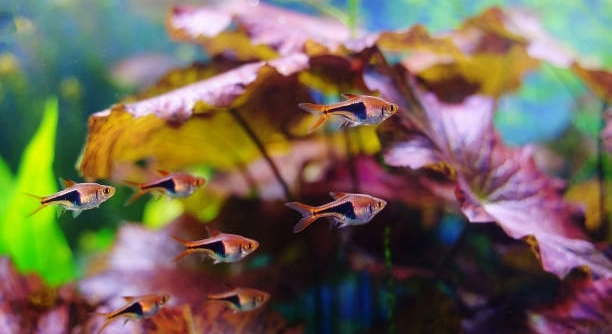
Many aquarium owners enjoy watching their small fish swim gracefully throughout the tank. Rasboras, with their bright colors and lively movements, often seem aware of their surroundings and respond to subtle changes in their environment.
Rasboras are capable of recognizing routines in their environment. Through consistent feeding times and repeated daily activities, they learn patterns and adjust their behavior accordingly, demonstrating memory and associative learning typical of small schooling fish.
Observing these patterns can reveal surprising insights into their daily lives and how they interact with the aquarium environment.
Understanding Rasboras’ Daily Patterns
Rasboras often show clear signs of routine through their daily behaviors. I’ve noticed that my fish swim to the same spots around the tank at certain times of day. They respond quickly when it’s time to feed, gathering near the surface in anticipation. Over time, these small fish seem to learn the sequence of events in their environment, from lights turning on to feeding schedules. Watching them adapt to these regular occurrences is fascinating because it highlights their ability to remember and predict. Even small changes, like rearranging plants or decorations, can temporarily confuse them, showing how sensitive they are to routine. Patterns in swimming, hiding, and resting all indicate that these fish are not acting randomly; they have an internal sense of timing. By paying attention, it’s possible to observe how consistently they react to the same events each day, reinforcing the idea that Rasboras recognize and respond to familiar schedules.
Rasboras respond better when their environment remains consistent. Routine helps them feel secure.
Recognizing these daily patterns can help improve tank management. Feeding at regular times and maintaining a stable environment reduces stress, which contributes to healthier fish. Predictable lighting and minimal disturbances create a calm habitat. Observing their behavior can also reveal subtle health issues early, as changes in routine or activity levels often signal discomfort. Providing a consistent space with plants and hiding spots supports their natural instincts while reinforcing daily patterns. Over time, this leads to more vibrant, active fish that interact confidently with their environment. By understanding and respecting these routines, caretakers can create a more enriching and balanced tank, helping Rasboras thrive and display their natural behaviors more fully.
How Routine Affects Behavior
Routine plays a key role in shaping Rasboras’ daily activities. They adjust quickly to repeated events.
Rasboras’ recognition of routine extends beyond feeding. They learn when the lights come on or when movement occurs near the tank. This awareness allows them to anticipate changes, like swimming to familiar hiding spots during certain times. Consistent routines reduce stress, as the fish know what to expect, which leads to calmer behavior and better overall health. Changes in water temperature or sudden shifts in tank layout can disrupt these patterns, showing just how sensitive they are to their environment. By establishing a steady rhythm in care, Rasboras develop predictable behaviors, making it easier to monitor their health and habits. This predictability also allows observers to notice subtle changes more quickly, which is valuable for maintaining a balanced and thriving aquarium. Maintaining consistency in feeding, lighting, and environment ensures that Rasboras remain active, social, and less prone to anxiety-related behaviors. Over time, these routines help fish settle into a stable, confident pattern of life within the tank.
Feeding Time and Behavior
Rasboras quickly learn when feeding occurs. My fish swim eagerly to the surface at the same time every day, showing they anticipate food.
Consistent feeding times teach Rasboras to recognize daily patterns. I have observed that when food is delayed, they become restless and swim anxiously. Over time, they respond to subtle cues, like the sound of a scoop or the movement near the tank. This demonstrates memory and associative learning, as they connect actions with outcomes. Feeding routines also reduce competition and stress, helping all the fish remain active and healthy. The predictability allows them to maintain energy and interact naturally without fear of sudden changes, supporting overall well-being.
Rasboras’ recognition of feeding schedules highlights their intelligence. They remember sequences and adjust behavior, indicating awareness and learning capacity. Consistent routines strengthen trust in their environment and make care easier.
Environmental Cues and Routine
Lighting and decorations influence Rasboras’ routines. They adjust swimming patterns according to predictable changes in their surroundings.
Changes in lighting, temperature, or tank arrangement affect Rasboras’ behavior. My fish swim toward shaded areas when lights are bright, and they explore more during dim periods. Rearranging plants temporarily disrupts patterns, but they adapt quickly once the environment stabilizes. Recognizing these environmental cues allows them to anticipate shifts, such as hiding spots becoming accessible or resting areas appearing. Predictable surroundings reduce stress and help them feel secure. By observing their response to cues, it is possible to see how routines are reinforced through repeated exposure, showing their capacity for learning and adaptation.
Social Interaction and Routine
Rasboras follow each other’s movements closely. In my tank, they often swim in synchronized patterns, especially around feeding times or when lights change.
Their social behavior strengthens recognition of routine. Observing one fish respond to a cue often triggers the rest to react, reinforcing group patterns and timing.
Light Cycles and Activity
Rasboras adjust activity based on light exposure. In my experience, they are most active shortly after lights turn on, exploring and swimming energetically. Predictable light cycles support normal behavior, reduce stress, and help maintain natural rhythms. Consistency in lighting encourages healthy rest periods and keeps their daily activities balanced.
Response to Sudden Changes
Unexpected disturbances can briefly disrupt Rasboras’ routine. They may hide or scatter, showing how reliant they are on predictable environments.
FAQ
Can Rasboras really remember feeding times?
Yes, Rasboras can remember feeding times. In my tank, I noticed that they swim to the surface before I even bring food. Over time, they associate certain cues, like movement near the tank or the sound of a scoop, with feeding. This shows they have memory and can anticipate events. Consistent feeding schedules make them calmer and more predictable.
How quickly do they learn a new routine?
Rasboras usually adapt to new routines within a few days. When I changed the timing of feedings slightly, they initially seemed confused but quickly adjusted. Their learning depends on repetition. The more consistent the changes, the faster they incorporate them into daily behavior. Small adjustments in lighting or tank layout also require similar adaptation periods.
Do all Rasboras respond the same way to routines?
Not always. Some fish are more reactive and notice cues faster, while others take longer to adjust. In my experience, younger fish tend to learn faster, whereas older Rasboras may take extra time to adapt. Social behavior also influences routine recognition, as group reactions can help slower fish learn.
Can Rasboras detect changes in light or temperature?
Yes, they are sensitive to light and temperature changes. In my tank, they become more active when lights turn on and seek shaded areas when lighting is strong. Sudden temperature shifts make them more cautious, hiding until the water stabilizes. Consistent conditions help them maintain natural behavior and reduce stress.
How does social interaction affect their routines?
Social interaction plays a key role. Rasboras are schooling fish, and observing one fish react to a cue often triggers others to follow. In my tank, if one fish swims toward the surface for food, the rest quickly join. Group behavior reinforces routines, making it easier for the entire school to recognize patterns.
Do environmental changes disrupt their routines permanently?
Temporary disruptions happen, but routines usually return once the environment stabilizes. For instance, rearranging plants or decorations confused my fish at first, but after a day or two, they adapted. Predictable cues like feeding times and lighting help them regain normal behavior quickly.
Can Rasboras anticipate human activity?
Yes, they often anticipate human presence. In my experience, they gather near the front of the tank if I approach around feeding time. This shows associative learning, where they link human movement with positive outcomes like food. Consistent interaction strengthens this recognition.
Is it important to keep a strict routine for Rasboras?
Maintaining a routine benefits their health and behavior. Predictable feeding, lighting, and minimal sudden changes reduce stress and support activity patterns. In my tank, consistent routines keep them more active and lively, which improves both their physical condition and social interactions.
What signs show that Rasboras are stressed by routine changes?
Restlessness, hiding, or erratic swimming indicate stress. I noticed that when I changed feeding times abruptly, my fish swam anxiously near the surface. These behaviors signal that their internal schedule has been disrupted, and returning to a consistent routine helps restore calm.
Do they show long-term memory of routines?
Yes, Rasboras display long-term memory to some extent. They remember feeding schedules, light cycles, and even the general layout of the tank over weeks. In my tank, even after a few days away, they quickly returned to their usual patterns, showing that routine recognition is not just short-term.
Final Thoughts
Rasboras are small fish, but they show remarkable awareness of their environment. Over time, they learn and respond to consistent patterns, such as feeding times, lighting schedules, and environmental cues. Observing them in a tank reveals how sensitive they are to routine. When the daily rhythm is predictable, they swim confidently, interact socially, and display natural behaviors. I have noticed that even minor changes, like moving plants or adjusting light schedules, can temporarily alter their behavior. This shows that while they are adaptable, stability is important for their well-being. Maintaining consistent conditions helps reduce stress and supports healthy activity levels, which ultimately contributes to a balanced and harmonious tank environment.
Feeding routines are especially important for Rasboras. They quickly learn when food will appear and adjust their movements accordingly. In my experience, fish gather near the surface even before I open the container, signaling anticipation. This behavior demonstrates memory and the ability to associate certain cues with outcomes. By keeping a steady feeding schedule, it is possible to reinforce positive behavior and reduce anxiety. Routine also plays a role in social interactions. Rasboras are schooling fish, so one fish recognizing a cue often prompts the others to respond. Predictable routines strengthen group dynamics, helping them move and interact in a coordinated way. The combination of consistent feeding and environmental stability creates a sense of security that allows them to thrive.
Rasboras’ response to routine reflects their intelligence and adaptability. They are capable of learning, remembering, and adjusting to repeated patterns, which helps caretakers understand their needs more clearly. Paying attention to these patterns allows for better tank management, as unusual behavior often signals a problem that needs attention. Maintaining regular lighting, temperature, and feeding schedules supports their natural rhythms, reduces stress, and encourages active, healthy behavior. Over time, these small fish develop reliable habits that make daily observation rewarding. For anyone keeping Rasboras, respecting their routines is essential. It fosters a calm, engaging environment where the fish feel secure, display natural behavior, and maintain overall health. Observing and supporting their daily patterns not only improves their quality of life but also makes caring for them a more predictable and enjoyable experience.

Hello,
If you enjoy the content that we create, please consider saying a "Thank You!" by leaving a tip.
Every little bit helps us continue crafting quality advice that supports the health, happiness, and well-being of pets around the world, for pets of all shapes, sizes, and species.
We really appreciate the kindness and support that you show us!