
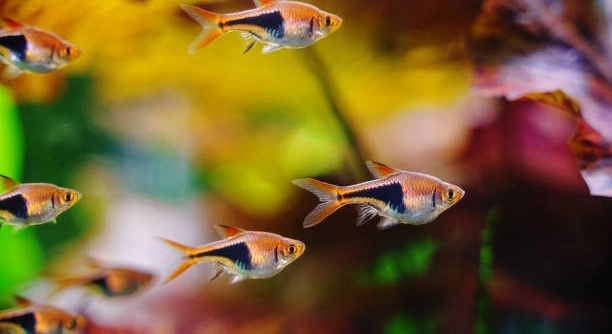
Have you noticed your rasboras swimming slower than usual or staying in one corner of the tank? Many fish owners encounter this, especially when subtle changes in their environment go unnoticed. It can feel worrying at first.
Rasboras often act lethargic due to poor water quality, incorrect temperature, or insufficient oxygen levels. Stress, overcrowding, or improper diet may also contribute, making it essential to monitor their environment and adjust care practices promptly.
Observing small changes in behavior can reveal hidden problems before they worsen. Learning the signs of stress helps maintain a healthy, thriving aquarium environment for your fish.
Common Environmental Factors Affecting Rasboras
Temperature fluctuations and poor water quality are frequent reasons rasboras appear sluggish. These small fish are sensitive to sudden changes, and even minor shifts can stress them. High levels of ammonia, nitrite, or nitrate may reduce their activity. Overcrowding also limits swimming space, which increases stress and lethargy. Aquariums with low oxygen levels or poor water circulation can leave rasboras gasping or resting at the bottom. Lighting plays a role too; overly bright or inconsistent lighting may make them hide and move less. Regular water testing and maintenance, including partial water changes, can help maintain balance. Using a heater and thermometer ensures a stable environment. Adding plants or decorations provides hiding spots, reducing stress. Careful monitoring of feeding habits prevents overfeeding, which can degrade water quality and affect fish energy levels.
Even small improvements in tank conditions can noticeably increase activity. Consistency in care is key to healthier, more active fish.
Monitoring water parameters daily helps identify issues before they affect fish behavior. Regular adjustments create a stable and comfortable habitat, promoting natural swimming patterns and reducing stress.
Dietary and Health Considerations
A poor diet can lead to sluggish behavior in rasboras. Feeding only flakes or one type of food may deprive them of essential nutrients, lowering their energy.
Providing a varied diet, including live or frozen foods like daphnia, brine shrimp, or bloodworms, improves vitality. Overfeeding can lead to bloating and swim bladder issues, which reduce movement. Consistent feeding schedules help maintain metabolism and activity levels. Observing your fish during feeding can indicate appetite problems, which may signal illness. Parasites and bacterial infections also contribute to lethargy. Early detection and treatment are crucial to prevent worsening health. Supplements or fortified foods can support immune function and overall energy. Maintaining tank hygiene while feeding prevents leftover food from affecting water quality. Rotating food types introduces necessary vitamins and proteins, supporting normal growth and behavior. In combination with proper environmental conditions, a balanced diet ensures rasboras remain lively and healthy, reducing long-term risks. Regular monitoring of diet and health leads to better understanding of their needs and behavior patterns.
Stress and Tank Companions
Rasboras can become stressed when housed with aggressive or larger fish. Overcrowding and constant chasing reduce activity and appetite, making them appear lethargic. Proper tank mates and sufficient space are essential for calmer behavior.
Stress impacts immune function and overall health in rasboras. Continuous harassment from other fish can lead to hiding, reduced swimming, and slower reactions. Even subtle tension in the tank can affect behavior, so observing interactions is important. Providing plants, caves, or floating decorations gives rasboras safe spaces to retreat, lowering stress. Ensuring compatible species prevents dominance issues and supports a balanced social environment. Monitoring tank dynamics daily helps detect early signs of stress before serious health problems develop.
Adjusting tank mates and rearranging décor can significantly improve rasbora activity. Even small changes, like separating aggressive fish or adding more hiding spots, create a calmer environment. Consistency in monitoring behavior ensures long-term well-being.
Water Quality Maintenance
Regular water testing is essential to maintain optimal conditions for rasboras. Monitoring ammonia, nitrite, nitrate, and pH levels keeps the tank stable and safe.
Filtration plays a key role in controlling toxins and debris. Cleaning the filter regularly and performing partial water changes prevents harmful buildup. Temperature stability is equally important, as fluctuations can stress fish. Introducing live plants can naturally absorb nitrates and improve oxygenation. Avoid overfeeding, which increases waste and contaminates water. Observing water clarity and fish behavior provides immediate feedback on tank conditions. A consistent maintenance schedule helps detect early problems and ensures a healthier environment. Proper aeration supports oxygen levels, improving energy and activity.
Testing water weekly and adjusting as needed helps prevent common illnesses. Balancing chemicals, keeping a clean substrate, and avoiding overcrowding all contribute to maintaining a stable habitat that supports rasbora health.
Lighting and Aquarium Setup
Improper lighting can affect rasbora activity. Too bright or harsh light stresses them, causing hiding or sluggish swimming. Maintaining a consistent light cycle supports normal behavior.
Decorations and plants provide security and reduce stress. Open swimming areas and shaded spots allow rasboras to regulate activity comfortably.
Common Illnesses
Parasites, bacterial infections, and swim bladder disorders often cause lethargy. Early detection is critical for treatment and preventing spread. Observing appetite, color changes, and unusual swimming helps identify issues quickly. Prompt intervention with medication or quarantine can restore health.
Tank Size Considerations
Overcrowded tanks reduce movement and increase stress. Ensuring adequate space per fish encourages natural swimming and activity. Maintaining proper population density prevents aggression and supports healthier behavior.
FAQ
Why are my rasboras staying at the bottom of the tank?
Rasboras often stay at the bottom when stressed, sick, or experiencing poor water conditions. Low oxygen levels, high ammonia or nitrite, and sudden temperature changes can all reduce activity. Checking water parameters, ensuring proper aeration, and providing hiding spots usually improve their behavior.
Can overfeeding make rasboras lethargic?
Yes, overfeeding contributes to lethargy. Excess food decomposes in the tank, raising ammonia and nitrate levels, which stresses fish. It can also cause bloating and swim bladder problems, restricting movement. Feeding small, measured portions once or twice a day helps maintain energy and overall health.
Do tank mates affect rasbora activity?
Aggressive or larger tank mates can stress rasboras, causing hiding and sluggish swimming. Peaceful species and enough swimming space reduce stress. Adding plants and decorations gives them safe areas to retreat, which supports calmer and more natural behavior.
How does water temperature influence my rasboras?
Rasboras are sensitive to temperature fluctuations. Too cold or too hot water slows metabolism and reduces activity. Maintaining a stable temperature within the recommended range (usually 22–28°C or 72–82°F) encourages normal swimming patterns and feeding behavior. Using a reliable heater and thermometer helps.
Can lighting affect rasbora behavior?
Yes, excessive or inconsistent lighting can stress rasboras. Bright lights or sudden changes may make them hide or remain still. A regular light schedule of 8–10 hours per day, combined with shaded areas from plants or décor, encourages natural activity.
Why are my rasboras not eating?
Loss of appetite often signals stress, illness, or poor water quality. Check for parasites, bacterial infections, or improper tank conditions. Offering varied foods like flakes, frozen brine shrimp, or daphnia can stimulate feeding, while ensuring water is clean and parameters are stable supports appetite.
How can I tell if my rasboras are sick?
Signs of illness include lethargy, faded colors, clamped fins, unusual swimming, or rapid breathing. Early identification and isolation from healthy fish prevent disease spread. Treating promptly with appropriate medication or adjusting water conditions usually helps recovery.
Do decorations and plants help reduce lethargy?
Yes, adding plants and decorations gives rasboras hiding spots, reduces stress, and encourages natural movement. Providing open swimming areas alongside shaded zones allows them to regulate activity comfortably. Rearranging décor occasionally can also reduce territorial tension among fish.
Is tank size important for rasbora activity?
Absolutely. Overcrowding limits swimming space and increases stress, leading to lethargy. A properly sized tank with adequate swimming room per fish promotes natural movement and reduces conflict. Maintaining appropriate population density is essential for healthier, more active fish.
How often should I test my tank water?
Weekly testing for ammonia, nitrite, nitrate, and pH is recommended. Regular monitoring helps detect changes before they affect behavior or health. Adjusting water parameters promptly ensures a stable, safe environment that supports active and thriving rasboras.
Can stress from sudden changes cause lethargy?
Yes, sudden changes in water conditions, temperature, or tank layout can stress rasboras, reducing activity. Gradual adjustments and consistent routines minimize stress. Observing behavior closely after any change helps detect problems early and maintain a healthy tank environment.
How can diet improve rasbora energy?
Providing a balanced diet with variety, including flakes, frozen or live foods, ensures essential nutrients. Rotating food types and avoiding overfeeding supports metabolism, growth, and natural swimming patterns. Supplements can boost immunity, keeping rasboras more active and resilient to stress or disease.
What should I do if one rasbora is lethargic but others are fine?
Isolate the affected fish to prevent potential disease spread. Check water quality and tank conditions. Observe for illness signs, adjust diet, and consider appropriate treatment. Sometimes stress or minor injury affects one fish while the rest remain active, so monitoring individually is important.
Can poor filtration contribute to lethargy?
Yes, inadequate filtration allows toxins and waste to accumulate, stressing rasboras and slowing activity. Cleaning filters regularly and ensuring proper flow maintains water quality. Proper filtration, combined with routine water changes, creates a healthier environment that supports normal behavior and energy.
How long does it take for rasboras to recover from lethargy?
Recovery depends on the underlying cause. Environmental improvements like stable water conditions or better diet can show results in a few days. Illness treatment may take longer, sometimes one to two weeks. Consistent care, monitoring, and stress reduction are crucial for full recovery.
Can sudden changes in pH affect activity?
Yes, abrupt pH shifts stress rasboras and may cause hiding or slow swimming. Maintaining a stable pH within the species’ preferred range is important. Gradual adjustments, if necessary, and routine monitoring help prevent behavior changes and support overall health.
Does overcrowding always cause lethargy?
Overcrowding increases stress, competition for food, and waste buildup, all contributing to lethargy. Even small groups in a limited space may show reduced activity. Providing enough room per fish and managing population density ensures better movement, healthier interactions, and lower stress levels.
How can I tell if lethargy is temporary or serious?
Temporary lethargy often follows minor stress, sudden changes, or post-feeding rest. Persistent lethargy, combined with appetite loss, color fading, or abnormal swimming, signals illness or poor water conditions. Tracking behavior over several days helps determine if intervention is needed.
Is it normal for rasboras to rest during the day?
Rasboras may rest in shaded or hidden areas, especially if lighting is bright. Short periods of low activity are normal, but extended lethargy, clamped fins, or lack of feeding indicates environmental or health issues requiring attention.
What role does oxygenation play in rasbora activity?
Low oxygen levels reduce swimming energy, causing lethargy. Ensuring proper aeration through air stones, filters, or surface agitation keeps oxygen levels sufficient. Well-oxygenated water supports metabolism, feeding, and natural swimming behavior, keeping rasboras active and healthy.
Can seasonal changes affect behavior?
Yes, temperature and light variations between seasons can influence metabolism and energy. Gradual adjustments and monitoring help maintain stability. Keeping tank conditions consistent reduces seasonal stress, ensuring rasboras remain lively throughout the year.
How important is quarantine for new fish?
Quarantining new arrivals prevents disease introduction and stress for existing fish. A separate tank for observation allows early detection of illness and reduces the chance of lethargy spreading among the community. Quarantine supports long-term health and stable behavior in the main tank.
What is the best way to restore energy in lethargic rasboras?
Correcting water parameters, providing a varied diet, ensuring proper tank mates, and reducing stress restores energy. Early identification of illness and prompt treatment accelerates recovery. Consistency in care and monitoring behavior ensures rasboras regain vitality and swim actively again.
How often should I clean the tank to prevent lethargy?
Partial water changes weekly or biweekly, combined with substrate cleaning and filter maintenance, prevent toxin buildup. Regular cleaning maintains water quality, reduces stress, and supports energy levels. A clean tank environment is crucial for preventing lethargy and promoting active behavior.
Can lighting schedules affect sleep and activity cycles?
Yes, consistent light and dark periods regulate sleep and activity. Disrupted cycles may cause stress or unusual rest periods. Maintaining an 8–10 hour light schedule with dimmed or shaded areas helps rasboras maintain normal energy and movement patterns.
Are certain medications likely to cause temporary lethargy?
Some treatments may reduce activity as fish adjust. Following dosage instructions and monitoring water conditions ensures safe recovery. Temporary sluggishness is normal, but prolonged lethargy may indicate stress or adverse reactions requiring attention.
How do I balance all factors to prevent lethargy?
Maintaining stable water conditions, proper temperature, a varied diet, adequate space, compatible tank mates, and regular monitoring prevents lethargy. Attention to all environmental and health factors ensures rasboras remain energetic, healthy, and display natural swimming behavior consistently.
Final Thoughts
Rasboras are small, delicate fish that thrive in stable and carefully maintained environments. Observing their behavior is one of the best ways to understand their needs. Lethargy is a common concern for many fish owners, but it is usually linked to factors that can be managed with careful attention. Water quality is the foundation of a healthy tank, and even small imbalances in ammonia, nitrite, or nitrate can reduce activity. Temperature fluctuations, poor oxygen levels, and inconsistent lighting can also affect energy and swimming patterns. By regularly testing water, adjusting conditions, and maintaining a proper filtration system, you can create an environment where rasboras feel safe and active. Even small improvements, like adding a few plants or decorations, can make a noticeable difference in their comfort and behavior.
Diet is another critical component that directly influences rasbora activity. Providing a balanced and varied diet ensures they receive the nutrients necessary for energy, growth, and immune support. Overfeeding can be just as harmful as underfeeding, leading to bloating, swim bladder problems, and poor water quality. Rotating between flakes, frozen foods, and live foods helps meet their nutritional requirements while also stimulating natural foraging behaviors. Paying attention to feeding patterns and appetite can also provide early signs of stress or illness, allowing for timely intervention. Health issues, such as parasites, bacterial infections, or swim bladder disorders, often manifest as lethargy. Early detection and appropriate treatment are essential to prevent the problem from worsening and affecting other tank inhabitants.
Stress is a subtle but powerful factor that affects rasbora activity. Overcrowding, aggressive tank mates, and sudden changes in water conditions or tank layout can all contribute to stress, which reduces swimming and feeding behavior. Creating a stable and predictable environment helps minimize stress and encourages natural activity. Proper tank size, safe hiding spots, and compatible tank mates are important elements in maintaining calm and active fish. Observing your rasboras regularly allows you to notice small changes in behavior before they become serious problems. By addressing water quality, diet, health, and stress, you can help your rasboras maintain energy, display normal behaviors, and enjoy a healthier, more active life. Consistency, attention, and patience are key to keeping these fish lively and thriving in your aquarium.

Hello,
If you enjoy the content that we create, please consider saying a "Thank You!" by leaving a tip.
Every little bit helps us continue crafting quality advice that supports the health, happiness, and well-being of pets around the world, for pets of all shapes, sizes, and species.
We really appreciate the kindness and support that you show us!