
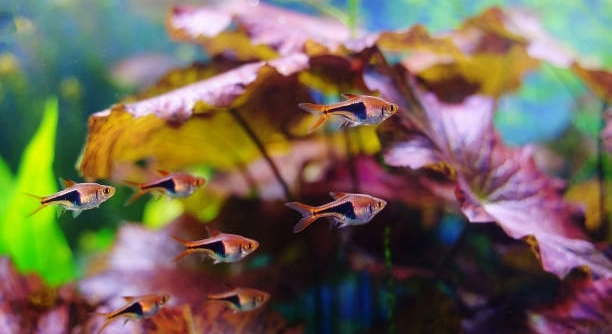
Rasboras are small, active fish that thrive in groups, and their behavior often reflects how comfortable they feel in their environment. Observing them closely can reveal subtle signs of well-being in a school. Their movements and interactions tell a story about their health and happiness.
Rasboras show comfort in a school through consistent swimming patterns, synchronized group movements, active feeding behavior, clear coloration, minimal hiding, calm interactions with tank mates, and healthy responses to environmental changes. These indicators reflect social harmony and overall well-being.
Noticing these behaviors can help you ensure your rasboras are thriving, and understanding their cues enhances the care and environment you provide.
Active Feeding Behavior
Rasboras that feel comfortable in their school are usually eager to eat when food is offered. They swim toward the source without hesitation and compete lightly for flakes or pellets, showing confidence in their environment. Observing their feeding habits helps gauge comfort levels, as stressed fish often hide or avoid food. Active feeding indicates that the water quality, temperature, and tank conditions meet their needs. Feeding together also strengthens social bonds within the school. Over time, patterns emerge, allowing you to recognize individual preferences and behaviors. Providing a varied diet supports their health and encourages consistent activity. Sudden changes in behavior during feeding, such as hesitation or aggression, can signal discomfort or illness. Maintaining a predictable feeding routine helps the school feel secure. Watching them eat can be rewarding, revealing their personalities and interactions within the group.
Active feeding demonstrates confidence, good health, and trust within the school environment.
Observing mealtime ensures fish are thriving and interacting normally. It highlights health and comfort.
Consistent feeding habits indicate a well-adjusted school. Healthy rasboras approach food eagerly and return to normal swimming afterward. This behavior shows trust in their surroundings and minimal stress levels. Active feeding supports growth, strong coloration, and proper nutrition, which are vital for long-term well-being. In contrast, shy or sick fish may linger at the bottom or avoid the food entirely, signaling the need for environmental adjustments. A stable tank, appropriate water parameters, and regular feeding schedules reinforce this comfort. Overfeeding should be avoided, as it can pollute the water and disrupt the group’s harmony. Observing which fish eat first and how they interact during feeding helps identify dominant and timid individuals, offering insight into social structure. Attention to these details ensures a thriving, balanced school where every rasbora has the space and resources to feel secure and healthy.
Minimal Hiding
Comfortable rasboras spend most of their time swimming openly and exploring the tank rather than hiding. Frequent hiding often indicates stress, illness, or discomfort. Providing ample hiding spots, such as plants or decorations, helps fish feel secure, but when they rarely use them, it reflects confidence in their surroundings.
Minimal hiding shows the school feels safe and stress-free.
Open swimming with occasional use of shelters signals trust in the tank environment. When rasboras feel comfortable, they are active, curious, and interact freely with tank mates. They explore different areas and exhibit natural behaviors, like hovering near plants or gliding through open water, without showing fear. Reduced hiding also promotes social interaction, as fish engage with the group instead of staying isolated. Maintaining stable water parameters, proper lighting, and a quiet environment reduces stress and encourages visible activity. Observing hiding patterns can alert you to subtle changes in comfort or health. A balanced diet, adequate space, and compatible tank mates further support confidence. Comfortable fish are easier to care for and provide a lively, engaging display. Recognizing this sign ensures the school remains happy, cohesive, and healthy over time.
Calm Interactions
Calm interactions among rasboras indicate a balanced and comfortable school. Fish that coexist peacefully without aggressive chasing or constant skirmishes show trust and social harmony within the tank environment.
Peaceful behavior reflects stability and well-being. Comfortable rasboras interact without stress, swimming near each other, gently nudging, or following together. Aggressive or frantic movements are rare when they feel secure. This calm social behavior allows the group to maintain order and reduces energy spent on conflicts. Fish that trust each other also respond better to feeding, changes in environment, and human presence. Maintaining appropriate group sizes, providing hiding spots, and keeping compatible species together encourages calm interactions. Regular observation helps detect any sudden changes that might indicate illness, overcrowding, or stress.
Calm interactions create a stress-free environment, promoting health and normal social behavior. Rasboras show confidence and security, moving fluidly without fear.
When a school exhibits calm interactions, it signals a well-adjusted social structure. Fish engage naturally, exploring their surroundings and occasionally interacting with tank mates. Minimal aggressive behaviors suggest sufficient space, proper water conditions, and balanced nutrition. Over time, these interactions strengthen group cohesion, as dominant and submissive behaviors stabilize. Calm schools are less prone to stress-related illnesses, maintain vibrant coloration, and exhibit regular feeding patterns. Observing this behavior also helps detect subtle health or social issues early, allowing timely adjustments. Comfortable rasboras contribute to a lively, visually appealing tank while maintaining their natural instincts and social order.
Healthy Responses to Environment
Rasboras that respond well to environmental changes demonstrate adaptability and comfort. They explore new decorations, plants, or mild water parameter adjustments without hiding or freezing.
Proper reactions show confidence and resilience. Fish that feel secure handle minor shifts calmly. Sudden changes in light, current, or tank layout elicit curiosity rather than panic, reflecting a stable and healthy school.
Healthy responses are essential for long-term care. Comfortable rasboras investigate new objects, adjusting their swimming patterns naturally. They recover quickly from brief disturbances, such as gentle netting or water testing, without showing prolonged stress. Maintaining stable temperature, pH, and oxygen levels minimizes negative reactions, while gradual introductions of changes prevent shock. A secure school adapts collectively, with fish following each other and maintaining coordinated swimming even during adjustments. Observing how the group reacts helps identify sensitive individuals and optimize tank conditions. This resilience ensures that rasboras remain active, healthy, and confident in their habitat over time.
Consistent Grouping
Rasboras that stay close together in a consistent school show they feel safe and secure. Tight, organized swimming indicates trust among members and confidence in their environment.
A comfortable school moves as a unit, maintaining formation while exploring the tank. Fish that stray or isolate themselves may feel stressed or uncertain.
Playful Movements
Comfortable rasboras often display playful, energetic swimming patterns. They dart around the tank, weave between plants, and occasionally chase one another gently. These movements indicate mental stimulation, good health, and social comfort. Playfulness is a sign that the school is well-adjusted and not stressed by environmental factors or tank mates.
Minimal Stress Signs
Fewer stress signs, such as clamped fins, rapid breathing, or erratic swimming, reflect a healthy, comfortable school. Maintaining stable water conditions and a calm environment supports this well-being.
FAQ
How many rasboras should I keep in a school?
Rasboras are social fish and feel most comfortable in groups of six or more. A larger school allows them to swim naturally, exhibit synchronized movements, and interact without stress. Smaller groups may lead to shy or isolated fish, reducing activity and confidence. Proper tank size is also important to accommodate the group.
What water conditions help rasboras feel comfortable?
Stable water conditions are essential. Rasboras prefer slightly acidic to neutral pH, moderate temperatures, and clean, well-filtered water. Sudden changes in temperature, pH, or hardness can stress the school and cause hiding or dull coloration. Regular water testing and partial water changes help maintain a healthy environment.
How can I tell if my rasboras are stressed?
Signs of stress include clamped fins, erratic swimming, excessive hiding, faded colors, or loss of appetite. Observing the school daily allows early detection. Stress may result from poor water quality, overcrowding, incompatible tank mates, or sudden changes in lighting or decorations. Addressing these issues quickly improves comfort.
What diet keeps rasboras healthy and comfortable?
A varied diet supports both physical health and activity. Flakes, micro-pellets, frozen or live foods like brine shrimp or daphnia provide essential nutrients. Feeding small portions twice daily prevents overfeeding and keeps water quality stable. Healthy, active fish are more likely to display natural schooling behaviors.
Do tank decorations affect their comfort?
Yes, decorations, plants, and hiding spots provide security, reduce stress, and encourage natural exploration. Dense plants and open swimming areas balance safety and freedom. Avoid overcrowding the tank with decorations, as it can restrict movement and disrupt synchronized swimming. Gradually introduce new items to prevent stress.
Can rasboras adapt to new tank mates?
Rasboras generally coexist well with peaceful species. Introducing new tank mates slowly and monitoring interactions helps prevent aggression. Stressful encounters may cause hiding or disrupted schooling, so choose compatible species and provide sufficient space. Gradual acclimation supports calm interactions and maintains comfort within the school.
How often should I observe their behavior?
Daily observation is ideal. Watching feeding, swimming patterns, coloration, and interactions helps detect subtle changes early. Consistent monitoring ensures rasboras remain comfortable, healthy, and active, and allows you to respond quickly to environmental or health issues.
Can lighting impact their comfort?
Yes, lighting affects activity and coloration. Moderate, consistent lighting helps fish feel secure and display vibrant colors. Sudden bright light or prolonged darkness may cause stress, hiding, or irregular swimming. Using a regular light schedule simulates natural conditions and supports a healthy, comfortable school.
How do I know if the school is balanced?
A balanced school exhibits synchronized swimming, calm interactions, and minimal hiding. Each fish participates in feeding and exploration, and aggressive or dominant behaviors are limited. Monitoring group behavior over time ensures social harmony, reduces stress, and maintains a cohesive, comfortable environment for all rasboras.
What steps improve a shy or isolated fish’s comfort?
Gradual acclimation, consistent feeding, adequate hiding spots, and stable water conditions help shy rasboras gain confidence. Observing them without disturbance allows gradual integration into the school. Pairing with other calm, comfortable fish encourages interaction and supports overall comfort within the group.
How important is tank size for comfort?
Tank size directly affects swimming space, social behavior, and stress levels. Crowded tanks limit movement and increase tension, while spacious tanks allow natural schooling, exploration, and energy release. For a group of six or more rasboras, a tank of at least 20 gallons is recommended to maintain comfort.
What are signs that the school is thriving?
Thriving rasboras display synchronized swimming, bright colors, active feeding, calm interactions, and minimal hiding. They explore the tank confidently, react positively to mild environmental changes, and show no stress indicators. Consistent observation confirms the school’s overall health, comfort, and well-being, ensuring a balanced aquatic environment.
Can temperature fluctuations affect comfort?
Yes, rasboras are sensitive to temperature changes. Fluctuations can stress the school, leading to hiding, reduced activity, or disease. Maintaining a stable range suitable for the species supports natural behaviors and ensures comfort. Using a reliable heater and thermometer helps prevent sudden shifts in the tank.
Is it normal for rasboras to occasionally separate from the school?
Yes, temporary separation can occur during exploration or feeding. Comfortable fish quickly return to the group and remain engaged in schooling behaviors. Persistent isolation may indicate stress, illness, or incompatibility, requiring attention to water quality, tank setup, or social dynamics.
How do I maintain long-term comfort for rasboras?
Provide stable water conditions, proper nutrition, adequate space, hiding spots, and compatible tank mates. Regular observation ensures early detection of stress or health issues. Supporting social interactions, synchronized swimming, and playful behavior promotes ongoing comfort, creating a healthy, harmonious environment where rasboras can thrive for years.
Final Thoughts
Rasboras are small but active fish, and their behavior is a reliable indicator of comfort and well-being in a school. Observing their movements, interactions, and feeding patterns provides clear insight into how secure they feel in their environment. When rasboras swim together in a coordinated manner, respond calmly to changes, and display bright, consistent coloration, it shows that the tank conditions meet their needs. Comfortable fish are less likely to hide, show stress behaviors, or become aggressive, which helps maintain a healthy, balanced school. By paying attention to these signs, you can ensure that each member of the group feels safe and supported, creating a harmonious environment for the entire school. Even small details, like the way they explore new decorations or interact during feeding, contribute to understanding their overall comfort level.
Maintaining comfort for rasboras requires consistent care and observation. Stable water conditions, proper tank size, and compatible tank mates are essential factors that influence their behavior. A well-planted tank with open swimming areas provides both security and freedom, allowing fish to express natural behaviors without stress. Regular feeding with a varied diet ensures energy and supports their health while preventing competition or aggression within the school. Observing the school daily allows you to notice subtle changes in behavior or appearance, which can indicate potential problems early. By addressing minor issues promptly, such as adjusting water parameters or providing extra hiding spots, you help the school remain healthy and active. Comfortable rasboras display playful movements, synchronized swimming, and calm interactions, all of which are signs that your care is effective and that the fish are thriving in their environment.
Understanding the needs of your rasboras goes beyond simply maintaining water quality. Social dynamics, environmental enrichment, and consistent routines all contribute to a fish school’s comfort. When the fish are confident and relaxed, they interact more naturally, explore their habitat, and show resilience to minor changes in their surroundings. Creating this type of environment requires attention to detail and a commitment to their well-being. Observing the fish regularly helps you recognize when the school is balanced, when certain fish may need extra support, or when adjustments to the tank are necessary. By fostering a comfortable environment, you are not only ensuring their health but also enhancing the visual appeal and liveliness of the tank. A comfortable school of rasboras is easier to care for, more predictable in behavior, and provides a satisfying, engaging experience, reflecting the success of your efforts in creating a secure and supportive aquatic habitat.

Hello,
If you enjoy the content that we create, please consider saying a "Thank You!" by leaving a tip.
Every little bit helps us continue crafting quality advice that supports the health, happiness, and well-being of pets around the world, for pets of all shapes, sizes, and species.
We really appreciate the kindness and support that you show us!