
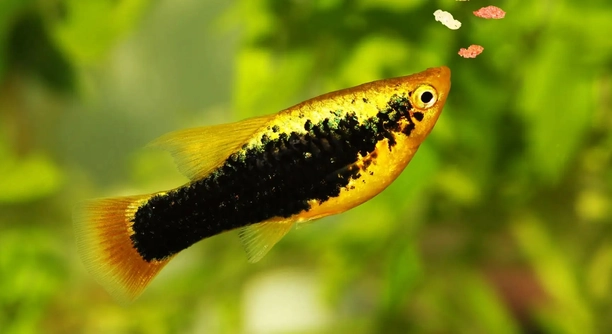
Are your platies suddenly not interacting like they used to? It can be puzzling when lively fish start behaving differently in their tank. Understanding why this change happens is important for their well-being and your enjoyment of the aquarium.
Platies may stop interacting due to stress, poor water quality, illness, or changes in their environment. These factors can affect their behavior, making them less active and less social than usual. Proper care and monitoring are essential to address these issues.
Exploring the common causes and solutions will help restore your platies’ normal behavior and keep your aquarium healthy and balanced.
Changes in Water Quality
Water quality has a major impact on platies’ behavior. If the water becomes dirty or the levels of ammonia, nitrites, or nitrates rise, your fish may become stressed and less active. Even small changes in pH or temperature can cause discomfort. Regular water testing and maintenance are necessary to keep conditions stable. Cleaning the tank and doing partial water changes can improve the environment. Avoid overfeeding, as excess food decomposes and worsens water quality. Healthy water supports natural interaction and activity in your platies.
Poor water conditions reduce oxygen levels and increase toxins. This leads to lethargy and hiding behavior among platies.
Testing water weekly, using a reliable filter, and changing 25% of the water regularly helps maintain a healthy habitat. Monitoring these factors can prevent behavior problems before they start. Consistency in water care makes your platies more comfortable and active, restoring their usual social habits.
Stress and Environment
Stress is another major reason platies stop interacting. Overcrowded tanks, sudden changes in lighting, or loud noises can cause them to hide or act withdrawn. Platies prefer calm environments with enough space and hiding spots. Adding plants or decorations helps reduce stress by providing shelter.
A stable, quiet tank supports healthier fish behavior.
Stress affects the immune system and overall health of platies, which can lead to illness. Fish respond negatively to sudden changes, so avoid rearranging the tank too often or moving platies between tanks abruptly. Keeping a consistent routine for feeding and lighting helps them feel safe. Monitoring their behavior daily allows you to spot stress signs early. When platies feel secure, they are more likely to interact naturally and show their usual lively behavior. Making the tank environment calm and predictable benefits both their mood and health.
Illness and Health Issues
Platies may stop interacting if they are sick or injured. Signs include lethargy, loss of appetite, or unusual swimming patterns. Illness weakens their energy and social behavior, requiring prompt attention to prevent worsening conditions.
Common platy illnesses include ich, fin rot, and swim bladder disorder. Ich causes white spots and itching, fin rot damages fins, and swim bladder disorder affects swimming balance. Early detection and treatment are vital. Quarantining sick fish helps prevent spreading disease. Maintaining good water quality reduces illness risk. Feeding a balanced diet supports their immune system. Watching for subtle changes in behavior helps catch health problems early and protect the entire tank.
If your platies are recovering, they may need extra time to regain energy. Adjusting care and reducing stress during recovery encourages healing and gradual return to normal interaction.
Changes in Social Dynamics
Platies are social fish but their group behavior can shift with new tank mates or changes in population. Adding or removing fish affects hierarchy and interactions within the tank. Sometimes, platies need time to adjust to new social structures.
New fish introductions can cause temporary stress or territorial behavior. Existing platies may become shy or hide more often. Avoid overcrowding, as it increases competition for space and food. Providing enough hiding spots reduces tension. Observing how your fish interact daily helps understand their social balance. Over time, most platies settle into stable roles and start engaging normally again, but patience is important during this adjustment period.
Feeding Habits and Interaction
Platies’ activity often depends on their feeding routine. Skipping meals or inconsistent feeding times can make them less active. They may hide or ignore others when hungry or stressed by feeding changes.
Overfeeding can also reduce interaction. Uneaten food harms water quality and makes fish sluggish. Feeding small amounts regularly helps keep platies healthy and social.
Lighting and Tank Environment
Lighting affects platies’ behavior. Too much or too little light can cause stress and reduce activity. A balanced light schedule that mimics natural day and night cycles supports healthy interaction. Adjust brightness and duration to suit your tank’s setup.
Tank Size and Space
Platies need enough space to swim and explore. Small or overcrowded tanks limit movement and increase stress. Providing a minimum of 10 gallons for a small group helps keep platies active and engaged.
Compatibility with Other Fish
Platies are peaceful but may react differently to aggressive or territorial tank mates. Incompatible companions can cause stress and reduce social behavior. Choose compatible species to maintain harmony and encourage interaction.
FAQ
Why have my platies stopped schooling together?
Platies often school to feel safe, but stress or illness can break this behavior. Poor water quality, overcrowding, or sudden changes in the tank can cause them to separate. Ensuring stable water parameters and a calm environment helps encourage schooling again. Sometimes, social adjustments after adding or removing fish can temporarily disrupt their group swimming.
How can I tell if my platies are stressed?
Signs of stress include hiding, loss of appetite, clamped fins, and less movement. They might also appear dull or swim erratically. Stress can come from poor water conditions, aggressive tank mates, or frequent disturbances. Regular monitoring and maintaining proper tank care reduce stress and help platies stay active and healthy.
What steps should I take if my platies stop interacting?
First, test your water for ammonia, nitrites, nitrates, pH, and temperature to ensure proper conditions. Check for signs of illness like spots, torn fins, or unusual swimming. Review recent changes in the tank, such as new fish or rearranged decorations. Improve water quality with partial water changes and maintain a consistent feeding schedule. If illness is suspected, quarantine affected fish and treat accordingly.
Can changes in lighting cause platies to behave differently?
Yes, lighting directly impacts their behavior. Too bright or too dim light can cause stress or lethargy. Keeping a consistent light schedule of about 8-10 hours per day that mimics natural daylight supports healthy activity. Avoid sudden changes in lighting intensity or duration to prevent unsettling your fish.
How important is tank size for platy interaction?
Tank size plays a key role in platy behavior. Overcrowding leads to competition for space and resources, increasing stress and reducing social interaction. A minimum of 10 gallons for a small group is recommended to provide enough room for swimming and natural behaviors. More space encourages more activity and social engagement.
What should I feed my platies to encourage healthy interaction?
A balanced diet is crucial. High-quality flakes, pellets, and occasional live or frozen foods provide essential nutrients. Feeding small amounts 2-3 times daily prevents overfeeding and water pollution. Healthy, well-fed platies tend to be more active and social. Avoid sudden diet changes, as these can stress fish and alter their behavior.
Can tank mates affect my platies’ social behavior?
Yes, tank mates impact platy interaction. Aggressive or territorial fish can cause platies to hide or become withdrawn. Peaceful species that share similar temperaments usually promote a calm environment. Choose compatible fish to maintain harmony and encourage natural social behaviors among your platies.
How long does it take for platies to adjust after changes?
Adjustment times vary depending on the type of change. New tank mates or rearranged environments may take several days to weeks for platies to settle. During this period, they might show reduced interaction. Patience, consistent care, and minimizing stressors support a smooth transition back to normal behavior.
Are there signs that indicate a platy is recovering?
Yes, recovering platies gradually become more active, start eating again, and resume normal swimming patterns. Their colors may brighten, and they begin interacting with other fish. Continued good care and stress reduction support full recovery and restore their social behavior over time.
What common mistakes lead to platies becoming less interactive?
Common mistakes include irregular water testing, overfeeding, overcrowding, poor tank maintenance, and introducing incompatible tank mates. Ignoring early signs of illness or stress also worsens their condition. Consistent care, monitoring, and proper tank setup prevent these issues and maintain lively, social platies.
Platies are lively and social fish, but changes in their behavior are common and can happen for many reasons. When your platies stop interacting, it usually signals something is affecting their comfort or health. Factors like water quality, tank environment, stress, illness, and social changes all play a role. Paying close attention to these elements is important for maintaining a healthy and active tank. Regular care and observation help catch issues early before they affect your fish deeply.
Maintaining stable water conditions is one of the most important steps to support your platies’ well-being. Testing water parameters regularly and performing partial water changes keeps the environment safe and comfortable. Avoiding overcrowding and providing enough space allows your fish to swim freely and reduce stress. Along with clean water, a balanced diet and consistent feeding schedule contribute to their energy and social behavior. When platies feel secure and well cared for, they are more likely to show their natural, interactive behavior.
Behavior changes may also come from illness or new social dynamics in the tank. Early recognition of signs like hiding, lethargy, or loss of appetite can help prevent serious health problems. It’s also important to introduce new tank mates carefully and give your fish time to adjust to changes. Small adjustments in lighting and tank setup can make a big difference in how comfortable platies feel. With patience and proper care, most platies regain their normal activity and interaction, making your aquarium a lively and enjoyable space.

Hello,
If you enjoy the content that we create, please consider saying a "Thank You!" by leaving a tip.
Every little bit helps us continue crafting quality advice that supports the health, happiness, and well-being of pets around the world, for pets of all shapes, sizes, and species.
We really appreciate the kindness and support that you show us!