
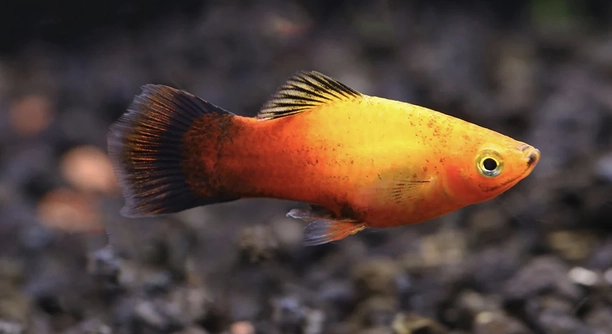
Are your platies spending most of their time away from the tank’s bottom? This behavior can be puzzling and concerning for many fish keepers who want their aquatic pets to feel comfortable and healthy. Understanding the reasons behind this can help maintain a better environment.
Platies tend to avoid the bottom when water quality is poor, or there is insufficient oxygen near the substrate. Additionally, stress factors such as aggressive tank mates, improper lighting, or unsuitable tank decorations can encourage them to stay in mid or upper water levels.
Knowing what influences your platies’ behavior at the bottom can improve their wellbeing and tank conditions. Exploring these factors will provide useful insight for any fish enthusiast.
Common Causes for Platies Avoiding the Bottom
Platies often avoid the tank bottom due to water quality issues. Poor water conditions, such as high ammonia, nitrite, or nitrate levels, can make the lower area uncomfortable or even harmful for them. Insufficient oxygen near the substrate is another common reason. This happens when water circulation is weak or the tank is overcrowded, reducing oxygen availability at the bottom. Tank setup can also influence their behavior. Sharp or rough gravel may discourage platies from resting on the bottom. Additionally, overly bright lighting or sudden loud noises might make them feel exposed and stressed, prompting them to swim higher. Sometimes, aggressive or territorial tank mates keep platies away from the lower areas for safety. Understanding these causes helps in making changes to support a more comfortable environment for your platies.
Platies also prefer swimming in mid-level or upper water areas where food is often more accessible and they feel safer from threats.
Adjusting the tank’s oxygen levels and improving water quality often encourages platies to explore the bottom again. Checking substrate type and tank companions also helps make the bottom more inviting. Small changes can make a big difference in their comfort and behavior.
How to Improve Tank Conditions for Platies
Maintaining clean water is essential for healthy platies. Regular water changes and testing keep harmful chemicals in check. Proper filtration supports oxygen circulation, especially near the bottom. Adding live plants can help oxygenate the tank naturally and provide hiding spots. Avoid overcrowding to reduce stress and competition for space. Choosing smooth gravel or sand prevents discomfort when platies rest. Adjusting light intensity to mimic natural conditions reduces stress. Introducing calm, non-aggressive tank mates helps platies feel safe. Monitoring temperature and keeping it stable also contributes to a balanced environment. These efforts create a welcoming habitat that encourages natural behaviors, including spending time near the bottom.
Improving these factors promotes your platies’ overall health and comfort in the aquarium.
Small but consistent care routines keep the tank balanced and reduce stress-related behaviors. Platies will feel safer and more relaxed, which encourages them to explore the bottom area without hesitation. Observing their behavior regularly allows for timely adjustments, ensuring their environment remains suitable. This can lead to happier, more active fish that enjoy all areas of their home.
Adjusting Lighting and Decorations
Too much light can make platies uncomfortable near the bottom. Bright lighting exposes them, making them feel vulnerable.
Using dimmer lights or adding floating plants helps create shaded areas. Decorations like caves or dense plants offer shelter and encourage bottom exploration. These hiding spots reduce stress and make the lower parts of the tank more appealing for platies.
Changing decorations to softer or natural textures can make the substrate less intimidating. Avoid sharp or rough materials that might cause injury. Thoughtful placement of plants and ornaments creates safe zones where platies feel secure resting or foraging at the bottom.
Monitoring Tank Mates and Behavior
Aggressive or territorial tank mates can push platies away from the bottom. Avoid mixing platies with overly dominant species to reduce stress and promote peaceful coexistence.
Observing fish interactions helps identify any bullying or territorial disputes. If conflicts are present, consider rearranging the tank or separating aggressive fish. Maintaining a calm environment encourages platies to move freely throughout all tank levels without fear.
Regularly watching your platies’ behavior helps spot signs of stress or discomfort early. Addressing tank mate issues promptly supports a healthier social balance and promotes natural activity, including spending time near the bottom. This careful attention leads to a more relaxed and comfortable tank community overall.
Feeding Habits and Bottom Avoidance
Platies often swim higher to find food since flakes and pellets usually float. They may avoid the bottom if food is scarce there.
Adding sinking pellets or occasional frozen foods encourages platies to explore the bottom while feeding. This can help balance their activity throughout the tank.
Importance of Water Temperature
Stable water temperature is crucial for platies’ comfort. Sudden changes can cause stress, leading them to avoid certain areas like the bottom. Keeping the temperature consistent within their ideal range supports normal behavior and overall health.
Observing for Illness
Platies avoiding the bottom could be a sign of illness. Watch for other symptoms like lethargy or unusual swimming patterns, and address any health issues quickly to prevent worsening conditions.
FAQ
Why are my platies always swimming near the top?
Platies often stay near the surface because food tends to float there. They also find more oxygen near the top, especially if the tank has poor water circulation. When oxygen levels are low at the bottom, they naturally move upward to breathe easier.
Can poor water quality cause platies to avoid the bottom?
Yes, poor water quality is a common reason for this behavior. High levels of ammonia, nitrites, or nitrates can irritate fish and make the lower part of the tank uncomfortable or unsafe. Regular water testing and maintenance help keep these levels in check and encourage platies to explore all tank areas.
Does the type of substrate affect platies’ behavior?
The substrate can influence whether platies feel comfortable near the bottom. Rough or sharp gravel can discourage them from resting there. Smoother substrates like sand or fine gravel are gentler on their fins and more inviting for resting and foraging.
How do tank decorations impact platies’ bottom activity?
Decorations that provide hiding spots, such as caves, plants, or driftwood, create safe areas for platies to retreat. Without enough cover, they might avoid the bottom out of fear of predators or feeling exposed. Providing plenty of plants and shelters encourages more natural bottom-dwelling behavior.
Can tank mates affect where platies swim?
Yes, aggressive or territorial tank mates can force platies to avoid certain areas, including the bottom. Platies are peaceful fish and may feel threatened by larger or more dominant species. Choosing compatible, calm tank mates helps reduce stress and encourages platies to explore all parts of the tank.
Is lighting a factor in platies avoiding the bottom?
Bright lighting can make platies feel exposed and vulnerable near the bottom. Using softer or dimmable lighting, along with floating plants or shaded areas, creates a more comfortable environment that invites platies to swim and rest near the substrate.
What role does water temperature play in platies’ behavior?
Platies prefer stable water temperatures between 72-78°F (22-26°C). Sudden changes or temperatures outside this range can stress them, causing unusual behavior like avoiding the bottom. Using a reliable heater and thermometer helps maintain consistent conditions for their comfort.
Could illness cause platies to avoid the bottom?
Yes, illness is another possible reason. If platies show signs like lethargy, loss of appetite, or odd swimming patterns, they may avoid the bottom due to discomfort or weakness. Prompt diagnosis and treatment improve their chances of recovery and restore normal behavior.
How can feeding routines influence platies’ bottom activity?
If food is only offered at the surface, platies may rarely visit the bottom. Introducing sinking pellets or frozen foods encourages them to explore lower levels. Feeding in different tank zones also helps distribute activity and reduces competition among fish.
What should I do if my platies refuse to use the bottom despite good conditions?
Sometimes platies develop habits or preferences that keep them away from the bottom. Gradually adjusting tank features like substrate, lighting, and decorations can make the bottom more inviting. Patience and observation help identify specific triggers and improve their comfort over time.
How often should I test my tank water to keep platies healthy?
Testing water weekly is ideal for monitoring ammonia, nitrites, nitrates, and pH levels. Keeping these parameters stable prevents stress and illness, encouraging normal swimming behavior, including bottom activity.
Are there specific plants that help platies feel safe near the bottom?
Yes, dense, low-growing plants like Java fern, Anubias, and Cryptocoryne offer shelter near the substrate. These plants create shaded, secure areas that reduce stress and invite platies to explore and rest near the bottom.
Does tank size affect platies’ bottom-dwelling behavior?
Smaller tanks can limit space and oxygen near the bottom, making it less appealing. Larger tanks with good water circulation and varied environments encourage more natural movement, including time spent near the bottom.
Can adding an air stone improve platies’ comfort near the bottom?
An air stone increases oxygen circulation throughout the tank, including near the substrate. Better oxygen levels can encourage platies to swim near the bottom without discomfort.
How long does it usually take for platies to start using the bottom after changes?
It varies depending on the changes made and individual fish behavior. Some platies may explore the bottom within days, while others take weeks to adjust. Consistency in tank maintenance and environment improvements is key.
Are platies naturally bottom dwellers?
Platies are mid-to-upper level swimmers but do spend time near the bottom, especially when foraging or resting. Avoiding the bottom usually signals discomfort rather than natural preference.
Is it normal for platies to avoid the bottom during breeding?
During breeding, platies may change swimming patterns, often moving to different levels. Females may stay near the top or mid-water to avoid aggressive males. This behavior is temporary and normal.
Can changes in water flow affect platies’ bottom activity?
Strong currents at the bottom can deter platies from swimming there. Gentle water flow encourages them to explore lower tank areas more comfortably.
What are signs of stress in platies related to tank environment?
Signs include hiding excessively, erratic swimming, loss of appetite, and avoiding certain tank areas like the bottom. Addressing environmental factors usually helps reduce stress and restore normal behavior.
How important is a balanced diet for platies’ overall activity?
A balanced diet supports health and energy, encouraging normal activity throughout the tank. Poor nutrition can lead to lethargy or unusual behavior, including avoidance of certain tank areas.
Can adding more hiding places help platies feel secure at the bottom?
Yes, more hiding spots reduce stress and make the bottom more inviting. It encourages natural behaviors like resting and foraging in lower tank zones.
Should I worry if platies only avoid the bottom temporarily?
Short periods of bottom avoidance are usually not a concern. Sudden changes in the tank or minor stressors can cause temporary shifts. Monitor the situation and maintain good tank care to support recovery.
When platies avoid the bottom of the tank, it usually signals that something in their environment is not quite right. Paying close attention to water quality is essential, as poor conditions often make the bottom area uncomfortable or unsafe for them. Regular testing and maintenance keep harmful chemicals under control and help ensure the water remains clean and healthy. Oxygen levels near the substrate are just as important, as platies need sufficient oxygen to feel comfortable throughout the tank. Proper filtration and good water circulation support this balance. Adjusting these factors often leads to platies feeling more at ease and willing to explore all areas of their home.
The physical setup of the tank plays a big role in platies’ comfort near the bottom. Substrate choice can influence their behavior, with smoother materials like sand encouraging bottom activity more than sharp or rough gravel. Lighting is another key factor; bright or harsh light can make platies feel exposed, so adding shaded areas or floating plants creates a more secure environment. Decorations and plants not only offer shelter but also provide hiding spots that reduce stress. These simple adjustments make the lower parts of the tank more inviting and help platies feel safe. Watching how your platies respond to these changes is important in creating the right atmosphere for their wellbeing.
Finally, the social environment inside the tank impacts where platies feel comfortable. Aggressive or overly dominant tank mates may push platies away from the bottom, so selecting peaceful companions is necessary for a balanced community. Feeding habits also affect their movement, as food offered only at the surface can keep platies swimming higher. Introducing sinking pellets or other foods that reach the bottom encourages them to explore the substrate more often. Consistency in care, observation of behavior, and making thoughtful adjustments all work together to support your platies’ health and comfort. With proper attention to these details, platies will feel secure enough to enjoy every level of their tank.

Hello,
If you enjoy the content that we create, please consider saying a "Thank You!" by leaving a tip.
Every little bit helps us continue crafting quality advice that supports the health, happiness, and well-being of pets around the world, for pets of all shapes, sizes, and species.
We really appreciate the kindness and support that you show us!