
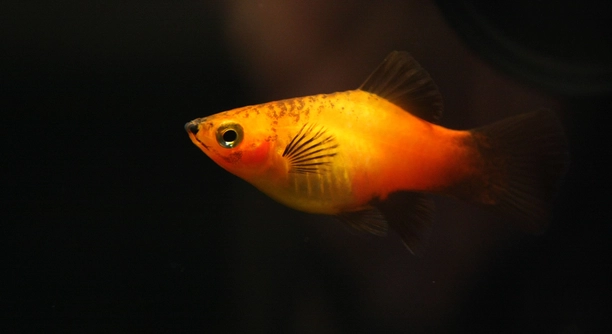
Are your platies suddenly hiding in their tank and leaving you wondering why? It can be worrying when these usually active fish disappear behind plants or decorations. Understanding the reasons behind this behavior helps you care for them better.
Platies hide mainly due to stress, poor water quality, illness, overcrowding, aggressive tank mates, sudden changes in environment, or lack of hiding spots. Identifying the cause is essential for improving their comfort and encouraging normal behavior.
Knowing why your platies retreat can improve their well-being and your enjoyment as a fish owner. This article covers common reasons and practical ways to help them feel safe again.
Stress and Its Impact on Platies
Stress is a common reason why platies hide. Sudden changes in their environment, such as new tank mates, rearranged decorations, or loud noises nearby, can make them feel unsafe. When stressed, platies often seek shelter to avoid perceived threats. Overcrowding can also increase stress levels, making it difficult for them to establish territories or find quiet spaces. Stress weakens their immune system, leaving them vulnerable to diseases. Maintaining a calm, stable environment with enough space and places to hide can reduce stress significantly. Watching for signs of stress early allows you to adjust tank conditions before problems worsen.
Stress affects fish behavior and health in many ways. It is important to recognize stress signals early to keep platies healthy and active.
Platies respond best to gradual changes and peaceful surroundings. Giving them enough room and hiding spots lowers stress and encourages normal behavior. Avoid sudden disruptions and keep the water clean to create a stable habitat.
Water Quality Issues
Poor water quality often causes platies to hide. Ammonia, nitrite, or nitrate levels that rise too high can irritate fish and affect their health. Platies are sensitive to water that is too cold, too warm, or has sudden pH changes. Dirty or unfiltered water stresses them and encourages hiding. Regular testing and maintenance of water parameters are necessary to keep fish comfortable. Proper filtration and partial water changes remove toxins and balance the environment. Clear, stable water quality promotes active behavior and reduces hiding.
Keeping water clean is a simple yet effective way to improve your platies’ health. Consistent care prevents problems before they start. A good routine includes weekly water testing and regular water changes. This keeps harmful chemicals low and the tank environment balanced. Using a reliable filter and avoiding overfeeding help maintain water clarity. When water quality is good, platies feel safe and are less likely to hide. Monitoring your tank regularly protects fish and makes your aquarium more enjoyable to watch.
Illness and Hiding Behavior
Illness often causes platies to hide as a way to protect themselves from threats. Sick fish may feel weak and vulnerable, leading them to stay in sheltered areas. Common signs of illness include lethargy, loss of appetite, and changes in color or fins.
Identifying illness early is crucial for treatment and recovery. Parasites, bacterial infections, or fungal issues can cause hiding behavior. Testing water quality and observing symptoms closely help diagnose problems. Quarantining sick fish prevents spread. Treatment usually involves medication or improving tank conditions. Keeping the tank clean and stress-free supports their immune system.
A healthy diet also strengthens platies against illness. If hiding persists despite good care, consulting a vet or fish expert may be necessary. Prompt action increases chances of recovery and reduces the time your platies spend hidden.
Aggressive Tank Mates
Aggressive tank mates can cause platies to hide frequently. Fish that chase or nip at platies make them feel unsafe. This behavior leads platies to seek refuge in plants or decorations to avoid attacks.
It is important to choose compatible tank mates for platies. Peaceful species reduce stress and encourage natural behavior. Overcrowding or mixing aggressive species increases hiding and stress. Rearranging the tank to create hiding spots helps, but removing aggressive fish may be necessary. Proper monitoring of fish interactions ensures a peaceful environment. Providing plenty of space and cover lets platies feel secure and less prone to hiding.
Lack of Hiding Spots
Platies need places to feel safe. Without enough hiding spots, they may retreat to one corner or stay hidden all the time. Providing plants, caves, or decorations creates a secure environment.
Adding natural or artificial cover helps reduce stress. It gives platies choice and control over their space, encouraging them to explore more freely.
Sudden Environmental Changes
Platies are sensitive to abrupt changes in lighting, temperature, or water chemistry. These shifts cause discomfort and lead to hiding as a coping mechanism. Maintaining steady conditions is essential for their well-being.
Consistent routines and gradual adjustments prevent stress. Sudden disruptions should be avoided to keep platies comfortable and active.
Overcrowding Effects
Too many fish in one tank causes stress and competition. Overcrowding limits swimming space and hiding spots, forcing platies into constant hiding. Keeping an appropriate number of fish per tank size reduces stress and improves behavior.
FAQ
Why are my platies hiding all the time?
Platies hide frequently due to stress, poor water quality, illness, or aggressive tank mates. They also hide when their environment lacks enough cover or when there are sudden changes in their tank. Overcrowding can cause hiding as well. Checking water parameters and tank conditions helps identify the problem.
How can I tell if my platies are sick?
Sick platies often show signs like lethargy, loss of appetite, faded colors, clamped fins, or unusual swimming patterns. If you notice your fish hiding more than usual along with these symptoms, illness is likely. Water testing and quarantine are recommended for treatment.
What is the best way to reduce stress for my platies?
Maintaining stable water conditions, providing plenty of hiding spots, and avoiding sudden changes help reduce stress. Keep tank mates peaceful and ensure the tank is not overcrowded. Regular maintenance and gentle handling also improve their comfort.
Can tank decorations help with hiding behavior?
Yes. Adding plants, caves, or ornaments gives platies places to retreat and feel secure. This reduces stress and encourages natural behavior. Live plants also improve water quality, benefiting overall fish health.
How often should I check my aquarium’s water quality?
Testing water weekly is ideal. Monitor ammonia, nitrite, nitrate, pH, and temperature levels. Consistent testing helps detect problems early and keeps platies healthy. Performing regular water changes supports stable conditions.
What are compatible tank mates for platies?
Peaceful species like guppies, mollies, and corydoras catfish work well with platies. Avoid aggressive or territorial fish that may chase or nip at them. Compatibility reduces stress and hiding behavior.
Is overcrowding harmful to platies?
Yes, overcrowding causes stress, poor water quality, and aggression. It limits swimming space and hiding spots, increasing hiding and health problems. A general rule is one inch of fish per gallon of water.
How do I quarantine new fish to prevent illness?
Set up a separate tank for at least two weeks to observe new fish for disease. This prevents spreading infections to your main tank. Quarantine helps ensure new arrivals are healthy.
Can diet affect platies’ behavior?
A balanced diet strengthens immune systems and improves energy levels, reducing hiding. Feeding high-quality flakes, pellets, and occasional live or frozen foods keeps platies healthy and active.
What should I do if hiding continues despite improvements?
If hiding persists, review tank conditions thoroughly. Consider consulting a fish expert or vet to check for less obvious illnesses or environmental issues. Sometimes behavioral changes take time to reverse.
How quickly can platies recover from stress or illness?
Recovery time varies depending on the cause and treatment. Mild stress may improve in days, while illness could take weeks. Consistent care and a stable environment speed recovery.
Are live plants better than artificial ones for platies?
Live plants improve water quality by absorbing nitrates and providing oxygen. They also offer natural hiding spots. However, healthy artificial plants with no sharp edges can also be effective.
Does lighting affect platies’ hiding behavior?
Strong or sudden lighting changes can cause platies to hide. Soft, consistent lighting with periods of darkness simulates natural conditions and reduces stress.
Can I use medication if my platies hide due to illness?
Yes, appropriate medication can treat infections. Always follow dosage instructions carefully and remove activated carbon from filters during treatment. Monitor fish closely while medicating.
What is the ideal tank setup to minimize hiding?
A well-planted tank with caves, moderate lighting, stable water parameters, and peaceful tank mates encourages platies to be active. Provide enough space to swim and explore comfortably.
Final Thoughts
Platies hiding in your aquarium can feel concerning, but it is often a sign that something in their environment needs attention. Understanding the main reasons why they retreat helps you provide better care. Stress, poor water quality, illness, aggressive tank mates, sudden changes, overcrowding, and lack of hiding spots all play a role in this behavior. By addressing these factors, you create a healthier and more comfortable habitat where platies feel safe and more active. Taking small, consistent steps makes a big difference over time.
Maintaining good water quality is one of the most important actions you can take. Regular testing and water changes prevent harmful chemicals from building up and keep conditions stable. Stable temperature and pH levels support platies’ well-being. Adding plants or decorations gives them places to hide and feel secure without isolating themselves completely. Watching how they interact with other fish helps identify any problems early. Adjusting tank mates or providing more space reduces stress and aggressive behavior. A calm, balanced tank encourages platies to explore and display their natural colors and personality.
It is also important to pay attention to your platies’ health. Illness often causes hiding, so looking for signs like changes in color, appetite, or behavior can help you act quickly. Providing a balanced diet strengthens their immune system and helps prevent sickness. If hiding continues despite changes, consulting a fish expert can provide insight. Patience is key, as recovery and adjustment to new conditions take time. Creating a safe and stable environment allows your platies to thrive and gives you a more enjoyable aquarium experience.

Hello,
If you enjoy the content that we create, please consider saying a "Thank You!" by leaving a tip.
Every little bit helps us continue crafting quality advice that supports the health, happiness, and well-being of pets around the world, for pets of all shapes, sizes, and species.
We really appreciate the kindness and support that you show us!