
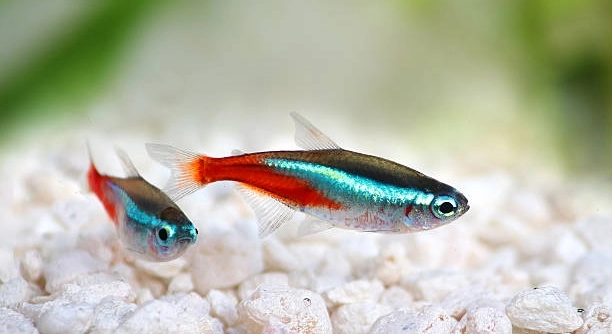
Neon Tetras are popular aquarium fish, known for their vibrant colors and peaceful nature. However, if you’ve noticed them acting hyperactive, it might leave you wondering what is happening with them.
Neon Tetras may suddenly become hyperactive due to various factors, including changes in their environment, water quality issues, or health-related concerns. Stress, overfeeding, or the presence of tank mates can also play a role in their behavior.
Understanding the underlying causes of their sudden hyperactivity is essential for restoring balance in your aquarium. By identifying the factors that contribute to this behavior, you can help your fish return to a more calm and natural state.
Water Quality Issues
Water quality is one of the most important factors affecting the behavior of Neon Tetras. These fish thrive in clean, stable environments, and any changes in water conditions can cause them to act out of character. If the water is too polluted or the pH levels are imbalanced, your fish might become stressed and more active than usual. Neon Tetras are especially sensitive to fluctuations in water temperature and hardness.
Even slight changes in water quality can be harmful, so it’s crucial to regularly monitor levels of ammonia, nitrites, and nitrates. Proper filtration and regular water changes are essential to maintaining a healthy tank environment.
If your fish’s behavior changes suddenly, it’s worth testing the water to ensure the pH, temperature, and hardness are ideal for Neon Tetras. Keeping these factors in check can help calm them down and prevent further stress.
Overfeeding and Poor Diet
Overfeeding is a common cause of hyperactivity in aquarium fish. Neon Tetras can be more active when they are given too much food. When they eat excessively, they may get excited or anxious, leading to increased movement in the tank.
Feeding them an appropriate amount of food is vital. Overfeeding doesn’t only affect their behavior but also water quality, as uneaten food can cause ammonia levels to rise. Neon Tetras do well with small, frequent feedings, and this can help keep their activity levels in check.
In addition, providing a balanced diet with high-quality flakes or pellets helps ensure they get the proper nutrition. Foods with excessive fillers can cause digestive issues, which may also lead to more erratic behavior. Be mindful of the type and quantity of food you offer to avoid overfeeding and keep your fish calm and healthy.
Tank Mates and Social Stress
Neon Tetras are peaceful fish, but their behavior can be easily affected by the presence of other tank mates. Aggressive or overly dominant fish can stress them out, causing them to act more hyperactive. When they feel threatened, they may swim more erratically or hide frequently.
It’s important to carefully choose tank mates that are compatible with Neon Tetras. Fish that are too large or aggressive can cause constant stress, which will reflect in your Tetras’ activity levels. Ideally, you want to have peaceful fish of similar size to prevent bullying or territorial disputes.
Adding plants and hiding spots can also help provide a sense of security. This allows your Tetras to have places where they can retreat if they feel overwhelmed, which will help calm them down and reduce hyperactivity.
Temperature Fluctuations
Temperature fluctuations can have a significant impact on your Neon Tetras. They prefer water that is consistently warm, typically between 72-80°F (22-27°C). Any sudden changes in temperature can stress them out and cause them to swim frantically or become hyperactive.
Make sure your aquarium is equipped with a reliable heater to maintain a stable temperature. Even small drops or rises in temperature can disturb their natural behavior. If the water becomes too cold or too warm, your Tetras may become stressed and act more energetically in an attempt to cope with the discomfort.
Monitoring the temperature regularly with a thermometer is essential. Keeping it steady will help your fish remain calm and reduce any erratic movements. Stability is key to a healthy and stress-free aquarium.
Lighting Changes
Sudden changes in lighting can disrupt your Neon Tetras’ natural rhythm. Bright lights or too much exposure can cause them to become hyperactive, as they might feel overstimulated. It’s important to control the intensity and duration of the lighting in your tank.
If the aquarium lights are too bright or left on for long periods, it can increase stress levels in your fish. Neon Tetras naturally prefer dimmer, softer lighting. They are more active and feel more comfortable when the lighting is balanced. Keeping light cycles consistent and not too harsh will help prevent erratic behavior.
Water Temperature
Inconsistent water temperature can be another factor causing hyperactivity. When the temperature shifts outside the ideal range, your Neon Tetras may feel discomfort, causing them to swim faster or dart around.
It’s essential to keep the temperature stable between 72°F and 80°F (22°C to 27°C) for optimal health. Using a good aquarium heater will help maintain this steady environment. Monitoring the water temperature regularly can prevent sudden changes that might stress your fish. A stable, warm temperature keeps your Neon Tetras calm and comfortable.
Stress from Moving or Rehoming
Moving or rehoming your Neon Tetras can lead to temporary hyperactivity. Changes in their environment, such as a new tank or different water parameters, cause stress, which can make them act more aggressively or erratically.
When introducing your fish to a new home, it’s important to keep the transition as smooth as possible. Allow them time to adjust and monitor their behavior during this period. Stress from rehoming can make them more excitable, but with the right care and patience, they will return to normal.
FAQ
Why are my Neon Tetras swimming in circles?
Neon Tetras swimming in circles is often a sign of stress or disorientation. This can be caused by poor water quality, sudden changes in temperature, or even overcrowding. If the water is not properly filtered or if there are sharp fluctuations in the temperature, your fish might swim aimlessly as they try to cope with their discomfort. Ensure the water conditions are ideal and that the tank isn’t too crowded. If they continue to swim in circles for an extended period, check for any other signs of distress like erratic movement or fin damage.
Do Neon Tetras need a specific water temperature?
Yes, Neon Tetras thrive in a stable water temperature ranging between 72°F and 80°F (22°C to 27°C). Water that is too cold or too hot can lead to stress, causing them to swim more erratically or become hyperactive. Fluctuating temperatures can interfere with their natural behavior, so using a reliable heater is important to maintain consistency. Monitor the water temperature regularly to ensure it stays within this ideal range for your Tetras’ well-being.
Can I keep Neon Tetras with other fish?
Neon Tetras are peaceful and social fish, making them great tank mates for many other species. However, it’s essential to choose non-aggressive fish that won’t stress them out. Fish that are too large or territorial may intimidate or even harm your Neon Tetras, leading to increased activity or hiding. Smaller, similarly peaceful species such as Corydoras catfish or Guppies are excellent companions. Avoid keeping them with fin-nipping or aggressive fish like cichlids.
How do I know if my Neon Tetras are stressed?
Stressed Neon Tetras may exhibit several signs of discomfort, including increased swimming speed, darting, hiding, or erratic movements. They may also display faded colors or clamped fins. Stress can be caused by various factors such as poor water quality, sudden changes in temperature, or aggressive tank mates. Monitoring their behavior and water conditions can help you identify the cause and take action to reduce stress.
What are the best tank conditions for Neon Tetras?
To keep Neon Tetras healthy and calm, the ideal tank conditions include stable, warm water with a pH of 6.0 to 7.0 and a temperature between 72°F and 80°F (22°C to 27°C). They prefer a well-planted tank with plenty of hiding spots to make them feel secure. Filtration should be efficient but not too strong, as Neon Tetras prefer calmer waters. Regular water changes and careful monitoring of ammonia, nitrite, and nitrate levels will help ensure a healthy environment.
Why are my Neon Tetras fighting each other?
Although Neon Tetras are peaceful by nature, occasional aggression may arise if they are overcrowded, stressed, or in a tank with too few hiding spots. Lack of space or resources can make them compete for territory, food, or hiding places. Ensuring the tank is not overcrowded and providing plenty of plants or decorations for hiding can help reduce aggressive behavior. If fighting persists, check water conditions and consider adding more fish to reduce stress.
Can Neon Tetras become more active due to overfeeding?
Yes, overfeeding can lead to increased activity in Neon Tetras. When they are fed too much, they may become overly excited or anxious. Excess food can also pollute the water, leading to higher ammonia levels, which can further stress the fish. To avoid this, only feed your Neon Tetras the amount they can consume within a few minutes. Regular feeding schedules and a balanced diet will help maintain their health and prevent hyperactivity due to overfeeding.
Are Neon Tetras sensitive to light?
Neon Tetras are sensitive to light, and too much brightness can cause them stress, leading to hyperactive behavior. They are naturally found in dimly lit environments, so they prefer softer lighting in the aquarium. Bright lights or prolonged exposure to light can cause them to become agitated or disoriented. Using a dimmer or adjustable aquarium light is ideal, and maintaining a regular light cycle of 10-12 hours a day can help reduce stress.
How often should I change the water for my Neon Tetras?
Regular water changes are crucial for maintaining a healthy environment for your Neon Tetras. Aim to change 20-25% of the tank water every week. This helps remove toxins such as ammonia and nitrates that build up over time. In addition to regular water changes, be sure to monitor water parameters like pH, hardness, and temperature to ensure they remain within the ideal range for Neon Tetras.
What can I do if my Neon Tetras are hiding all the time?
If your Neon Tetras are constantly hiding, it may be a sign of stress or illness. Stress can result from poor water quality, aggressive tank mates, or a lack of hiding spots in the tank. Make sure the water quality is optimal and check if any tank mates are bullying them. Providing more plants or decorations for hiding and ensuring a stable environment can help them feel more secure and reduce their hiding behavior.
Can Neon Tetras live in freshwater only?
Yes, Neon Tetras are freshwater fish, and they do best in freshwater aquariums. They are not suitable for brackish or saltwater tanks. Ensuring the right water parameters for a freshwater setup, including temperature and pH, will help them thrive. Keep their tank clean, and provide them with soft, slightly acidic water to mimic their natural habitat.
Final Thoughts
Understanding why your Neon Tetras are suddenly hyperactive can help you make the necessary adjustments to improve their health and well-being. These small, colorful fish are generally peaceful, but their behavior can change if their environment is not ideal. Factors such as poor water quality, stress from tank mates, overfeeding, and temperature fluctuations can all lead to increased activity levels. Identifying the root cause of this behavior is key to helping your fish return to their calm, natural state.
Ensuring a stable and clean environment is the best way to prevent your Neon Tetras from becoming overly active. Regular water changes, monitoring water quality, and keeping a consistent temperature can greatly reduce stress. Additionally, keeping the tank well-maintained and choosing the right tank mates will help your Neon Tetras feel secure and relaxed. Proper feeding is also important to avoid overfeeding, which can cause stress and lead to erratic behavior. Keeping their food intake balanced ensures they remain healthy and active, but not overly so.
Finally, remember that Neon Tetras, like all fish, are sensitive creatures. Small changes in their environment can have a big impact on their behavior. By paying attention to water conditions, tank setup, and other factors, you can help your Neon Tetras live a happy, healthy life. If their hyperactivity persists, it’s essential to keep investigating potential causes and make adjustments as needed. With a little care and attention, you can create an environment that encourages calm and natural behavior for your Neon Tetras.

Hello,
If you enjoy the content that we create, please consider saying a "Thank You!" by leaving a tip.
Every little bit helps us continue crafting quality advice that supports the health, happiness, and well-being of pets around the world, for pets of all shapes, sizes, and species.
We really appreciate the kindness and support that you show us!