
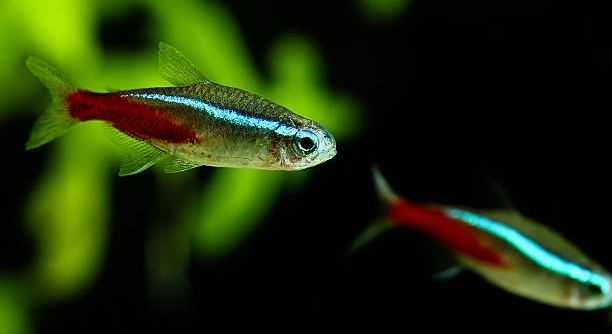
Neon Tetras are popular aquarium fish, known for their vibrant colors and peaceful nature. However, you might notice them rubbing against decorations in their tank, which can be a cause for concern.
The behavior of rubbing against decorations can be due to various factors, including skin irritation, external parasites, or stress. It’s important to identify the underlying cause to properly address the issue and ensure the health of your fish.
Understanding the possible reasons behind this behavior can help you create a better environment for your Neon Tetras. Let’s explore the common causes and how to prevent them.
Skin Irritation and Physical Discomfort
When Neon Tetras rub against decorations, it’s often a sign of physical discomfort. Their skin may be irritated from contact with rough surfaces in the tank, poor water quality, or sharp decorations. It’s crucial to check the tank for any objects that could be causing harm to your fish. Decorations like rocks, plastic plants, or rough gravel can scratch or damage their delicate skin, leading to excessive rubbing. Poor water conditions can also contribute to irritation, especially if the water is too acidic, alkaline, or contains high levels of toxins. Make sure your aquarium has soft, smooth surfaces and regular water changes to keep your Tetras comfortable.
Water quality is another key factor to consider when looking for the cause of irritation. Regular testing of the water’s pH, ammonia, nitrite, and nitrate levels can reveal if something is off. A simple change in water parameters can lead to a stress response in the fish, which may cause them to rub against tank objects. Adding water conditioners or adjusting the filter to keep the water clean will improve the overall environment for your Neon Tetras.
External Parasites
External parasites, like ich or velvet, can cause Neon Tetras to rub against decorations. These parasites irritate the skin, causing the fish to try to relieve the discomfort by scratching against objects. Identifying these parasites early is crucial to effective treatment. If you suspect your fish has parasites, quarantine them and begin medicating immediately.
Parasites like these often result from introducing new fish into the tank without proper acclimation. It’s important to quarantine new fish for at least two weeks before adding them to your main tank. Monitoring the Tetras for signs of parasites, such as small white spots or gold dust, will help you spot and treat the problem early.
Stress and Anxiety
Stress can lead Neon Tetras to rub against decorations. Stress factors include sudden changes in the environment, overcrowding, or aggressive tank mates. When fish feel threatened or uncomfortable, they might scratch against objects as a way to relieve their stress. It’s important to keep the tank environment as stable as possible.
Overcrowding is a major stressor for Neon Tetras. When too many fish are in a small space, it can lead to competition for food, territory, and oxygen. This can result in anxiety, which causes the fish to rub against surfaces to relieve their discomfort. Keeping the tank size appropriate for the number of fish is vital.
Aggressive or territorial fish can also contribute to stress in Neon Tetras. If there are other fish in the tank that chase, nip, or harass the Tetras, this can lead to anxiety. It’s essential to ensure that all fish in the tank are compatible to avoid stressing your Tetras out.
Poor Water Quality
Poor water quality is one of the most common causes of rubbing behavior in Neon Tetras. When the water parameters are off, it can lead to irritation or even skin infections. Tetras are sensitive to changes in pH, ammonia, nitrites, and nitrates, and fluctuations in these levels can cause stress and discomfort.
To maintain good water quality, test the water regularly using an aquarium test kit. If levels of ammonia or nitrites are high, perform a water change immediately to restore balance. Ensure that the tank is properly filtered, and the water is clean and well-oxygenated. Regular maintenance will prevent many water-quality issues.
In addition to chemical imbalances, poor water circulation can contribute to a lack of oxygen in the tank, making it harder for fish to breathe. A filter with good flow and a reliable aeration system can help prevent these issues. Ensuring the water remains clean and properly filtered is key to a healthy environment for your Neon Tetras.
Bacterial or Fungal Infections
Bacterial or fungal infections can also cause Neon Tetras to rub against decorations. Infections often lead to irritation or sores on the skin, which the fish try to soothe by rubbing against objects. If left untreated, these infections can worsen, causing more harm to the fish.
Signs of bacterial or fungal infections include discoloration of the skin, lesions, or swelling. If you notice these symptoms, quarantine the affected fish immediately to prevent the spread of infection. Begin treating with appropriate medications, and ensure the water is clean to aid in recovery.
Tank Compatibility
Not all fish are compatible with Neon Tetras. Aggressive or large fish may bully or chase the Tetras, causing stress and leading them to rub against objects. Ensuring the tank has peaceful tank mates is essential for maintaining the Tetras’ well-being.
In addition to aggressive fish, territorial disputes can also create stress. Tankmates that claim too much space or hideouts may force Neon Tetras into stress-induced behaviors, including rubbing. Be mindful of fish size, temperament, and tank requirements to create a balanced and peaceful aquarium.
Temperature Fluctuations
Temperature fluctuations can contribute to rubbing behavior in Neon Tetras. If the water temperature is too high or low, the fish can become stressed, leading to abnormal behaviors like rubbing. A stable water temperature is crucial for their health.
Neon Tetras thrive in a stable temperature range of 72°F to 78°F (22°C to 26°C). Large temperature changes can weaken their immune system, making them more susceptible to diseases. Keep a reliable aquarium heater and thermometer to ensure the water remains within the ideal range.
FAQ
Why are my Neon Tetras rubbing against each other?
Rubbing between Neon Tetras can be a sign of stress or irritation. They may rub against each other to relieve discomfort caused by parasites, skin irritation, or poor water quality. It’s important to check if any environmental factors, like water parameters or tank mates, are affecting them. If the rubbing seems excessive, it’s worth inspecting the fish for signs of disease or parasites and treating them accordingly.
Can stress cause Neon Tetras to rub against decorations?
Yes, stress is a common cause of this behavior. Factors such as overcrowding, aggressive tank mates, or sudden changes in the environment can cause Neon Tetras to feel anxious or threatened. When stressed, they may rub against decorations to soothe themselves. Ensuring a stable environment and reducing stressors can help minimize this behavior.
How do I know if my Neon Tetras have parasites?
If your Neon Tetras are rubbing against decorations or showing unusual behavior, parasites could be the cause. Look for visible signs of parasites, such as small white spots (Ich) or a dusty, gold appearance (Velvet). These external parasites can irritate the skin, prompting the fish to scratch or rub. If parasites are suspected, quarantine the affected fish and treat them with anti-parasitic medications.
What water conditions should I maintain for my Neon Tetras?
Maintaining proper water conditions is essential for the health of your Neon Tetras. The water should be soft, slightly acidic to neutral, and free of toxins. Regular water changes are important to prevent the buildup of harmful chemicals like ammonia, nitrites, and nitrates. Test the water regularly to ensure it’s within safe levels, and adjust the filtration system as needed.
Can poor water quality lead to Neon Tetras rubbing against decorations?
Yes, poor water quality is a common reason for Neon Tetras to rub against decorations. High levels of ammonia, nitrites, or nitrates can irritate their skin, causing discomfort and leading to rubbing. If the water is cloudy, smelly, or has an off appearance, it’s a sign that the water quality needs attention. Regular testing and water changes can help keep the water clean and reduce the risk of rubbing behavior.
What should I do if my Neon Tetras are rubbing against objects in the tank?
First, inspect the tank for sharp decorations or rough surfaces that could be irritating the Tetras. Next, check the water parameters to ensure they are within safe levels. If parasites or infections are suspected, treat the affected fish with appropriate medications. Consider removing any aggressive tank mates or reducing stress factors in the tank.
How can I prevent Neon Tetras from rubbing against decorations in the future?
To prevent rubbing, ensure the tank is properly maintained with clean, balanced water and smooth, safe decorations. Regularly test the water for harmful chemicals and change it as needed. Keep the tank free of aggressive fish that may cause stress, and monitor the environment to ensure a peaceful setting for your Tetras.
Can Neon Tetras recover from skin infections caused by rubbing?
Yes, if the rubbing is caused by skin infections, Neon Tetras can recover with proper treatment. Quarantine the affected fish, clean the tank to reduce bacteria, and treat them with the appropriate medication. Maintaining clean water and a stress-free environment is key to ensuring full recovery and preventing future issues.
Is it normal for Neon Tetras to rub against decorations occasionally?
Occasional rubbing might be normal, especially if they’re exploring their environment or interacting with objects. However, consistent rubbing or excessive scratching can indicate an underlying issue such as irritation, parasites, or stress. It’s important to monitor their behavior and intervene if necessary.
Can I use aquarium salt to treat rubbing behavior in Neon Tetras?
Aquarium salt can be useful for treating certain skin conditions and parasites in Neon Tetras. It helps with osmoregulation and can relieve stress. However, it should only be used in moderation and after confirming that the Tetras are not harmed by it. Always follow the instructions for dosing and monitor the fish’s response.
What kind of decorations are safe for Neon Tetras?
When choosing decorations for your Neon Tetra tank, opt for smooth, rounded objects like river rocks, soft plastic plants, or silk decorations. Avoid sharp objects or rough decorations that could scratch their delicate skin. Soft plants and decorations provide hiding spots for the fish and reduce the risk of injury.
Can temperature fluctuations cause Neon Tetras to rub against decorations?
Yes, temperature fluctuations can stress Neon Tetras, causing them to rub against decorations. If the water is too hot or too cold, it can weaken their immune system and cause discomfort. It’s important to keep the water temperature between 72°F and 78°F (22°C to 26°C) to maintain a healthy environment for your Tetras.
How often should I change the water in my Neon Tetra tank?
Water changes are essential for maintaining good water quality. For a healthy Neon Tetra tank, aim to change 20-25% of the water every week. This helps to remove excess waste, uneaten food, and toxins that could irritate the fish and cause health problems, including rubbing behavior.
How can I tell if my Neon Tetras are stressed?
Signs of stress in Neon Tetras include abnormal swimming patterns, hiding, rubbing against objects, and loss of appetite. Stress can be caused by poor water conditions, aggressive tank mates, or overcrowding. If you notice these signs, it’s important to evaluate the tank environment and make adjustments to reduce stress.
Can Neon Tetras die from rubbing against decorations?
While rubbing itself is not likely to directly cause death, persistent rubbing can lead to skin injuries, infections, or stress-related health problems that may affect the fish’s overall well-being. If left untreated, these issues could result in serious harm. It’s essential to address the root cause of the behavior to prevent further complications.
Can I treat rubbing behavior in Neon Tetras with medications?
Medications can be used to treat underlying causes of rubbing behavior, such as parasites, infections, or skin irritation. Always identify the root cause before applying any treatment. Anti-parasitic, antibacterial, or antifungal medications may be necessary, but it’s best to consult a vet or aquarium professional for specific recommendations.
Final Thoughts
Neon Tetras are delicate fish that thrive in stable and clean environments. When you notice them rubbing against decorations, it’s important to address the issue quickly. This behavior can be a sign of several problems, such as stress, skin irritation, or external parasites. Identifying the root cause and taking the necessary steps can help prevent further complications and ensure your Tetras remain healthy. Maintaining a peaceful tank environment, good water quality, and proper tank mates are essential for keeping Neon Tetras in good condition.
If you see your Neon Tetras rubbing against objects often, check for signs of illness, parasites, or stress. Parasitic infections are common in freshwater fish, and these can irritate the skin, leading to scratching or rubbing. Infections like Ich or Velvet can spread quickly if not treated, so isolating the affected fish and using appropriate treatments is crucial. Additionally, poor water quality can weaken their immune system, making them more susceptible to disease. Regular water changes, proper filtration, and testing the water are essential steps in keeping your tank environment healthy for all fish.
In the end, keeping Neon Tetras healthy requires attention to their environment and behavior. Regularly monitor your fish, check water parameters, and make sure their tank mates are compatible. Providing hiding spots and reducing stress factors can help prevent unnecessary rubbing. By following proper care guidelines, your Neon Tetras can live a long, healthy life, free from irritation and discomfort.

Hello,
If you enjoy the content that we create, please consider saying a "Thank You!" by leaving a tip.
Every little bit helps us continue crafting quality advice that supports the health, happiness, and well-being of pets around the world, for pets of all shapes, sizes, and species.
We really appreciate the kindness and support that you show us!