
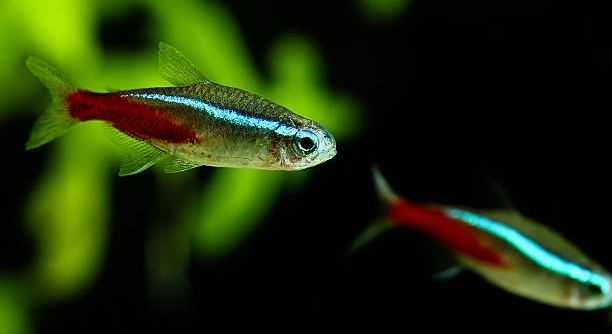
Neon tetras are popular aquarium fish known for their vibrant colors, but if you’re noticing that they’re spitting out their food, it can be concerning. Understanding their behavior and the factors affecting their feeding is key to addressing the issue.
Neon tetras may spit out their food due to a variety of factors, including water quality issues, stress, improper feeding techniques, or an unsuitable diet. Addressing these issues can help ensure they accept and properly digest their food.
Several factors may be at play, and exploring them will help you better understand why your neon tetras are acting this way. Keep reading to uncover the main causes.
Poor Water Quality
One of the most common reasons neon tetras spit out their food is poor water quality. They are sensitive to changes in their environment, and water that is too dirty or unbalanced can affect their feeding habits. High levels of ammonia, nitrites, or nitrates, as well as fluctuating pH levels, can stress your fish. If the water conditions are not right, neon tetras may refuse to eat or spit out their food. Regular water changes and proper filtration are essential to keep the tank environment stable. Test the water regularly to ensure it is within the optimal range for neon tetras.
Water temperature also plays a role in your fish’s behavior. Neon tetras prefer water that is warm, typically between 72°F and 80°F. Cold water can slow down their metabolism, causing them to lose interest in food. If the water temperature is too low or inconsistent, your fish might spit out their food as a result of stress.
Maintaining a clean and stable tank is crucial for the well-being of neon tetras. By adjusting the water quality and temperature, you can improve their feeding behavior and overall health.
Stress and Anxiety
Stress can make it difficult for neon tetras to focus on eating. Fish can get stressed due to various reasons, such as loud noises, sudden changes in the tank, or being kept with aggressive tank mates. Neon tetras are small and naturally skittish, so they may feel threatened or anxious, causing them to spit out their food.
To minimize stress, ensure your fish are kept in a calm environment. Avoid sudden movements or loud noises around the tank. Providing plenty of hiding spaces and plants can also help your neon tetras feel secure and reduce anxiety.
Improper Feeding Techniques
If you’re feeding your neon tetras too much or too little, they might spit out their food. Overfeeding leads to uneaten food floating in the tank, which can pollute the water and cause stress. Similarly, underfeeding can make your fish less interested in food.
It’s important to offer the right amount of food in small portions. Feed them only what they can consume in a few minutes, and remove any leftover food after that. A good rule of thumb is to feed neon tetras twice a day, with an appropriate amount of food. This helps maintain their health and reduces waste in the tank.
Additionally, the type of food you offer can impact their feeding habits. If the food is too large, hard, or not to their liking, your neon tetras may spit it out. Opt for small, high-quality flakes or pellets designed for small tropical fish.
Unfamiliar or Unappetizing Food
Neon tetras can be picky eaters, especially if the food doesn’t match their usual diet. Offering them unfamiliar or poor-quality food can make them hesitant to eat. Neon tetras thrive on a diet of high-quality flake food, small pellets, and occasional live or frozen foods like brine shrimp or daphnia.
If your fish are not familiar with the food you’re offering, they might avoid it. The texture, size, or even smell of the food can be off-putting to them. To encourage feeding, try offering food they have enjoyed in the past. Introducing new foods gradually can help avoid rejection.
Even high-quality fish food may not appeal to your tetras if it’s stale or expired. Ensure the food is fresh and properly stored to maintain its nutritional value and taste. Fresh, varied diets will keep your neon tetras excited to eat and reduce food spitting behavior.
Illness or Disease
Neon tetras that are not feeling well may spit out their food. Illnesses such as internal parasites or mouth infections can cause them to lose their appetite. Symptoms like faded colors or unusual swimming behavior often accompany food rejection.
If you notice any changes in their appearance or behavior, it’s crucial to take action. The first step is to check the water quality, as poor water can contribute to health problems. If the water is fine, you may need to isolate the sick fish and consult a vet for proper treatment.
Poor Tank Environment
A poorly set-up tank can make neon tetras uncomfortable and cause them to stop eating. Factors like overcrowding, the wrong tank mates, or a lack of hiding spots can stress the fish. Stress leads to food refusal.
Ensure your neon tetras have enough space, ideally at least 10 gallons per group. Avoid aggressive fish in the same tank, and provide plants or decorations to create hiding spaces. This will help reduce stress and encourage your neon tetras to feel secure and eat.
FAQ
Why are my neon tetras not eating?
Neon tetras may refuse to eat for a variety of reasons. Common causes include stress, poor water quality, illness, or improper feeding. If your fish are in an environment that is too dirty or if the water parameters are unstable, they might stop eating. Stress can also make them lose interest in food, especially if they feel threatened by other tank mates or loud noises. It’s important to check your water quality regularly, maintain a stable environment, and ensure your fish feel safe. Additionally, if they’re offered food they don’t recognize or don’t like, they may spit it out.
Can neon tetras survive without food for a few days?
While neon tetras can survive without food for a few days, it’s not ideal. Like most fish, they need regular meals to maintain their health. If you plan to be away or can’t feed them for a short period, they can usually manage for a few days. However, extended periods without food can weaken their immune systems, making them more susceptible to disease. It’s best to feed them consistently for their well-being. If you must leave them for longer, consider using an automatic feeder or asking someone to feed them.
How often should I feed my neon tetras?
Neon tetras should be fed two to three times a day, offering only what they can eat in a few minutes. Overfeeding can cause uneaten food to pollute the water, leading to poor water quality, which can harm your fish. Underfeeding may leave them hungry and cause them to spit out their food. Small, frequent meals are better than one large one. Always remove any leftover food to prevent it from decomposing in the tank. Keeping their feeding schedule consistent is key to keeping them healthy and happy.
What should I feed my neon tetras?
Neon tetras thrive on a balanced diet consisting of high-quality flake food, small pellets, and occasional live or frozen foods such as brine shrimp, daphnia, or bloodworms. The main part of their diet should be flake or pellet food designed for small tropical fish. Varying their diet with live or frozen food helps ensure they get a mix of nutrients. Always make sure the food is small enough for them to consume easily. Offering a variety of foods will keep them engaged and less likely to reject their meals.
Do neon tetras prefer live food?
Neon tetras enjoy live food and it can be a great addition to their diet. Live food like brine shrimp, daphnia, or mosquito larvae mimics their natural feeding habits and provides them with added protein and nutrients. However, it should not be the sole component of their diet, as it lacks all the necessary vitamins and minerals they need. While neon tetras love live food, you should always offer a balanced diet that includes high-quality flakes or pellets to ensure they get all the nutrients required for long-term health.
What are the signs of a neon tetra being stressed?
Signs of stress in neon tetras include faded or dull coloration, erratic swimming patterns, hiding more than usual, and refusing food. Stress can be caused by a variety of factors, such as poor water quality, aggressive tank mates, or sudden changes in their environment. If your fish are showing signs of stress, it’s essential to check the water quality, ensure the temperature is stable, and make sure they have plenty of hiding spots. Reducing noise and movement around the tank can also help lessen their stress.
Why are my neon tetras spitting out food?
If your neon tetras are spitting out food, it could be due to several factors. It might be because they don’t like the food, the food is too large for them to eat comfortably, or they are stressed. Poor water quality, illness, and aggressive tank mates can also cause them to reject food. Make sure you’re offering small, high-quality food that is appropriate for their size. Additionally, check the tank environment to ensure it’s clean and stable, and reduce any potential stressors to encourage them to eat.
Can neon tetras eat vegetables?
Neon tetras are primarily carnivores, but they can eat small amounts of plant-based foods. Offering small portions of blanched vegetables like spinach, zucchini, or peas can provide some variety in their diet. However, vegetables should not make up the majority of their food intake. Neon tetras require more protein than plant matter, so their diet should mainly consist of high-quality fish food that caters to their nutritional needs. You can offer vegetables as an occasional treat, but ensure that the rest of their diet is rich in protein.
How do I encourage my neon tetras to eat more?
If your neon tetras are not eating, you can try several methods to encourage feeding. First, ensure the water quality is excellent, as poor water can make fish reluctant to eat. If you’ve recently introduced new food, try offering something familiar that they’ve eaten before. Sometimes, introducing variety in their diet, such as live or frozen foods, can stimulate their appetite. Reduce any stressors in the tank, such as aggressive fish or loud noises, to make your tetras feel safe. If they still refuse to eat, it may be worth checking for signs of illness.
Is it normal for neon tetras to hide?
Yes, it’s normal for neon tetras to seek shelter and hide, especially when they’re stressed or feel threatened. Providing plants, rocks, or decorations can help them feel more secure. They are naturally shy fish, so they may hide during the day and become more active in the evening or when they feel safe. However, excessive hiding may indicate stress or illness. If your neon tetras are hiding more than usual or showing other signs of distress, it’s important to check water quality and examine the overall tank environment for potential issues.
Final Thoughts
Neon tetras are beautiful and peaceful fish, but when they start spitting out their food, it can be a sign of something not quite right. While there are several potential causes, understanding and addressing these issues can help you get your tetras back to their healthy, happy selves. The first step is always to check the water quality. Poor water quality is a common cause of stress, which can lead to food refusal. Testing your water regularly for parameters like pH, ammonia, nitrites, and nitrates will ensure that your tetras are living in an optimal environment. Maintaining the right temperature and providing proper filtration will also play a key role in preventing problems.
In addition to water quality, stress from tank mates, overcrowding, or sudden changes in their environment can make neon tetras more reluctant to eat. It’s essential to provide them with a peaceful, stable environment. Avoid putting aggressive fish or those that might outcompete them for food in the same tank. Providing plenty of hiding spots will help them feel safe and secure. If your tetras are being bullied by other fish, they might stop eating or refuse food as a result of the stress. If necessary, rearranging the tank or adding more hiding spots can help alleviate some of that stress.
Finally, offering a varied and nutritious diet is crucial for keeping your neon tetras healthy. They thrive on high-quality flake food but can also benefit from live or frozen foods like brine shrimp or bloodworms. Make sure to feed them small amounts multiple times a day, and remove any uneaten food promptly. If your tetras continue to refuse food despite having a clean, peaceful environment and a balanced diet, it might be time to consult an expert to rule out any underlying health issues. With the right care, neon tetras will thrive and show their vibrant colors once again.

Hello,
If you enjoy the content that we create, please consider saying a "Thank You!" by leaving a tip.
Every little bit helps us continue crafting quality advice that supports the health, happiness, and well-being of pets around the world, for pets of all shapes, sizes, and species.
We really appreciate the kindness and support that you show us!