
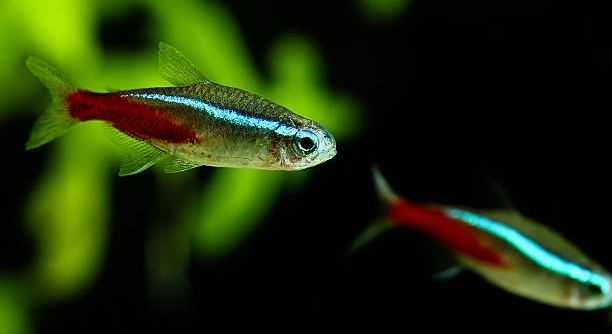
Neon Tetras are small, beautiful fish commonly kept in aquariums. They are known for their bright colors and peaceful nature. However, when these fish suddenly lose their appetite, it can be concerning for any fish owner.
Several factors can cause Neon Tetras to lose their appetite, including poor water quality, stress, illness, or changes in their environment. These fish are sensitive to their surroundings, and any disruption can impact their eating habits.
Knowing the reasons behind their lack of appetite can help you maintain their health. This article will explore the common causes and offer solutions to help your Neon Tetras regain their appetite and thrive in your aquarium.
Poor Water Quality
The water quality in your aquarium is one of the most common reasons for Neon Tetras losing their appetite. These fish are very sensitive to changes in their environment, and poor water quality can cause stress or discomfort, leading them to stop eating. Issues like improper pH levels, ammonia buildup, and high nitrate or nitrite levels can make the water toxic, affecting your fish’s health and appetite. It’s important to regularly check and maintain your aquarium’s water parameters to ensure they stay within safe limits for Neon Tetras.
Even slight imbalances in the water can cause a lack of appetite. Regular water changes and using a reliable water testing kit are key steps to maintaining a healthy environment. If the water quality is not right, your Neon Tetras may refuse food or seem lethargic. Testing the water frequently and adjusting the conditions will help prevent these issues.
Neon Tetras thrive in clean, well-maintained tanks. If your fish are showing signs of loss of appetite, check your water’s temperature, pH, and chemical levels. Ensuring these factors are stable will keep your fish healthy and active.
Stress
Neon Tetras are easily stressed, which can directly impact their eating habits. Common stressors include overcrowding, aggressive tankmates, and sudden changes in the environment. When they feel threatened, they may refuse food and hide more frequently.
Fish that experience stress often show changes in behavior, like swimming erratically or staying hidden. It’s essential to create a peaceful tank environment by adding plants or hiding spots for your Tetras to feel secure. Avoid introducing new fish too quickly and make sure your current tankmates are compatible with them.
Maintaining a peaceful aquarium with the right balance of fish can make a huge difference. Neon Tetras are social and prefer calm settings. By observing their behavior and keeping the tank environment stable, you’ll help reduce stress and encourage them to eat again.
Illness
Neon Tetras can lose their appetite when they are sick. Fish diseases, like parasites or bacterial infections, can make them feel unwell and refuse food. The symptoms of illness often include changes in their appearance, like faded colors or visible sores, and abnormal swimming patterns.
When your Tetras are sick, it’s important to act quickly. Isolate any affected fish to prevent spreading illness. Research the symptoms and get the right medication for the disease. If you are unsure, consult a vet who specializes in aquatic animals. Keeping the tank clean can help prevent future outbreaks.
For Neon Tetras, quick treatment is vital to avoid worsening conditions. Infected fish often stop eating as their bodies focus on fighting the disease. With prompt care and proper medication, many diseases can be managed, and your fish can regain their appetite.
Changes in Tank Environment
Neon Tetras are sensitive to changes in their environment. Moving them to a new tank or altering the water temperature can cause stress and reduce their desire to eat. A sudden change in lighting or substrate can also have a similar effect.
When making changes to your tank, do so gradually. If you’re introducing a new filter or adding decorations, ensure it’s done slowly over time to avoid overwhelming your fish. Monitor their behavior closely during transitions to check for signs of stress, such as loss of appetite or unusual hiding.
Giving your Neon Tetras time to adjust to changes can prevent appetite issues. A stable environment is key to their overall health. Keep the water temperature steady, avoid major disturbances, and provide familiar surroundings for your fish to feel comfortable.
Overfeeding
Overfeeding your Neon Tetras can lead to loss of appetite. When fish are given too much food, they may become overwhelmed or even have digestive issues. Excess food that’s not eaten can also pollute the water, which further harms their environment.
Avoid overfeeding by giving small portions of food that your fish can consume within a few minutes. Uneaten food should be removed quickly to maintain water quality. Overfeeding can also lead to obesity in fish, which may reduce their appetite and overall health.
Providing the right amount of food is crucial for keeping your Neon Tetras healthy. Stick to a feeding schedule, and monitor their eating habits to avoid waste buildup in the tank.
Poor Diet
A poor diet can cause your Neon Tetras to lose interest in food. If their meals lack variety or essential nutrients, they may not feel the urge to eat. It’s important to feed them a balanced diet to keep them satisfied and healthy.
Offering a mix of high-quality flake food, frozen or live foods, and occasional treats can improve their appetite. Providing a variety of options ensures they get all the nutrients they need. Be mindful of the type of food you’re offering and how fresh it is to maintain your fish’s interest.
Tankmates
Aggressive or dominant tankmates can make Neon Tetras feel intimidated, leading to a loss of appetite. If there are fish that chase or nip at them, it could cause them to stress and avoid eating.
Keeping peaceful tankmates with your Neon Tetras is essential. Aggressive fish can disrupt their feeding routine and even cause health issues. A well-balanced aquarium with compatible fish helps ensure that your Tetras feel secure and are able to eat comfortably.
FAQ
Why is my Neon Tetra not eating?
There are several reasons your Neon Tetra might not be eating. Poor water quality is one of the most common causes. Neon Tetras are very sensitive to changes in their environment, and if the water has high levels of ammonia or other toxins, they may stop eating. Stress is another factor, whether from overcrowding, aggressive tankmates, or changes in their environment. Illness can also cause a loss of appetite. If your fish are showing signs of disease, such as faded colors or abnormal swimming behavior, they may refuse food. Overfeeding or offering an unbalanced diet may also lead to a lack of appetite.
How can I tell if my Neon Tetra is stressed?
Stress in Neon Tetras can manifest in several ways. They may swim erratically, hide more than usual, or stay near the bottom of the tank. You may notice them losing their vibrant colors or becoming more aggressive towards other fish. Stress can be caused by factors like sudden changes in water conditions, aggressive tankmates, or overcrowding. Observing their behavior and making the necessary adjustments in the tank environment can help reduce stress and encourage feeding.
How often should I feed my Neon Tetra?
Neon Tetras should be fed small amounts of food once or twice a day. The key is to offer them just enough food that they can eat within a few minutes. Overfeeding can lead to water pollution and digestive problems. If you notice uneaten food, remove it quickly to maintain water quality. Stick to a regular feeding schedule to avoid stress and ensure that your fish are getting the right amount of nutrients.
Can Neon Tetras survive without food for a few days?
Neon Tetras can survive without food for a short period, usually up to 3–4 days. They are small fish with a relatively slow metabolism, which allows them to go without food occasionally. However, leaving them without food for an extended period is not ideal and can weaken their immune system. It’s important to ensure a consistent feeding schedule to keep your fish healthy and active.
Can I feed my Neon Tetra only flakes?
Feeding your Neon Tetra only flakes can be convenient, but it’s not recommended to make it their only food source. A varied diet is crucial to ensure they receive all the necessary nutrients. While flakes provide essential vitamins and minerals, incorporating frozen or live foods such as daphnia, brine shrimp, or bloodworms will give your Tetras more protein and variety. A balanced diet promotes better health and appetite, helping your fish thrive.
How can I make my Neon Tetra eat again?
If your Neon Tetra has stopped eating, the first step is to check the water quality. Poor water conditions can cause stress and loss of appetite. Perform a water test to ensure the pH, ammonia, nitrate, and nitrite levels are within the proper range. Next, observe if there are any aggressive tankmates or environmental changes causing stress. If your fish appear sick, you may need to treat them with the appropriate medication. Providing a varied diet with high-quality food options can also help stimulate their appetite.
Is it normal for Neon Tetras to fast?
It is normal for Neon Tetras to occasionally fast, especially if they are adjusting to a new environment or experiencing minor stress. However, prolonged fasting or continuous loss of appetite should not be ignored. If the fish do not resume eating after a few days, it could indicate an underlying issue such as poor water quality, illness, or stress from tankmates. Monitor their behavior and water conditions closely.
What temperature is best for Neon Tetras?
Neon Tetras thrive in water temperatures between 72°F and 80°F (22°C – 27°C). Sudden changes in temperature can stress them and affect their appetite. It’s important to maintain a stable, warm environment for your fish to keep them comfortable and healthy. A reliable aquarium heater can help regulate the temperature, especially in colder climates.
Can Neon Tetras eat vegetables?
Neon Tetras are primarily carnivorous but will also accept plant-based foods in their diet. Vegetables like spinach, zucchini, and peas can be offered in small amounts, but they should not make up the majority of their diet. While Tetras will nibble on plants, they need protein-rich foods like live or frozen brine shrimp and daphnia for optimal health and appetite.
Do Neon Tetras need a lot of space?
While Neon Tetras are small fish, they do need enough space to swim freely and feel secure. A tank that is at least 10 gallons is recommended for a small group of Neon Tetras. Overcrowding can lead to stress, poor water quality, and competition for food, all of which can cause loss of appetite. Providing plenty of swimming space and hiding spots will help them feel comfortable.
How can I tell if my Neon Tetra is sick?
Signs that your Neon Tetra may be sick include fading or discoloration of their vibrant body colors, unusual swimming patterns (such as swimming sideways or near the surface), and visible lesions or sores. A lack of appetite is also a common sign of illness. If you notice these symptoms, it’s important to isolate the affected fish and begin treatment as soon as possible. Regular water changes and maintaining water quality will help prevent diseases from spreading in the tank.
What should I do if my Neon Tetra is injured?
If your Neon Tetra is injured, the first step is to isolate it in a separate quarantine tank to prevent further harm from other fish. Monitor the injury for signs of infection, such as swelling, redness, or discharge. Clean the water in the quarantine tank frequently and provide a stress-free environment for healing. If necessary, use an aquarium salt bath or consult a vet for further treatment options.
Final Thoughts
Neon Tetras are beautiful, peaceful fish that make a great addition to any aquarium. However, when they lose their appetite, it can be concerning for fish owners. There are several potential causes for this, ranging from poor water quality and stress to illness and changes in their environment. Understanding what might be affecting your fish is the first step in helping them regain their appetite. By addressing the root cause, whether it’s cleaning the water, reducing stress, or providing a balanced diet, you can help your Neon Tetras feel better and eat again.
Maintaining a stable and healthy environment is crucial for keeping your Neon Tetras happy and active. Regular water testing and monitoring the conditions in your aquarium are essential practices. Neon Tetras are sensitive to changes, so any disruption in the water’s temperature, pH, or ammonia levels can make them stressed or sick. In addition to that, it’s important to avoid overcrowding and ensure that their tankmates are peaceful. Aggressive fish can cause stress and disrupt their feeding habits. With a bit of attention to detail, you can prevent many common problems that lead to a loss of appetite in your fish.
If your Neon Tetra continues to refuse food despite improvements in water quality and a more stable environment, it may be time to consider possible illness. Symptoms such as faded colors, unusual swimming patterns, or visible wounds could indicate a health issue. In such cases, isolating the affected fish and providing treatment is important. You may also want to seek advice from an aquatic vet for further diagnosis. With proper care, most issues affecting Neon Tetras can be resolved, allowing your fish to regain their appetite and thrive in your aquarium. Keeping your tank clean, stress-free, and properly fed will ensure that your Neon Tetras live long, healthy lives.

Hello,
If you enjoy the content that we create, please consider saying a "Thank You!" by leaving a tip.
Every little bit helps us continue crafting quality advice that supports the health, happiness, and well-being of pets around the world, for pets of all shapes, sizes, and species.
We really appreciate the kindness and support that you show us!