
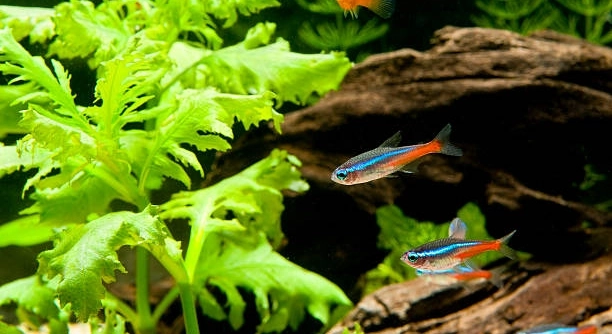
Neon Tetras are popular and vibrant fish that many aquarium enthusiasts enjoy keeping. However, it’s concerning when these fish seem disinterested in food, leading to frustration for their owners. Understanding the possible causes can help restore their healthy appetite.
Neon Tetras may not react to food due to various factors, such as stress, illness, poor water conditions, or improper feeding schedules. Identifying the underlying cause can help you make the necessary adjustments to improve their eating habits.
By addressing these issues, you can help your Neon Tetras regain their appetite and enjoy a healthier, happier life in your aquarium.
Stress or Overcrowding in the Tank
One of the main reasons your Neon Tetras might not be reacting to food is stress. These small fish are highly sensitive to changes in their environment. Overcrowding is a common cause of stress in aquariums. When too many fish are in the tank, there isn’t enough space for each one to feel secure. This stress can result in a lack of appetite. Additionally, if there are aggressive tank mates, your Neon Tetras may feel threatened and avoid eating.
Too much noise, sudden water changes, or poor lighting can also add to the stress. When Neon Tetras are stressed, their immune system weakens, and they may not be able to enjoy their food as they normally would. It’s important to observe the tank environment carefully to check for any signs of stress and make necessary changes.
Reducing the number of fish in the tank or adding plants and hiding spots can help lower stress levels and encourage your Neon Tetras to eat again.
Water Quality Issues
Poor water quality is another significant factor that could be affecting your fish’s appetite. If the water conditions are not ideal, such as improper pH levels, high ammonia, or nitrites, Neon Tetras can become lethargic and refuse to eat. Regular water changes and testing can help you maintain the right conditions for your fish.
Water parameters like temperature, pH, and hardness need to be within a specific range for Neon Tetras to thrive. If these conditions are off, your fish may not be active and could lose interest in food. Maintaining the tank’s cleanliness is also essential, as uneaten food can degrade water quality, making the environment even more stressful.
Ensuring a stable and clean environment can help your Neon Tetras feel comfortable and restore their appetite. Frequent water testing and regular maintenance are crucial to keeping them healthy and well-fed.
Illness or Disease
When Neon Tetras aren’t reacting to food, illness or disease may be to blame. If your fish are showing signs of lethargy, faded colors, or unusual swimming behavior, it’s a strong indication of an underlying health problem. Diseases like swim bladder issues or parasites can suppress appetite.
It’s essential to closely observe your fish for any symptoms of illness. If they are swimming abnormally or hiding more than usual, it may indicate that they’re unwell. Infections or parasites can make it difficult for them to eat. Some fish may also stop eating if they have a fungal or bacterial infection. Early treatment can help prevent further complications and restore their appetite.
Consulting a veterinarian or an expert in fish health can help identify and treat the problem. Treating the illness promptly can lead to a quick recovery and allow your Neon Tetras to regain their normal behavior and eating habits.
Improper Feeding Schedule
Neon Tetras may not react to food if their feeding schedule isn’t consistent. Fish thrive on routine, and irregular feeding times can disrupt their eating patterns. This may cause them to lose interest in food. Overfeeding or underfeeding can also be an issue.
A regular feeding schedule, where you feed your Neon Tetras the right amount of food at consistent times, will help them develop a healthy appetite. Try to feed them twice a day, offering only as much food as they can consume in a few minutes. Avoid overfeeding, as uneaten food can pollute the water and worsen water quality.
Maintaining a feeding routine that works for both you and your fish helps them stay healthy. If you’re unsure of how much to feed, start small and observe their behavior after each meal.
Water Temperature Problems
If the water temperature isn’t right, your Neon Tetras may not feel like eating. These fish prefer a stable temperature range of 72-78°F (22-26°C). Water that’s too cold or too hot can slow down their metabolism, making them disinterested in food.
It’s important to check the water temperature regularly using an aquarium thermometer. If the water is too warm, it can reduce the oxygen levels, making it difficult for your fish to breathe. If it’s too cold, it can cause your fish to become sluggish. Consistent and appropriate temperatures are crucial for their overall health and appetite.
Food Type and Quality
Neon Tetras can be picky eaters. If the food you’re offering isn’t appealing to them, they might ignore it. Make sure you’re providing high-quality food designed for small tropical fish. A variety of options such as flakes, pellets, or live food will keep them interested.
Neon Tetras are small and delicate, so they need food that meets their nutritional needs. Ensure that the food is appropriate for their size and dietary preferences. Fresh or frozen live foods like daphnia, brine shrimp, or bloodworms can stimulate their appetite. Keep their meals varied to prevent boredom.
Tank Lighting
Improper tank lighting can make your Neon Tetras feel uncomfortable. Bright lights may stress them out, causing them to avoid food. Tetras prefer dimmer, more natural light conditions that mimic their natural habitat. Excessive light can cause them to hide and refuse food.
Try using subdued lighting to create a more relaxed environment. A timer can help maintain a natural light cycle, giving your fish the balance of day and night that they need. Experiment with reducing light intensity or using plants to provide natural hiding spots, which can make your Neon Tetras feel more at ease.
FAQ
Why aren’t my Neon Tetras eating?
Neon Tetras may stop eating due to stress, illness, poor water conditions, or improper feeding schedules. Stress from overcrowding, sudden changes in the tank environment, or aggressive tank mates can make them lose their appetite. Illnesses like parasites or infections may also cause them to refuse food. Ensure the water quality is optimal and the temperature is within the correct range. Also, consider feeding them on a consistent schedule, using high-quality food they enjoy.
How can I tell if my Neon Tetra is sick?
Signs that your Neon Tetra is sick include swimming erratically, hiding more than usual, clamped fins, faded colors, or visible lesions. If your fish shows any of these symptoms, it’s essential to isolate it from the rest of the tank and begin treatment immediately. Observe them closely and check for any abnormal behavior. Diseases like swim bladder disorder, parasites, or fungal infections are common in these fish. If you’re uncertain, it’s always a good idea to consult with a professional or veterinarian experienced in aquatic animals.
Is it okay to overfeed my Neon Tetras?
Overfeeding your Neon Tetras can cause several problems, including poor water quality and obesity. They may not eat all the food you provide, which leads to leftover food sinking to the bottom and decaying. This creates ammonia and nitrite buildup in the water, harming both the fish and the overall tank environment. It’s best to feed them only what they can consume within a few minutes, two times a day. Monitoring their food intake is key to maintaining a healthy aquarium.
Can Neon Tetras eat flake food?
Yes, Neon Tetras can eat flake food, but you should make sure it’s of high quality. Flakes designed for small tropical fish are a good option, but keep in mind that flakes can sometimes float and be difficult for Neon Tetras to catch. You can also offer them pellets or live foods like daphnia or brine shrimp to mix things up. A varied diet helps ensure that they get the necessary nutrients, keeping them healthy and active.
Do Neon Tetras need a lot of space?
While Neon Tetras are small fish, they do need enough space to swim freely. A tank that is too small or overcrowded can lead to stress and health issues, causing them to lose their appetite or become more vulnerable to illness. A tank size of at least 10 gallons is recommended for a small group of Neon Tetras. The more swimming space they have, the healthier they will be. Keep in mind that they also need plants or decorations to provide hiding spots and reduce stress.
How can I encourage my Neon Tetras to eat?
If your Neon Tetras aren’t eating, it’s important to check the environment first. Ensure the water conditions are ideal, including temperature, pH levels, and cleanliness. Try offering a variety of foods, including high-quality flakes, pellets, and live or frozen foods. Keeping the tank environment calm with minimal noise and proper lighting also helps. Reduce stress by avoiding overcrowding, and if necessary, give your fish some time to adjust before offering food again. Regular feeding routines can help them develop healthy eating habits.
Can I feed Neon Tetras live food?
Yes, Neon Tetras can be fed live food like brine shrimp, daphnia, or bloodworms. Live food can encourage your Tetras to eat, as it stimulates their hunting instincts. However, you should make sure to offer these foods in moderation and ensure they are sourced from a reliable provider to prevent introducing diseases into the tank. Additionally, live food should be supplemented with dry food to provide a balanced diet, as they may not get all their nutrients from live food alone.
Why are my Neon Tetras swimming at the top of the tank?
Neon Tetras swimming at the top of the tank might indicate a water quality issue, such as low oxygen levels. Poor filtration or a high water temperature can reduce oxygen in the tank, making it harder for your fish to breathe. Check the water parameters and ensure proper filtration. If oxygen levels are low, consider adding an air pump or improving water movement. On the other hand, if your Tetras are just exploring or looking for food, they may swim at the top briefly as part of their natural behavior.
How often should I change the water in my Neon Tetra tank?
For Neon Tetras, it’s important to change 25-30% of the water every week. Regular water changes help maintain water quality and reduce the buildup of harmful substances like ammonia and nitrates. If the tank is heavily stocked or if the water quality starts to deteriorate, you may need to change the water more often. Always use a water conditioner to neutralize chlorine or chloramine in tap water, and ensure the new water is the correct temperature before adding it to the tank.
Do Neon Tetras need a filter?
Yes, Neon Tetras need a filter to maintain clean and healthy water conditions. A filter helps remove waste, uneaten food, and toxins from the water, keeping it safe for your fish. However, the filter should not have a current that’s too strong, as this can stress out your Tetras. A gentle filter or sponge filter is ideal for these small, delicate fish. Make sure to clean the filter regularly to ensure it’s working efficiently and maintaining the appropriate water conditions for your fish.
Final Thoughts
Understanding why your Neon Tetras aren’t reacting to food can be frustrating, but addressing the root causes can help improve their eating habits. Stress, poor water conditions, illness, and feeding issues are common factors that can lead to a loss of appetite in these small fish. By carefully observing their behavior and environment, you can identify potential problems and make the necessary adjustments to help your fish thrive. It’s important to remain patient, as changes may take some time to show results.
Maintaining proper water quality, a consistent feeding schedule, and a stress-free environment are crucial steps in ensuring your Neon Tetras stay healthy and enjoy their meals. Regular water changes, keeping the temperature stable, and offering a variety of high-quality food will keep them interested and nourished. Additionally, avoiding overcrowding and providing plants or decorations for hiding spots can help reduce stress and make your Tetras feel more secure. By taking the time to address these factors, you create an environment where your fish can flourish.
If the issue persists despite your efforts, it may be a good idea to consult an expert or a veterinarian who specializes in fish health. Diseases and infections can sometimes go unnoticed, and professional guidance can help ensure proper diagnosis and treatment. Keep in mind that with the right care, your Neon Tetras will return to their usual, healthy selves, and you’ll be able to enjoy watching them swim happily again.

Hello,
If you enjoy the content that we create, please consider saying a "Thank You!" by leaving a tip.
Every little bit helps us continue crafting quality advice that supports the health, happiness, and well-being of pets around the world, for pets of all shapes, sizes, and species.
We really appreciate the kindness and support that you show us!