
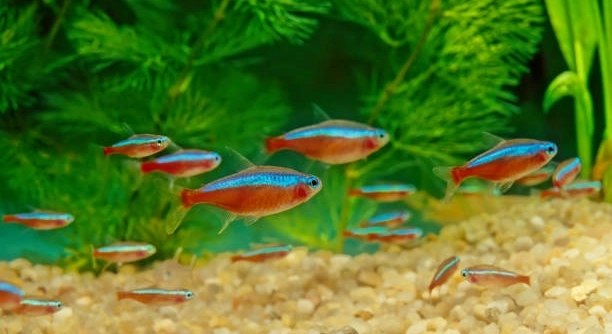
Have you ever watched your neon tetras dart around the tank and wondered if there’s more to their movements than meets the eye?
Neon tetras communicate using body movements, subtle color changes, and group behavior. These methods help them establish social order, attract mates, and stay safe from predators in their aquatic environment.
Learning how they express themselves can give you a better understanding of their needs and make your aquarium a more peaceful home.
How Neon Tetras Communicate in an Aquarium
Neon tetras use a mix of body signals, color changes, and schooling behavior to communicate. These small fish rely on visual cues more than sound. When feeling relaxed, their colors are vibrant and bright, which signals health and calmness. But when stressed, their colors fade, showing discomfort or fear. They also use quick darting movements or slow, gliding patterns to send signals to others in the group. This helps them stay together and move safely in their environment. Communication is constant, even if it looks subtle to us. Their ability to interact with each other plays a big role in how they avoid danger, find food, and maintain balance in the tank.
Neon tetras are peaceful, and their communication keeps aggression low. This makes them easier to keep in a calm community tank with other gentle fish.
Observing their subtle behavior over time helps you understand their mood, health, and how well they’re adapting to their tank. Their signals might be quiet, but they’re always active in expressing themselves. Watching closely will teach you what’s normal and when something may be off. A change in color, activity level, or schooling pattern usually means something in their environment needs adjusting.
7 Fascinating Neon Tetra Behaviors
These small fish are more expressive than they seem at first glance. Their habits are worth paying attention to, especially when they’re comfortable in their tank.
One common behavior is tight schooling. Neon tetras often swim in a group, and when they do, it shows they feel safe. If they suddenly stop schooling or break away, something may be bothering them. Another interesting thing they do is “flashing”—a quick twist of their bodies, often used when establishing roles within the group. You might also see them slowly chasing each other during breeding periods, a sign of courtship. Sometimes they freeze in place, which can look odd but is often just a moment of alertness or adjustment. Pecking at objects or plants isn’t aggression—it’s usually curiosity. They also become more active during feeding times, darting around quickly but without aggression. At night or in dim light, their colors may dim as they rest or relax. These small cues are easy to miss, but they tell a full story about how your neon tetras are feeling.
What Their Colors Really Mean
Bright neon blue and red stripes show that neon tetras feel safe and healthy. When the colors fade, it’s often a sign of stress, illness, or sudden changes in their environment like lighting, water temperature, or even loud noises nearby.
Color changes are one of the clearest ways neon tetras express how they feel. When they are resting or sleeping, their colors may dim naturally, especially during the night or in low lighting. If they suddenly lose brightness during the day, it could mean something is wrong in the tank. Stress from overcrowding, poor water quality, or new fish can cause these changes. In some cases, illness or parasites may also affect their color. Watching their coloring daily helps you notice any changes early. A gradual return to brightness after a water change or calm environment shows that they’re recovering.
During social interactions, color plays a big role. Brighter tetras are usually more dominant and confident. If a fish is trying to court another, it may flash its colors more intensely to gain attention. On the other hand, a dull or patchy pattern may signal submission or discomfort. These visual changes are important for how they manage space, relationships, and even feeding time in the tank.
How They Use Schooling to Stay Safe
Staying in a group helps neon tetras avoid threats. They feel secure when surrounded by others and become anxious when alone. A tight school means they feel safe, while a loose group may show stress.
Schooling behavior is one of their most important survival tools. In the wild and in tanks, moving together helps confuse predators and protect the group. When all fish shift direction at once, it becomes harder for a predator to lock onto a single target. In your tank, a healthy school swims in unison, often calmly gliding or quickly changing direction together. If one fish swims apart or hides, it’s often a sign of discomfort, illness, or feeling unsafe. Adding too many tank decorations or housing them with aggressive fish can disrupt this natural schooling. To keep them close together, maintain steady lighting, avoid sudden changes, and house them in groups of at least six.
Why They Sometimes Chase Each Other
Chasing behavior usually means one fish is trying to show dominance or is initiating mating. It can look aggressive, but it’s often harmless if it doesn’t lead to injury or constant stress in the group.
If chasing becomes frequent or one fish is always the target, check for overcrowding or imbalance in male-to-female ratios. Sometimes adding more plants or hiding spaces helps reduce this behavior.
The Role of Resting and Stillness
Neon tetras may pause and stay still for short periods, especially during the night or when lights are dim. This isn’t always a sign of illness. Resting helps them recover energy and stay alert. If stillness lasts too long or is paired with fading colors or isolation, something may be wrong.
What Their Feeding Behavior Shows
During feeding, neon tetras show excitement by darting quickly and eating in short bursts. Sluggish behavior could mean stress or poor water conditions.
FAQ
How do neon tetras communicate with each other?
Neon tetras communicate primarily through body language and color changes. When they swim together, their movements help keep the group coordinated and safe. They also use color shifts to express emotions like stress, excitement, or aggression. For example, when they are feeling threatened, their colors may fade, signaling unease to others in the group. On the other hand, bright and vibrant colors show confidence and health. The way they swim—whether they stick tightly together or spread out—also communicates how comfortable or stressed they feel.
Why do neon tetras swim in schools?
Schooling is a natural behavior that helps neon tetras stay safe from predators. By moving together, they confuse potential threats, making it harder for predators to target an individual. A tight school means the fish feel secure, while scattered or isolated individuals may indicate stress or discomfort. Schooling also plays a role in their feeding behavior, as they often feed together in groups, looking for food in the same area. It’s a way for them to strengthen social bonds and improve their chances of survival.
What does it mean when a neon tetra’s colors fade?
When a neon tetra’s colors fade, it usually signals stress or discomfort. This could be caused by a variety of factors, such as poor water quality, sudden temperature changes, or overcrowding. A neon tetra’s color intensity is closely tied to its overall health and environment. If the colors stay dim for an extended period, it’s important to check their water parameters, tank mates, and overall tank conditions. In some cases, fading colors may also be a sign of illness, so monitoring their behavior and seeking veterinary advice may be necessary.
How can I tell if my neon tetra is stressed?
Stressed neon tetras will often exhibit behavior changes such as color fading, erratic swimming, or hiding more often than usual. They may also stop schooling with the group, swim in circles, or remain in one spot. If your neon tetra seems less active or is eating less, these could be signs of stress. It’s important to address the underlying cause, which could include overcrowding, water temperature fluctuations, or poor water quality. Ensuring the right tank setup and introducing fish gradually can help reduce stress.
Why do neon tetras chase each other?
Chasing in neon tetras can be a form of playful behavior, but it is often a sign of dominance or courtship. Male neon tetras may chase females as part of their mating ritual. If chasing becomes aggressive or constant, it could be a sign of territorial disputes or stress. To reduce chasing, it may help to maintain a balanced male-to-female ratio in the tank and ensure there are enough hiding spots for the fish to feel secure.
Are neon tetras aggressive toward other fish?
Neon tetras are not typically aggressive, making them ideal for community tanks with other peaceful species. However, they may display some aggression toward their own kind, especially during breeding or when there is not enough space. They tend to get along with other non-aggressive fish, but they should not be kept with larger, more aggressive species that could harm them. Neon tetras thrive in calm environments with other peaceful fish.
How do I make my neon tetras feel comfortable in the tank?
To keep your neon tetras comfortable, ensure they have plenty of space to swim and hide. A well-planted tank with smooth decorations or rocks will give them places to explore and hide when they feel threatened. Maintaining stable water parameters, including temperature, pH, and filtration, is crucial for their health. They prefer soft, slightly acidic water and temperatures between 72°F and 78°F. Keeping the tank clean, with regular water changes, will help prevent stress and illness. Also, ensure they are housed with non-aggressive species to promote a peaceful environment.
Do neon tetras like to hide?
Yes, neon tetras do like to hide, especially when they feel threatened or stressed. They are naturally shy and will seek out hiding places to feel safe. Providing plenty of plants, driftwood, and other decorations in the tank will give them places to retreat to. However, in a well-maintained, calm tank, they may spend more time swimming openly, especially if they are in a group. If your neon tetras are hiding excessively, it could be a sign of stress, poor water quality, or aggression from other tank mates.
What should I feed my neon tetras?
Neon tetras are omnivores, and their diet should include high-quality flake food, live or frozen foods, and occasional plant matter. They enjoy eating small, protein-rich foods like brine shrimp, daphnia, or micro worms. You can also offer them finely chopped vegetables, such as spinach or zucchini, but protein should make up the majority of their diet. It’s important to feed them in small amounts to avoid overfeeding and water contamination. Neon tetras will also benefit from a varied diet that provides them with the necessary nutrients to stay healthy.
How do I know if my neon tetra is sick?
A sick neon tetra may exhibit signs like faded colors, lethargy, loss of appetite, or unusual swimming behavior. They may also swim erratically, scrape their bodies against surfaces, or isolate themselves from the group. If your neon tetra appears sick, it’s important to isolate the affected fish and check the water conditions immediately. Poor water quality is often the cause of illness in aquarium fish. Consult an aquarium vet if symptoms persist or worsen. Early detection and treatment can help prevent the spread of illness to other fish in the tank.
How often should I change the water in my neon tetra tank?
It’s recommended to change about 25-30% of the water every two weeks for a neon tetra tank. If the tank is heavily stocked or if you notice the water quality deteriorating faster, you may need to change the water more frequently. Regular water changes help maintain stable water parameters and remove waste, preventing issues like ammonia buildup. Always test the water before and after changes to ensure the conditions are optimal for your tetras.
Neon tetras are fascinating little fish that communicate in ways many aquarium owners may not fully realize. Their behavior can provide valuable insight into their mood and well-being. From their vibrant colors to their schooling patterns, neon tetras express themselves through a variety of subtle signals. By understanding these signs, you can create a more comfortable environment for them, reducing stress and promoting a healthy, thriving tank. Observing their interactions, color changes, and movement patterns can help you catch any issues early, ensuring your fish remain happy and healthy.
While neon tetras are generally peaceful and easy to care for, their behavior does require attention. Factors like tank size, water quality, and the presence of other fish can all affect how they interact with their surroundings and each other. A stable, calm environment is essential for them to feel secure enough to show their natural behaviors. It’s important to remember that they are social creatures, and keeping them in groups of six or more will help reduce stress and foster a healthy school dynamic. Proper feeding, regular water changes, and maintaining appropriate water conditions will also support their well-being.
In conclusion, neon tetras are more than just beautiful additions to your aquarium—they are active communicators that rely on their environment to express their needs. By understanding their behavior, you can create a habitat that caters to their natural instincts and ensures their long-term health. Whether it’s through their striking colors, playful schooling, or occasional chasing, neon tetras offer a glimpse into the subtle world of aquatic communication. Keeping a watchful eye on their behavior allows you to address any concerns quickly, ensuring they stay vibrant and content in your tank.

Hello,
If you enjoy the content that we create, please consider saying a "Thank You!" by leaving a tip.
Every little bit helps us continue crafting quality advice that supports the health, happiness, and well-being of pets around the world, for pets of all shapes, sizes, and species.
We really appreciate the kindness and support that you show us!