
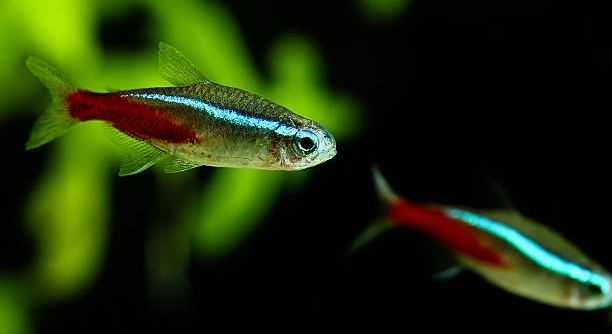
Neon Tetras are peaceful fish, but sometimes they may start fighting. This can be concerning for aquarium owners, especially if you are unsure of the cause behind this behavior. Understanding why this happens is key.
The main cause of fighting among Neon Tetras is territorial behavior or overcrowding. Limited space, poor water conditions, and aggression between males can contribute to these conflicts. Ensuring a suitable environment for these fish can help reduce aggression.
Addressing the underlying causes will help maintain harmony in your tank. With a few simple steps, you can improve their well-being and reduce fights.
Why Neon Tetras Fight
Neon Tetras are generally calm, but they may become aggressive if their needs aren’t met. They thrive in well-maintained tanks with plenty of space and the right water conditions. If their environment isn’t optimal, they can start fighting over territory or mates. It’s important to keep the tank size appropriate, as overcrowding can make the fish stressed and more likely to argue. Additionally, poor water quality can lead to discomfort, which also fuels aggression. Male Neon Tetras, especially when they are vying for dominance, are more likely to fight. Over time, persistent fighting can cause harm, so understanding how to prevent these behaviors is key.
Improving water quality and tank size is an easy way to reduce fights. If the environment is not favorable, even the most peaceful fish can become aggressive.
Another factor is the presence of sharp decorations. These can create hiding spots where the fish can claim territory. If the tank lacks plants or structures for them to explore, it may increase their tendency to fight. Proper tank setup is essential for minimizing stress, so always be mindful of creating a balanced environment. Adding plants and hiding spots can help keep them calm. Ensure the tank isn’t overcrowded and that each fish has a chance to find a safe space. Proper water conditions are also essential; fish that are stressed due to poor water quality are more likely to display aggressive behavior. Regular water changes and monitoring the pH levels will go a long way in maintaining peace in the tank.
How to Prevent Fighting
The first step to preventing fights is ensuring that the tank is large enough for your fish. Keeping more than one Neon Tetra in a small space will only create stress and tension.
Maintaining a peaceful tank with Neon Tetras involves more than just adequate space. Proper filtration, regular cleaning, and providing hiding spots are essential. An overcrowded tank can lead to stress, so always make sure there is enough space for each fish to swim and claim a small territory. Adding plants or decorations will also give your Neon Tetras places to explore, helping to reduce any territorial disputes. This setup allows them to avoid direct confrontation by having more options to swim freely.
Having a balanced tank setup is important not only for reducing fighting but also for promoting the health of your Neon Tetras. A well-maintained tank will ensure that the fish are less stressed and more likely to coexist peacefully. However, it’s also important to pay attention to water quality. High ammonia or nitrite levels can stress the fish, increasing their chances of fighting. Regular water changes and filtration maintenance are essential in keeping these levels in check.
Tank Size Matters
Neon Tetras need enough space to move freely. If your tank is too small, they will feel cramped and stressed, which can lead to fights. The recommended tank size for a small group of Neon Tetras is at least 10 gallons. This allows each fish to establish its own space.
A 10-gallon tank is generally the minimum for a group of Neon Tetras. A larger tank is even better, as it reduces stress and provides more opportunities for the fish to explore and avoid conflicts. Neon Tetras are small, but they still need room to swim in schools, which helps reduce aggressive behavior. The larger the tank, the easier it is to maintain stable water parameters, which further helps keep the fish calm.
Adding a larger tank will also create better conditions for filtration. With more space, the filter has a larger area to process waste and maintain water quality. This helps to prevent the accumulation of harmful substances, such as ammonia and nitrites, which can make your Neon Tetras more stressed and prone to fighting.
Water Quality Control
Water quality directly affects the behavior of your Neon Tetras. Poor water conditions, such as high ammonia or nitrite levels, can lead to stress, making the fish more likely to fight. Regular water changes and a reliable filtration system are key in maintaining a healthy environment.
To keep water quality in check, monitor the pH levels and ammonia concentrations regularly. Aim for a stable, slightly acidic pH (between 6.0 and 7.0), which is ideal for Neon Tetras. Test the water frequently and change 25-30% of the water every week to ensure optimal conditions. Ammonia and nitrites should always be at zero to prevent stress, as even small spikes can harm your fish.
Filtration plays a big part in keeping water clean. Make sure the filter is appropriately sized for your tank and can handle the amount of waste produced by the fish. A good filter will help keep the water clear and maintain healthy oxygen levels, which are crucial for your Neon Tetras’ overall health.
Adding Hiding Spots
Neon Tetras need places to retreat when they feel threatened. Adding plants, rocks, and caves can provide hiding spots that help reduce stress. This allows them to have a safe space to escape from others when needed, minimizing conflict.
Providing hiding spots will allow Neon Tetras to establish territories and reduce the likelihood of aggression. Adding live or artificial plants creates a more natural environment. It also gives the fish a place to swim through, helping to alleviate stress. For additional hiding spots, use caves or decorations. This setup promotes peace among your fish.
Fish Tankmates
Not all fish are suitable tankmates for Neon Tetras. Aggressive species may target them, leading to stress and fighting. It’s best to choose peaceful species that won’t compete for territory or food, such as other small community fish.
When selecting tankmates for your Neon Tetras, consider their temperament and size. Peaceful fish, like Corydoras catfish or small rasboras, are ideal choices. Avoid aggressive species, such as larger cichlids or fast-moving fish, as they can stress out the Neon Tetras, triggering aggressive behavior. Always research tankmate compatibility before adding new fish.
Feeding Habits
Overfeeding can contribute to fighting among Neon Tetras. Uneaten food settles at the bottom, causing water quality issues and encouraging competition for the available food. Feeding the right amount reduces stress and the potential for conflict.
Ensure you feed your Neon Tetras in moderation. Provide small amounts of food at regular intervals to avoid overfeeding. Excess food can pollute the water and lead to aggression. When feeding, scatter the food across the tank to allow all the fish to have access to it.
FAQ
Why are my Neon Tetras fighting?
Neon Tetras may fight due to overcrowding, poor water quality, or lack of space. They are territorial fish and, when stressed, will become more aggressive. Limited tank space and lack of hiding spots often increase aggression. Males may fight over territory or mates. Ensuring a suitable environment with adequate space, proper water conditions, and hiding spots will help reduce aggression.
Can I keep multiple male Neon Tetras together?
Multiple males can be kept together, but it often leads to fighting. Male Neon Tetras can be territorial and may compete for space or mates. It’s best to keep a ratio of one male to several females to reduce the likelihood of aggression. Alternatively, consider increasing the size of the tank to give the males more space.
How can I reduce fighting among my Neon Tetras?
To reduce fighting, increase tank size, improve water quality, and add plants or decorations that create hiding spots. These measures help provide personal space for each fish, reducing stress and territorial disputes. Additionally, maintaining a proper male-to-female ratio and avoiding overcrowding will keep the fish calmer.
What tank size is best for Neon Tetras?
The minimum recommended tank size for a group of Neon Tetras is 10 gallons. This size allows the fish to swim freely and reduces territorial conflicts. A larger tank with more space will further decrease stress and aggression. A well-maintained tank with proper filtration ensures better water quality, which helps to keep the fish calm.
Can Neon Tetras live with other fish?
Yes, Neon Tetras can live with other peaceful fish. They are best kept with small, non-aggressive species like Corydoras catfish or small rasboras. Avoid larger or more aggressive fish, such as cichlids or bettas, as they may bully or harm the Neon Tetras. Always research the compatibility of potential tankmates before introducing them.
How often should I change the water in my Neon Tetra tank?
It’s recommended to change 25-30% of the water in your Neon Tetra tank every week. Regular water changes maintain clean water conditions and help reduce the buildup of ammonia and nitrites, which can cause stress and lead to fighting. Ensure that the water temperature and pH levels are appropriate for the fish when doing water changes.
Are Neon Tetras sensitive to water conditions?
Yes, Neon Tetras are sensitive to water conditions. They thrive in slightly acidic water with a pH of 6.0-7.0. They also prefer temperatures between 70-81°F. Ammonia, nitrite, and nitrate levels should always be kept in check to avoid stress. Poor water quality can lead to weakened immune systems, aggression, and health issues.
How many Neon Tetras should I keep together?
Neon Tetras should be kept in groups of at least six. These fish are schooling fish, and they feel more secure when they are in a group. A small group can lead to stress, which increases the chance of fighting. A larger group allows the fish to spread out, reducing territorial disputes and making them feel more comfortable.
Can I add more Neon Tetras to my tank?
You can add more Neon Tetras to your tank, but it’s important to consider the size of your aquarium. Ensure the tank is large enough to accommodate the additional fish without overcrowding. Adding too many fish at once can overwhelm the filtration system and disrupt the water balance. It’s best to add fish gradually.
What are the signs of stress in Neon Tetras?
Signs of stress in Neon Tetras include faded colors, unusual swimming patterns, loss of appetite, and aggression. Stressed fish may also hide more often or become more territorial. Stress can be caused by poor water conditions, overcrowding, incompatible tankmates, or lack of hiding spots. Identifying stress early can help prevent further issues.
How can I create a stress-free environment for Neon Tetras?
To create a stress-free environment, maintain a clean tank with stable water conditions, including a temperature of 70-81°F and a pH level between 6.0 and 7.0. Avoid overcrowding and provide plenty of hiding spots with plants or decorations. Keep the tank well-filtered and perform regular water changes to keep the water clear and fresh.
Why is my Neon Tetra swimming erratically?
Erratic swimming can be a sign of stress, illness, or poor water quality. If your Neon Tetra is swimming in circles or darting around the tank, check the water parameters, such as ammonia, nitrite, and pH levels. If the water is fine, the fish may be stressed due to overcrowding, aggressive tankmates, or illness.
How do I know if my Neon Tetras are breeding?
When Neon Tetras breed, they often swim together in a close-knit group, and the females may display rounder bellies due to the presence of eggs. The males will chase the females, and the pair will scatter eggs on plants or substrate. You may notice more hiding behavior in the females as they prepare to spawn.
Can Neon Tetras eat plants in the tank?
Neon Tetras are generally not plant eaters, but they may nibble on soft plants if they are hungry or stressed. Most of their diet should consist of small, high-quality pellets, flakes, or live foods like brine shrimp. If your plants are being damaged, check for signs of hunger or water quality issues.
How do I prevent overcrowding in my Neon Tetra tank?
To prevent overcrowding, calculate the appropriate number of fish based on your tank size. A general rule is one inch of fish per gallon of water. Keep in mind that Neon Tetras are small, but they still need space to swim and establish territories. Overcrowding leads to stress and increased aggression.
Final Thoughts
Neon Tetras are peaceful fish, but they can become aggressive if their environment isn’t suitable. Stress from overcrowding, poor water quality, or lack of space can cause them to fight. To ensure a healthy and calm tank, it’s important to create a proper environment for your fish. By maintaining stable water conditions, providing plenty of hiding spots, and avoiding aggressive tankmates, you can reduce the likelihood of fighting among your Neon Tetras.
When choosing tankmates, make sure they are peaceful and similar in size. Aggressive or overly large fish can stress your Neon Tetras and cause them to become defensive. It’s also crucial to maintain a good male-to-female ratio, as this can prevent territorial disputes. If you notice any signs of fighting, such as fin nipping or aggressive chasing, consider adjusting your tank setup or introducing more hiding spots. This will give your Tetras a place to escape and reduce the need for conflict.
Regular maintenance is key to keeping your Neon Tetras happy and healthy. Regular water changes, proper filtration, and ensuring the correct temperature and pH levels are vital for their well-being. Keeping the tank clean and providing a stable, stress-free environment will help your Neon Tetras thrive. If fighting continues despite your efforts, consider observing the fish closely to identify any specific issues or conflicts. In many cases, adjusting the tank conditions or adding more fish will help restore harmony to the aquarium.

Hello,
If you enjoy the content that we create, please consider saying a "Thank You!" by leaving a tip.
Every little bit helps us continue crafting quality advice that supports the health, happiness, and well-being of pets around the world, for pets of all shapes, sizes, and species.
We really appreciate the kindness and support that you show us!