
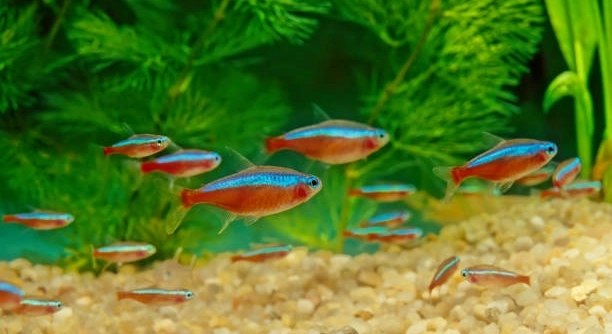
Algae can quickly take over a Neon Tetra tank, making it difficult to maintain a healthy environment for your fish. Keeping the tank algae-free requires consistent care and proper maintenance. This article covers seven effective methods to achieve this.
To keep a Neon Tetra tank algae-free, proper water management, regular cleaning, and maintaining optimal lighting are essential. Using algae-eating creatures and controlling nutrient levels will further prevent algae growth, ensuring a healthy and clean aquarium.
With the right approach, maintaining an algae-free tank is simpler than it seems. These methods will help keep your tank sparkling and your fish thriving.
Proper Tank Lighting
Lighting plays a significant role in preventing algae growth in your Neon Tetra tank. Algae thrive under certain lighting conditions, so ensuring your tank has a balanced light schedule is crucial. Neon Tetras need about 8 to 10 hours of light each day. Too much light can lead to algae bloom, while too little can impact your fish’s health. A timer for your aquarium light can be a simple but effective way to regulate light exposure consistently.
Use energy-efficient LED lights, which are less likely to promote algae growth. Avoid keeping lights on for extended periods, as this can mimic the conditions needed for algae to multiply. Regularly cleaning the light fixture will also help prevent algae from accumulating on it. A controlled light environment will limit the conditions that allow algae to thrive, creating a healthier tank overall.
With proper lighting, you’ll not only reduce algae growth but also create a more stable and healthy environment for your Neon Tetras. Keeping track of lighting duration will help ensure your fish stay in optimal conditions.
Water Quality Control
Maintaining water quality is essential for preventing algae growth. Proper filtration and regular water changes keep the tank clean, removing excess nutrients that algae feed on. Poor water quality can lead to an overabundance of organic matter, which fuels algae growth. Regular testing of water parameters such as pH, nitrate, and ammonia levels will help you monitor tank health.
Having a reliable filter is key to removing waste and keeping the water clean. Additionally, change 25-30% of the water every two weeks to avoid nutrient buildup that may contribute to algae. Keeping a consistent water change schedule ensures your tank remains free from algae-promoting compounds.
Algae-Eating Fish and Invertebrates
Adding algae-eating fish or invertebrates to your tank can help keep algae under control. Species like Nerite snails, Amano shrimp, and Otocinclus catfish are great natural cleaners. These creatures feed on algae, preventing it from taking over.
Amano shrimp are excellent at consuming algae, especially on plants and decorations. They are small and easy to care for, making them a good choice for smaller tanks. Otocinclus catfish are also effective algae eaters, particularly in tanks with live plants. Their peaceful nature ensures they won’t harm your Neon Tetras.
Nerite snails are another reliable option. They are known for their ability to clean glass, removing algae without disturbing other tank inhabitants. However, be mindful that some snails may reproduce quickly, potentially leading to an overcrowded tank. Regularly removing excess snails will prevent this from becoming an issue.
Limit Excess Nutrients
Excess nutrients are one of the main contributors to algae growth in your tank. Overfeeding your fish can lead to uneaten food sinking to the bottom, where it decomposes and releases nutrients. Be mindful of the amount of food you provide and avoid overfeeding.
Keep track of the types of food you offer and adjust portions as needed. A good rule of thumb is to feed your fish only what they can consume in a few minutes. This ensures they get the proper nutrition without excess waste polluting the tank.
Maintaining proper filtration will also help remove excess nutrients. A filter with biological media will assist in breaking down organic waste before it becomes a problem. Regular water changes will further help reduce nutrient buildup, keeping algae at bay.
Regular Tank Cleaning
Regular cleaning is key to preventing algae buildup in your tank. Make sure to clean the substrate, filter, and decorations on a consistent basis. This removes waste and organic material that algae feed on. A clean tank will not only help keep algae at bay but also promote overall tank health.
Vacuum the substrate during water changes to remove any uneaten food or debris. Wipe down the glass and remove any visible algae spots to prevent them from spreading. Cleaning the filter once a month will ensure it runs efficiently, removing particles that could contribute to algae growth.
Control Tank Temperature
Maintaining the correct temperature in your tank is essential for both your fish’s health and algae control. Neon Tetras thrive in water temperatures between 72°F and 80°F. Algae tend to grow faster in warmer water, so controlling temperature can slow their growth.
A heater with an adjustable thermostat will help maintain stable water temperature, preventing fluctuations that may encourage algae. Monitor the temperature regularly using a thermometer to ensure it stays within the ideal range for your fish and reduces conditions that promote algae.
Use of UV Sterilizers
A UV sterilizer can help keep algae in check by removing algae spores from the water. The sterilizer uses ultraviolet light to kill microscopic algae, preventing them from growing into visible blooms. This is particularly useful in tanks with persistent algae problems.
UV sterilizers are easy to install and can be connected to your filtration system. They are effective at treating green water caused by free-floating algae. However, they are not a solution for algae on surfaces, so regular tank cleaning is still necessary. A UV sterilizer is an excellent addition to your algae prevention routine.
FAQ
How can I prevent algae from growing in my Neon Tetra tank?
The best way to prevent algae growth is by maintaining good water quality. Regular water changes, using a reliable filter, and controlling lighting will significantly reduce algae growth. Be mindful of the nutrients in the water, such as nitrates and phosphates, which feed algae. Adding algae-eating creatures like snails and shrimp can help manage the issue.
What is the ideal lighting for a Neon Tetra tank?
Neon Tetras do well with about 8 to 10 hours of light each day. Too much light can encourage algae growth, so avoid leaving the tank light on for too long. Consider using a timer to regulate light exposure. Using energy-efficient LED lights can also help.
Can I rely on algae-eating fish alone to control algae?
While algae-eating fish can help manage algae, they are not a complete solution. They can assist by eating small amounts of algae, but you still need to maintain a clean tank, monitor water quality, and ensure proper lighting. A combination of methods is the most effective way to control algae.
How often should I clean my tank to prevent algae?
You should clean your tank at least once a month. This includes vacuuming the substrate, wiping down the glass, and cleaning any decorations. However, regular maintenance, such as cleaning the filter and performing partial water changes every two weeks, is also essential to prevent algae buildup.
What are the best algae-eating creatures for a Neon Tetra tank?
A few good options for algae-eating creatures include Nerite snails, Amano shrimp, and Otocinclus catfish. These species are known for their ability to consume algae without harming your Neon Tetras. Be sure to monitor their population, especially with snails, as they can reproduce quickly.
What water temperature is best for a Neon Tetra tank to prevent algae?
Neon Tetras thrive in water temperatures between 72°F and 80°F. Algae tend to grow faster in warmer temperatures, so maintaining a stable, moderate temperature will slow their growth. Using a heater with a thermostat can help regulate the water temperature consistently.
Should I use a UV sterilizer to control algae?
A UV sterilizer can help control free-floating algae in your tank, particularly if you’re experiencing green water. It works by using ultraviolet light to kill algae spores, preventing them from multiplying. However, it won’t help with algae on surfaces, so it should be used alongside regular cleaning.
How do excess nutrients contribute to algae growth?
Excess nutrients, such as nitrates and phosphates, come from decomposing food, fish waste, and plant matter. When these nutrients accumulate in the tank, they provide algae with the resources they need to thrive. Regular water changes, proper filtration, and careful feeding practices help reduce nutrient buildup.
Can overfeeding cause algae problems?
Yes, overfeeding can contribute to algae problems. Uneaten food decomposes in the tank, releasing excess nutrients that algae feed on. It’s essential to only feed your fish what they can consume in a few minutes to avoid creating excess waste that promotes algae growth.
Do I need to remove algae manually from the tank?
Yes, manual removal of algae is often necessary. Use an algae scraper to clean the glass and scrub any decorations that have algae buildup. It’s also a good idea to regularly clean the filter, as it can accumulate algae over time. Keeping the tank clean will help prevent algae from becoming a bigger issue.
How can I maintain a balance between preventing algae and ensuring my fish are healthy?
Maintaining a balanced tank environment is key. Keep the water clean by regularly performing water changes, monitor the temperature, and provide adequate lighting. Use a combination of algae-eating creatures, proper filtration, and careful feeding to ensure your tank remains algae-free while keeping your fish healthy.
Can algae grow even with algae-eating fish in the tank?
Yes, algae can still grow even with algae-eating fish. While these fish help manage algae, they do not completely eliminate the problem. Algae can still thrive in your tank if there are excess nutrients or improper tank maintenance. A combination of methods will help keep algae growth under control.
What should I do if my Neon Tetra tank has green water?
Green water is usually caused by free-floating algae. To clear it up, consider using a UV sterilizer, which kills the algae spores in the water. You should also check your water parameters, reduce light exposure, and ensure proper filtration. Regular water changes can help improve water clarity.
How can I prevent algae on my plants and decorations?
Algae on plants and decorations can be removed manually using a brush or sponge. Limiting light exposure and keeping the tank clean will prevent excessive algae growth. Adding algae-eating creatures can also help clean the surfaces, though regular maintenance is essential to keep it under control.
Final Thoughts
Maintaining an algae-free tank for your Neon Tetras can seem challenging, but with the right steps, it becomes manageable. Keeping the tank clean is essential, as algae thrive on organic waste. Regular water changes, cleaning the substrate, and wiping down the glass will remove the nutrients that algae need to grow. Over time, this simple maintenance routine will reduce the risk of algae becoming a major issue. Additionally, monitoring the levels of nitrates and phosphates in the water can help prevent excess nutrients that feed algae.
Adding algae-eating fish and invertebrates can help control algae growth naturally. Species such as Nerite snails, Amano shrimp, and Otocinclus catfish are known for their ability to consume algae without harming the other tank inhabitants. While they won’t completely eliminate algae, they can significantly reduce its presence. Keep in mind that these creatures should be used in combination with regular cleaning and proper filtration. Over time, they can help balance the ecosystem of your tank and reduce the frequency of algae outbreaks.
Temperature control, lighting, and filtration are also crucial factors in maintaining an algae-free tank. Neon Tetras do best in stable water temperatures and moderate lighting. Overexposure to light can cause algae to bloom, so using a timer for the light cycle can help manage this. Proper filtration will also ensure that waste is broken down and removed from the tank before it can contribute to algae growth. By combining all these methods, you can maintain a healthy and algae-free environment for your Neon Tetras.

Hello,
If you enjoy the content that we create, please consider saying a "Thank You!" by leaving a tip.
Every little bit helps us continue crafting quality advice that supports the health, happiness, and well-being of pets around the world, for pets of all shapes, sizes, and species.
We really appreciate the kindness and support that you show us!