
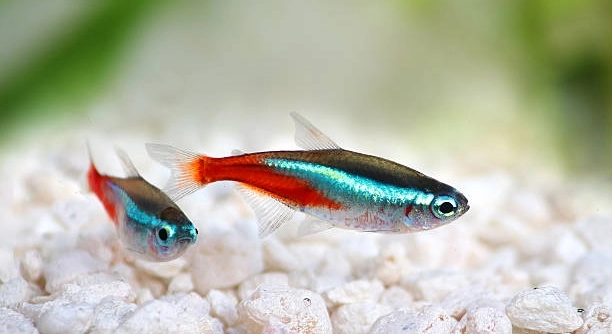
Neon Tetras are known for their active, peaceful nature. However, if they avoid the center of the tank, it could indicate several environmental or behavioral issues. Understanding the causes behind this behavior is key to resolving it.
Neon Tetras avoiding the center of the tank may be due to stress, water quality issues, or inadequate tank conditions. They often prefer areas with plants or hiding spots for security. Addressing these factors can help alleviate the issue.
Understanding the reasons behind this behavior and implementing the right fixes will lead to a healthier and more active aquarium environment.
Why Are My Neon Tetras Avoiding the Center of the Tank?
Neon Tetras are active fish that thrive in groups, often swimming throughout the aquarium. When they avoid the center of the tank, it could be a sign of stress or discomfort. These fish tend to stay in areas where they feel safe, such as near plants or decorations. This behavior is often triggered by poor water conditions or a lack of hiding spots. Temperature changes, high levels of ammonia or nitrites, and aggressive tank mates can all contribute to stress. If you notice this behavior, it’s essential to address potential stress factors to keep your Tetras healthy and active.
Stress is a major reason for this behavior. Tetras need stable water parameters to feel secure. The absence of hiding places or sudden changes in water conditions can lead to fish retreating to safer spots.
By improving water quality, adding plants, or rearranging the tank, you can encourage your Neon Tetras to feel more secure. Consider investing in a good water filter and monitoring the ammonia, nitrate, and pH levels regularly. This ensures that your fish have a stable and comfortable environment. If you have other aggressive fish, they might also be contributing to the stress. It’s important to create a balanced tank with compatible species to prevent aggressive interactions that could make your Neon Tetras avoid the middle of the tank.
How Can I Make My Neon Tetras Feel More Comfortable?
Making adjustments to the tank environment can greatly improve the comfort of your Neon Tetras. Adding plants or decorations provides hiding spots and a sense of security.
Try introducing more plants, either floating or rooted, to give them cover. You could also place decorations or caves for them to retreat into. A properly stocked tank with appropriate hiding places will help reduce stress and make the fish feel more at ease. Additionally, ensure that the water temperature is consistent with their needs, ideally between 72-78°F. This will prevent any drastic shifts in behavior caused by uncomfortable conditions.
Poor Water Quality
Water quality is a common reason for Neon Tetras avoiding the center of the tank. Ammonia, nitrates, and nitrites can cause stress, leading to behavior changes. Test the water regularly to make sure everything is within the ideal range.
Make sure to keep ammonia and nitrites at zero levels. High nitrate levels should be below 20 ppm. Poor water quality can also result from overfeeding, causing excess waste and contaminants. Regular water changes are necessary to keep these levels in check. A reliable filtration system will help, but manual water changes should be done every week. Consider using a liquid test kit to monitor water quality accurately.
The tank’s pH level is another factor. Neon Tetras prefer slightly acidic water, with a pH between 6.0 and 7.0. A pH that is too high or low can cause stress, which may lead to them avoiding the center of the tank. Ensuring proper water conditions helps maintain their health and encourages natural behavior.
Aggressive Tank Mates
Aggressive or territorial fish can make Neon Tetras feel unsafe and cause them to avoid open areas. This stress often leads to fish hiding, reducing their activity in the tank. Avoid keeping aggressive species with Tetras.
If you notice your Neon Tetras avoiding the center, check for bullying or chasing from other fish. Species like cichlids, bettas, and certain barbs can be too aggressive for small, peaceful fish. Even if the aggressive fish don’t physically harm the Tetras, the constant stress from intimidation can drive them to seek out quieter, safer spots in the tank. Consider tankmates that are peaceful and have similar care requirements.
Create an environment where all the fish feel secure. The presence of hiding spots or plants can help reduce confrontations. Adding more Neon Tetras to the tank will also help spread aggression, as these fish feel safer in larger groups. This simple adjustment can improve their overall behavior.
Inadequate Tank Size
Neon Tetras need enough space to swim freely. A tank that is too small can lead to overcrowding, causing stress and poor behavior. Aim for at least 10 gallons for a small school of Neon Tetras.
A tank that is too small may restrict movement, forcing the Tetras to stay near the edges or bottom. This can also affect water quality more rapidly, contributing to stress. If your tank is crowded, consider upgrading to a larger one or removing some fish to ensure the remaining ones have enough space to thrive.
Tank Temperature Fluctuations
Neon Tetras are sensitive to temperature changes. If the water temperature fluctuates too much, it can cause them to retreat and avoid open areas. Keep the temperature steady.
A stable temperature of 72-78°F is essential for Neon Tetras. Fluctuations can stress the fish and lead to behavioral changes. A reliable heater and thermometer can help maintain the right conditions. Sudden temperature shifts can also impact the immune system, making your fish more prone to disease.
Lighting Issues
Neon Tetras are sensitive to light levels in the tank. Bright lighting can make them feel exposed and stressed, leading them to hide more often.
Dimmer lighting or a more natural light cycle will make them feel safer. Try using a gentle aquarium light and avoid keeping the tank in direct sunlight. A balanced light schedule can help maintain their activity and reduce hiding behavior.
FAQ
Why are my Neon Tetras swimming at the top of the tank?
Neon Tetras swimming at the top of the tank could be a sign of poor water quality, especially low oxygen levels. If your tank’s surface area is not enough for proper gas exchange, they might swim at the top where they can access more oxygen. It’s also possible they are looking for food or feel more comfortable near the surface. Regular water changes, proper filtration, and checking oxygen levels can help resolve this behavior.
How can I help my Neon Tetras feel less stressed?
To reduce stress in your Neon Tetras, focus on creating a stable environment. Maintain consistent water quality with regular testing and water changes. Adding plants or decorations provides hiding spots where they can feel secure. Reducing aggressive tankmates and keeping the water temperature stable also promotes a sense of safety.
Why are my Neon Tetras staying near the bottom of the tank?
If Neon Tetras are staying near the bottom of the tank, it might be due to stress, poor water conditions, or insufficient food. Tetras usually swim in the middle or top of the tank, so if they’re at the bottom, it could indicate a problem. Check your water parameters, and make sure there are no aggressive fish disturbing them. Ensure they have access to adequate nutrition.
Can Neon Tetras be kept with other species?
Yes, Neon Tetras are peaceful fish and can be kept with other non-aggressive species. They do well with other small, peaceful fish like Corydoras, Rasboras, and Guppies. However, avoid aggressive fish that could intimidate or harm the Tetras. Always research compatibility before adding new tankmates.
Do Neon Tetras need a filter?
Yes, Neon Tetras require a filter to maintain clean water. A reliable filtration system helps prevent the buildup of harmful toxins like ammonia and nitrites. Even with regular water changes, a filter will provide consistent water quality, which is essential for the health of your Tetras. Ensure the filter is not too strong, as this can stress your fish.
Why are my Neon Tetras swimming in circles?
Swimming in circles can be a sign of stress or an issue with water quality. Poor water conditions, such as high ammonia or low oxygen levels, can cause disorientation. It may also indicate an internal parasite or infection. Test the water quality immediately, and consider consulting an aquarium professional if the behavior persists.
How do I know if my Neon Tetras are healthy?
Healthy Neon Tetras should be active, swimming in schools, and have vibrant colors. Their fins should be intact, and their bodies should be free from spots, lesions, or swelling. They should be eating regularly and swimming in all areas of the tank. If they exhibit signs of lethargy, loss of appetite, or abnormal swimming patterns, it’s important to check water conditions and their health.
What is the best food for Neon Tetras?
Neon Tetras thrive on a varied diet of high-quality flakes, pellets, and frozen or live foods like brine shrimp, daphnia, and bloodworms. Providing a mix of foods ensures they receive all the nutrients they need to stay healthy and vibrant. Always feed them small amounts several times a day to avoid overfeeding.
Can Neon Tetras live in cold water?
Neon Tetras prefer warmer water temperatures between 72-78°F (22-26°C). Cold water can cause them stress and make them more susceptible to disease. If your tank is too cold, consider using a heater to maintain a stable, warm environment. Cold temperatures can also slow their metabolism, causing lethargy and decreased immune function.
Why are my Neon Tetras turning pale?
Paleness in Neon Tetras can be a sign of stress, poor water conditions, or illness. Ensure the water parameters are within the proper range and that the fish are not exposed to aggressive tankmates. Stress from sudden changes in temperature or poor nutrition can also cause the fish to lose their color. If the problem persists, a closer inspection of their health is necessary.
How do I prevent Neon Tetras from getting sick?
To prevent sickness in Neon Tetras, maintain stable water conditions with proper filtration, regular water changes, and consistent temperature. Avoid overcrowding and keep tankmates compatible. Provide a balanced diet, and monitor their health for any signs of illness. Quarantining new fish before adding them to the tank can also prevent introducing diseases.
Can I breed Neon Tetras in my aquarium?
Breeding Neon Tetras is possible in a well-maintained aquarium. To encourage breeding, provide a separate breeding tank with soft, acidic water and low light levels. Make sure the water temperature is around 75°F (24°C) and provide plants for the eggs to attach to. After spawning, remove the parents to prevent them from eating the eggs.
Do Neon Tetras need a light cycle?
Yes, Neon Tetras benefit from a consistent light cycle. A 10-12 hour light cycle with 12 hours of darkness mimics their natural habitat. Providing a balanced light cycle helps regulate their behavior and promotes healthy growth. Be sure to use a gentle light, as bright lighting can stress them out.
How often should I feed my Neon Tetras?
Feed your Neon Tetras small amounts of food two to three times a day. Offer only as much as they can consume in a few minutes to prevent uneaten food from affecting water quality. A varied diet of flakes, pellets, and live or frozen foods will keep them healthy and vibrant.
Why is my Neon Tetra swimming upside down?
Swimming upside down is a sign of severe stress or an illness. It could be caused by poor water quality, swim bladder disease, or an infection. Immediate action is required to correct water conditions. If the issue persists, consider consulting an aquarium vet to determine the cause and provide treatment.
Final Thoughts
Neon Tetras are peaceful and resilient fish that can thrive in a well-maintained aquarium. However, when they begin avoiding the center of the tank, it is usually a sign that something in their environment needs attention. Identifying the underlying cause is crucial to ensuring the health and well-being of these small fish. Whether it’s water quality, tank size, or stress from incompatible tankmates, addressing these issues will help your Tetras feel more comfortable and active. Regular maintenance and observation are key to preventing such behaviors from becoming a long-term issue.
In many cases, simple changes can make a big difference. Ensuring your Neon Tetras have enough space to swim, adjusting the water temperature to their liking, and providing plenty of hiding spots can reduce stress and encourage natural behavior. Keep in mind that consistency is important—small, gradual changes in the tank environment are usually more effective than drastic shifts. A well-planned tank setup that meets the needs of all inhabitants will create a stable and peaceful environment where your Tetras can thrive.
Ultimately, the goal is to create a habitat where your Neon Tetras feel safe and secure. By paying attention to their behavior and making necessary adjustments, you can improve their quality of life and watch them flourish. Healthy fish are active, vibrant, and sociable, and ensuring that your Neon Tetras have everything they need will lead to a more enjoyable aquarium experience for both you and your fish.

Hello,
If you enjoy the content that we create, please consider saying a "Thank You!" by leaving a tip.
Every little bit helps us continue crafting quality advice that supports the health, happiness, and well-being of pets around the world, for pets of all shapes, sizes, and species.
We really appreciate the kindness and support that you show us!