
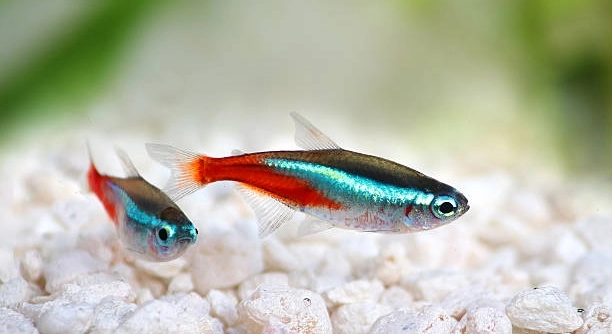
Neon tetras are vibrant fish that thrive in well-maintained tanks. To keep them healthy, providing the right water conditions is key. Understanding these factors will help you ensure a happy, thriving environment for your neon tetras.
Maintaining optimal water conditions for neon tetras involves monitoring pH, temperature, hardness, and water cleanliness. These factors directly affect their health, as proper water chemistry supports their immune system and reduces stress. Consistent care is essential for their well-being.
Keeping the water conditions in check will promote long-term health for your neon tetras. This article will guide you through the most important factors to maintain their health and happiness.
pH Levels and Neon Tetras
The pH level in your aquarium is an important factor for neon tetras. They thrive in slightly acidic to neutral water, with a range of 6.0 to 7.5 being ideal. If the pH is too high or too low, it can cause stress, making them more vulnerable to diseases. Monitoring pH regularly ensures that the water is within the proper range. A pH level that’s consistently outside the ideal range can lead to poor health, and potentially premature death, of your neon tetras.
The easiest way to maintain stable pH levels is by performing regular water changes. Adding plants or natural materials like driftwood can also help buffer the pH. Testing kits are an affordable and simple way to monitor pH, ensuring it stays within the preferred range.
To avoid swings in pH, it’s crucial to make gradual changes. Large, sudden shifts in pH can harm your neon tetras. Keeping a consistent pH helps them feel comfortable and reduces stress.
Water Temperature
Maintaining the right temperature is crucial for neon tetras. They prefer water that’s between 72°F and 78°F (22°C to 26°C). Temperatures outside this range can cause stress and make them more prone to diseases. Ensure your aquarium heater maintains a steady temperature.
Using an aquarium thermometer allows you to check the water temperature regularly. Sudden fluctuations can stress your neon tetras, so it’s important to avoid drastic changes. Invest in a reliable heater and thermometer to prevent temperature swings. When setting the heater, adjust it slowly and monitor the water to make sure it stays within the ideal range.
If the water temperature is too low, neon tetras become sluggish, and their immune systems weaken. On the other hand, high temperatures can speed up their metabolism, leading to shorter lifespans. A consistent, optimal temperature is essential for their health and well-being.
Water Hardness
Neon tetras are best kept in soft to moderately hard water. Water hardness is measured in GH (general hardness), and neon tetras prefer a range of 4 to 8 dGH. Hard water, with higher mineral content, can be harmful.
To manage water hardness, consider using a reverse osmosis (RO) system or mixing tap water with purified water to achieve the right balance. Regular water changes are also helpful in maintaining consistent hardness levels. If your water is too hard, it may be necessary to use a water softener or make adjustments by adding specific chemicals designed to reduce hardness.
Too much hardness can stress neon tetras and affect their ability to absorb nutrients properly. Keeping the water within the preferred hardness range will allow your tetras to thrive. If you’re unsure about your water hardness, a testing kit will give you accurate results to guide any adjustments.
Ammonia and Nitrite Levels
Ammonia and nitrites are toxic to neon tetras, even in small amounts. They should always be at zero for a healthy aquarium. Testing these levels regularly with an aquarium kit is important to ensure the water stays safe for your fish.
If ammonia or nitrite levels rise, it may indicate poor filtration or overfeeding. Ammonia can burn the fish’s gills, while nitrites interfere with oxygen absorption. A reliable filtration system and water changes are key to keeping these levels at zero. Regularly clean your filter and monitor water parameters to prevent harmful spikes.
Nitrate Levels
While less harmful than ammonia and nitrites, high nitrate levels can still be detrimental to neon tetras. Nitrate should ideally be kept below 20 ppm. Excessive nitrate levels can lead to poor water quality and stress your fish.
To reduce nitrate, perform regular water changes and avoid overfeeding. Live plants also help absorb excess nitrates, improving water quality. A good filtration system can also aid in removing nitrate buildup. If your tank is heavily stocked, it’s particularly important to stay on top of nitrate levels. Keeping them in check ensures a healthier environment for your neon tetras.
Oxygen Levels
Neon tetras require well-oxygenated water to thrive. Low oxygen levels can cause them to become lethargic and stressed. Ensure good water movement through filters or air stones to maintain proper oxygenation.
You can also add plants to your tank, as they naturally release oxygen during the day. Be mindful of overstocking, as too many fish can deplete the oxygen supply. Keep an eye on water surface movement, as stagnant water can lead to oxygen depletion. Proper aeration is essential for neon tetras’ overall health.
FAQ
What is the ideal water pH for neon tetras?
Neon tetras prefer a pH range between 6.0 and 7.5. Keeping the water within this range is essential for their health. A pH outside this range can lead to stress, weakened immune systems, and make them more vulnerable to diseases. Regular testing with a pH kit ensures the water stays stable.
How often should I change the water for neon tetras?
Water changes should be done regularly, at least once a week, with about 25% of the water changed each time. This helps maintain clean water and stable parameters. If your tank is heavily stocked or has a high bio-load, more frequent changes may be necessary to maintain optimal water quality.
Can neon tetras live in hard water?
Neon tetras prefer soft to moderately hard water, with a hardness range of 4 to 8 dGH. While they can survive in harder water, it’s not ideal for their long-term health. If you have hard water, you can soften it using a reverse osmosis system or mixing with softer water to maintain the right balance.
What temperature do neon tetras need?
Neon tetras thrive in water temperatures between 72°F and 78°F (22°C to 26°C). It’s important to maintain a consistent temperature within this range. If the water is too cold, neon tetras become sluggish, and if it’s too warm, they may become stressed or have shortened lifespans.
How can I reduce ammonia in my aquarium?
Ammonia is highly toxic to neon tetras. The best way to reduce ammonia is through proper filtration, regular water changes, and avoiding overfeeding. Make sure your filtration system is running effectively, and always remove uneaten food to prevent it from breaking down into ammonia. Regular water tests will help you keep ammonia levels in check.
What is the role of nitrates in neon tetra care?
Nitrates are less toxic than ammonia and nitrites, but elevated levels can still harm your neon tetras. Keeping nitrate levels below 20 ppm is recommended. You can reduce nitrates through regular water changes, live plants, and a good filtration system. Avoid overfeeding to prevent excess nitrate buildup.
How do I maintain oxygen levels in my aquarium?
Neon tetras need well-oxygenated water to stay healthy. To maintain proper oxygen levels, ensure that your aquarium has good water movement through a reliable filter or air stone. Avoid overstocking, as too many fish can deplete the oxygen supply. Adding plants also helps naturally oxygenate the water.
Can neon tetras live with other fish?
Yes, neon tetras are peaceful and can live with a variety of other non-aggressive fish. It’s important to choose tank mates that share similar water condition needs. Avoid large, aggressive species that may bully or harm them. Suitable companions include small, peaceful fish like guppies, rasboras, or other tetras.
What can I feed neon tetras?
Neon tetras are omnivores and should be fed a balanced diet consisting of high-quality flake food, frozen or live foods like brine shrimp, and occasional vegetable matter. Feeding a variety of foods ensures they get the nutrients they need to stay healthy. Avoid overfeeding, as uneaten food can lead to water quality issues.
How do I know if my neon tetras are stressed?
Signs of stress in neon tetras include loss of color, swimming erratically, hiding more than usual, or staying at the surface of the water. Stress can be caused by poor water quality, inappropriate water conditions, or aggression from tank mates. Regular monitoring and maintaining optimal tank conditions will help prevent stress.
Do neon tetras need a filter?
Yes, a good filtration system is essential for maintaining water quality in your neon tetra tank. A filter helps remove waste, uneaten food, and toxins like ammonia and nitrites. Make sure the filter is appropriate for the size of your tank, and clean it regularly to ensure it’s functioning properly.
Can I use tap water for my neon tetras?
Tap water can be used for your neon tetras, but it may require some adjustments. Tap water often contains chlorine, chloramine, or high levels of minerals that are harmful to fish. You should treat the water with a dechlorinator before adding it to the tank. Additionally, check the water’s pH, hardness, and temperature to make sure it’s suitable for neon tetras.
How do I prevent algae growth in my tank?
Algae growth is common in aquariums, but it can be controlled. To prevent algae, avoid excessive lighting and overfeeding. Perform regular water changes, maintain proper filtration, and consider adding algae-eating fish or invertebrates like snails. Live plants can also help compete with algae for nutrients, keeping it under control.
Can neon tetras survive in a planted tank?
Yes, neon tetras thrive in planted tanks. Live plants provide hiding spots, reduce stress, and help improve water quality by absorbing excess nutrients. Choose plants that are compatible with the water conditions your neon tetras need, and ensure the plants are not too large or invasive for your aquarium setup.
How can I tell if my neon tetras are healthy?
Healthy neon tetras are active, colorful, and swim in schools. They should have clear eyes, smooth scales, and should not exhibit signs of distress. Regularly check for symptoms of illness, such as faded colors, clamped fins, or abnormal swimming patterns. Healthy neon tetras will eat well and interact with other fish.
Final Thoughts
Maintaining the right water conditions for neon tetras is crucial to their health and well-being. These small, colorful fish are sensitive to changes in their environment, and even minor fluctuations in water parameters can lead to stress or illness. To keep them thriving, it’s important to regularly monitor the water quality in your tank, including pH, ammonia, nitrite, nitrate levels, temperature, and oxygenation. Testing kits are affordable and can help you track these factors, giving you peace of mind that your neon tetras are living in a stable and healthy environment.
In addition to water conditions, proper feeding and tank maintenance play a vital role in keeping your neon tetras healthy. They thrive on a varied diet of high-quality flakes, live, or frozen food, and occasional vegetable matter. Overfeeding should be avoided, as it can lead to poor water quality and health problems for your fish. Regular water changes, filter maintenance, and cleaning the tank are also essential to prevent the buildup of toxins and waste that can harm the fish. By following these basic care guidelines, you can enjoy vibrant, active neon tetras for years to come.
Finally, keep in mind that neon tetras are peaceful and social creatures. They do best in schools, so consider keeping at least five or more to ensure they feel safe and comfortable. Choosing compatible tank mates that share similar water requirements will help prevent stress or aggression. With a bit of effort and attention to detail, creating the perfect environment for neon tetras is not difficult. By maintaining stable water conditions and providing proper care, you’ll be rewarded with a thriving, beautiful aquarium full of lively neon tetras.

Hello,
If you enjoy the content that we create, please consider saying a "Thank You!" by leaving a tip.
Every little bit helps us continue crafting quality advice that supports the health, happiness, and well-being of pets around the world, for pets of all shapes, sizes, and species.
We really appreciate the kindness and support that you show us!