
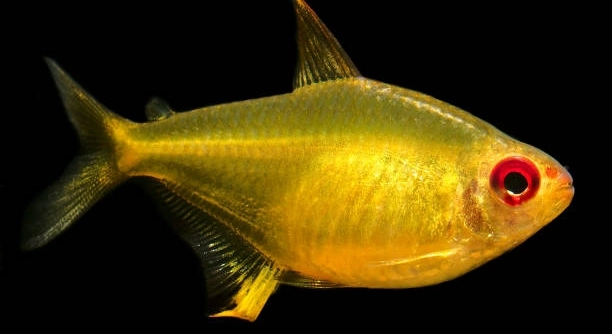
Are your lemon tetras unexpectedly jumping at night, disturbing the calm of your aquarium? Observing this behavior can be surprising, especially when your fish usually swim calmly during the day. Nighttime activity in your tank may indicate underlying factors.
Lemon tetras often jump at night due to stress, poor water conditions, or sudden environmental changes. High light contrast, inadequate hiding spaces, or sudden noise can trigger this nocturnal activity, which is a natural response aimed at survival and comfort.
Understanding these behaviors helps ensure your fish remain healthy and your tank stays peaceful. Proper care and observation can prevent nighttime disturbances and maintain a stable aquatic environment.
Common Causes of Nighttime Jumping
Lemon tetras are sensitive to changes in their environment, which can lead to nighttime jumping. Poor water quality is a frequent factor, including high ammonia or nitrate levels. Inadequate oxygenation or rapid temperature shifts can also make them restless. Sudden noises or vibrations near the tank can startle them. Bright lights left on or shadows across the tank may trigger stress responses. Overcrowding is another reason, as lemon tetras feel safer in schools but require space to swim freely. Lack of hiding spots, such as plants or decorations, can increase anxiety, causing them to leap. Even regular maintenance, like water changes, can temporarily disturb them if done too abruptly. Observing their behavior closely often helps identify specific triggers. Addressing these environmental and physical factors is essential for keeping your fish calm during nighttime hours.
Properly adjusting water conditions, lighting, and tank layout can significantly reduce nighttime jumping and promote a calmer atmosphere for your lemon tetras.
Adding live plants, gentle filtration, and quiet surroundings helps create a more secure environment. Ensuring water parameters remain stable and providing multiple hiding spots reduces stress. Regular observation lets you detect early signs of distress. Grouping lemon tetras appropriately while avoiding overcrowding helps maintain natural behavior. Consistent feeding schedules and careful introduction of any tank changes prevent sudden disturbances. Nighttime jumping is rarely a sign of illness but can indicate discomfort or stress. By making small, targeted adjustments, you can create a peaceful, stable habitat. Over time, your fish adapt to the environment, and nighttime activity diminishes. A well-planned tank supports both their physical health and natural instincts, helping them thrive.
How to Minimize Nighttime Stress
Limiting sudden environmental changes is key to reducing jumping behavior. Keep the tank area quiet and dimly lit during night hours.
Monitoring water quality consistently ensures lemon tetras remain comfortable and healthy. Regular checks for ammonia, nitrites, and nitrates prevent stress-induced activity. Adjusting temperature slowly during water changes avoids sudden shock. Adding floating plants or soft lighting helps soften sharp contrasts that might alarm them. Avoid tapping or moving the tank abruptly, as vibrations can trigger jumping. Providing a stable school with sufficient swimming space also helps. Observing their nighttime patterns over a few weeks allows you to make incremental improvements to their habitat. These small adjustments collectively reduce nighttime stress and help your tetras feel secure and calm.
Adjusting Tank Conditions
Water temperature should remain stable between 74°F and 80°F to keep lemon tetras comfortable. Sudden drops or rises can cause stress and trigger jumping. Proper filtration and gentle water flow help maintain clean water without creating strong currents that may disturb them.
Maintaining optimal water parameters requires regular testing and careful observation. Ammonia and nitrite levels should remain at zero, while nitrates stay below 20 ppm. Partial water changes every week help prevent toxin buildup and sudden chemical shifts. Adding live plants improves oxygen levels and provides hiding spaces. Using a heater with a reliable thermostat ensures consistent temperature. Avoid placing the tank near air vents or direct sunlight to minimize fluctuations. Even small adjustments, like softening bright lights, can make a noticeable difference in reducing nighttime activity.
Providing a variety of plants and decorations gives tetras natural hiding spots. Floating plants or dense foliage break up light patterns, reducing stress. Creating a layered environment allows them to swim freely while feeling secure. Regular observation ensures you notice signs of discomfort, such as erratic movement or frequent jumps. Balancing these factors supports both physical health and behavioral stability, helping the fish settle during night hours.
Feeding and Schooling Practices
Feeding small amounts multiple times a day prevents overfeeding and reduces water quality issues. Uneaten food can decay quickly, causing spikes in ammonia or nitrates that stress tetras.
Keeping lemon tetras in groups of six or more helps them feel safe and lowers stress-induced jumping. Fish in smaller numbers may feel exposed and exhibit more erratic behavior. Varying diet with high-quality flakes, frozen, or live foods ensures proper nutrition. Avoid sudden changes in feeding times or portions, as consistency promotes calm behavior. Observing interactions within the school can help identify dominant or aggressive individuals that may cause disturbances. Maintaining balanced numbers and proper nutrition supports overall well-being and minimizes nighttime activity.
Creating a Calm Night Environment
Dim lighting during nighttime hours helps reduce stress in lemon tetras. Bright lights or sudden shadows can startle them, triggering jumping.
Keeping the tank area quiet and free from vibrations is important. Avoid tapping the glass or moving nearby objects, as these disturbances can cause unnecessary stress and nighttime activity.
Choosing the Right Decorations
Adding live or artificial plants provides hiding spaces and breaks up open swimming areas. Floating plants create shaded spots, helping tetras feel secure during the night. Rocks, driftwood, and other structures offer additional cover, giving fish options to retreat if they feel anxious or threatened.
Monitoring Behavior Patterns
Tracking nightly activity helps identify triggers for jumping. Noting times, frequency, and environmental conditions allows adjustments to lighting, feeding, or tank placement to reduce stress and maintain calm behavior.
FAQ
Why are my lemon tetras jumping at night?
Lemon tetras often jump at night due to stress or discomfort in their environment. Poor water quality, sudden temperature changes, bright lighting, or strong vibrations can trigger this behavior. Providing hiding spaces, stable water parameters, and a calm surrounding can reduce jumping significantly.
Is nighttime jumping harmful to my fish?
Jumping itself is usually not harmful unless the fish hit the tank lid or escape. Repeated stress, however, can weaken their immune system and affect overall health. Ensuring the tank is secure and free from sudden disturbances protects your tetras from injury.
How can I prevent nighttime jumping?
Maintaining stable water conditions, proper temperature, and gentle lighting helps prevent jumping. Adding floating plants, decorations, and hiding spaces gives fish a sense of security. Minimizing noise and vibrations near the tank further reduces nighttime stress.
Do tank size and crowding affect this behavior?
Yes, overcrowding increases stress and triggers jumping. Lemon tetras feel safer in groups of at least six, but they also need space to swim freely. Overcrowded or undersized tanks can lead to more frequent nighttime activity.
Does diet influence nighttime jumping?
Poor feeding practices can impact behavior. Overfeeding or sudden changes in diet may create water quality issues, causing stress. Consistent feeding schedules with small amounts of high-quality food help maintain calm behavior.
Can tank placement reduce jumping?
Placing the tank away from windows, vents, or high-traffic areas minimizes sudden disturbances. Stable placement reduces shadows, vibrations, and temperature fluctuations that might startle your tetras. A quiet and calm location is ideal for nighttime stability.
Do lemon tetras need nighttime hiding spaces?
Yes, hiding spots help them feel secure. Plants, rocks, and driftwood create sheltered areas where tetras can retreat during the night. Lack of cover can increase anxiety and lead to jumping, as they react to perceived threats.
Will nighttime jumping stop as they get used to the tank?
Often, yes. Fish can adapt to stable and consistent environments over time. Reducing stressors, providing hiding spots, and maintaining proper water conditions allows lemon tetras to settle, decreasing nighttime activity.
Are there health issues that cause this behavior?
Occasionally, illness or parasites can cause restlessness. Look for signs such as clamped fins, unusual swimming patterns, or loss of appetite. Healthy fish in a stable environment are more likely to remain calm at night.
Should I use a tank lid to prevent jumping?
A secure lid is recommended to prevent injury or escape. It protects tetras from hitting surfaces and keeps them safely in the tank. Choosing a lid with proper ventilation ensures oxygen flow while minimizing jumping hazards.
Do seasonal changes affect nighttime activity?
Seasonal temperature or light variations can influence fish behavior. Sudden shifts may increase jumping. Maintaining stable indoor conditions and controlling light exposure helps minimize these seasonal effects.
How long does it take for lemon tetras to adjust to new tank conditions?
Adjustment can take several days to a few weeks. Consistency in water quality, temperature, lighting, and tank layout accelerates adaptation. Observing behavior during this period allows you to make necessary improvements to reduce stress and jumping.
Can water movement trigger jumping?
Strong currents or sudden surges from filtration can startle tetras. Gentle filtration and even water flow help maintain comfort. Positioning filters to reduce turbulence or using sponge filters can limit sudden water movement that disturbs the fish.
What role does tank lighting play in nighttime behavior?
Bright or inconsistent lighting can cause stress, especially during night hours. Soft, dim lighting or turning off main lights while leaving a small night light reduces shadows and sudden brightness, promoting calm nighttime behavior.
Are certain tank decorations more effective than others?
Dense plants and layered decorations create natural hiding spots and break up open swimming areas. Floating plants or overhangs mimic natural shelter, which reassures tetras and reduces jumping. Smooth surfaces without sharp edges prevent injuries during sudden movements.
Does water temperature consistency matter?
Yes, sudden drops or rises in temperature can alarm fish. Using a reliable heater and monitoring with a thermometer helps maintain a consistent range of 74°F to 80°F. Stability supports health and decreases nighttime jumping.
Can stress from other fish cause this behavior?
Aggressive or overly active tankmates can trigger jumping. Lemon tetras need peaceful companions and a balanced school. Observing interactions helps identify potential stress sources and allows for adjustments to reduce disturbance.
How often should I monitor water conditions?
Weekly testing of ammonia, nitrite, nitrate, and pH levels is essential. Regular monitoring ensures stability and helps detect small changes before they stress the fish. Timely interventions prevent conditions that lead to nighttime jumping.
Will adjusting feeding times help?
Yes, feeding at consistent times reduces anxiety and prevents sudden hunger-related stress. Providing small portions multiple times daily maintains water quality and promotes calmer behavior at night.
Are juvenile lemon tetras more prone to jumping?
Younger fish are often more active and may jump more frequently. As they mature, activity levels tend to stabilize if the tank environment remains consistent and secure.
Can lighting timers reduce nighttime jumping?
Timers ensure consistent day-night cycles, reducing stress from irregular light exposure. Gradual transitions between light and darkness create a stable routine that supports calm behavior and minimizes jumping.
How important is plant coverage in reducing stress?
Plant coverage provides shade, shelter, and visual barriers, which lower anxiety. Dense foliage mimics natural habitats, allowing tetras to feel secure. Sufficient coverage reduces nighttime jumping and supports natural behavior patterns.
Do water changes trigger jumping?
Sudden water changes can shock fish if parameters differ from the tank. Partial changes with carefully conditioned water and gradual introduction reduce stress, minimizing jumping during maintenance.
Is it normal for all lemon tetras to jump at night?
Not all individuals jump, but it is common behavior under stress or environmental changes. Observing patterns helps distinguish normal adaptation from potential problems that require attention.
Can adding a gentle bubbler help?
Yes, gentle aeration improves oxygen levels without creating strong currents. Increased oxygen reduces stress and supports calm behavior, especially during night hours.
Should I worry if jumping continues despite adjustments?
Persistent jumping may indicate overlooked stressors or health issues. Reviewing tank conditions, school dynamics, and observing for signs of illness ensures your fish remain safe and comfortable. Small changes can gradually resolve ongoing behavior.
Does tank color affect nighttime behavior?
Neutral or dark backgrounds reduce reflections and light contrast, which can startle tetras. Minimizing harsh colors and reflections creates a calm environment that discourages nighttime jumping.
Are lemon tetras more active during certain seasons?
Activity may fluctuate with temperature or light changes, but stable indoor conditions minimize seasonal effects. Consistency in environmental parameters supports calm nighttime behavior year-round.
Is nighttime jumping a sign of aggression?
Usually, no. It is more often a response to stress or environmental changes rather than aggression. Aggression is typically observed during feeding or territorial disputes, not exclusively at night.
How do I know if the behavior is stress-related or health-related?
Stress-related jumping usually decreases after environmental adjustments. Health issues often accompany other symptoms like lethargy, fin damage, or loss of appetite. Monitoring both behavior and physical condition helps determine the cause accurately.
Can tank maintenance routines be adjusted to reduce stress?
Yes, performing water changes gently, keeping consistent feeding schedules, and minimizing sudden disruptions helps reduce nighttime jumping. Regular, careful maintenance prevents abrupt changes that trigger stress.
Do lemon tetras need a night light?
A dim night light can help reduce shadows and sudden darkness, which may startle fish. It supports calm behavior without interfering with natural rest cycles.
Will the addition of tank mates reduce jumping?
Adding compatible tetras to form a proper school can reduce individual stress and jumping. Ensuring balanced numbers and peaceful companions supports a stable and calm environment.
How long does it take to see improvement?
With consistent environmental adjustments, improvement can be seen within a few days to a few weeks. Continuous observation and minor tweaks help achieve long-term stability.
Does water hardness affect this behavior?
Extreme hardness levels may cause stress. Lemon tetras prefer soft to moderately hard water. Keeping parameters within recommended ranges reduces discomfort and nighttime activity.
Can using a cover plant layer reduce jumping?
Yes, floating plants create a shaded, secure area. They break light patterns and provide a sense of safety, reducing the frequency of jumps during the night.
Do sudden noises from outside the tank trigger jumping?
Yes, tapping, music, or nearby movement can startle tetras. Keeping the tank in a quiet area helps maintain calm behavior during nighttime hours.
Is it normal for fish to jump more during the first nights in a new tank?
Yes, initial nights in a new tank often show more jumping due to unfamiliar surroundings. Stable conditions, hiding spots, and proper schooling reduce activity as they acclimate.
Can excessive lighting during the day affect nighttime activity?
Too much bright light can increase stress and sensitivity to shadows at night. Gradual lighting schedules and dimming in the evening help maintain calm behavior.
How does schooling reduce nighttime jumping?
Fish feel safer in numbers. A proper school allows them to follow natural behavior, reducing stress and sudden jumps. Smaller groups or isolated individuals are more likely to react to disturbances.
Are certain water conditioners helpful for reducing stress?
Conditioners that neutralize chlorine, heavy metals, or other harmful substances reduce chemical stress. Maintaining a safe, clean environment supports calm nighttime behavior and overall health.
Does tank shape impact jumping behavior?
Tanks with ample horizontal swimming space reduce stress. Tall, narrow tanks may limit movement and increase anxiety, leading to more frequent jumping. Horizontal space supports natural swimming and calmer behavior.
Can overfeeding cause water stress leading to jumping?
Yes, excess food decomposes quickly, increasing ammonia and nitrate levels. Elevated toxins stress fish, causing erratic behavior. Feeding small, controlled portions keeps water safe and reduces nighttime activity.
Are there behavioral signs before jumping occurs?
Restlessness, darting, or frequent surface visits often precede jumping. Observing these signs allows adjustments to reduce stress before it escalates into nighttime activity.
Does tank maintenance timing affect behavior?
Maintaining a consistent schedule helps fish anticipate changes and reduces stress. Abrupt or irregular cleaning can startle tetras, increasing jumping at night.
Can using natural décor reduce stress?
Natural décor like driftwood or live plants creates familiar hiding spots. Mimicking natural habitats reduces anxiety and nighttime jumping by providing a sense of security.
How often should I observe nighttime behavior?
Regular observation allows identification of patterns and triggers. Noting changes in light, feeding, or water conditions helps prevent persistent jumping and ensures fish remain healthy and calm.
Is it normal for only a few fish to jump?
Yes, individual personalities vary. Some tetras are more sensitive to changes. Ensuring a stable environment and proper school size helps even out behavior across the group.
Can tank maintenance tools cause stress?
Strong siphons, netting, or abrupt water changes can startle tetras. Using gentle tools and slow movements minimizes stress, reducing nighttime jumping incidents.
Does adding a backup heater help stabilize behavior?
Yes, a secondary heater provides consistent temperature if the main unit fails. Stable warmth reduces stress, preventing sudden nighttime activity caused by temperature drops.
Are lemon tetras more sensitive to changes than other tetras?
Lemon tetras can be more sensitive due to their size and schooling behavior. Maintaining stability in all environmental aspects helps prevent stress-related jumping more effectively than with some hardier species.
Does tank lid height affect jumping frequency?
A proper lid prevents escapes or injury while allowing enough space for natural swimming. Low lids may cause repeated collisions, increasing stress and nighttime jumping.
Can adding hiding spots gradually reduce jumping?
Yes, introducing plants and décor gradually allows tetras to explore safely. Gradual additions reduce anxiety and promote natural behavior without overwhelming them.
Will adjusting water flow reduce jumping?
Yes, slowing strong currents or redirecting filters reduces sudden movements in the tank. Gentle flow prevents fish from being startled and decreases nighttime jumping.
Does the type of substrate affect jumping?
Substrate itself rarely triggers jumping but can affect comfort. Smooth sand or fine gravel prevents injury if fish jump and creates a natural environment that encourages calm behavior.
Can stress from handling cause nighttime jumping?
Yes, frequent or rough handling, netting, or rearranging can increase stress levels. Limiting handling and being gentle reduces nighttime jumping and supports overall well-being.
Are lemon tetras more active during certain light cycles?
They are naturally more active during daylight. Sudden changes in night lighting can increase nighttime activity. Gradual transitions and dim lighting help maintain regular patterns.
How do I distinguish playful jumping from stress-related jumping?
Playful jumps are often brief and isolated. Stress-related jumps are frequent, erratic, or accompanied by signs like rapid gill movement or darting. Observation helps determine the underlying cause.
Do floating plants alone reduce jumping?
They help, but combining them with stable water conditions, proper schooling, and gentle lighting is most effective. Floating plants alone may not fully eliminate stress-induced jumps.
Does nighttime feeding affect jumping behavior?
Feeding at night can disturb sleep patterns and increase activity. Maintaining a daytime feeding schedule ensures fish remain calmer during night hours.
Are certain tank shapes better for calming lemon tetras?
Horizontal tanks with open swimming space and layered décor reduce stress. Avoid tall, narrow tanks that limit movement and create perceived threats, which can trigger jumping.
Can consistent routine reduce nighttime activity?
Yes, maintaining consistent feeding, cleaning, and lighting schedules helps tetras anticipate changes and feel secure, reducing jumping during the night.
Does water pH influence nighttime jumping?
Extreme pH values can cause stress. Lemon tetras prefer slightly acidic to neutral water. Monitoring and maintaining stable pH reduces discomfort and nighttime activity.
Are all jumps preventable?
Not entirely, as some jumping is natural. Most stress-induced jumps, however, can be minimized by stable conditions, proper schooling, hiding spots, and calm surroundings.
Can adding a secondary tank light help?
A dim secondary light provides soft illumination without startling fish. It reduces sharp contrasts and shadows, supporting calm nighttime behavior.
How important is observation in preventing jumping?
Frequent observation allows early detection of stressors, water issues, or behavioral changes. Timely adjustments prevent ongoing nighttime activity and ensure the health of your lemon tetras.
Can rearranging the tank reduce jumping?
Gradual rearrangement can help by creating new hiding spots and visual barriers. Sudden rearrangement may increase stress, so changes should be incremental and gentle.
Does the number of tankmates affect jumping?
Yes, balanced group sizes reduce stress. Too few tetras feel exposed, while overcrowding increases tension. Proper numbers and peaceful companions minimize nighttime jumps.
Will adding more plants reduce nighttime jumping?
Yes, increasing coverage provides more shelter, reduces exposure to light and shadows, and helps fish feel secure, resulting in calmer nighttime behavior.
Are lemon tetras more sensitive to certain noises?
Yes, tapping, clanging, or sudden movement near the tank can startle them. Minimizing loud sounds nearby helps maintain calm behavior during night hours.
Can water conditioners reduce stress?
Yes, conditioners that neutralize harmful chemicals improve water quality and reduce environmental stress, decreasing the likelihood of nighttime jumping.
Is it normal for only one fish to jump repeatedly?
Yes, individual temperament varies. Some fish are more sensitive. Providing hiding spots and stable conditions helps even out behavior across the group.
Does schooling reduce nighttime jumping?
Yes, proper schooling makes tetras feel safer. Groups of six or more support natural behavior and reduce individual stress, limiting nighttime activity.
Can frequent observation reduce jumping?
Yes, noticing patterns and triggers allows small adjustments to lighting, feeding, or tank layout, which collectively reduce nighttime activity.
Are lemon tetras more sensitive to tank vibrations?
Yes, vibrations from nearby movement or maintenance can trigger jumping. Placing the tank in a stable, quiet area minimizes disturbances and stress.
Does water clarity affect jumping behavior?
Poor water clarity may indicate toxins or debris, increasing stress. Clean, clear water supports calm behavior and reduces nighttime jumping.
Will adding floating plants help if water is unstable?
Yes, but only partially. Plants provide shelter, but stable water parameters are critical. Combining both ensures calmer behavior and fewer nighttime jumps.
Are there natural ways to calm lemon tetras?
Providing plants, gentle lighting, quiet surroundings, proper schooling, and stable water creates a natural, stress-free environment that reduces nighttime jumping.
Can introducing a secondary heater help maintain calm behavior?
Yes, a backup heater ensures temperature stability, preventing sudden drops that could trigger stress and nighttime activity.
Does tank lid type influence jumping frequency?
A secure, well-fitted lid prevents escape or injury. Openings for aeration are necessary, but the lid keeps fish safe and minimizes jumping risks.
Is consistent observation necessary for long-term behavior management?
Yes, observing patterns helps maintain stable conditions, identify stressors early, and adjust environmental factors to support calm nighttime behavior.
Can changing tank light gradually reduce jumping?
Yes, slow transitions between bright and dim lighting prevent sudden stress. Timers or dimmers create predictable light cycles, reducing nighttime activity.
Are lemon tetras naturally more active than other tetras?
They are generally active and sensitive to environmental changes. Providing proper schooling, hiding spots, and stable conditions keeps activity levels manageable, especially at night.
Does tank shape influence security perception?
Yes, horizontal tanks with open swimming areas and layered décor make tetras feel safer, reducing jumping compared to narrow, tall tanks.
Can night shadows trigger jumping?
Yes, sudden shadows or reflections may startle tetras. Floating plants, layered décor, and consistent lighting minimize this stressor.
How do I know when the behavior is fully resolved?
Nighttime activity decreases, jumps become infrequent, and fish swim calmly. Observing consistent, relaxed behavior over several weeks indicates the environment meets their needs.
Will all lemon tetras respond the same to adjustments?
Individual temperament varies, but most respond positively to stable water, proper schooling, hiding spots, and calm surroundings. Patience ensures long-term improvement in nighttime behavior.
Can gradual changes prevent jumping more effectively than abrupt changes?
Yes, incremental adjustments to water, décor, or lighting minimize stress. Abrupt changes often increase jumping, while gradual shifts allow fish to adapt comfortably.
Are lemon tetras more sensitive to seasonal light changes?
Yes, sudden seasonal shifts in sunlight can affect behavior. Consistent indoor lighting helps maintain calm nighttime activity despite external changes.
Does the type of filtration affect jumping?
Strong, turbulent filtration can startle fish. Gentle flow, proper placement, or sponge filters reduce sudden water
Final Thoughts
Maintaining a calm and stable environment is the most important factor in preventing lemon tetras from jumping at night. These fish are sensitive to sudden changes in water temperature, lighting, and noise. Even small disruptions, like a shadow across the tank or vibrations from nearby movement, can startle them. Providing hiding spots, such as live or artificial plants, rocks, and driftwood, helps them feel secure. Floating plants are particularly effective at softening bright light and breaking up open swimming areas. Keeping the tank in a quiet location and avoiding sudden disturbances at night also contributes to their comfort. Ensuring proper filtration and gentle water flow maintains clean water without creating strong currents that might stress the fish. By paying attention to these details, you can create an environment where your lemon tetras feel safe and calm, reducing the frequency of nighttime jumping.
Stable water conditions are equally essential for the health and behavior of lemon tetras. Regular testing for ammonia, nitrites, nitrates, and pH ensures the water remains safe and balanced. Partial water changes on a consistent schedule prevent toxins from building up, which could otherwise increase stress. Temperature consistency is crucial, with the ideal range being 74°F to 80°F. A reliable heater and thermometer can help maintain this range, preventing sudden shocks that might trigger jumping. Overfeeding or irregular feeding schedules can also affect water quality and stress levels. Feeding small portions multiple times a day helps keep water clean and reduces anxiety. Additionally, keeping lemon tetras in groups of six or more allows them to feel secure and display natural schooling behavior. Overcrowding or isolation can increase stress and lead to more frequent jumping. Careful observation of their interactions and behavior provides insight into any issues that need adjusting.
Behavioral patterns are important to monitor for long-term stability. Observing when and how often your tetras jump at night can help identify triggers, whether it is a lighting issue, a sudden noise, or stress from other tankmates. Gradually adjusting the tank environment, such as adding more plants or rearranging decorations, can improve security and reduce stress without overwhelming the fish. A secure tank lid prevents injury or escape while allowing proper oxygen flow. Using dim lighting or night lights helps avoid sudden shadows and bright contrasts that can startle fish. Even though some jumping is natural, consistent care, proper schooling, hiding spots, and stable environmental conditions significantly reduce nighttime activity. By understanding and addressing these factors, you can maintain a healthy, calm, and secure habitat where lemon tetras can thrive while minimizing stress-related behavior.

Hello,
If you enjoy the content that we create, please consider saying a "Thank You!" by leaving a tip.
Every little bit helps us continue crafting quality advice that supports the health, happiness, and well-being of pets around the world, for pets of all shapes, sizes, and species.
We really appreciate the kindness and support that you show us!