
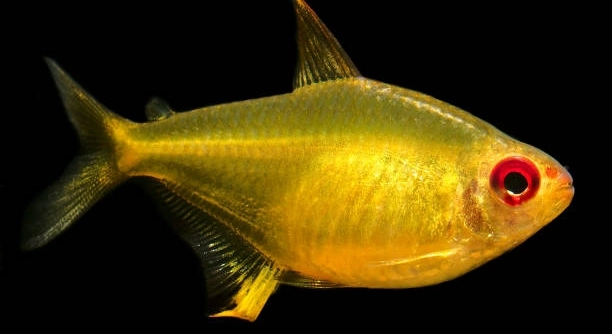
Lemon tetras are small, vibrant fish that usually swim together in tight groups. Sometimes, however, you may notice one or two drifting away from the school, appearing isolated or uninterested in joining the others.
Lemon tetras may separate from the group due to stress, illness, or environmental factors. Poor water quality, sudden changes in temperature, and inadequate social interaction can all influence their behavior and cause them to distance themselves from the school.
Observing their behavior closely can help you identify underlying issues and ensure your fish remain healthy and active in their aquarium.
Common Causes of Lemon Tetras Spacing Out
Lemon tetras may begin to isolate themselves from the group for several reasons. Stress is one of the most common causes, often triggered by sudden changes in water temperature, pH levels, or the presence of aggressive tank mates. Illness is another factor; infections or parasites can make a fish lethargic and unwilling to interact. Even minor injuries or fin damage can lead to temporary withdrawal. Overcrowding or lack of hiding spaces in the tank can also make tetras feel insecure, prompting them to swim alone. Sometimes, it is simply a matter of personality, as a few fish may naturally prefer solitude or a quieter corner of the aquarium. Observing changes in swimming patterns, appetite, and coloration can provide clear signs that a tetra is experiencing discomfort or stress. Adjusting environmental conditions and monitoring behavior closely helps ensure they return to normal social activity.
Stress and illness are usually the main reasons for separation in lemon tetras.
Keeping the tank clean and stable, providing hiding spots, and avoiding sudden changes in conditions can prevent most behavioral issues. Regular observation allows you to respond quickly if a fish seems unwell. Social dynamics also play a role, so maintaining an appropriate group size of six or more tetras encourages natural schooling. Minor adjustments to lighting and flow can reduce stress, while careful selection of tank mates prevents harassment. Feeding a varied diet and monitoring nutrition supports their energy and immune system. A proactive approach ensures that the tetras remain active, healthy, and comfortable in the aquarium environment. Regular attention to these factors minimizes instances of isolation and keeps the school cohesive.
Signs Your Lemon Tetra Needs Attention
Lemon tetras showing unusual spacing often display subtle physical or behavioral signs.
Look for pale colors, clamped fins, erratic swimming, or lack of appetite. These indicators help distinguish minor stress from serious health concerns. Observing interactions with the group also reveals social or environmental issues affecting behavior.
Immediate attention to water parameters and overall tank conditions is crucial when a tetra isolates itself. Temperature fluctuations, improper filtration, or sudden changes in pH can all stress fish. Checking for parasites, fin rot, or other illnesses allows early intervention before the condition worsens. Providing clean water, stable temperature, and sufficient hiding areas helps the fish recover faster. Ensuring the group size is adequate reduces social stress, while gentle feeding routines maintain energy levels. In some cases, quarantining a sick tetra is necessary to prevent disease spread. By combining observation, environmental adjustments, and attentive care, you can restore your lemon tetra’s well-being and encourage it to reintegrate smoothly into the group.
Adjusting Tank Conditions
Maintaining stable water conditions is essential for lemon tetras. Sudden temperature shifts or poor water quality can stress fish, causing them to separate from the group and behave unusually. Proper filtration and regular water changes help keep their environment healthy.
Testing water parameters frequently ensures pH, ammonia, nitrite, and nitrate levels remain within safe ranges. Lemon tetras thrive in slightly acidic to neutral water with consistent temperature around 75–80°F. Providing gentle water flow prevents strong currents that can fatigue them. Adding live plants or decorations creates hiding spots, giving shy or stressed tetras space to feel secure. Monitoring light cycles also supports normal activity patterns, keeping the group cohesive and reducing isolation incidents.
Consistent observation allows early detection of problems. Small adjustments, like lowering light intensity or rearranging plants, can significantly improve comfort and social behavior. Ensuring all fish have enough space to swim freely while maintaining group cohesion reduces tension. Tank mates should be peaceful and similar in size to prevent aggression. Avoid overcrowding, as it increases stress and can lead to long-term health issues. Regular feeding schedules with high-quality, varied food supports their immune system. By carefully managing these environmental factors, lemon tetras are more likely to stay active and integrated with the group, displaying natural schooling behavior and vibrant coloration.
Feeding and Nutrition
Proper diet influences lemon tetras’ behavior and energy levels. Inadequate nutrition can make them lethargic, causing them to drift from the school. High-quality flakes, pellets, and occasional live or frozen foods keep them healthy.
Feeding small amounts two to three times daily prevents overfeeding and maintains water quality. A mix of protein-rich and plant-based foods ensures balanced nutrition, supporting growth and immune function. Observing their eating habits can reveal early signs of illness or stress. Uneaten food should be removed promptly to avoid ammonia spikes. Regularly varying diet prevents nutrient deficiencies and encourages active swimming, making tetras more likely to remain part of the group consistently.
Social Dynamics in the Tank
Lemon tetras are schooling fish that feel safer in groups. A single fish may isolate itself if it feels threatened or stressed by more dominant tank mates. Maintaining a proper group size helps reduce tension and encourages normal schooling behavior.
Aggressive or overly active tank mates can disrupt the social balance. Observing interactions allows you to identify individuals that cause stress. Rearranging decorations or providing extra hiding spots can help mitigate conflict and give timid fish a secure space to regroup.
Observing Behavior Patterns
Regularly watching your tetras helps detect changes early. Look for consistent spacing, swimming direction, and interaction with the group. Early observation prevents minor issues from becoming serious.
Tank Maintenance
Keeping the aquarium clean prevents stress and illness. Regular water changes and substrate cleaning support healthy behavior and reduce isolation.
FAQ
Why is my lemon tetra swimming alone?
Swimming alone often indicates stress, illness, or environmental discomfort. Changes in water temperature, pH imbalance, or aggressive tank mates can make a fish feel unsafe. Ensuring proper water quality, a stable environment, and sufficient hiding spots helps the fish return to normal schooling behavior.
Can illness cause isolation in lemon tetras?
Yes. Parasites, bacterial infections, and fin rot can make a fish lethargic and less social. Pale coloration, clamped fins, and loss of appetite are common signs. Quarantining sick fish and treating with appropriate medication prevents disease spread and encourages recovery.
How does tank size affect schooling behavior?
Overcrowded or too-small tanks increase stress, causing tetras to separate. A spacious tank with enough room for swimming and hiding promotes natural group cohesion and reduces aggression among fish.
Does water quality impact my tetra’s social behavior?
Absolutely. Poor water quality, including high ammonia, nitrite, or nitrate levels, stresses tetras. Regular testing, water changes, and filtration maintain a healthy environment, encouraging active, social behavior and preventing isolation.
Can tank mates influence a tetra’s behavior?
Yes. Aggressive or fast-moving fish may intimidate lemon tetras, causing them to hide or swim away from the group. Peaceful, similarly sized companions support natural schooling and reduce stress-induced separation.
How can I tell if my tetra is stressed?
Signs of stress include clamped fins, erratic swimming, loss of appetite, or hiding frequently. Consistent observation allows early action, such as adjusting water parameters or rearranging decorations, to restore comfort and group interaction.
Does feeding affect social behavior?
Proper nutrition supports energy and immune function. A varied diet of flakes, pellets, and occasional live or frozen foods keeps tetras active. Overfeeding or poor-quality food can lead to lethargy, causing isolation from the school.
Are some tetras naturally more solitary?
Yes. Personality differences exist. A few individuals may prefer quieter areas but usually return to the group when comfortable. Providing adequate space and hiding spots accommodates these preferences without disrupting the school.
How long does it take for a fish to reintegrate into the group?
It depends on the cause of isolation. Recovery from minor stress or environmental adjustments can take a few hours to a few days. Illness-related separation may take longer, requiring treatment and careful monitoring.
What immediate steps should I take if a tetra isolates?
Check water parameters, ensure adequate hiding spots, monitor tank mates, and observe behavior closely. Addressing stressors promptly helps the fish reintegrate and prevents long-term health issues.
Can lighting and tank layout influence behavior?
Yes. Bright lights, strong currents, or lack of shelter can stress tetras. Adjusting light intensity, adding plants or decorations, and providing gentle water flow helps fish feel secure and maintain schooling behavior.
Is quarantine necessary for a separated tetra?
If illness is suspected, quarantine is recommended. Isolating a sick fish prevents disease spread and allows treatment in a controlled environment. Healthy fish that separate due to stress typically do not require quarantine but benefit from environmental adjustments.
How often should I monitor my tetras?
Daily observation is ideal. Watching swimming patterns, feeding behavior, and interactions helps detect issues early, ensuring the fish remain healthy, social, and active within the group.
Can changes in water temperature cause isolation?
Yes. Lemon tetras are sensitive to sudden fluctuations. Maintaining a stable temperature around 75–80°F prevents stress, reduces separation, and promotes normal schooling behavior.
Do hiding spots help reintegrate a solitary tetra?
Providing plants, rocks, or decorations gives shy or stressed fish a secure area. Over time, this encourages confidence, allowing the tetra to rejoin the group naturally and safely.
How does group size affect behavior?
Smaller groups may increase anxiety, causing fish to isolate. Maintaining at least six lemon tetras ensures proper social interaction, reinforcing schooling instincts and reducing separation behavior.
Can sudden changes in diet affect schooling?
Yes. Abrupt changes or nutrient deficiencies can make fish lethargic. Gradually introducing new foods and maintaining a balanced diet helps sustain energy levels and encourages social behavior within the school.
What long-term habits prevent isolation?
Regular tank maintenance, consistent feeding, proper group size, stable water conditions, and observation help maintain healthy social behavior. Addressing stressors early prevents long-term separation and ensures tetras remain active, vibrant, and cohesive.
How can I support a recovering fish?
Monitor water quality, provide hiding spots, maintain a balanced diet, and ensure calm tank conditions. Gentle interaction and patience allow the tetra to regain confidence and reintegrate with the school safely.
Are isolated tetras at risk of health issues?
Yes. Extended isolation can indicate underlying illness or stress, increasing vulnerability to disease. Prompt attention and environmental adjustments reduce risk and support long-term well-being.
Can seasonal changes affect behavior?
Temperature fluctuations or lighting changes can influence activity and social patterns. Maintaining consistency in tank conditions minimizes seasonal stress and encourages normal schooling behavior throughout the year.
Should I rearrange tank decorations if a fish isolates?
Rearranging plants or adding hiding spots can reduce tension and provide security. Thoughtful layout changes often help a solitary tetra feel comfortable and rejoin the group naturally.
Does water flow impact social behavior?
Strong currents can fatigue or stress tetras, causing them to swim alone. Gentle flow and calm areas allow natural schooling, reducing separation and promoting active, healthy movement.
How do I balance social needs and individual preferences?
Provide enough space, hiding spots, and consistent care. Respecting shy individuals while maintaining group cohesion ensures all fish are comfortable and actively participate in schooling behavior.
Can sudden loud noises or vibrations stress tetras?
Yes. Frequent disturbances from tapping, household vibrations, or loud sounds can make fish hide or separate from the school. Minimizing external stressors keeps tetras calm and socially engaged.
Is observation enough to prevent issues?
Observation combined with proper maintenance, feeding, and environmental care is essential. Watching behavior daily allows early detection and quick response to stress or illness, supporting overall health and schooling behavior.
Do lemon tetras need specific tankmates to stay social?
They thrive with peaceful, similarly sized fish. Aggressive or overly active species can disrupt social dynamics, leading to isolation. Carefully selecting compatible tankmates supports natural schooling and reduces stress-induced separation.
Can multiple small adjustments prevent isolation?
Yes. Gradual changes to water quality, diet, tank layout, group size, and lighting collectively reduce stress, encourage confidence, and help tetras maintain healthy social behavior consistently.
How long should I wait after making adjustments to see improvement?
Improvements may appear within hours for minor stressors, or take several days for illness recovery. Continuous observation ensures interventions are effective and fish reintegrate smoothly.
What should I do if isolation continues despite adjustments?
Persistent separation may indicate illness, environmental imbalance, or chronic stress. Consulting a knowledgeable aquarium professional or veterinarian ensures the correct steps are taken to restore health and social behavior.
Lemon tetras are naturally social fish that thrive in groups. When one begins to separate from the school, it is usually a sign that something in their environment or health is not ideal. Stress, illness, or changes in water conditions are the most common reasons for this behavior. By paying close attention to water quality, tank temperature, and overall tank setup, you can prevent many of these issues before they start. Consistent observation of the fish’s behavior is key, as it allows you to notice small changes early. Even minor deviations in swimming patterns, appetite, or coloration can signal that a fish needs attention. Acting promptly when these signs appear helps avoid more serious problems and ensures that the fish remain active, healthy, and integrated with the group.
Proper care of lemon tetras also involves providing a stable and comfortable environment. This includes maintaining consistent water parameters, offering enough space for swimming, and arranging plants or decorations to give fish hiding spots when needed. Group size is important; keeping at least six tetras helps reinforce natural schooling behavior and reduces stress. The presence of aggressive or overly active tank mates can disrupt the social balance, so selecting peaceful companions is crucial. Diet plays a role as well, as a balanced mix of high-quality flakes, pellets, and occasional live or frozen foods supports energy, immune health, and activity levels. Ensuring that feeding routines are consistent and that uneaten food is removed promptly helps maintain water quality and prevents additional stress for the fish.
Monitoring and maintaining these factors together creates a healthy environment that reduces the chances of a lemon tetra isolating itself. Small adjustments, such as modifying water flow, rearranging decorations, or providing extra hiding spots, can significantly improve comfort and encourage normal schooling behavior. Patience is important, especially when a fish has been stressed or recovering from illness. Some tetras may need time to regain confidence before fully reintegrating with the group. By combining careful observation, consistent care, and attention to social and environmental needs, you can support the overall well-being of your lemon tetras. Over time, this ensures they remain active, social, and vibrant, creating a balanced and lively aquarium for all the fish in the group.

Hello,
If you enjoy the content that we create, please consider saying a "Thank You!" by leaving a tip.
Every little bit helps us continue crafting quality advice that supports the health, happiness, and well-being of pets around the world, for pets of all shapes, sizes, and species.
We really appreciate the kindness and support that you show us!