
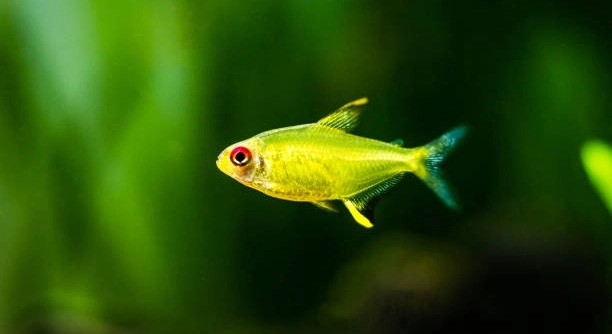
Are your lemon tetras acting strangely and repeatedly flashing against objects in the tank? This unusual behavior can be worrying for many aquarium owners. Observing their actions closely helps in understanding what might be affecting their health or environment.
Flashing in lemon tetras typically occurs due to irritation or stress. Common causes include poor water quality, parasitic infections, or aggressive tank mates. Addressing water parameters and monitoring for disease are essential steps to prevent continued flashing behavior.
Recognizing the reasons behind flashing can improve your tetras’ wellbeing and create a more peaceful tank environment for all your fish. Proper care and attention make a noticeable difference in their behavior.
Water Quality and Its Impact
Maintaining clean water is essential for lemon tetras. Poor water quality often causes flashing as their sensitive skin and gills react to irritants. Ammonia, nitrites, or high nitrate levels can be particularly harmful. Regular testing with a reliable aquarium kit helps track these parameters. Water changes of 20 to 30 percent weekly can prevent the buildup of harmful chemicals. Using a good filtration system ensures debris and excess waste are removed efficiently. Additionally, conditioning tap water to remove chlorine and heavy metals is important. Stress from poor water conditions can weaken the immune system, making tetras more vulnerable to infections. Even small fluctuations in temperature or pH can trigger flashing behavior, so keeping a stable environment is crucial. Observing your tetras daily allows early detection of water-related problems, ensuring timely interventions that protect their health and reduce stress.
Proper water maintenance keeps your tetras healthy and minimizes behaviors that indicate discomfort or stress.
Consistent monitoring and routine care make a noticeable difference. Water changes, proper filtration, and temperature regulation all contribute to a stable environment. Even minor lapses can cause flashing, so diligence ensures your tetras thrive and display normal behavior.
Parasites and Diseases
Parasitic infections often lead to lemon tetras flashing against objects.
External parasites, like ich or gill flukes, irritate the skin and fins. Infected tetras may scratch or rub against surfaces to relieve discomfort. Early detection is critical, as untreated infections can spread quickly and harm other fish. Signs include tiny white spots, frayed fins, or rapid breathing. Quarantining affected fish helps prevent disease transmission. Treating with appropriate medications based on the specific parasite is necessary. Maintaining excellent water quality also supports recovery, as clean water reduces additional stress. Observing behavior daily allows prompt action when flashing begins. Prevention includes introducing new fish carefully and monitoring for signs of illness. A combination of quarantine, treatment, and clean water ensures faster recovery and reduces the likelihood of recurring issues. Healthy tetras are more active and display vibrant colors, while infected fish show more frequent flashing. Regular care and observation are essential for maintaining a disease-free aquarium.
Aggressive Tank Mates
Aggressive or territorial fish often cause lemon tetras to flash. Tetras may repeatedly rub against objects to escape harassment, leading to visible stress. Observing interactions in the tank is important to identify and address conflicts promptly.
Separating aggressive fish from tetras is a practical solution. Aggression can come from larger species or overly dominant individuals. Providing hiding spots like plants and decorations gives tetras refuge and reduces stress. Overcrowding worsens aggression, so ensuring proper stocking levels helps maintain harmony. Monitoring daily behavior allows quick intervention before injuries occur. Tank layout adjustments and rearranging decorations may also disrupt territorial patterns, helping tetras feel safer and more comfortable in their environment.
Preventing aggression involves careful selection of tank mates, providing enough space, and creating visual barriers. Avoid pairing tetras with fin-nipping species or overly competitive fish. A balanced environment encourages natural schooling behavior and minimizes flashing caused by stress. Frequent observation helps ensure peaceful interactions and maintains a calm, healthy tank.
Lighting and Environmental Stress
Excessive or abrupt lighting changes can irritate lemon tetras, triggering flashing. Bright lights or sudden shifts in light intensity can overwhelm their sensitive vision, causing them to seek relief by rubbing against surfaces. Gradually adjusting lighting intensity can help tetras acclimate and reduce stress.
Using dimmer or subdued lighting creates a calmer environment for tetras. Sudden light changes, such as turning on strong overhead lights, may startle them and increase flashing incidents. Timers can regulate consistent light cycles, preventing abrupt transitions. Aquatic plants and decorations provide shaded areas, allowing tetras to retreat and feel secure. Minimizing external disturbances, like reflections from windows or sudden movement near the tank, also reduces stress. Consistent lighting and safe hiding spots support healthy schooling behavior and reduce irritation-related flashing.
Environmental stress extends beyond lighting, including noise, vibrations, and tank placement. Tetras are sensitive to external disturbances, which can increase their anxiety and flashing behavior. Placing the tank in a quiet area away from heavy foot traffic or loud appliances helps maintain a stable environment. Providing plants, rocks, and decorations creates natural barriers and safe spaces. Combining proper lighting, structured hiding spots, and careful placement reduces stress, encourages normal behavior, and promotes overall health. Regular observation allows quick adjustments to maintain comfort and prevent repetitive flashing caused by environmental pressures.
Water Temperature Fluctuations
Sudden changes in water temperature can stress lemon tetras and cause flashing. Even small shifts make them uncomfortable, prompting rubbing against objects. Maintaining a consistent temperature within their preferred range is crucial for their wellbeing.
Using a reliable aquarium heater and thermometer helps stabilize the tank. Gradual adjustments prevent shock and reduce stress-related behaviors.
Diet and Nutrition
A poor diet may contribute to flashing in lemon tetras. Nutritional deficiencies weaken their immune system, making them more sensitive to irritation and disease. Providing a varied diet, including high-quality flakes, frozen foods, and occasional live foods, supports overall health. Feeding small amounts multiple times a day prevents overfeeding and maintains water quality.
Balanced nutrition strengthens their resilience, enhances color, and reduces stress behaviors. Lemon tetras with proper diets are less likely to flash against surfaces caused by discomfort.
Overcrowding
Overcrowded tanks increase stress levels and can lead to flashing. Ensuring appropriate stocking levels creates a comfortable environment for all fish.
FAQ
Why is my lemon tetra flashing only at certain times of the day?
Flashing at specific times is often linked to changes in light or activity in the tank. Sudden bright lighting, reflections, or nearby movement can startle tetras. They may also be more active during feeding or when exploring, increasing chances of rubbing against objects. Maintaining consistent lighting and providing shaded areas helps reduce this behavior.
Can flashing indicate a serious disease?
Yes, flashing can signal external parasites or skin irritation. Common infections include ich or gill flukes, which cause discomfort and make tetras rub against surfaces. Early detection is important. Check for white spots, frayed fins, or rapid breathing. Quarantine affected fish and treat with appropriate medication to prevent spreading.
Is poor water quality the main cause of flashing?
Poor water quality is one of the most common triggers. High ammonia, nitrites, or nitrates irritate tetras’ skin and gills. Regular water testing, weekly partial water changes, and proper filtration are essential. Stable temperature and pH also prevent stress, helping tetras feel safe and minimizing flashing incidents.
Could tank mates be causing my tetras to flash?
Aggressive or territorial fish can make lemon tetras stressed. Nipping or chasing causes them to rub against surfaces for relief. Adding hiding spots, rearranging decorations, or separating aggressive fish improves safety. Proper stocking levels and careful selection of peaceful species reduce stress-induced flashing.
Does diet affect flashing behavior?
Yes, nutritional deficiencies can weaken immune systems, making tetras more prone to irritation. Feeding a varied diet with high-quality flakes, frozen foods, and occasional live foods strengthens health. Smaller, frequent meals prevent water contamination and help maintain comfort in the tank. Healthy tetras show brighter colors and calmer behavior.
Can environmental stress cause flashing?
External factors such as sudden noise, vibrations, or frequent tank movement can make tetras feel threatened. Minimizing disturbances, maintaining consistent lighting, and providing shaded areas help reduce stress. Plants and decorations offer security, allowing tetras to retreat and avoid flashing behaviors.
How do I know if flashing is temporary or serious?
Temporary flashing often stops after minor environmental changes, like adjusting lighting or removing aggressive fish. Persistent flashing, paired with visible health issues such as spots, frayed fins, or lethargy, indicates a deeper problem. Monitoring behavior daily allows timely interventions to prevent illness or stress from worsening.
Can overcrowding trigger flashing?
Yes, too many fish in a small tank increases competition and stress. Lemon tetras may flash while avoiding others or seeking space. Maintaining proper stocking density ensures each fish has room to swim freely and reduces stress behaviors. Rearranging décor can also create natural barriers and hideouts.
Does temperature play a role in flashing?
Fluctuating water temperature stresses tetras and encourages rubbing behaviors. Even minor shifts can irritate their skin and gills. Using a stable heater, monitoring with a thermometer, and avoiding cold drafts or direct sunlight keeps the tank consistent, promoting calm behavior.
What is the best overall approach to prevent flashing?
Focus on stable water quality, proper diet, compatible tank mates, consistent lighting, and a stress-free environment. Observing behavior regularly helps detect early warning signs. Addressing minor issues quickly prevents persistent flashing and ensures your lemon tetras remain healthy, active, and vibrant in the aquarium.
Maintaining a healthy environment is the most important factor in preventing lemon tetras from flashing against objects. Consistent water quality, including stable ammonia, nitrite, nitrate, pH, and temperature levels, is essential for their wellbeing. Regular water changes and proper filtration help remove waste and reduce harmful substances in the tank. Even small changes in these factors can cause stress, which may lead to flashing. Observing your tetras daily allows you to notice small shifts in behavior early, so adjustments can be made before problems become severe. Providing shaded areas with plants, rocks, or decorations gives tetras safe spaces to retreat if they feel threatened or stressed, reducing the likelihood of them rubbing against surfaces.
Diet and nutrition also play a key role in the overall health of lemon tetras. Feeding a varied diet that includes high-quality flakes, frozen foods, and occasional live foods ensures they receive necessary vitamins and nutrients. Nutritional deficiencies weaken their immune system, making them more sensitive to irritation and infections. Overfeeding or inconsistent feeding schedules can negatively affect water quality, which in turn can contribute to flashing. Maintaining a balanced diet not only supports physical health but also encourages calmer, more natural behavior. When tetras are well-fed and live in a clean environment, they display brighter colors and swim more actively, reducing stress-related actions such as flashing against objects.
Tank conditions and interactions with other fish are also critical to consider. Aggressive or overly dominant tank mates can trigger stress, leading lemon tetras to flash as a coping mechanism. Ensuring proper stocking levels, providing hiding spots, and monitoring fish behavior regularly help create a peaceful environment. Environmental factors such as lighting, temperature fluctuations, and external disturbances like vibrations or noise can also impact tetras’ comfort levels. Gradual adjustments and consistent routines help tetras acclimate and minimize stress. By combining stable water parameters, proper nutrition, and a carefully structured tank environment, you can prevent most causes of flashing. Regular observation and timely action ensure lemon tetras remain healthy, active, and display normal schooling behavior, creating a calm and thriving aquarium overall.

Hello,
If you enjoy the content that we create, please consider saying a "Thank You!" by leaving a tip.
Every little bit helps us continue crafting quality advice that supports the health, happiness, and well-being of pets around the world, for pets of all shapes, sizes, and species.
We really appreciate the kindness and support that you show us!