
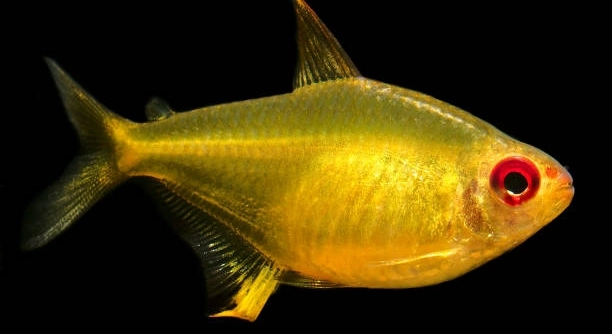
Are your lemon tetras swimming sluggishly or hiding more than usual? Small changes in their tank environment can make a noticeable difference in their behavior and overall well-being. These tweaks are simple but effective for happy fish.
Adjusting tank conditions such as water temperature, pH levels, plant coverage, and hiding spots directly impacts lemon tetras’ comfort and stress levels. Consistently monitoring these factors ensures a stable environment, promoting natural behavior, vibrant coloration, and healthier, more active fish.
Even minor modifications in their tank setup can influence their daily routine and mood, making it worthwhile to consider small improvements carefully.
Adjust Water Temperature Carefully
Lemon tetras thrive in water that stays between 74 and 80 degrees Fahrenheit. I noticed that small temperature shifts made them less active, so I added a reliable heater with a thermostat. Sudden drops can stress the fish, affecting their appetite and color. Using a thermometer daily helps me track changes and prevents surprises. I also make small, gradual adjustments when needed instead of big jumps. Avoid placing the tank near windows or vents that cause rapid fluctuations. Stable water temperature keeps them energetic, encouraging schooling behavior and healthy interactions. Even small tanks benefit from consistent heat, and it reduces the risk of disease. I also paired temperature management with proper filtration to maintain clear water, making the environment more comfortable for them. Consistency matters more than perfection, and I found that minor, steady tweaks helped them settle quickly and display their natural vibrant hues, which is rewarding to see every day.
Maintaining consistent water temperature reduces stress, enhances coloration, and encourages active swimming. Even minor adjustments can improve overall health.
Stable temperature control paired with careful observation prevents stress-related illnesses. I often monitor my tank multiple times a day at first, ensuring the heater maintains the right warmth. Keeping a record of daily readings helped me notice patterns, like small dips at night that required minor adjustments. I also learned that combining temperature stability with proper aeration ensures oxygen levels remain safe. Over time, the fish became more lively, schooling naturally and feeding more eagerly. The difference was clear within weeks, showing how sensitive lemon tetras are to their environment. Properly managing the water temperature made them more comfortable and helped me enjoy watching their bright yellow shades and playful movements. Simple tools like a reliable thermometer, a steady heater, and awareness of environmental factors were all it took to improve their habitat significantly.
Add Plenty of Plants
Lemon tetras feel safer with dense plant coverage. Live plants provide hiding spots and break up bright light, helping them stay relaxed.
Plants also improve water quality by absorbing excess nutrients and providing oxygen, which supports their health and reduces algae growth.
I gradually added several types of plants, like java moss, hornwort, and small floating species. They not only offer protection but create a natural environment that encourages natural schooling behavior. Some plants grow quickly, so trimming becomes part of routine maintenance, which keeps the tank tidy. I also noticed that fish spend more time exploring areas with thicker vegetation, which reduces aggression and makes them seem more comfortable. Floating plants soften the light, preventing stress from overly bright conditions. Over time, the tetras’ colors became richer, and their movement patterns more coordinated. Plants contribute both visually and functionally, improving water quality and providing areas for resting or retreating. This small change made the tank feel more alive and gave the tetras an environment closer to their natural habitat, boosting their overall well-being.
Provide Gentle Water Flow
Lemon tetras prefer a calm environment with gentle water movement. Strong currents can tire them out and stress them, so I adjusted the filter output to create a smooth, consistent flow that keeps them active without overwhelming them.
I found that redirecting the filter slightly or adding a sponge attachment helped slow the water speed. Gentle flow encourages natural swimming patterns and reduces stress-related behavior like hiding or erratic darting. It also helps distribute oxygen and nutrients evenly throughout the tank, which benefits both plants and fish. I noticed my tetras schooling more cohesively once the current was comfortable, making their movements appear more natural. By keeping the water movement moderate, they stay healthy and alert without struggling against a strong stream.
Too much flow can make feeding difficult, so I observed their behavior during meals. Adjusting the current gradually allowed them to acclimate without stress, and I combined this with regular water checks. A steady, gentle flow supports tank balance and keeps both plants and fish thriving. Maintaining this calm environment proved essential for their comfort, and it also made the tank visually peaceful, with fish gliding smoothly instead of fighting strong currents. Over time, I saw a clear difference in their energy and overall health, confirming that small adjustments in water movement have a big impact.
Maintain Stable Water Parameters
Keeping pH, hardness, and nitrate levels stable is essential for lemon tetras. Sudden changes can stress them, so I test the water weekly and make small, careful adjustments when necessary.
Consistent water chemistry prevents illness and supports coloration, behavior, and feeding. I use a combination of water testing kits and partial water changes to maintain balance.
I also monitor ammonia, nitrite, and nitrate levels closely, ensuring they remain safe. Gradual changes are important, as rapid shifts can shock the fish. I keep a log of readings to track patterns and notice any slow trends. By using buffered water or adjusting substrate and decorations carefully, I can tweak parameters without sudden swings. The tetras respond quickly to stable conditions, showing increased activity, healthier scales, and improved social behavior. Balancing water chemistry also reduces algae growth and supports plant health, creating a more natural environment. Over months, I’ve learned that small, consistent maintenance beats large, sporadic adjustments, keeping the tank safe and enjoyable for the fish.
Offer Hiding Spots
Lemon tetras feel secure with small caves, driftwood, or dense plant clusters. I added a few decorations, which reduced their skittish behavior and encouraged more natural schooling.
Hiding spots also give shy or stressed fish a place to rest. Over time, I noticed more confident swimming and interaction within the group.
Keep Lighting Moderate
Bright lighting can stress lemon tetras, while too dim light reduces activity. I use a soft LED setup that mimics natural daylight, balancing visibility and comfort.
Moderate lighting supports plant growth without overwhelming the fish. It also enhances their yellow coloration and encourages regular activity throughout the day.
Feed a Varied Diet
I rotate between high-quality flakes, frozen foods, and occasional live treats. This variety keeps lemon tetras healthy and encourages natural foraging behavior.
A consistent feeding schedule prevents overfeeding and helps maintain water quality. Observing how they respond to different foods lets me adjust portions and types for optimal nutrition.
How many lemon tetras should be kept together?
Lemon tetras are schooling fish and feel safest in groups. I keep at least six together, which encourages natural swimming patterns and reduces stress. Smaller groups often hide more and appear timid, while larger schools create a lively and balanced tank dynamic.
Keeping them in groups also helps distribute attention and prevents bullying. I’ve noticed that when a school of lemon tetras is properly sized, they display more vibrant colors and active behavior. It’s not just about numbers; the tank size matters too. A small tank can’t support too many fish, even if they need social interaction. For my setup, a minimum of six in a moderately sized tank works well, giving them enough space to swim freely while keeping the school cohesive and content.
What water temperature is best for lemon tetras?
Lemon tetras thrive in water between 74 and 80 degrees Fahrenheit. I use a reliable heater and thermometer to maintain a stable temperature. Sudden drops or spikes cause stress, reduce appetite, and dull their bright yellow color.
Consistency is more important than perfection. I noticed that even small, abrupt changes made them sluggish. Gradual adjustments are safer when needed, and I avoid placing the tank near drafts or direct sunlight. Maintaining this range supports their metabolism and encourages schooling, feeding, and natural behaviors.
How often should I clean the tank?
I perform partial water changes of 20-25% weekly. Full cleanings are unnecessary and can stress the fish. Regular maintenance keeps nitrate levels low and water clarity high, supporting both fish and plants.
I also clean the filter monthly to prevent buildup without removing all beneficial bacteria. Uneven maintenance can cause sudden spikes in ammonia or nitrites, which harm lemon tetras. Keeping a routine prevents surprises and promotes a stable environment, reducing stress-related illnesses.
What should I feed lemon tetras?
I rotate high-quality flakes, frozen foods like daphnia or brine shrimp, and occasional live treats. This variety supports their health, enhances coloration, and encourages natural foraging behavior.
Overfeeding can pollute the water, so I provide small portions once or twice daily. Observing how they consume food helps me adjust amounts. Balanced nutrition prevents deficiencies and keeps the fish active and vibrant over time.
How important is tank decor for lemon tetras?
Decor like plants, driftwood, or caves provides hiding spots, reduces stress, and mimics natural habitats. I added several clusters, which made the tetras more confident and active.
Decor also breaks up strong lighting and creates microenvironments for shy fish. Floating plants soften bright light, while dense foliage encourages schooling in secure areas. Proper decor improves overall well-being and supports natural behaviors in the tank.
Can lemon tetras live with other fish?
Yes, but they do best with peaceful species. I’ve kept them with small rasboras and corydoras, which coexist without aggression.
Avoid larger, aggressive fish that may stress or eat them. Choosing compatible tank mates preserves the calm environment lemon tetras need to thrive. Monitoring interactions initially ensures harmony and safety.
How do I know if lemon tetras are healthy?
Healthy tetras are active, swim in groups, and display bright yellow coloration. I check for normal feeding behavior, clear eyes, and intact fins.
Lethargy, hiding, or faded color can indicate stress or water issues. Quick response with water checks or diet adjustments prevents illness. Observing behavior daily is the simplest way to track their health.
What is the best tank size for lemon tetras?
A minimum 20-gallon tank suits a small school of six to eight lemon tetras. More space allows better schooling, reduces stress, and prevents overcrowding.
Larger tanks also make it easier to maintain stable water parameters and provide room for plants and decorations. I noticed they are livelier in a roomy setup where swimming freely is possible.
How often should water parameters be tested?
I test pH, ammonia, nitrite, and nitrate weekly. Consistent checks help detect small changes before they become dangerous.
Tracking parameters over time allows gradual adjustments and avoids shocking the fish. Maintaining stable water chemistry is essential for lemon tetras to display natural behavior and vibrant colors.
Can lighting affect lemon tetras?
Yes, too bright lighting causes stress, while dim light reduces activity. I use moderate LED lighting to balance comfort and visibility.
Soft, consistent lighting enhances coloration and encourages normal swimming and feeding. Floating plants help diffuse harsh light, creating safe zones. Proper lighting is essential for their health and mood.
How can I reduce stress in lemon tetras?
Stable water parameters, gentle flow, proper lighting, and adequate hiding spots all reduce stress. I monitor behavior and adjust the environment gradually.
Sudden changes, overstocking, or incompatible tank mates increase stress and risk illness. Providing a calm, stable habitat ensures healthy, active, and vibrant fish over time.
Are there common health issues for lemon tetras?
They are prone to fin rot, ich, and stress-related illness if water is poor or temperature fluctuates. I prevent problems by keeping clean water and consistent conditions.
Quarantining new fish, monitoring for early signs, and maintaining a proper diet reduces disease risk. Healthy habits support long-term well-being and natural behavior.
What plants work best in a lemon tetra tank?
I use java moss, hornwort, and floating plants. Dense plants give hiding spots, reduce stress, and improve water quality.
Plants provide oxygen, absorb nutrients, and create a more natural environment. Healthy plants support fish activity, schooling, and vibrant coloration, making the tank more balanced and visually pleasing.
How long do lemon tetras live?
With proper care, lemon tetras live three to five years. I noticed that stable conditions, proper diet, and minimal stress contribute to longevity.
Regular maintenance, including water checks and plant care, keeps them healthy and active. Monitoring their behavior and appearance helps detect issues early, supporting a full lifespan.
Can lemon tetras breed in a community tank?
Yes, but they need secluded areas and proper water conditions. I provide fine-leaved plants and gentle flow to encourage spawning.
Separating eggs or fry prevents predation, as other fish may eat them. Careful setup ensures successful breeding without stressing the adults.
Is tank cleaning different for lemon tetras compared to other fish?
Not really. I follow routine partial water changes and filter maintenance, which keeps parameters stable.
Unlike some species, lemon tetras do not require specialized cleaning methods. Consistent, moderate upkeep prevents stress and supports healthy behavior, coloration, and activity.
How can I encourage natural schooling behavior?
Keeping at least six together in a spacious tank with gentle flow and hiding spots promotes schooling. I’ve noticed they synchronize swimming better in a calm, plant-rich environment.
A balanced group and stable conditions make schooling appear natural and reduce aggression. Observing interactions helps me adjust the tank for optimal comfort and group cohesion.
Lemon tetras are small, lively fish that respond quickly to changes in their environment. Over the time I’ve kept them, I’ve noticed how sensitive they are to water temperature, pH levels, and overall tank conditions. Even minor fluctuations can make them hide or swim less actively. By maintaining stable water parameters and a consistent feeding schedule, I’ve seen them become more confident and display brighter, more vibrant colors. Their behavior is a clear indicator of how comfortable they feel in the tank, and small improvements make a noticeable difference. Adjusting the tank little by little—like adding plants or creating gentle water flow—helps them settle in without stress, and these small tweaks are easier to manage than big sudden changes.
Decor and plants play a bigger role than I initially thought. Lemon tetras use hiding spots to feel safe, and adding driftwood, rocks, or dense plant clusters allows them to explore while feeling protected. Floating plants and soft lighting reduce stress, while live plants improve water quality by absorbing excess nutrients and producing oxygen. I found that creating a natural, plant-rich environment not only made the tetras more active but also reduced aggression within the group. Their schooling behavior became more cohesive and natural when they had a mix of open swimming areas and secure spots to retreat to. Observing them interact with the environment shows how much these little details matter for their daily routine and overall happiness.
Feeding and social behavior are equally important. Offering a variety of foods, including flakes, frozen treats, and occasional live foods, ensures proper nutrition and encourages natural foraging behavior. Overfeeding can harm water quality, so portion control is necessary to maintain a healthy tank. Lemon tetras thrive when kept in groups, and watching them school together demonstrates their social nature. Providing the right tank size and keeping water conditions stable prevents stress and illness, helping them live full, healthy lives. Over the years, I’ve realized that small, consistent attention to temperature, water quality, decor, lighting, and diet can make a huge difference. Lemon tetras are simple to care for, but they do respond to subtle improvements in their environment, and these tiny tweaks are well worth the effort to see them happy and thriving.

Hello,
If you enjoy the content that we create, please consider saying a "Thank You!" by leaving a tip.
Every little bit helps us continue crafting quality advice that supports the health, happiness, and well-being of pets around the world, for pets of all shapes, sizes, and species.
We really appreciate the kindness and support that you show us!