
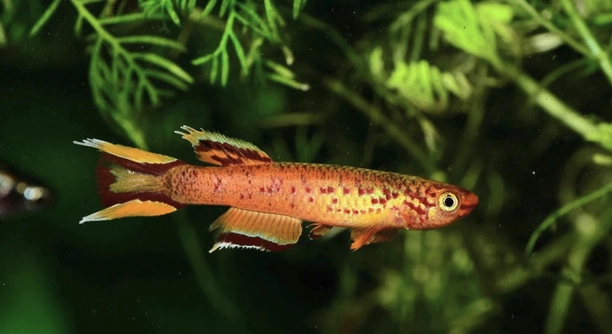
Are your killifish frequently gulping air at the water’s surface? This behavior can be concerning for any fish keeper. Killifish are fascinating creatures, but their air-gulping often signals something important about their environment or health.
Killifish gulp air mainly because of low oxygen levels in the water. When dissolved oxygen decreases, they surface to breathe atmospheric air through their specialized structures. This behavior is a survival response to inadequate water conditions, often linked to poor aeration or water quality.
Understanding why your killifish are gulping air can help you improve their tank environment. Proper care ensures they remain healthy and vibrant, making your aquarium experience more enjoyable.
Common Causes of Killifish Gulping Air
Killifish gulping air usually means their tank conditions are not ideal. Low oxygen levels are the most frequent cause, often due to overcrowding, poor water circulation, or insufficient aeration. When there are too many fish or decorations limiting water flow, oxygen levels can drop quickly. Another factor is water temperature. Warmer water holds less oxygen, so if the tank gets too warm, your killifish may struggle to breathe. Poor water quality, including high levels of ammonia or nitrates, also stresses fish and reduces oxygen availability. Sometimes, illness or parasites can affect their breathing, making them gulp air more often. Regular testing and maintenance of the tank water help prevent these issues and keep your killifish comfortable.
Keeping an eye on oxygen and water quality is essential for your fish’s health. Small changes can make a big difference in their behavior and wellbeing.
Adjusting tank conditions, such as adding an air pump or reducing temperature, can greatly improve oxygen levels and reduce air gulping. Cleaning the tank and performing water changes also help restore balance, supporting your killifish’s health.
How to Improve Oxygen Levels in Your Killifish Tank
Improving oxygen levels is the key to stopping your killifish from gulping air. Using an air pump or increasing surface agitation can boost oxygen exchange. Adding live plants also helps produce oxygen naturally. Avoid overfeeding, as excess food decays and consumes oxygen. Keeping the tank clean with regular water changes prevents waste buildup that reduces oxygen.
Increasing water circulation is another important step. Filters that create gentle currents help spread oxygen throughout the tank. Make sure your tank is not overcrowded. Fewer fish mean more oxygen per individual. Controlling the water temperature to stay within the killifish’s preferred range also supports oxygen levels, as cooler water holds more oxygen. Monitoring these factors ensures your fish have enough air to breathe comfortably.
Proper oxygen management leads to healthier fish and less stress. This attention keeps your killifish lively and reduces harmful behaviors like air gulping. By maintaining these conditions, you provide a stable environment where your killifish can thrive for years.
Signs of Stress in Killifish
Stress in killifish often shows through changes in behavior. Gulping air more frequently is one sign. They may also become less active or hide more than usual. Changes in appetite or color can indicate stress, too.
Stress weakens the immune system, making killifish more vulnerable to disease. Common causes include poor water quality, overcrowding, and sudden changes in temperature or lighting. It’s important to monitor these factors closely. Maintaining stable, clean water conditions helps reduce stress. Avoid overcrowding and provide enough hiding spots. Watching your fish’s behavior regularly allows you to spot stress early and act promptly to improve their environment.
When killifish experience stress, their breathing may become erratic or rapid. These signs, along with increased air gulping, require immediate attention to prevent health decline. Ensuring proper tank maintenance and a calm environment supports their wellbeing.
Preventing Air Gulping in Killifish
Maintaining good water quality is essential to prevent air gulping. Frequent water testing and regular partial water changes remove harmful chemicals and maintain oxygen levels. Use a reliable filter and keep it clean to ensure proper circulation.
Avoid overcrowding your tank. Overpopulated tanks quickly lose oxygen, which forces fish to surface for air. Keep temperature stable within the recommended range for killifish, typically between 72°F and 78°F (22°C to 26°C). Use an air pump or surface agitator to improve oxygen exchange, especially in warmer weather. Adding live plants can also help increase oxygen naturally. Taking these steps creates a healthier environment and reduces the need for your killifish to gulp air.
Monitoring Water Parameters
Regular testing of water parameters is crucial to keep killifish healthy. Check oxygen, ammonia, nitrite, nitrate, and pH levels often. Small changes can quickly affect fish behavior and health.
Using test kits helps identify problems early. Address issues promptly by adjusting water conditions or performing partial water changes. Consistency is key to maintaining a stable environment.
Common Water Parameter Issues
Ammonia and nitrite levels above zero are toxic to killifish and cause stress. High nitrate can also reduce oxygen availability. pH outside the ideal range (6.0–7.5) affects fish metabolism and breathing. Poor water parameters often lead to increased air gulping as fish struggle to get enough oxygen.
Tank Maintenance Tips
Regular cleaning and partial water changes improve oxygen levels and reduce toxins. Avoid disturbing the substrate too much to keep beneficial bacteria intact. A clean tank supports healthy fish and reduces stress.
Signs of Oxygen Deficiency
Gasping at the surface and sluggish swimming often indicate low oxygen. Immediate action is needed to improve aeration and water quality.
FAQ
Why are my killifish gulping air at the surface?
Killifish gulp air because the water may not have enough oxygen. Low oxygen levels can happen due to poor water circulation, overcrowding, high temperature, or dirty water. They have adapted to breathe air when oxygen is low in their environment, but this behavior shows the tank conditions need improvement.
Can killifish survive by gulping air alone?
No, killifish cannot rely solely on gulping air for long-term survival. While some species have adaptations to breathe atmospheric air temporarily, they still need well-oxygenated water to stay healthy. If the tank environment stays poor, fish may become stressed, weak, or prone to disease.
How often should I change the water to prevent air gulping?
Performing partial water changes every one to two weeks is recommended. Frequent water changes remove waste, excess food, and harmful chemicals, helping maintain oxygen levels. If the tank is overcrowded or water quality is poor, more frequent changes might be needed.
Is an air pump necessary for killifish tanks?
An air pump is highly beneficial, especially if the tank lacks natural water movement or plants. It increases oxygen levels by creating surface agitation and helps distribute oxygen throughout the tank. Some killifish tanks manage without air pumps if there is plenty of live plants and proper filtration.
Can temperature affect how much my killifish gulp air?
Yes, warmer water holds less oxygen, so if the tank temperature rises above 78°F (26°C), your killifish may gulp air more often. Keeping the water within their ideal temperature range helps maintain good oxygen levels and reduces stress.
What signs show my killifish are stressed due to oxygen deficiency?
Increased air gulping, lethargy, hiding more than usual, loss of appetite, and faded colors can all indicate stress caused by low oxygen. Rapid or erratic breathing is another warning sign. If you notice these behaviors, check water quality and improve aeration immediately.
Can live plants help reduce air gulping?
Yes, live plants produce oxygen through photosynthesis and can improve overall water quality by absorbing nitrates. However, plants alone may not supply enough oxygen in overcrowded or poorly filtered tanks. Combining plants with good water circulation is best.
What should I do if my killifish keep gulping air after improving water conditions?
If air gulping continues despite good water quality and aeration, consider other causes like illness or parasites. Some infections affect breathing and may require treatment. Observe other symptoms and consult a specialist or veterinarian if necessary.
Is overcrowding a common cause of air gulping in killifish?
Yes, overcrowding reduces oxygen availability because more fish consume oxygen faster. It also increases waste buildup, which lowers water quality. Keeping the right number of fish for your tank size helps maintain oxygen levels and reduces stress behaviors like air gulping.
How can I test oxygen levels in my tank?
Dissolved oxygen test kits are available at aquarium stores or online. These kits provide a way to measure oxygen concentration in water. Monitoring oxygen regularly helps detect problems early and keeps your killifish comfortable.
Are there any quick fixes for air gulping behavior?
Increasing aeration by adding an air pump or improving filter flow is the fastest way to help. Performing a partial water change can also boost oxygen temporarily. However, long-term fixes involve maintaining good water quality and proper tank conditions consistently.
Does feeding affect oxygen levels?
Overfeeding leads to uneaten food decomposing in the tank, which consumes oxygen and releases harmful substances. Feeding killifish in small amounts and removing leftovers helps keep oxygen levels stable and reduces air gulping caused by poor water quality.
Final Thoughts
Killifish gulping air is usually a clear sign that their tank environment needs attention. This behavior often points to low oxygen levels or water quality problems. Paying close attention to your tank’s conditions is the best way to keep your killifish healthy and comfortable. Regular water testing, proper filtration, and maintaining the right temperature are essential steps. By creating a stable and clean environment, you reduce stress on your fish and help prevent harmful behaviors like air gulping.
Maintaining a balance between the number of fish and the size of the tank is important. Overcrowding can quickly lead to oxygen shortages and waste buildup, which forces killifish to surface for air more often. Adding live plants and using air pumps or filters to increase water movement can improve oxygen levels naturally. It is also important to avoid overfeeding, as leftover food decays and lowers oxygen. Simple daily care and observation can make a significant difference in your killifish’s wellbeing.
If your killifish continue to gulp air despite improving tank conditions, it may be necessary to consider other causes such as illness or parasites. Observing your fish for other signs of stress or disease can help identify when medical treatment is needed. Overall, focusing on consistent tank maintenance and proper care provides the best chance for your killifish to thrive. With attention and effort, you can enjoy watching your killifish live healthy and active lives in your aquarium.

Hello,
If you enjoy the content that we create, please consider saying a "Thank You!" by leaving a tip.
Every little bit helps us continue crafting quality advice that supports the health, happiness, and well-being of pets around the world, for pets of all shapes, sizes, and species.
We really appreciate the kindness and support that you show us!