
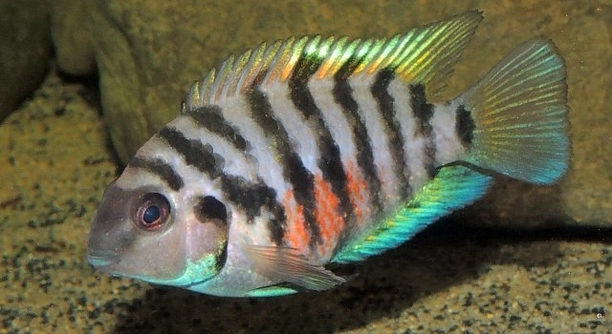
Choosing the right tank size for your cichlids is important for their health and happiness. It can be tricky to know how much space five cichlids really need to thrive in a home aquarium. Proper tank size supports their natural behavior and reduces stress.
A tank size of at least 55 gallons is recommended for five cichlids. This provides enough swimming space, territorial boundaries, and water volume to maintain stable water conditions and promote healthy growth and activity among the fish.
Knowing the ideal tank size helps you create a balanced environment for your cichlids. This article will explain what to consider when setting up the perfect home for your five fish.
Why Tank Size Matters for Cichlids
Cichlids are active and territorial fish that need plenty of space to swim and establish their areas. In a small tank, aggression can increase, leading to stress and injury. A larger tank helps reduce conflict by allowing fish to spread out. It also provides better water quality because larger volumes dilute waste more effectively. Proper filtration combined with adequate tank size supports a stable environment. If the tank is too small, toxins build up faster, and frequent water changes become necessary. With enough room, cichlids show more natural behavior, such as exploring and interacting in less stressful ways. Providing space benefits both the fish and the keeper, reducing maintenance problems and helping the cichlids live longer, healthier lives.
Smaller tanks limit the number of fish and increase aggression. Bigger tanks improve behavior and water quality.
Cichlids need hiding spots and structures that break the line of sight. This prevents constant staring contests and reduces stress. Plants, rocks, and decorations help create territories within the tank. Spacing out these elements allows each fish to claim its own space, minimizing fights. Remember, the bigger the tank, the easier it is to maintain a peaceful community and stable water parameters. Consider your cichlids’ size and temperament before choosing decorations to avoid overcrowding the tank.
Ideal Tank Dimensions for Five Cichlids
For five adult cichlids, a tank of at least 55 gallons is advisable, but a larger tank can be better. Tanks that are longer rather than taller give more horizontal swimming space, which cichlids prefer. A tank around 48 inches long, 18 inches wide, and 20 inches tall works well for this number of fish. Depth is also important because some cichlids like to swim at different levels. You want to provide space vertically and horizontally for natural movement.
A larger footprint also allows for better arrangement of rocks and plants, which helps break up territories. This reduces stress caused by constant confrontation. When buying or building a tank, prioritize length and width over height. This matches the natural swimming patterns of many cichlid species better.
Cichlids can grow fairly large depending on the species, so it is smart to plan for adult size. Overstocking or using a small tank may look fine at first but often leads to problems later. With five fish, giving them extra space helps prevent aggression and keeps water quality stable for longer periods between cleanings. Investing in a larger tank from the start saves time, money, and effort in the long run. Proper tank size is a key part of creating a healthy home for your cichlids.
Maintaining Water Quality in a Properly Sized Tank
A larger tank helps keep water quality stable by diluting toxins produced by fish waste. This reduces ammonia spikes and makes it easier to maintain safe levels for cichlids.
Regular water testing and partial water changes are still necessary, even with a big tank. Maintaining proper filtration is important to remove debris and harmful chemicals. Good filtration combined with enough tank volume creates a healthier environment. Overfeeding can also harm water quality, so feed your cichlids only what they can eat in a few minutes. Monitoring parameters such as pH, ammonia, nitrite, and nitrate keeps your tank balanced. This consistency supports your fish’s health and reduces stress.
Water changes in a tank that is too small become more frequent and stressful for both the fish and the owner. Larger tanks give more time between cleanings and reduce sudden changes in water chemistry. The stable environment helps fish grow and behave naturally, preventing disease outbreaks. It also allows you to enjoy the tank without constant maintenance. Ensuring good water quality is as essential as tank size for happy cichlids.
Choosing the Right Decorations and Layout
Decorations must create hiding spots and break sightlines to reduce aggression among cichlids. Rocks, caves, and plants help fish establish territories.
Avoid overcrowding the tank with too many decorations. This limits swimming space and can increase stress. Arrange decorations to allow open swimming areas and places for retreat. Consider the species’ natural habitat when selecting materials. Sand or fine gravel is often preferred over sharp substrate. Hardscape elements should be stable to prevent collapse during cleaning or fish movement. A well-thought-out layout supports peaceful coexistence. Proper arrangement enhances both the fish’s comfort and your tank’s appearance.
Feeding and Tank Size
Feeding five cichlids in a properly sized tank helps keep the environment clean. Overfeeding can cause waste buildup and harm water quality quickly.
Portion control is important. Feed small amounts several times a day rather than one large feeding. This reduces leftover food and keeps the tank healthier.
Monitoring Fish Behavior
Watch for signs of stress or aggression among your cichlids. Aggressive behavior can indicate that the tank is too small or lacks enough hiding spots.
Adjust decorations or consider increasing tank size if conflicts persist. Healthy fish are more active and show natural behaviors without constant fighting.
Impact of Overstocking
Overstocking stresses cichlids by increasing competition for space and resources. It often results in poor water quality and disease outbreaks.
Keeping the correct number of fish based on tank size prevents these problems and supports long-term fish health.
Tank Maintenance Basics
Regular cleaning and water changes maintain a healthy environment. Avoid letting waste build up, even in larger tanks.
FAQ
How big should a tank be for 5 cichlids?
A tank of at least 55 gallons is recommended for five adult cichlids. This size provides enough space for swimming, establishing territories, and maintaining good water quality. Larger tanks help reduce aggression and make it easier to control water parameters over time.
Can I keep 5 cichlids in a 40-gallon tank?
A 40-gallon tank is generally too small for five adult cichlids. It may work for juveniles temporarily, but as the fish grow, space becomes limited, leading to increased stress and aggression. Upgrading to a larger tank will improve their health and behavior.
Why does tank size affect cichlid aggression?
Cichlids are territorial fish that need space to claim their own areas. In smaller tanks, boundaries overlap, causing fights. A bigger tank reduces stress by giving each fish room to establish territory, which lowers aggressive interactions.
What tank shape is best for cichlids?
Long and wide tanks are better than tall tanks because they provide more horizontal swimming space. Cichlids prefer to swim across the tank, so length and width help accommodate their natural movement and reduce conflicts.
How often should I change the water in a 55-gallon tank with 5 cichlids?
A weekly partial water change of 20-30% is ideal to maintain water quality. Larger tanks dilute waste better, but regular changes prevent toxin buildup. Testing water parameters will help determine if more frequent changes are needed.
What type of substrate is best for cichlids?
Fine sand or smooth gravel works best. Cichlids like to dig and sift substrate, so it should be soft enough to prevent injury. Avoid sharp or rough materials that could harm them.
Are live plants suitable for a cichlid tank?
Some cichlid species may uproot or eat plants, but hardy plants like Java fern or Anubias can survive well. Using anchored or artificial plants can also provide hiding spots without risking damage.
How important is filtration for a tank with 5 cichlids?
Filtration is crucial to keep the water clean and oxygenated. Cichlids produce waste, and a good filter helps remove toxins and maintain stable water conditions. Choose a filter rated for your tank size and consider biological, mechanical, and chemical filtration.
Can I mix different cichlid species in one tank?
Mixing species is possible but requires careful selection. Some cichlids are more aggressive than others, so choose species with compatible temperaments and similar size. Provide plenty of hiding spots to minimize conflict.
What is the best diet for cichlids?
A balanced diet including high-quality pellets, frozen or live foods like brine shrimp, and occasional vegetables supports their health. Avoid overfeeding to prevent water quality problems. Feeding small portions multiple times a day works best.
How do I know if my tank is too small for my cichlids?
Signs include increased aggression, constant chasing, hiding, poor growth, or health problems. If fish seem stressed or injured frequently, the tank size may be insufficient or the layout might need adjusting.
Can I keep baby cichlids in the same tank with adults?
Keeping juveniles with adults can lead to bullying or predation. It is better to raise babies in a separate tank until they are large enough to coexist safely with adults.
Is a 75-gallon tank better than 55 gallons for 5 cichlids?
Yes, a 75-gallon tank provides even more space for swimming and territories. It helps reduce aggression and offers greater water stability. This size is ideal if you want to add more decorations or plants.
How do I set up hiding spots for cichlids?
Use rocks, caves, driftwood, and plants to create separate areas. Space these decorations to break sightlines and allow fish to retreat. This reduces stress and aggression by giving each cichlid a private space.
What water parameters are ideal for cichlids?
Most cichlids prefer a pH between 7.0 and 8.0, moderate hardness, and temperatures from 74°F to 82°F (23°C to 28°C). Stable water conditions are more important than exact numbers, so avoid sudden changes.
Can too many decorations harm my cichlids?
Yes, overcrowding the tank with decorations can reduce swimming space and cause stress. Aim for a balance that provides hiding spots without limiting open areas for movement.
How long does it take for cichlids to settle in a new tank?
Cichlids usually adjust within a few days to a couple of weeks. During this time, they may hide more or act shy. Maintaining stable water conditions and providing plenty of hiding places helps them feel secure.
What should I do if cichlids are constantly fighting?
Check tank size and layout first. Increasing space or rearranging decorations can help. If aggression continues, consider removing the most aggressive fish or upgrading to a larger tank. Proper feeding and hiding spots also reduce conflict.
Can cichlids live in a community tank with other fish?
Some cichlids can live with certain species, but many are territorial and aggressive. Choose tank mates carefully based on size and temperament, and provide plenty of space to reduce fights.
How often should I clean the tank filter?
Clean mechanical filter media every 2-4 weeks to prevent clogging, but avoid washing biological media with tap water to preserve beneficial bacteria. Regular maintenance keeps filtration efficient without disrupting the tank’s balance.
Are water conditioners necessary?
Yes, water conditioners remove chlorine, chloramines, and heavy metals from tap water, making it safe for cichlids. Always treat new water before adding it to the tank.
What is the best way to introduce new cichlids?
Quarantine new fish for at least two weeks to prevent disease spread. Introduce them slowly to reduce stress, ideally adding them to a larger tank with plenty of hiding places to minimize aggression.
How large do cichlids get?
Size varies by species, but many common aquarium cichlids grow between 6 and 12 inches. Knowing the adult size helps determine tank size and space requirements.
Can tank size affect cichlid breeding?
Yes, adequate space encourages natural breeding behaviors and reduces stress. Smaller tanks may inhibit breeding or increase aggression during spawning.
What signs indicate my cichlids are healthy?
Healthy cichlids are active, have vibrant colors, clear eyes, and show natural behaviors like exploring and defending territory. They eat regularly and have no visible signs of illness or injury.
How do I prevent algae growth in my cichlid tank?
Control light exposure, avoid overfeeding, and maintain good water quality. Introducing algae-eating species can help, but avoid adding fish that may be aggressive toward cichlids. Regular tank cleaning is also important.
Is it necessary to cycle the tank before adding cichlids?
Yes, cycling establishes beneficial bacteria that convert harmful ammonia to less toxic nitrate. This process takes several weeks but is crucial for fish health. Adding cichlids too soon risks ammonia poisoning.
What temperature should I keep my cichlid tank?
Keep the water temperature between 74°F and 82°F depending on the species. Use a reliable heater and thermometer to maintain a stable temperature, avoiding sudden fluctuations that stress fish.
Can cichlids live without a heater?
In some tropical climates, room temperature may be sufficient, but a heater ensures consistent warmth. Most cichlids thrive in stable temperatures, so a heater is recommended for reliable conditions.
How often should I feed my cichlids?
Feed small amounts two to three times daily. Overfeeding can harm water quality, so only offer what the fish can eat in a few minutes.
What are common diseases in cichlids?
Ich, fin rot, and bacterial infections are common. Good water quality, proper diet, and quarantine of new fish help prevent disease. Early treatment is important for recovery.
Can cichlids live in brackish water?
Some species tolerate mild brackish conditions, but most prefer freshwater. Research your specific cichlid species’ requirements before adding salt.
Is it okay to keep male and female cichlids together?
Yes, but breeding pairs can become territorial. Monitor their behavior and provide enough space to reduce aggression during spawning.
How do I know when to upgrade my tank?
Signs include overcrowding, frequent aggression, poor water quality, and stunted fish growth. Upgrading gives your cichlids room to thrive and reduces maintenance stress.
What are the benefits of a larger tank for cichlids?
Larger tanks offer better water stability, reduced aggression, more natural behavior, and easier maintenance. They create a healthier environment for both fish and owner.
Can cichlids live with shrimp or snails?
Many cichlids view shrimp as food and may attack snails. Compatibility depends on species, so be cautious if mixing.
What’s the best lighting for a cichlid tank?
Moderate lighting replicates natural conditions and supports plant growth without encouraging excessive algae. Avoid bright lights that stress fish.
How do I handle aggressive cichlids?
Provide hiding spots, rearrange the tank, reduce the number of aggressive fish, or upgrade to a larger tank. Avoid sudden changes that stress fish further.
What is the lifespan of cichlids?
Most cichlids live between 8 and 12 years with proper care. Some species can live longer. Good tank conditions support a full lifespan.
Choosing the right tank size for five cichlids is essential for their health and happiness. A tank that is too small can cause stress, aggression, and poor water quality, which directly affect the fish’s well-being. Providing at least 55 gallons of space allows the fish to swim freely, establish territories, and reduces conflicts. Larger tanks offer a more stable environment, making it easier to maintain clean water and consistent conditions. When the tank is big enough, it supports natural behavior and helps cichlids live longer, healthier lives.
Tank size is just one part of successful cichlid care. Proper filtration, regular water changes, and balanced feeding all play important roles in creating a healthy habitat. Decorations should offer hiding spots and territory boundaries without overcrowding the space. This helps reduce aggression and gives each fish a place to feel secure. Monitoring water parameters such as pH, ammonia, and nitrate levels is necessary to avoid harmful spikes. Good maintenance practices combined with a suitable tank size create a peaceful, thriving environment for your cichlids.
Keeping five cichlids can be rewarding, but it requires commitment to their needs. Paying attention to tank size and setup helps avoid common problems like stress and disease. A well-sized tank gives the fish room to grow and behave naturally, which is key to their overall well-being. Taking the time to maintain water quality and proper nutrition also supports their health. With the right tank and care, cichlids can be active, colorful, and enjoyable pets for many years.

Hello,
If you enjoy the content that we create, please consider saying a "Thank You!" by leaving a tip.
Every little bit helps us continue crafting quality advice that supports the health, happiness, and well-being of pets around the world, for pets of all shapes, sizes, and species.
We really appreciate the kindness and support that you show us!