
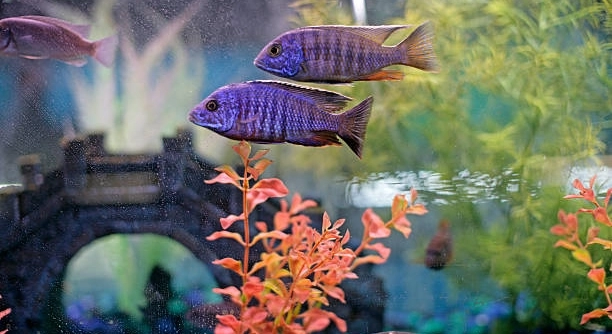
Are your cichlids spending a lot of time near the water’s surface? This behavior can be worrying for many fishkeepers who want their pets to be healthy and happy. Understanding why they do this is important for proper care.
Cichlids often hover near the surface due to low oxygen levels, poor water quality, or stress. Surface hovering can indicate that the fish are trying to access more oxygen or avoid harmful conditions in the tank. Immediate attention to tank conditions is necessary to ensure their well-being.
Knowing the reasons behind this behavior will help you provide a better environment for your cichlids. This article explains common causes and how to address them effectively.
Low Oxygen Levels in the Tank
When cichlids hover near the surface, one common reason is that the oxygen in the water is too low. Fish naturally swim near the top where oxygen exchange happens more easily. This can happen if the tank’s surface movement is minimal, limiting fresh air mixing with water. Overcrowding the tank can also reduce oxygen levels because many fish consume oxygen quickly. Sometimes, heaters or filters do not work properly, which affects water circulation and oxygen distribution. Keeping plants, especially those that consume a lot of oxygen at night, can also reduce the oxygen available to fish. Regular testing of oxygen levels and adding air stones or increasing surface agitation can help maintain a healthy oxygen balance. Proper water temperature is important as warmer water holds less oxygen, so monitoring this also matters to prevent your cichlids from struggling.
Low oxygen often makes fish appear lethargic or gasp at the surface. Acting quickly is important to avoid serious health problems.
Checking equipment, adjusting fish numbers, and improving aeration can keep oxygen levels steady and support healthy cichlids.
Poor Water Quality
Poor water quality is a major reason cichlids hover near the surface. Waste buildup from fish and uneaten food releases harmful chemicals like ammonia and nitrites into the water. These toxins stress fish and affect their breathing. Dirty water can also cause pH levels to shift, making the environment uncomfortable for cichlids. A lack of regular water changes means these problems grow worse over time. It’s important to test the water weekly for ammonia, nitrites, nitrates, and pH to catch issues early. Filtration systems must be cleaned and maintained properly to remove waste effectively. If water quality drops, fish will try to escape to the surface where oxygen and cleaner water are more accessible. Frequent water changes, proper feeding, and good filtration all help keep water safe and fish comfortable.
To improve water quality, focus on consistent maintenance and monitoring.
Stress Factors Affecting Cichlids
Stress can make cichlids act differently, including hovering near the surface. Changes like moving the tank, new tankmates, or sudden temperature shifts can unsettle them. Loud noises or constant tapping on the glass also cause stress. When stressed, fish may avoid the middle or bottom levels of the tank and try to stay near the surface for a sense of safety. Poor hiding spots or overcrowding increase stress levels as well. Identifying stress triggers and reducing them can help calm your cichlids. Providing plants, decorations, and enough space lets fish feel secure. Keeping a stable environment with consistent light and temperature reduces stress too. Watching fish behavior regularly helps catch stress signs early before it affects their health.
Minimizing stress keeps cichlids active and comfortable in their home.
A calm tank encourages natural behavior and reduces surface hovering caused by fear or discomfort.
Temperature and Its Effects
Temperature changes can make cichlids stay near the surface. Water that is too warm holds less oxygen, forcing fish to seek air at the top. Sudden shifts in temperature also stress them, causing unusual behavior.
Maintaining a stable temperature is key for healthy cichlids. Most species prefer water between 75°F and 82°F. Temperatures outside this range can reduce their immune response and increase stress. If the water gets too warm, oxygen levels drop, and cichlids will struggle to breathe. Using a reliable heater and thermometer helps keep the temperature steady. Avoid placing the tank near windows or vents where temperatures can change suddenly. Slow, gradual adjustments are safer than quick changes, which can shock your fish and cause them to hover at the surface more often.
If your cichlids are gasping or staying near the top, check the water temperature right away. Stable conditions keep them calm and comfortable.
Overcrowding in the Aquarium
Too many fish in one tank is a common issue causing surface hovering. Overcrowding means less oxygen and more waste, creating an unhealthy environment for cichlids. It also increases stress and aggression among fish.
Overcrowded tanks reduce the space for fish to swim and breathe freely. More fish consume oxygen faster, which lowers its availability near the bottom and middle of the tank. This forces cichlids to move closer to the surface where oxygen is higher. Waste buildup from many fish also raises harmful ammonia and nitrite levels, affecting water quality. Aggression can rise when there is limited territory, leading to stress and erratic behavior. To prevent this, make sure your tank size matches the number of fish and species you keep. Regular water tests and proper filtration are essential when housing multiple fish.
Giving each cichlid enough space and keeping the tank clean helps reduce surface hovering caused by overcrowding.
Lack of Proper Filtration
Poor filtration can cause cichlids to hover near the surface. Without a good filter, waste and toxins build up quickly, reducing water quality. This stresses the fish and affects their breathing.
Filters help keep water clean and oxygenated. A weak or clogged filter limits water flow and oxygen levels, forcing cichlids to seek fresher water at the top.
Signs of Illness in Cichlids
Illness can cause cichlids to stay near the surface as they struggle to breathe or feel weak. Common issues include parasites, bacterial infections, or swim bladder problems, which affect their normal swimming.
Insufficient Tank Maintenance
Regular tank cleaning is essential. Without it, waste accumulates and harms water quality, making fish uncomfortable and more likely to hover near the surface.
Improving Aeration
Increasing aeration adds oxygen to the water. Air stones or pumps improve water movement, helping cichlids breathe better and reducing surface hovering.
FAQ
Why are my cichlids gasping at the surface?
Gasping at the surface usually means your cichlids are trying to get more oxygen. This happens when the water has low oxygen levels, often due to poor aeration, overcrowding, or warm temperatures. Fixing water flow, lowering tank temperature, and reducing fish numbers can help.
How often should I test my tank water?
It’s best to test water at least once a week. Check for ammonia, nitrites, nitrates, and pH levels. Keeping these in balance prevents stress and illness in your cichlids. Regular testing helps catch problems before they become serious.
Can changing water temperature suddenly harm my cichlids?
Yes, sudden temperature changes shock fish and cause stress. This can lead to surface hovering and other unusual behaviors. Always adjust temperature slowly, about 1-2 degrees per hour, to keep your fish comfortable.
What is the ideal temperature for cichlids?
Most cichlids thrive between 75°F and 82°F (24°C to 28°C). Staying within this range supports their health and reduces stress. Use a reliable heater and thermometer to keep the tank stable.
How many cichlids should I keep in one tank?
Tank size and species matter, but a general rule is one inch of fish per gallon of water. Overcrowding reduces oxygen and increases waste, causing stress. Give your cichlids enough space to swim and avoid aggressive behavior.
What type of filter works best for cichlids?
A strong filter that offers mechanical, biological, and chemical filtration is ideal. Cichlids produce a lot of waste, so a high-quality filter keeps water clean and oxygenated. Make sure to clean the filter regularly to maintain its efficiency.
Can plants affect oxygen levels in the tank?
Yes, plants produce oxygen during the day but consume it at night. Having too many plants or fast-growing types can lower oxygen levels after dark. Balance live plants with proper aeration to keep oxygen steady.
Why do cichlids hover near the surface only at night?
At night, oxygen levels drop because plants and water movement slow down. This can cause cichlids to gather near the surface where oxygen is more available. Using an air stone or pump helps maintain oxygen 24/7.
Is surface tension a problem for fish breathing?
Surface tension isn’t usually a problem unless there is a film or oil on the water’s surface. This film blocks oxygen exchange and can cause fish to gasp. Keep the water surface clean by avoiding soap or oils near the tank.
What signs show my cichlids are stressed?
Stressed cichlids may hover at the surface, lose appetite, hide more, or show faded colors. They might also swim erratically or become aggressive. Identifying stress early helps prevent illness and improves their quality of life.
How do I reduce stress in my cichlid tank?
Keep the environment stable with consistent water temperature and quality. Avoid loud noises or tapping on the glass. Provide hiding spots and enough space. Introducing new fish slowly also lowers stress.
Can poor diet cause cichlids to behave oddly?
Yes, an unbalanced diet weakens fish and can cause unusual behavior, including surface hovering. Feeding a varied diet with high-quality pellets, flakes, and occasional live or frozen foods supports their health.
Should I add air stones to improve oxygen?
Air stones increase oxygen by creating bubbles and surface agitation. They are especially useful in tanks with many fish or plants. Adding an air stone can quickly improve conditions and reduce surface gasping.
How often should I clean my tank?
Partial water changes of 20-30% every week or two keep the tank clean. Avoid removing all water at once, which can shock fish. Cleaning decorations and vacuuming gravel also helps maintain good water quality.
What do I do if my cichlids keep hovering after all checks?
If your cichlids still hover after fixing oxygen, temperature, and water quality, check for illness. Parasites, infections, or swim bladder problems may be the cause. Consult a vet or fish expert for diagnosis and treatment options.
Cichlids hovering near the surface is often a sign that something in their environment needs attention. It is usually related to oxygen levels, water quality, or stress. These fish rely on clean, well-oxygenated water to stay healthy, and when conditions change, they react by moving toward the surface where oxygen is easier to find. Keeping the tank in good shape helps prevent this behavior and ensures your cichlids are comfortable and active.
Maintaining stable water temperature and proper filtration are important steps in caring for cichlids. Sudden temperature shifts or poor filtration reduce oxygen and increase harmful substances in the water, both of which can make your fish uncomfortable. Overcrowding also plays a big role, as too many fish in one tank use up oxygen quickly and create more waste. Regular water testing and partial water changes are simple ways to keep conditions balanced and safe.
Stress is another factor that causes cichlids to hover near the surface. Changes in the tank setup, aggressive tankmates, or loud noises can all upset your fish. Providing enough space, hiding spots, and a stable environment helps reduce stress. Watching your cichlids closely allows you to notice early signs of trouble and act quickly. With proper care and attention, your cichlids will be healthier, happier, and more likely to enjoy all levels of the tank.

Hello,
If you enjoy the content that we create, please consider saying a "Thank You!" by leaving a tip.
Every little bit helps us continue crafting quality advice that supports the health, happiness, and well-being of pets around the world, for pets of all shapes, sizes, and species.
We really appreciate the kindness and support that you show us!