
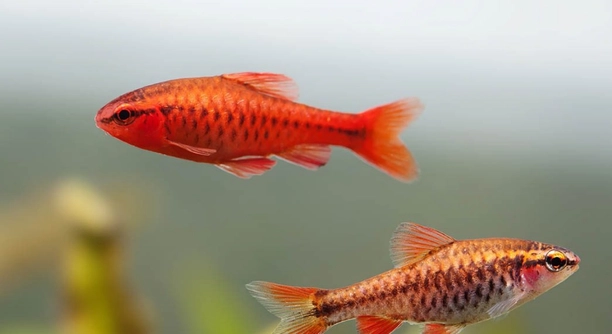
Are your cherry barbs darting around the tank in strange, zigzag patterns that leave you scratching your head in confusion?
The most common reason cherry barbs swim in zigzags is due to stress or poor water quality. Environmental changes, illness, or aggressive tank mates can also cause erratic swimming behavior in this species.
Recognizing the root of the behavior can help you create a more stable and healthy home for your fish.
Understanding Cherry Barb Behavior
Cherry barbs are usually calm and peaceful fish. When they start swimming in zigzags, it’s often a sign that something in their environment has changed. Water quality is one of the most important things to check. Ammonia spikes, high nitrite levels, or a sudden drop in pH can cause stress and strange movements. Temperature shifts and low oxygen levels might also be to blame. Another common reason is aggression from other fish. Even mild bullying can lead to nervous swimming behavior. If your cherry barbs were recently added to the tank, they could also be adjusting to their new surroundings. Keep in mind that excessive movement, especially erratic or darting patterns, can mean they’re feeling unsafe or uncomfortable. Observing them closely and noting when the behavior occurs can help you figure out what might be bothering them. Start by testing the water and reviewing any recent tank changes.
Adding new plants or hiding spaces may help.
If the water parameters are fine and there’s no sign of illness, try reducing the lighting or adding floating plants to soften the environment. Cherry barbs often respond well to small changes that make their space feel more secure.
Possible Health Concerns
Odd swimming can sometimes be a sign of disease.
When cherry barbs swim in zigzags, and water conditions look normal, you might be dealing with a health issue. Internal parasites or bacterial infections can affect their swim bladder or nervous system. This makes movement unsteady. If the fish is also losing color, not eating, or has visible marks or swelling, these are additional signs of illness. It’s a good idea to isolate the fish in a separate tank for observation. Treating with the right medication—like antibacterial or antiparasitic options—can make a big difference if done early. Watching for other symptoms like heavy breathing or clamped fins will help narrow down the issue. Avoid using harsh treatments unless you are sure of the cause. A vet who specializes in fish can also offer guidance if the behavior continues after you’ve ruled out all environmental triggers. Proper care and early attention go a long way in helping your fish recover.
Creating a Calm Environment
Cherry barbs feel safer when they have enough hiding places and a stable environment. Use plants, rocks, or driftwood to give them spots to rest and retreat. Keep lighting soft and avoid loud noises or sudden movements around the tank.
A peaceful tank setup helps cherry barbs feel less anxious and reduces odd behavior. Choose tank mates that are not aggressive or too active. Overcrowding can also stress them out, so make sure the tank isn’t too full. Clean the tank regularly and keep the temperature steady, around 74–79°F. Use a reliable heater and filter, and test the water weekly. When cherry barbs feel secure, they tend to swim more smoothly and explore their surroundings calmly. Keeping their environment consistent goes a long way in preventing stress-based behavior. Always watch for signs of improvement when changes are made.
Try rearranging decorations if stress continues. This can break territorial behavior and ease tension.
Sometimes, fish become territorial and cause stress to others in the tank. Moving items like rocks or plants can change the layout and make it feel like a new space. This can help reduce aggressive behavior and allow your cherry barbs to reset their boundaries. It’s a simple way to calm things down.
Feeding and Routine Care
Feeding habits can affect behavior more than people think.
Cherry barbs do best with a varied diet of flakes, pellets, and the occasional live or frozen treat. Poor nutrition or inconsistent feeding schedules can lead to stress. Feed small amounts twice a day, enough for them to finish in a few minutes. Avoid overfeeding, which can pollute the tank.
Stable care routines help cherry barbs feel secure. Try to feed them at the same times each day and keep the light schedule steady. Clean the tank on a regular basis, changing around 25% of the water weekly. This keeps conditions stable and removes waste. Watch your fish during feeding—if one seems to eat less or avoid food, it might be a sign of illness. Remove uneaten food quickly so it doesn’t rot and affect water quality. These small habits go a long way in keeping your fish healthy and their behavior normal.
Checking for External Stress
Loud noises, tapping on the glass, or frequent movement near the tank can upset cherry barbs. These fish are sensitive and may react with quick, zigzag swimming if they feel unsafe or startled by their surroundings.
Try placing the tank in a quiet room away from high-traffic areas. Reducing outside stress can help your fish settle down and behave more normally. Covering part of the tank with background paper may also reduce visual stress.
When to Ask for Help
If your cherry barb’s erratic swimming continues despite stable conditions, it’s best to reach out for help. An experienced aquarium specialist or a vet who knows about fish health can guide you. Take note of all symptoms, tank parameters, feeding habits, and any recent changes. Photos or videos of the behavior can help a professional assess the situation. Avoid trying random treatments without a clear diagnosis, as this could cause more stress or harm. Acting early, while the fish is still eating and active, gives them a better chance of recovery. Sometimes, a small adjustment is all that’s needed—but getting the right advice can make all the difference.
Keep Observing Behavior
Cherry barbs show how they feel through their actions. Watching them closely helps you catch small changes before they become serious.
FAQ
Why are my cherry barbs swimming in circles?
Swimming in circles can indicate a few different things. Often, it’s related to stress or water quality issues. When cherry barbs feel anxious or uncomfortable, they may start swimming in repetitive patterns. This could be caused by things like high ammonia levels, sudden changes in temperature, or aggression from other tank mates. It’s important to test the water regularly and make sure there are no significant fluctuations in temperature or pH. Adding more hiding spots and reducing tank stressors, like loud noises or bright lights, can help calm them down.
Can cherry barbs swim in zigzags if they are sick?
Yes, illness can cause cherry barbs to swim in zigzags. If they’re infected with parasites or have a bacterial infection, their movements may become uncoordinated. Diseases like swim bladder disorder can also make them swim erratically. You’ll often notice other symptoms, such as loss of appetite, discoloration, or swollen areas on their body. If these signs are present, it’s best to separate the affected fish from the rest and start treatment based on the diagnosis. A visit to an aquarium vet can provide helpful insight for treating health problems.
What can I do if my cherry barbs are stressed?
Stress can cause your cherry barbs to swim in zigzags or act erratically. Start by checking their environment. Make sure the water quality is ideal, with appropriate levels of ammonia, nitrites, and nitrates. Water temperature should be consistent, and avoid overcrowding in the tank. Adding more hiding spots or plants can help reduce anxiety. If your cherry barbs are being bullied by other fish, consider moving them to a more peaceful environment. Reducing bright lights or loud noises in the room can also help them feel safer.
Is it normal for cherry barbs to swim erratically at night?
It’s not uncommon for cherry barbs to swim more actively or erratically at night. Some fish are more active during dawn and dusk, and if they feel more comfortable or secure in the dark, they may show more movement. However, if the erratic swimming continues or worsens over time, it could indicate stress or health issues. Make sure the tank environment is stable, and there are no sudden changes in lighting or temperature.
How do I know if my cherry barbs are healthy?
Healthy cherry barbs are active and display smooth swimming patterns. They should be bright in color, especially their red tones, and have clear, unclouded eyes. They will often interact with other fish and explore the tank without showing signs of fatigue or hesitation. Healthy cherry barbs will eat well, swimming to the surface or following food during feeding times. If your fish are losing color, swimming abnormally, or have trouble moving, these may be signs that something is wrong. Regular water testing, a consistent feeding schedule, and monitoring behavior are key to keeping your cherry barbs healthy.
Can my cherry barbs be aggressive with each other?
Generally, cherry barbs are peaceful and do not show aggression toward one another. However, like many species, they may display territorial behavior if the tank is overcrowded or if there are not enough hiding spots. Male cherry barbs may also show more aggression towards each other, especially during breeding periods. If you notice any bullying or chasing, it’s best to increase the number of hiding spots in the tank and avoid keeping too many males together. If aggression is severe, consider separating the more dominant fish.
What temperature is best for cherry barbs?
Cherry barbs thrive in water temperatures between 74°F and 79°F. Keeping the water within this range helps maintain their activity level and reduces the risk of stress. If the water is too cold or too warm, they may become sluggish or stressed, which can cause erratic swimming. A good aquarium heater will help maintain a stable temperature, especially if the tank is located in a room that experiences temperature fluctuations.
Do cherry barbs need a filter?
Yes, cherry barbs need a filter to maintain good water quality. A filter helps remove waste, excess food, and other pollutants from the tank, which can affect water parameters. Clean water is crucial to their health, as poor water quality can lead to stress and illness. Make sure the filter you use is not too strong, as cherry barbs prefer slow-moving water. Regular maintenance, such as cleaning the filter and performing water changes, will keep the environment healthy.
Why are my cherry barbs swimming upside down?
Swimming upside down is usually a sign of swim bladder issues, which affect the fish’s ability to control its buoyancy. This can happen due to overfeeding, poor water quality, or an underlying illness like a bacterial infection or parasites. If your cherry barb is swimming upside down, check the water conditions first and make sure there are no sudden changes. Adjusting feeding schedules and amounts can help if overfeeding is the cause. If the behavior continues or worsens, consider isolating the fish and seeking treatment.
How can I prevent my cherry barbs from jumping out of the tank?
While cherry barbs are not typically jumpers, they may attempt to escape if they feel stressed or overcrowded. A secure lid is the best way to prevent them from jumping. Make sure there are no gaps or openings where the fish could slip through. Keeping the tank environment stable and adding plenty of hiding spots will reduce stress and the likelihood of jumping. Regular maintenance and keeping the water quality high will also help them feel secure.
Final Thoughts
When your cherry barbs are swimming in zigzags, it’s important to first examine their environment. Stress, poor water quality, and changes in the tank can cause unusual swimming behavior. Things like high ammonia levels, improper temperature, and overcrowding can make them feel anxious or uncomfortable. By maintaining a clean tank, stable water conditions, and creating a peaceful environment, you can help reduce stress. Adding plants, hiding spots, and avoiding aggressive tank mates will allow your cherry barbs to thrive and swim more normally.
If you’ve checked the water quality and made sure the tank is a peaceful space but still notice erratic behavior, it may be time to look for health issues. Illnesses such as swim bladder disorder or internal parasites can affect your fish’s swimming patterns. If you observe other signs, such as changes in appetite or appearance, it’s essential to treat the problem as soon as possible. A visit to a vet or aquarium specialist can provide guidance on the right course of action. Quick treatment can help prevent the condition from worsening and improve your fish’s chances of recovery.
Overall, the key to a happy and healthy aquarium is regular observation and maintenance. Ensuring that the water parameters are stable, keeping the tank clean, and reducing stressors will go a long way in preventing unusual swimming behavior. Watching your cherry barbs closely and understanding their needs will help create a safe and secure environment for them. In turn, this will keep them active, healthy, and free from erratic movements. By taking simple steps to improve their surroundings, you can enjoy watching your cherry barbs swim peacefully in your tank.

Hello,
If you enjoy the content that we create, please consider saying a "Thank You!" by leaving a tip.
Every little bit helps us continue crafting quality advice that supports the health, happiness, and well-being of pets around the world, for pets of all shapes, sizes, and species.
We really appreciate the kindness and support that you show us!