
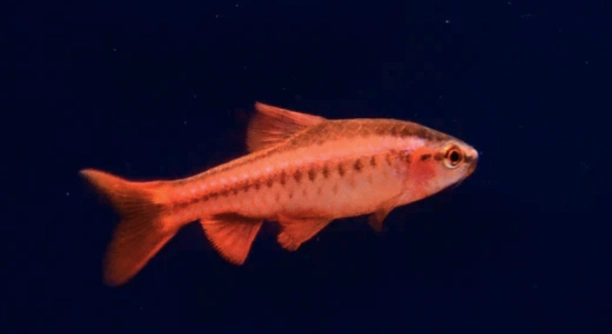
Cherry barbs are popular aquarium fish known for their vibrant colors and active nature. However, there are situations when these fish refuse to school, which can be puzzling for aquarium enthusiasts. Understanding why this happens can help improve their care.
Cherry barbs may refuse to school due to environmental stressors, such as improper water conditions, overcrowding, or incompatible tank mates. Lack of sufficient hiding spots or a disrupted natural environment can also lead to them swimming independently.
Learning more about these factors will help you ensure your cherry barbs are comfortable and social. Understanding their behavior is essential for creating an ideal aquatic environment.
Improper Water Conditions
Cherry barbs are sensitive to changes in water conditions. If the water temperature, pH, or hardness isn’t suitable, it can lead to stress, making it difficult for them to school. They prefer a temperature between 75°F and 80°F and slightly acidic water. If the water is too warm or cold, they may isolate themselves. A sudden shift in the water’s pH or hardness can also cause distress, leading them to swim away from other fish. The right water quality is essential for their well-being, and poor conditions will disrupt their social behavior. Regular water changes and testing can help maintain the ideal environment.
One of the first things to check is your water’s temperature and pH levels. If there’s any noticeable fluctuation, this could be causing your cherry barbs to stray from the group. Adjusting these levels can encourage better schooling.
In addition to temperature and pH, maintaining stable water hardness is crucial. When the hardness fluctuates too much, cherry barbs may become stressed and unwilling to join their tank mates. Water softeners and conditioners can help in situations where the hardness is too high. It’s also important to ensure proper filtration to keep toxins from building up in the water. Healthy water conditions play a key role in keeping your cherry barbs active and social.
Overcrowding in the Tank
If your tank is overcrowded, it could cause your cherry barbs to avoid schooling. Too many fish in a confined space leads to competition for food and hiding spots. This can increase stress, making the fish feel unsafe and more likely to swim alone. Overcrowding is an issue many aquarists face, especially when trying to maintain a balanced ecosystem with various species.
Cherry barbs need room to move comfortably, and overcrowding can make them feel anxious. A good rule of thumb is to have at least 10 gallons of water per five cherry barbs. It’s better to err on the side of caution to keep your fish comfortable and able to interact with each other.
Fish are territorial, and when there’s limited space, they may become aggressive or avoid interacting with one another. With fewer fish in the tank, cherry barbs are more likely to feel safe and form schools. If you’re seeing your fish swim alone, consider reducing the number of tank mates or upgrading the tank size to give them the space they need. This adjustment can lead to a noticeable change in their behavior, encouraging them to school more.
Incompatible Tank Mates
When cherry barbs are kept with aggressive or overly active fish, they may avoid schooling. More timid species might find it hard to interact with more dominant fish, leading them to isolate themselves. Aggressive tank mates can make cherry barbs feel threatened and stressed.
If your cherry barbs are constantly swimming alone, check the behavior of their tank mates. Species like cichlids, barbs, or larger fish can intimidate smaller, more peaceful fish like cherry barbs. When this happens, the cherry barbs may avoid the group to escape aggression. This kind of stress can prevent them from schooling effectively.
It’s important to select peaceful, non-aggressive tank mates that won’t disrupt the harmony of the tank. Fish like tetras or other small, calm species can make great companions for cherry barbs. Keeping them with compatible fish helps reduce stress, making them more likely to school with others. By choosing the right companions, you can help your cherry barbs feel safe and comfortable.
Lack of Hiding Spots
Cherry barbs are naturally shy and like to have hiding spots available. Without enough places to retreat, they can feel exposed and stressed, causing them to swim alone. Providing ample hiding spots helps them feel secure and promotes social behavior.
When setting up your tank, make sure there are plenty of plants, rocks, or decorations to give cherry barbs the chance to hide when they need to. It’s especially important in smaller tanks where the fish might feel more vulnerable. Without these spots, they may swim on their own to avoid feeling threatened.
A well-planted tank with caves and decorations can help cherry barbs thrive in their environment. They need these hiding places to feel less stressed and more confident. If they don’t have a safe spot, they may not engage with their group and instead choose to swim alone.
Poor Tank Conditions
Dirty water or poor filtration can cause stress and make cherry barbs reluctant to school. If the water quality isn’t maintained, your fish may feel unsafe, leading them to swim separately. Regular water changes and proper filtration are essential to keep them healthy and social.
When the water in your tank gets murky or contaminated, cherry barbs will avoid being in groups. They rely on clean water to stay healthy, and when that’s not available, they tend to isolate themselves. Ensuring proper filtration and cleaning can create an environment where they feel secure enough to school.
Maintaining clean water helps not only with the overall health of your fish but also encourages their natural schooling behavior. Ensure your tank is filtered well and that you’re doing regular water changes. Good water conditions lead to happier, more social cherry barbs that enjoy being part of a group.
Mismatched School Size
Cherry barbs may refuse to school if there are too few or too many of them in the tank. These fish prefer to be in groups of six or more. Having too few cherry barbs can make them feel insecure and less likely to group together.
If the school is too large, it can lead to overcrowding, which causes stress and separation. Finding the right balance is key to helping your cherry barbs feel comfortable and willing to interact with each other. When they have enough space and company, they are more likely to form cohesive groups.
Stress from Breeding Behavior
Breeding can also disrupt schooling behavior in cherry barbs. When they are ready to spawn, males may become more territorial and aggressive. This can cause the fish to scatter, avoiding the group. Reducing breeding triggers can help restore their social behavior.
Breeding activity often leads to a change in behavior, with male cherry barbs chasing females and sometimes displaying territorial aggression. This behavior makes it difficult for all fish to stay together, especially if there is not enough space in the tank. If you don’t want this disruption, avoid overstocking and manage breeding conditions carefully.
FAQ
Why do cherry barbs refuse to school?
Cherry barbs may refuse to school for several reasons, including poor water conditions, overcrowding, stress from incompatible tank mates, lack of hiding spots, and even breeding behavior. They are social fish but can become anxious or stressed when their environment isn’t ideal. If the water quality isn’t maintained, the temperature fluctuates, or there is too much activity in the tank, they may isolate themselves. Cherry barbs also need the right tank companions, as aggressive or dominant fish can make them feel threatened. They also rely on having enough space and hiding spots to feel secure. When all these factors align, they are more likely to school.
How can I encourage cherry barbs to school?
To encourage cherry barbs to school, you need to address any environmental or social factors that might be affecting their behavior. Make sure the water quality is stable, with the right temperature, pH, and hardness. Providing enough space in the tank and avoiding overcrowding can help reduce stress. It’s also essential to keep them with peaceful tank mates and avoid aggressive species. Additionally, make sure there are enough hiding spots and plants in the tank. This will give them places to retreat when needed, reducing anxiety and promoting group behavior.
What are the ideal tank conditions for cherry barbs?
Cherry barbs thrive in a tank with a water temperature of 75°F to 80°F, slightly acidic to neutral pH (6.5 to 7.5), and moderate hardness. The tank should be well-filtered and free from contaminants. Regular water changes are crucial to maintain good water quality. Providing plants, rocks, and hiding places is also important for their well-being. They appreciate a tank with a moderate flow of water, as it mimics their natural habitat. When these conditions are met, cherry barbs will feel more secure and are likely to school together.
Can cherry barbs live with other fish?
Yes, cherry barbs can live with a variety of other fish as long as they are peaceful. They do well with other small, non-aggressive species such as tetras, guppies, or rasboras. Avoid keeping them with large, aggressive fish or species that are known to nip at fins. Cherry barbs are peaceful and can be easily intimidated, so it’s important to choose tank mates that won’t stress them out. Properly matching tank mates will help them feel comfortable and encourage them to school.
How many cherry barbs should I keep together?
Cherry barbs should be kept in groups of at least six. In smaller groups, they may feel insecure, leading them to swim separately. A larger school helps them feel safe and comfortable, encouraging their natural behavior to swim together. The more cherry barbs you have, the more confident and social they will become. However, avoid overcrowding as this can cause stress, so be sure to consider the size of your tank when deciding how many to keep. A group of six or more is ideal for their well-being.
Can cherry barbs live in a small tank?
Cherry barbs can live in small tanks, but the minimum recommended size is 20 gallons for a small school of six. Smaller tanks can become overcrowded quickly, leading to water quality issues and stress. It’s essential to provide enough space for the fish to swim freely and avoid overcrowding. Even in smaller tanks, make sure the water conditions are kept stable, and there are enough hiding spots for the fish to feel secure. With the right care, cherry barbs can thrive in smaller tanks, but space is still a priority.
What should I feed cherry barbs?
Cherry barbs are omnivores, so a balanced diet of high-quality flake food, pellets, and occasional live or frozen foods will keep them healthy. Offer a mix of vegetable matter, such as spirulina or blanched vegetables, and protein sources like bloodworms or brine shrimp. Feed them in small amounts several times a day to ensure they get the nutrients they need. Overfeeding can lead to water quality issues, so it’s important to feed them in moderation. Providing variety in their diet helps keep them active and vibrant.
How can I tell if my cherry barbs are stressed?
Stressed cherry barbs may exhibit signs like swimming erratically, hiding more than usual, or avoiding other fish. They may also lose their vibrant color, as stress can cause them to become pale. If your cherry barbs are swimming separately, especially from the group, this is a sign that they may be feeling anxious. Stress can also lead to a decrease in appetite or excessive hiding. By monitoring the water quality, tank mates, and overall environment, you can help reduce stress and encourage your cherry barbs to school.
Are cherry barbs good for beginners?
Yes, cherry barbs are a great choice for beginners. They are hardy, adaptable, and relatively easy to care for, as long as their basic needs are met. They don’t require complicated water conditions, but regular maintenance and monitoring are necessary. They also aren’t as delicate as some other species, making them forgiving if mistakes are made in tank setup. As long as you choose compatible tank mates and provide an appropriate environment, cherry barbs are a manageable and rewarding species for new aquarists.
Do cherry barbs need a lot of space?
While cherry barbs don’t require an excessively large tank, they do need enough space to swim freely. A minimum tank size of 20 gallons is recommended for a small school of six cherry barbs. Giving them enough space to move around reduces stress and encourages natural schooling behavior. In larger tanks, they will have more room to form cohesive schools. Overcrowding can lead to territorial disputes and decreased water quality, so it’s important to consider their space requirements when setting up their tank.
Final Thoughts
Cherry barbs are fascinating fish that can make a colorful addition to any aquarium. However, like any species, they have specific needs to thrive in a tank. Understanding these needs and providing the right environment is key to ensuring they feel comfortable and social. If your cherry barbs are not schooling, it’s important to evaluate the factors that could be causing them to feel stressed or insecure. Issues like poor water quality, incompatible tank mates, overcrowding, or lack of hiding spots are some of the most common reasons why cherry barbs may refuse to school.
Maintaining a stable environment is crucial for the overall well-being of cherry barbs. Regular water changes, proper filtration, and ensuring that the water temperature, pH, and hardness are within the ideal range will keep them healthy and happy. Giving them enough space to swim freely and avoiding overcrowding will also help reduce stress. Providing hiding spots and plants can help them feel secure and promote natural social behavior. Lastly, choosing peaceful and compatible tank mates is essential, as aggressive or dominant fish can disrupt their schooling behavior and cause anxiety.
By addressing these factors, you can help your cherry barbs feel more comfortable and encourage them to swim together in schools. Their natural instincts will kick in when they feel secure, and they will form beautiful, cohesive groups. Remember, keeping cherry barbs happy requires attention to detail and creating an environment that supports their physical and social needs. With the right care, they will thrive and show off their vibrant colors, bringing life to your aquarium.

Hello,
If you enjoy the content that we create, please consider saying a "Thank You!" by leaving a tip.
Every little bit helps us continue crafting quality advice that supports the health, happiness, and well-being of pets around the world, for pets of all shapes, sizes, and species.
We really appreciate the kindness and support that you show us!