
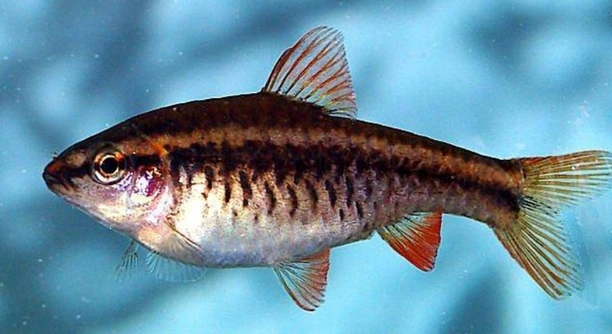
Cherry barbs are popular aquarium fish, but their behavior can sometimes become a bit troubling. If you’ve noticed them fighting, you’re not alone. Understanding why this happens and how to address it can make a big difference in their health and happiness.
The primary reason cherry barbs fight is territorial behavior, especially in confined spaces. Males may also become more aggressive during breeding season. Providing enough space, plants, and hiding spots can help reduce conflicts and create a calmer environment.
Knowing the cause of their aggression will help you take steps to improve the situation. From simple tank adjustments to more effective management techniques, there are plenty of ways to keep your fish peaceful and thriving.
Why Do Cherry Barbs Fight?
Cherry barbs are usually peaceful, but they can start fighting under certain conditions. Males, in particular, tend to become aggressive, especially when competing for mates or defending their territory. This aggression often escalates in small tanks, where space is limited. The lack of hiding places or places to establish territories can also make cherry barbs more likely to clash. Keeping males together in a tank without enough cover or space can lead to constant aggression. Female cherry barbs tend to be less aggressive, but they can get caught up in the disputes when overcrowding occurs. Understanding these behaviors is crucial for creating a peaceful environment.
Cherry barbs fight due to stress, territory disputes, and overcrowding. They thrive in tanks with plenty of space, plants, and hiding spots. Overcrowding increases tension, leading to more aggression.
To reduce fighting, consider re-arranging your tank, adding more plants, and ensuring there are enough hiding spots for each fish. Increasing the tank size can help a lot, as can keeping a balanced ratio of males to females. Additionally, providing distractions, like decorations or gentle water movement, may also reduce stress. When cherry barbs feel secure and can avoid each other when necessary, they are less likely to fight. This approach creates a more peaceful tank, allowing your fish to thrive. Regular water changes also help maintain a healthy environment, further reducing stressors that contribute to aggression.
What Are the Signs of Fighting?
Fighting between cherry barbs isn’t always easy to spot. However, certain behaviors are clear indicators of aggression. These include chasing, nipping, or flaring gills. When you see these actions, it’s a sign that the fish are not getting along.
Aggressive cherry barbs often engage in territorial displays or chase each other around the tank. This behavior can stress the fish and lead to injury over time. It’s important to observe how often the fights occur and if any fish are showing signs of physical harm. If a specific fish is being picked on, it may be necessary to separate them from the others to prevent further stress. You might also notice that the aggressor is constantly guarding a particular area of the tank, making it difficult for other fish to approach.
Understanding these signs helps you act before things escalate. For example, adding more plants, rearranging decorations, or increasing tank size can help break up territories. In some cases, it might be necessary to remove the aggressor temporarily to give everyone a chance to calm down. Ensuring a stress-free environment goes a long way in keeping your cherry barbs healthy and happy.
How to Reduce Fighting Between Cherry Barbs
To reduce fighting, start by giving them more space. Cherry barbs need room to establish territories and avoid each other. Adding plants and decorations helps create hiding spots and breaks up the line of sight, making it harder for fish to focus on each other.
Adding plants, decorations, and rearranging your tank can help lower aggression. When cherry barbs have places to hide or stake out as their own, they’re less likely to fight over territory. Be sure to include soft plants or floating structures that break up the tank and allow your fish to feel secure.
A good ratio of males to females also helps maintain peace. Too many males will result in constant competition for mates. Keeping more females than males gives the males less incentive to fight. Additionally, reducing the tank’s population can help if overcrowding is an issue, providing more personal space for each fish.
Tank Size and Water Conditions
Tank size plays a crucial role in the behavior of cherry barbs. A small tank can lead to territorial disputes, while a larger one gives them the freedom they need. Ensuring your tank is spacious is one of the easiest ways to prevent fighting.
If your tank is too small, consider upgrading to a larger one. A tank that holds at least 20 gallons gives cherry barbs enough space to establish their own territories. This reduces competition and allows each fish to thrive. Pay attention to the water conditions, as poor water quality can increase stress and contribute to aggression. Regular water changes and maintaining proper water parameters are essential for a healthy environment.
Maintaining good water conditions goes hand in hand with reducing stress. Cherry barbs are sensitive to changes in water quality, and fluctuations can make them more aggressive. Ensure the water temperature, pH, and hardness are stable. Regular water testing is key to maintaining a peaceful aquarium, as high ammonia or nitrite levels can also lead to stress and aggression.
Male vs. Female Cherry Barb Aggression
Male cherry barbs tend to be more aggressive than females. When kept in groups with too many males, they often compete for territory and mates, leading to frequent fighting. Reducing the number of males can ease these tensions.
If aggression is an issue, consider increasing the number of females. With more females in the tank, males are less likely to fight over mates. Ideally, keeping a ratio of 2-3 females per male can reduce stress and prevent dominance struggles. Keeping males together without sufficient females is one of the main causes of aggression in cherry barbs.
Breeding Season and Aggression
During breeding season, male cherry barbs are more territorial and assertive. They might become more aggressive as they try to attract females. This natural behavior can lead to fights, especially if the tank is small or lacks hiding spaces.
Breeding season can also make males more territorial, which is why it’s important to offer plenty of plants and decorations. The fish need areas to establish their own space and hide when needed. Reducing other stressors, such as poor water quality, can help make the breeding period less intense and reduce aggression.
Tankmates for Cherry Barbs
Choosing the right tankmates is key to reducing fighting. Cherry barbs get along well with peaceful fish, but aggressive species can make them more stressed and trigger fighting. Make sure all your tankmates are calm and compatible.
Avoid keeping cherry barbs with overly aggressive fish. Species like cichlids or certain types of tetras might cause stress, leading to fights. Instead, opt for peaceful fish that share similar water requirements. Peaceful, slow-moving fish are ideal, as they allow the cherry barbs to interact more calmly.
FAQ
What size tank do cherry barbs need to reduce fighting?
Cherry barbs need enough space to avoid stress and territorial disputes. A tank of at least 20 gallons is recommended for a small group of cherry barbs. Larger tanks allow the fish to spread out and establish territories without bumping into each other constantly. A cramped tank can lead to increased aggression, as there is not enough space for each fish to claim a space of its own. If you’re keeping several cherry barbs together, it’s crucial to give them room to move around. The more space you provide, the fewer territorial issues they will face.
Can I keep multiple male cherry barbs together?
It’s not ideal to keep multiple males in the same tank unless there are plenty of hiding spots and enough females. Male cherry barbs tend to compete for dominance and may fight if they feel there is not enough space. If you want to keep more than one male, try to have at least two or three females for each male. This can help reduce their aggressive behavior as they will focus on courting the females rather than fighting each other. If space is limited, it’s better to keep just one male to prevent constant fighting.
How can I tell if my cherry barbs are stressed?
Stressed cherry barbs show signs like darting around the tank, hiding more than usual, or losing their vibrant color. You may also see them become lethargic or stop eating, which is a sign of distress. Stressed fish may also act more aggressively toward others or exhibit unusual behaviors like rubbing against tank objects. Keeping track of their behavior will help you spot stress early. If you notice these signs, it’s important to check the water parameters and tank conditions to ensure that everything is optimal for your cherry barbs.
What is the best water temperature for cherry barbs?
Cherry barbs thrive in water temperatures between 75°F and 80°F (24°C to 27°C). Keeping the water within this range helps maintain their health and encourages natural behaviors. Temperatures that are too high or too low can cause stress, making your fish more prone to illness and aggression. Regularly checking the water temperature with a reliable thermometer can prevent fluctuations that might affect their well-being. If your tank’s temperature isn’t stable, using a heater can help keep it consistent and within the ideal range for cherry barbs.
Are cherry barbs easy to breed?
Cherry barbs are relatively easy to breed, but their breeding season can lead to increased aggression, especially among males. To breed them successfully, provide plenty of hiding spaces and a separate breeding tank. The males will display vibrant colors to attract females, and if conditions are right, they will spawn. However, it’s essential to monitor the tank closely to avoid stress and aggression. Once the eggs hatch, be sure to separate the fry from the adults to prevent them from being eaten. Maintaining proper water conditions and feeding the fry high-quality food is key to their survival.
Do cherry barbs need a lot of plants in their tank?
Yes, plants play a significant role in creating a peaceful environment for cherry barbs. They provide hiding spots, reduce stress, and offer territories for fish to claim. Cherry barbs are shy by nature, and having plants in the tank can help them feel more secure. Plants also help in maintaining water quality by absorbing excess nutrients. Choose plants with varying heights to give the fish plenty of places to hide. Floating plants work well too, as they allow the fish to have spaces near the surface while still offering cover.
Can cherry barbs live with other types of fish?
Cherry barbs generally do well with other peaceful species, but it’s important to choose compatible tankmates. Avoid aggressive or fin-nipping fish that could cause stress or injury to your cherry barbs. Species like peaceful tetras, Corydoras catfish, and rasboras are good companions. However, avoid larger predatory fish like cichlids, as they may view cherry barbs as food. When selecting tankmates, always consider the fish’s temperament and their environmental needs to ensure a peaceful community tank.
How often should I feed my cherry barbs?
Cherry barbs should be fed small amounts of food two to three times a day. It’s important to offer a variety of foods, including high-quality flakes, pellets, and occasional live or frozen foods like brine shrimp. Avoid overfeeding, as leftover food can quickly pollute the water, leading to poor water quality and stress. Cherry barbs have small appetites, so it’s better to feed them smaller amounts throughout the day rather than one large feeding. This helps maintain their health and keeps the water cleaner.
Why do my cherry barbs lose their color?
Loss of color in cherry barbs can indicate stress, poor water quality, or illness. Stress from overcrowding, aggressive tankmates, or poor environmental conditions can cause the fish to lose their bright red color. If the water temperature or pH is outside the ideal range, this can also cause color fading. Ensure that the tank is well-maintained with clean water, stable temperatures, and appropriate tankmates. If the issue persists, it could be a sign of illness, and you may need to consult a veterinarian or aquatic specialist for advice.
What is the lifespan of a cherry barb?
Cherry barbs typically live for around 3 to 5 years when kept in optimal conditions. Their lifespan can be affected by factors like water quality, tank size, and diet. Regular water changes, proper feeding, and stress-free living conditions can help extend their lifespan. Monitoring the tank and addressing any issues promptly can also improve their quality of life. Healthy cherry barbs will show bright colors, active behavior, and will thrive for several years with proper care.
Final Thoughts
Cherry barbs are generally peaceful fish, but when aggression arises, it’s often due to stress, overcrowding, or territorial disputes. Understanding the factors that lead to fighting can help you create a more harmonious environment. Providing ample space, hiding spots, and the right male-to-female ratio are simple yet effective ways to reduce aggression. A spacious tank with plenty of plants or decorations will allow the fish to feel secure and less likely to fight. By addressing these issues, you can prevent most conflicts before they escalate.
Another key aspect to maintaining peace among your cherry barbs is keeping an eye on their water conditions. Poor water quality can contribute to stress, making your fish more prone to fighting. Regular water changes and ensuring the right water temperature, pH, and hardness are essential for keeping your fish healthy and calm. Monitoring their behavior regularly also helps in identifying any signs of stress or aggression early on, allowing you to take action before it becomes a bigger problem. A healthy tank environment goes a long way in keeping your fish stress-free and happy.
Lastly, it’s important to remember that cherry barbs are social creatures, and while occasional aggression may happen, they thrive in the right conditions. By understanding their needs and adjusting your tank setup accordingly, you’ll have a much better chance of creating a peaceful aquarium. The key to reducing fighting is to provide them with a stable environment, plenty of space, and compatible tankmates. With the right care, your cherry barbs can live a long, healthy, and stress-free life in your aquarium.

Hello,
If you enjoy the content that we create, please consider saying a "Thank You!" by leaving a tip.
Every little bit helps us continue crafting quality advice that supports the health, happiness, and well-being of pets around the world, for pets of all shapes, sizes, and species.
We really appreciate the kindness and support that you show us!