
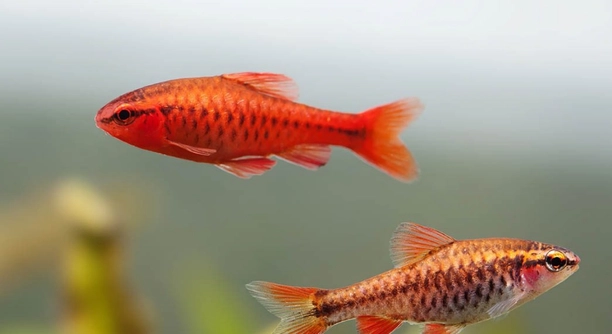
Cherry barbs are a popular fish in aquariums, known for their vibrant colors and lively personalities. Observing their behavior can offer valuable insights into their emotional state, especially when it comes to trust.
Cherry Barbs display specific gestures that indicate trust, including close proximity to their owner, relaxed swimming patterns, and nibbling behaviors. These signs suggest a sense of comfort and familiarity, demonstrating that the fish feel secure in their environment.
Understanding these behaviors can help you create a better environment for your cherry barbs. These simple gestures are key to building a strong bond with your fish and promoting their well-being.
Close Proximity and Relaxed Swimming
When cherry barbs begin to swim near you, it’s often a sign that they trust you. They usually stay at a distance from unfamiliar objects, but when they feel safe, they approach without hesitation. The closer they get, the more they are showing their comfort level with you as their caretaker. Trusting you means they don’t perceive you as a threat.
Cherry barbs will also swim calmly and steadily, rather than darting around nervously. This relaxed swimming is an important indicator that your presence doesn’t cause them stress.
Over time, cherry barbs will grow more accustomed to you, gradually becoming more active in the tank when you are around. This behavior shows that they feel secure enough to carry on with their natural activities, such as feeding and exploring. The more you interact with them in a calm and consistent manner, the deeper the trust bond will grow. Trusting your presence creates a healthier, less anxious environment for your fish.
Nibbling Behavior
Fish like cherry barbs often display nibbling behaviors when they trust you.
When they feel safe, cherry barbs might nibble at your fingers or other objects in the tank. They do this to explore and interact with their environment. This small act signals a higher level of comfort around you, as they are no longer as cautious.
Trust builds through gentle interactions, like offering food. As they get used to your presence, you’ll notice them become more playful and curious. The more familiar they are with their surroundings, the more likely they are to engage with you, such as nibbling on your fingers or accepting food from your hand. The act of nibbling is a sign they are confident in the bond being formed. This playful interaction strengthens their trust, and over time, they will come to see you as a reliable and positive figure in their lives.
Eye Contact
When a cherry barb maintains eye contact, it’s a good sign they feel secure with you. Most fish are wary of direct eye contact, but when a cherry barb locks eyes, it shows they are not afraid. This moment of connection indicates trust.
The more you interact with them in a calm way, the more likely they are to look at you without retreating. Over time, you may notice them following your movements in the room. It’s a small gesture, but it shows that they are comfortable enough to engage with you directly.
Their gaze may be brief, but it’s still a clear sign of trust. As they become more familiar with their environment, they will feel less need to hide or swim away when you approach. This quiet confidence is an important part of building a strong bond with your cherry barbs.
Swimming Near the Surface
Cherry barbs that swim near the surface show they trust their environment. It’s a common behavior for fish when they feel safe, as the surface offers access to oxygen and food. When they come to the surface while you’re nearby, they are expressing confidence.
They might swim up to the top of the tank, especially during feeding time. This is not only an indication of trust but also shows that they view you as a provider. As they trust their surroundings more, they will become more comfortable with the regular activities in their tank.
When cherry barbs swim near the surface, they demonstrate they feel secure in their space. They no longer see their environment as a threat. The more you feed them regularly or interact with them in a gentle way, the more they will engage with you and show this behavior.
Consistent Feeding Behavior
When cherry barbs become accustomed to a consistent feeding routine, it shows they trust you. They start to recognize you as the provider of their food, associating your presence with positive experiences. This trust builds with every feeding session.
The more they anticipate feeding time, the more comfortable they are with your presence. They will start to approach the tank as soon as you come into view, excited for the food you bring. This eagerness is a clear sign of growing trust.
Friendly Swimming Patterns
When cherry barbs swim in groups or near each other, it’s a sign they are content and trust their surroundings. This behavior shows they are comfortable enough to socialize, both with each other and with you.
They will often stay close to the group, but as they trust you more, they may start swimming in the same area together, even when you are near. This signifies their comfort level and willingness to interact with their environment without fear.
Calm Movements
Cherry barbs that swim with smooth, calm movements instead of darting or showing signs of stress are demonstrating trust. When they feel safe, they act relaxed and unbothered by the presence of other fish or people around them.
FAQ
How can I tell if my cherry barb is stressed?
Stressed cherry barbs exhibit erratic swimming patterns, often darting around the tank. They may also hide in corners or behind plants. Additionally, if they have trouble breathing or display rapid gill movement, it indicates stress. Stress can come from changes in water conditions, aggressive tank mates, or inconsistent feeding schedules.
Cherry barbs are sensitive to their environment, so changes, even small ones, can affect their behavior. If they seem more skittish than usual or are constantly hiding, it’s important to check the water temperature, pH, and filtration system. Ensuring they have enough space to swim freely and aren’t overcrowded will also help prevent stress.
Do cherry barbs form bonds with their owners?
Yes, cherry barbs can form bonds with their owners over time. They get used to your presence and may even come to recognize you as their food provider. As they grow more comfortable in their environment, their trust in you increases, leading to more relaxed and interactive behavior.
However, they are still fish, so their bond may not be as strong as mammals. They won’t exhibit affection in the same way, but you can see trust through their calm swimming and willingness to interact with you.
Can cherry barbs live with other fish?
Cherry barbs are peaceful fish and can generally live with other non-aggressive species. They do well in community tanks with other fish of similar size and temperament. However, it’s important to avoid aggressive or overly territorial species, as these could stress your cherry barbs.
Tank mates like tetras, guppies, and other peaceful barbs are great companions. Always ensure that the fish you choose won’t compete for food or space, which could cause stress for your cherry barbs. They thrive in a peaceful, well-maintained tank.
What do cherry barbs need in their tank to feel comfortable?
Cherry barbs thrive in a well-maintained tank with stable water conditions. They prefer slightly acidic to neutral water, temperatures between 72-80°F (22-27°C), and a clean environment. Adding plants and hiding spots will make them feel more secure.
Cherry barbs like swimming in open spaces, so make sure there’s plenty of room in the tank. Live plants or decorations provide hiding spots when they need them. A balanced filtration system ensures the water stays clean and oxygenated, contributing to their overall well-being.
Do cherry barbs need other cherry barbs?
Yes, cherry barbs are social fish and feel more comfortable in groups. Keeping them in schools of at least six will help reduce stress. In groups, they are more confident and engage in natural social behaviors.
While cherry barbs can survive alone, they are much happier when kept with other cherry barbs. A group will encourage their playful swimming and interaction. They also display more vibrant colors when in a school.
Why are my cherry barbs losing color?
If your cherry barbs are losing color, it may be due to poor water conditions, stress, or illness. Check the water quality, ensuring it is within the correct temperature and pH range. High levels of ammonia, nitrites, or nitrates can cause them to lose color.
Additionally, stress from tank mates or changes in their environment can cause color fading. Ensure the tank is peaceful, and they aren’t being harassed by other fish. A healthy, stable environment helps them retain their vibrant colors.
Can cherry barbs eat different types of food?
Yes, cherry barbs are omnivores and can eat a variety of foods, including flakes, pellets, live or frozen foods, and vegetables. They enjoy a balanced diet that includes both plant matter and protein. Offering them a mix of food types will help keep them healthy.
Live food like brine shrimp or daphnia can be especially appealing to them, but make sure to supplement with plant-based options, such as algae or spinach. Variety in their diet ensures they get the necessary nutrients to thrive and maintain good health.
How long do cherry barbs live?
Cherry barbs typically live for 3 to 5 years in captivity when properly cared for. Providing stable water conditions, a healthy diet, and a stress-free environment will contribute to a longer, healthier life.
The lifespan of your cherry barbs can vary depending on their care. Keeping their environment stable and free of stressors is crucial for extending their life expectancy. Regular water changes and maintaining proper tank conditions will help ensure they live a full, healthy life.
Are cherry barbs active at night?
Cherry barbs are more active during the day but may still be somewhat active at night. While they are not nocturnal, they might explore their tank or nibble on plants in low-light conditions. However, their activity levels will be much lower compared to daylight hours.
It’s important to provide them with a day and night cycle by keeping the tank lit during the day and dimming the lights at night. This helps maintain their natural rhythm and ensures they get the rest they need.
Final Thoughts
Understanding the behaviors of your cherry barbs is a great way to ensure their well-being and happiness in your tank. These fish, while small, show clear signs when they trust their environment and caretakers. Observing their gestures, like swimming near you or nibbling on your fingers, can indicate they feel safe. Their actions, such as calm swimming and even making eye contact, are all signs that they are comfortable and trust you. Paying attention to these behaviors helps you create a better environment for them, one that is stable and secure.
Cherry barbs are peaceful and social fish, so keeping them in a group is essential for their happiness. They thrive in schools, where they can interact with one another and feel safe. In a peaceful tank, their vibrant colors will shine, and their playful nature will become more evident. Consistent feeding, clean water, and the right tank mates are crucial for building trust and keeping your cherry barbs healthy. When given the proper care, these little fish will reward you with their charming and trusting behaviors.
In the end, building trust with your cherry barbs takes time and patience. By providing a stable environment, regular feeding, and monitoring their health, you’ll see signs of trust develop over time. While their bond with you may not be as obvious as with other pets, the trust they show through their behaviors will let you know that they feel safe and cared for. The more you invest in their well-being, the more rewarding the experience of keeping them will be.

Hello,
If you enjoy the content that we create, please consider saying a "Thank You!" by leaving a tip.
Every little bit helps us continue crafting quality advice that supports the health, happiness, and well-being of pets around the world, for pets of all shapes, sizes, and species.
We really appreciate the kindness and support that you show us!