
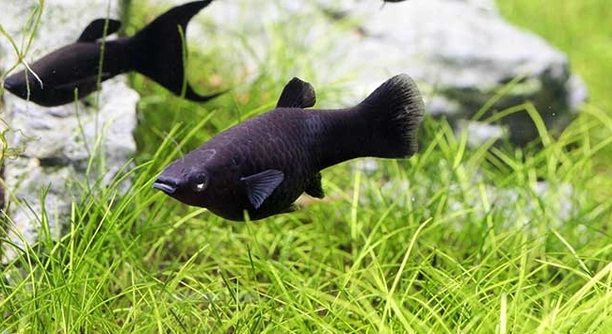
Are your black mollies spending most of their time in the corners of the tank, seemingly avoiding the open areas? This behavior can be worrying, especially when you want them to swim freely and enjoy their environment.
Black mollies often retreat to corners due to stress, poor water conditions, or inadequate tank setup. High ammonia or nitrite levels, sudden changes in environment, or overcrowding can trigger this hiding behavior as a natural response to perceived threats.
Observing your mollies carefully and adjusting their environment can improve their comfort. Simple changes can help them feel safer and encourage more active swimming.
Common Causes of Corner-Hiding Behavior
Black mollies often hide in corners when the tank environment does not meet their needs. Poor water quality, sudden temperature changes, or overcrowding can all contribute to stress. These fish are sensitive to ammonia, nitrites, and nitrates, which can rise quickly in small or unfiltered tanks. Even slight changes in lighting or decorations may make them feel exposed or unsafe.
Stress from aggressive tank mates can also cause mollies to retreat. If other fish chase or nip at them, hiding becomes a natural defense mechanism. Some mollies may be more timid by nature, preferring the safety of corners until they feel secure.
Regular observation is essential. Testing water frequently, maintaining a clean tank, and ensuring proper temperature and pH levels can significantly reduce hiding. Adding plants, caves, or other shelters can create a sense of safety. Gradually introducing new fish and maintaining a calm environment helps mollies explore more freely, reducing corner-hiding behavior over time.
Tank Setup and Space
Tank size and layout play a critical role in molly behavior. A cramped or poorly arranged tank can increase stress and promote corner-hiding.
Mollies need enough swimming space, hiding spots, and visual barriers. A 20-gallon tank or larger is ideal for a small group. Overcrowding limits their movement and increases aggression. Decorations like plants and rocks provide shelter while leaving open areas for swimming. Proper filtration maintains clean water and consistent currents, which supports overall health. Mollies feel safer when they can navigate the tank without constant threats. Observing their interactions and adjusting the layout when needed can encourage more active swimming and reduce anxiety. Balancing open space with hiding areas ensures they feel secure while still engaging in natural behavior, creating a more relaxed and healthy tank environment.
Water Quality and Temperature
Poor water quality and incorrect temperature are major reasons black mollies hide in corners. High ammonia, nitrites, or sudden temperature shifts make them stressed and inactive. Regular water testing and partial water changes can prevent these problems and keep mollies comfortable.
Maintaining stable water parameters is essential for black mollies’ health. They thrive in slightly brackish water with temperatures between 75-82°F and a pH of 7.5-8.0. Sudden changes in temperature or pH can shock their system, causing them to retreat. Filtration is crucial to remove waste and maintain clarity. Regular partial water changes of 20-30% each week help control harmful chemicals. Introducing dechlorinated water gradually ensures minimal stress, and monitoring ammonia and nitrite levels helps catch issues early, allowing mollies to swim confidently without hiding.
Proper temperature and water balance also support immunity and activity. Mollies in stable conditions are more likely to explore, interact, and feed normally. Adding gentle currents and aeration improves oxygenation and circulation, reducing lethargy and hiding. Plants and decorations can create safe zones, but maintaining clean, consistent water is the foundation. Avoid overcrowding, as more fish increase waste, affecting quality. Tracking water conditions with reliable test kits and adjusting gradually ensures mollies feel secure. A comfortable, stable environment keeps them active and reduces corner-hiding behavior.
Diet and Feeding Habits
Improper diet or feeding routines can affect molly behavior. Irregular meals or poor nutrition make them weak and more likely to stay in corners.
A balanced diet is vital for black mollies. They require a mix of high-quality flake or pellet food, supplemented with live or frozen foods like brine shrimp, daphnia, or bloodworms. Occasional vegetable matter, such as blanched spinach or zucchini, supports digestion and overall health. Feeding small amounts 1-2 times daily prevents overfeeding and maintains water quality. Observing which foods they prefer can encourage activity, as mollies are more likely to swim and explore when motivated by hunger. Regularly varying diet improves vitality and reduces stress-related hiding.
Tank Mates and Social Stress
Aggressive or incompatible tank mates can cause black mollies to hide in corners. Fish that nip fins or dominate space create a stressful environment. Careful selection of peaceful, similarly sized species helps reduce anxiety.
Observing interactions is essential. If mollies are constantly chased, rearranging decorations or separating aggressive fish can restore calm. Creating visual barriers and safe zones allows mollies to retreat without constant stress, encouraging normal swimming behavior and reducing hiding tendencies.
Lighting and Environment
Excessive or sudden lighting can make black mollies feel exposed. Bright light without shaded areas often triggers corner-hiding behavior.
Providing moderate lighting with plants or decorations to create shaded regions helps mollies feel secure. Gradually adjusting light intensity and timing reduces stress. A well-lit tank balanced with hiding spots promotes exploration, healthy activity, and a more confident fish behavior.
Signs of Illness
Lethargy, clamped fins, and loss of appetite may indicate illness in black mollies. Ill fish often stay in corners to conserve energy and avoid threats. Early recognition allows timely intervention.
Regular observation and water testing, combined with proper diet and stress reduction, help prevent disease. Quarantining new fish, maintaining stable water conditions, and promptly addressing unusual behavior protect overall tank health and encourage mollies to remain active and healthy.
Encouraging Active Behavior
Creating a stimulating and comfortable environment motivates black mollies to explore. Proper tank size, decorations, and gentle currents promote movement and confidence.
Why does my black molly hide in corners all the time?
Black mollies hide in corners primarily due to stress or discomfort. Poor water quality, sudden changes in temperature, or overcrowding can make them feel unsafe. They may also retreat if tank mates are aggressive or overly active. Creating a calm, stable environment with proper hiding spaces encourages them to swim more freely. Regular water testing and gentle tank maintenance reduce stress, allowing mollies to feel secure.
Can poor water conditions really affect their behavior that much?
Yes, water quality has a direct impact on molly behavior. High ammonia, nitrites, or nitrates irritate their gills and weaken their immune system. Even small fluctuations in pH or temperature can trigger hiding. Keeping water parameters stable and performing partial water changes weekly can prevent these issues. A properly filtered tank with consistent conditions allows mollies to feel safe and explore the tank. Observing them daily helps detect problems early.
Do tank size and layout matter for black mollies?
Tank size and setup are very important. Small or overcrowded tanks make mollies feel trapped, increasing corner-hiding behavior. A 20-gallon tank or larger is ideal for a small group. Providing open swimming space alongside plants, caves, and rocks offers both safety and exploration areas. Proper layout reduces stress and encourages more natural activity. Rearranging decorations occasionally can prevent territorial disputes while keeping mollies stimulated.
Could my mollies be hiding because of other fish?
Yes, tank mates influence behavior significantly. Aggressive or fast-moving fish may chase or intimidate black mollies. This causes them to retreat to corners for protection. Choosing peaceful, similarly sized fish and ensuring enough space reduces social stress. Visual barriers, plants, and hiding spots help mollies feel secure without isolating them completely. Gradual introductions of new fish minimize tension and promote harmony.
Does diet affect hiding behavior?
Improper or irregular feeding can make mollies weak and less active. A balanced diet of high-quality flakes or pellets, supplemented with live or frozen foods, improves energy and confidence. Occasional vegetables like zucchini or spinach support digestion. Feeding small portions 1-2 times daily prevents overfeeding and water contamination. Mollies motivated by hunger are more likely to leave corners and interact with their environment.
Can lighting and tank environment stress them out?
Bright or sudden lighting can make black mollies feel exposed and vulnerable. Lack of shaded areas increases hiding. Moderate, consistent lighting with plants or decorations to create shaded zones helps them feel safe. Gradual changes in light intensity reduce stress. A well-balanced environment promotes natural behavior, allowing mollies to swim actively without fear.
How do I know if hiding is due to illness?
Lethargy, clamped fins, loss of appetite, or unusual swimming patterns may indicate illness. Sick mollies often stay in corners to conserve energy. Early recognition is key. Quarantining new or sick fish, maintaining clean water, and observing behavior regularly helps prevent disease from spreading and encourages healthy activity.
Is it possible to change corner-hiding habits?
Yes, mollies can gradually become more active with proper care. Stable water, proper tank size, balanced diet, and gentle, compatible tank mates reduce stress. Adding plants, caves, and decorations provides safe spaces while encouraging exploration. Gradual changes in lighting and environment help them adjust without overwhelming them. Observing their behavior and responding to signs of stress reinforces confidence.
What daily routines support healthier, more active mollies?
Daily observation, feeding on schedule, and light monitoring of water quality are essential. Remove uneaten food to prevent ammonia spikes. Checking interactions between tank mates ensures mollies aren’t being bullied. Adjusting decorations or adding hiding spots as needed supports comfort. Consistency in care creates a secure environment, helping mollies leave corners and swim actively, which supports overall health and reduces stress over time.
Black mollies hiding in corners is a common issue that can be caused by a variety of factors. Stress, poor water quality, and sudden changes in the environment are among the most frequent reasons for this behavior. Fish are sensitive to their surroundings, and even small changes in temperature, pH, or water composition can make them feel unsafe. Overcrowding or incompatible tank mates can also increase stress, causing mollies to seek the safety of corners. Observing your fish closely and noting their behavior can help identify patterns that indicate discomfort or stress. This observation is the first step toward creating a more comfortable environment for them. By understanding the reasons behind corner-hiding, you can take targeted actions to improve their quality of life and promote healthier behavior.
Maintaining proper water quality is critical for black mollies. Regular testing for ammonia, nitrites, nitrates, and pH ensures that the water remains safe for them to swim and explore freely. Partial water changes help remove harmful chemicals and maintain stable conditions, while proper filtration supports overall tank cleanliness. Temperature is also essential, as black mollies thrive in slightly brackish water between 75 and 82°F. Sudden temperature fluctuations can shock their system, causing stress and hiding. Providing plants, decorations, and shaded areas can offer a sense of security, allowing mollies to feel safe while still having space to swim. A well-balanced diet, including flakes, pellets, live, or frozen foods, contributes to their energy and activity levels. Ensuring they receive proper nutrition prevents lethargy and encourages them to leave corners more often.
Finally, creating a stable and stimulating environment is key to reducing hiding behavior. Tank size, layout, and lighting all play important roles in how mollies feel. Open swimming areas combined with hiding spots, gradual lighting adjustments, and gentle tank mates can help mollies feel secure and confident. Regular observation, attention to water quality, and consistent feeding routines provide a foundation for their well-being. Over time, these efforts promote healthier, more active behavior and reduce the need for them to hide. By focusing on these factors, black mollies can enjoy a more natural, comfortable, and active life in their tank.

Hello,
If you enjoy the content that we create, please consider saying a "Thank You!" by leaving a tip.
Every little bit helps us continue crafting quality advice that supports the health, happiness, and well-being of pets around the world, for pets of all shapes, sizes, and species.
We really appreciate the kindness and support that you show us!