
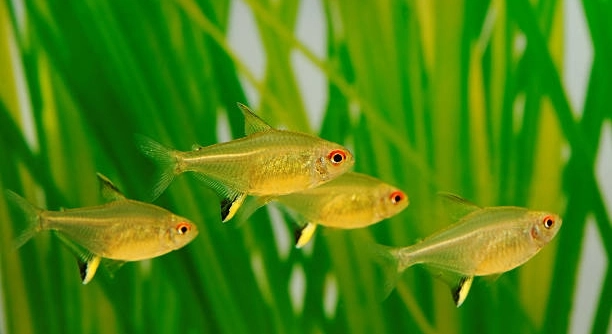
Are your Lemon Tetras swimming listlessly or hiding more than usual? Many hobbyists overlook the subtle needs of these bright, delicate fish. Providing a suitable environment can greatly enhance their activity, coloration, and overall well-being in your aquarium.
Optimizing tank setup for Lemon Tetras involves controlling water parameters, providing appropriate vegetation and hiding spaces, maintaining clean conditions, and ensuring compatible tank mates. Each factor contributes to reducing stress and promoting natural, healthy behavior in this species.
Understanding proper tank conditions goes beyond decoration; it directly affects your fish’s health and happiness. These tips will help you create a thriving environment for Lemon Tetras.
Choosing the Right Tank Size
A proper tank size is essential for Lemon Tetras. These fish are small but active, and they thrive in groups of at least six. A tank of 20 gallons or more provides enough swimming space while allowing room for plants and decorations. Overcrowding can cause stress, dull coloration, and aggressive behavior. Water quality also deteriorates faster in smaller tanks, leading to health problems. Spacing allows for a natural schooling behavior, which reduces anxiety and encourages social interaction. Additionally, a larger tank offers flexibility when adding live plants or driftwood, creating hiding spots and visual barriers. A well-planned tank not only looks appealing but also supports the long-term health of your fish. Tank placement should avoid direct sunlight and drafts to maintain stable temperature and reduce algae growth. Stability in the environment is just as important as tank size. By giving Lemon Tetras ample space, they display natural, vibrant behavior that makes caring for them rewarding.
Proper tank size prevents stress and promotes vibrant, active fish. Larger tanks make maintenance easier and give room for natural schooling behavior.
Providing a spacious environment allows Lemon Tetras to explore freely, form groups, and avoid territorial disputes. It also reduces the frequency of water changes and gives room for decorations that mimic their natural habitat. Plants and hiding spots offer security while maintaining visual interest. A larger tank supports stable water parameters and makes monitoring health simpler. Overall, sufficient space ensures these fish thrive physically and emotionally.
Water Parameters and Filtration
Maintaining stable water parameters is key for Lemon Tetras. These fish prefer slightly acidic to neutral water with a temperature between 72–80°F. Filtration should provide gentle water flow to avoid stressing them, while still keeping the water clean and oxygenated.
Filtration removes waste and maintains clarity, but over-filtering can create strong currents. A sponge or hang-on-back filter with adjustable flow works well for Lemon Tetras. Regular partial water changes are also necessary to prevent the buildup of toxins like ammonia and nitrites. Consistent testing of pH, hardness, and temperature ensures the water remains suitable for long-term health. Plants help naturally stabilize conditions by absorbing nitrates and providing oxygen. Lemon Tetras are sensitive to sudden changes, so gradual adjustments are essential. Combining proper filtration, regular maintenance, and careful monitoring creates an environment where the fish remain active, healthy, and display their characteristic bright yellow color. Maintaining these parameters also minimizes stress-related diseases and supports breeding behavior in well-maintained aquariums. Attention to detail in water quality is just as important as aesthetics.
Lighting and Plant Selection
Proper lighting enhances both plant growth and Lemon Tetra activity. Moderate light levels prevent algae overgrowth while supporting live plants. Floating plants can soften light and provide shaded areas, making fish feel secure. Bright, harsh lighting can stress these delicate fish and reduce their natural color.
Live plants such as Java fern, Anubias, and Amazon sword create hiding spots and encourage natural behavior. Plants also help absorb nitrates and improve water quality. Arranging tall plants at the back and shorter ones at the front maintains open swimming areas. Lemon Tetras enjoy swimming through plants, which reduces stress and mimics their natural habitat. Floating plants add a sense of security, especially during the day. Lighting should be timed for 8–10 hours daily, balancing plant growth and fish comfort. Adjustments may be needed depending on plant type and tank size.
Artificial or live plants can be arranged to create zones for exploration and hiding. Combining mid-height and low plants with floating varieties provides security and visual interest. Plants also enhance oxygenation and offer natural filtration. Proper placement supports the fish’s schooling behavior and allows them to establish territories without conflict. A well-planted tank reduces stress, encourages healthy activity, and improves the overall aesthetic of the aquarium, making Lemon Tetras more vibrant and confident.
Tank Mates and Compatibility
Lemon Tetras are peaceful fish that thrive in calm, community tanks. Avoid aggressive or large species that may intimidate or harm them. Small, non-aggressive schooling fish like other tetras or rasboras are ideal companions.
Choosing compatible tank mates requires understanding behavior and size. Avoid fin-nippers or territorial fish, as Lemon Tetras can become stressed or injured. Suitable companions include Corydoras, small gouramis, or peaceful dwarf cichlids. Keeping fish with similar water requirements ensures stability in temperature and pH. Overcrowding should be avoided to reduce stress and maintain water quality. Mixing species should be done gradually to monitor interactions. A balanced community tank encourages natural behavior, active swimming, and healthy coloration. Grouping compatible species provides a visually appealing and harmonious environment for all inhabitants.
Proper selection of tank mates promotes social interaction and reduces stress in Lemon Tetras. By observing behaviors and introducing compatible species, the aquarium becomes more dynamic. Avoiding aggressive fish prevents injuries and helps maintain the natural schooling behavior of Lemon Tetras. Peaceful tank mates enrich the environment and encourage swimming in open areas. Selecting species that share similar dietary and water requirements simplifies feeding and maintenance routines. Ensuring compatibility supports long-term health and minimizes the risk of disease outbreaks. Thoughtful pairing creates a balanced, thriving community tank where Lemon Tetras display vibrant colors and active behavior.
Substrate and Decorations
A soft, sandy substrate is ideal for Lemon Tetras. It allows natural foraging and prevents damage to delicate fins. Smooth rocks, driftwood, and leaf litter create hiding spots and mimic their natural environment, encouraging calm, active behavior.
Avoid sharp or rough decorations that could injure your fish. Rounded stones and polished driftwood work best. Decorations should provide shelter while keeping swimming space open. Layering substrate with fine sand and small gravel offers texture for foraging and supports plant roots. Leaf litter can release tannins, slightly softening the water and enhancing coloration. Thoughtful placement of decorations ensures Lemon Tetras feel secure without crowding the tank.
Feeding and Diet
Lemon Tetras thrive on a varied diet that includes high-quality flake food, micro pellets, and occasional live or frozen foods like daphnia or brine shrimp. Variety promotes growth, vibrant color, and overall health. Supplementing with plant-based foods supports digestion and reduces stress.
Consistent feeding times encourage natural routines. Feed small amounts two to three times daily, ensuring all fish can eat without leaving excess food to decay. Overfeeding can lead to poor water quality and obesity. Observing eating habits allows adjustments based on appetite and behavior. A balanced diet supports longevity and vitality while encouraging active swimming and social interaction within the school.
Maintaining Clean Water
Regular water changes are essential to maintain clarity and remove toxins. Replacing 25–30% of water weekly keeps conditions stable and reduces stress.
Use a siphon to remove debris from the substrate and avoid disturbing plants. Clean filter media monthly while preserving beneficial bacteria. Stable water parameters prevent sudden health issues and promote longevity.
FAQ
How often should I feed my Lemon Tetras?
Lemon Tetras should be fed small amounts two to three times a day. Overfeeding can pollute the water and stress the fish, while underfeeding may affect their growth and coloration. Providing a varied diet ensures they receive all necessary nutrients for health and vitality.
What is the ideal water temperature for Lemon Tetras?
They thrive in temperatures between 72–80°F. Maintaining stable temperatures is important because sudden fluctuations can cause stress, weaken their immune system, and make them more prone to disease. Using a reliable heater and thermometer helps maintain consistent conditions.
Can Lemon Tetras live with other tetras or small fish?
Yes, they are peaceful and do well with other small, non-aggressive fish. Suitable companions include other tetras, rasboras, and Corydoras. Avoid large or aggressive species that may intimidate or harm them. Compatibility helps reduce stress and encourages schooling behavior.
How large should the tank be for Lemon Tetras?
A minimum of 20 gallons is recommended for a small school of six or more Lemon Tetras. Larger tanks provide swimming space, reduce stress, and support stable water parameters. Extra space also allows for plants and decorations that mimic their natural environment.
What type of substrate is best for Lemon Tetras?
A soft, sandy substrate works best. It prevents injury to delicate fins and allows for natural foraging. Fine gravel or small pebbles can be used, but sharp or rough materials should be avoided to reduce the risk of damage and stress.
Do Lemon Tetras need live plants in the tank?
Live plants are highly recommended. They provide hiding spots, reduce stress, and help maintain water quality by absorbing nitrates. Popular choices include Java fern, Anubias, and Amazon sword. Floating plants offer shaded areas, creating a more secure and natural environment.
How often should I perform water changes?
Weekly partial water changes of 25–30% are ideal. This removes toxins, debris, and excess nutrients while maintaining stable water conditions. Using a siphon can help clean the substrate without disturbing plants or decorations. Consistency is key for healthy, active fish.
Can Lemon Tetras tolerate slightly different water parameters?
They prefer slightly acidic to neutral water, but small deviations are tolerable if changes occur gradually. Sudden shifts in pH, hardness, or temperature can cause stress and increase susceptibility to illness. Regular monitoring ensures stability and long-term health.
What should I feed as occasional treats?
Live or frozen foods like daphnia, brine shrimp, and bloodworms are excellent treats. They provide protein, promote vibrant coloration, and encourage natural foraging behaviors. These foods should be given sparingly to avoid overfeeding and maintain water quality.
How do I know if my Lemon Tetras are healthy?
Healthy Lemon Tetras are active, swim in schools, and display bright yellow coloration. They should have clear eyes, intact fins, and regular eating habits. Signs of stress or illness include lethargy, faded color, clamped fins, or unusual swimming patterns. Monitoring behavior is essential for early intervention.
Can Lemon Tetras breed in a community tank?
Breeding in a community tank is possible but uncommon due to predation and stress. They prefer soft, slightly acidic water and a quiet, planted area. Using a separate breeding tank increases the chances of successful spawning and survival of fry.
How important is schooling for Lemon Tetras?
Schooling is vital for their well-being. They feel more secure in groups of six or more, which reduces stress and encourages natural behavior. Isolated fish may become shy, hide excessively, or show signs of anxiety. Proper schooling improves overall health and activity levels.
What type of lighting is suitable for Lemon Tetras?
Moderate lighting is best. Bright, harsh light can stress them, while low light encourages hiding and inactivity. Using floating plants or adjustable lighting provides shaded areas, simulating their natural habitat and creating a comfortable environment for swimming and schooling.
How do I prevent disease in Lemon Tetras?
Maintaining stable water parameters, performing regular water changes, feeding a varied diet, and avoiding overcrowding are key to disease prevention. Quarantining new fish before introduction reduces the risk of infections. Observing behavior and color helps detect problems early, allowing prompt treatment.
Are Lemon Tetras sensitive to water changes?
Yes, they are sensitive to sudden changes. Gradual water changes help minimize stress. Replacing 25–30% of water weekly while matching temperature and pH ensures a smooth transition and maintains the health of the fish.
How long do Lemon Tetras live?
With proper care, they typically live 3–5 years. Providing a stable environment, good diet, and appropriate tank mates supports longevity. Monitoring water quality and behavior contributes to a longer, healthier life.
Can I keep Lemon Tetras in a planted tank only?
Yes, a fully planted tank works well. Plants offer security, improve water quality, and encourage natural behavior. Minimal decorations can be added for variation, but ample swimming space should remain to allow active schooling.
Is it necessary to feed live food daily?
No, live food should be an occasional supplement. Daily feeding of high-quality flakes or pellets is sufficient. Live foods enhance nutrition and activity but overfeeding can harm water quality. Balance is essential for health and well-being.
How do I acclimate Lemon Tetras to a new tank?
Float the sealed bag in the tank for 15–20 minutes to equalize temperature. Gradually mix tank water into the bag over 30–60 minutes before releasing the fish. Slow acclimation reduces stress and helps them adjust to new water conditions.
Can Lemon Tetras tolerate community tank lighting?
They adapt well to moderate lighting used in community tanks. Floating plants or shaded areas help reduce stress. Avoid extremely bright or direct light that may cause hiding, lethargy, or fading coloration.
What is the best way to monitor water quality?
Regular testing of pH, ammonia, nitrite, and nitrate levels is essential. Using test kits ensures parameters remain within safe ranges. Consistent monitoring allows early detection of issues, preventing stress, disease, and long-term health problems.
Final Thoughts
Caring for Lemon Tetras is about creating a balanced and comfortable environment that meets their basic needs. These small, delicate fish are peaceful and social, so maintaining proper tank conditions is essential for their health. Tank size, water quality, and compatible tank mates all play a role in keeping them happy. A tank of at least 20 gallons provides space for swimming and schooling, while proper filtration ensures the water remains clean and clear. Maintaining consistent water parameters, such as temperature, pH, and hardness, helps reduce stress and prevents disease. Lemon Tetras are sensitive to sudden changes, so gradual adjustments in water or environment are necessary to support long-term health.
Plants and decorations are equally important for their well-being. Live plants, driftwood, and smooth rocks mimic natural habitats, provide hiding spots, and encourage natural behaviors like schooling and exploring. Floating plants help create shaded areas and reduce stress during the day, while substrate choices, such as soft sand or fine gravel, allow for safe foraging. Maintaining a balance between open swimming space and planted areas ensures the fish can move freely without feeling exposed. Thoughtful decoration also contributes to visual appeal, creating an aquarium that is both healthy for the fish and enjoyable to observe. Consistent maintenance, including partial water changes and careful monitoring of water quality, further supports a thriving environment.
Feeding and social dynamics are key elements to consider as well. Lemon Tetras require a varied diet, including high-quality flakes or pellets, and occasional live or frozen foods to promote growth and vibrant coloration. Feeding small amounts multiple times a day prevents overfeeding and reduces water pollution. These fish are social and prefer schooling, so keeping them in groups of six or more encourages natural behavior and reduces stress. Choosing compatible, non-aggressive tank mates ensures peaceful coexistence, further supporting their well-being. By focusing on proper tank setup, stable water conditions, suitable diet, and social harmony, Lemon Tetras can thrive, displaying their bright colors and lively activity. Providing consistent care and attention allows them to live healthy, fulfilling lives in a stable and stimulating environment.

Hello,
If you enjoy the content that we create, please consider saying a "Thank You!" by leaving a tip.
Every little bit helps us continue crafting quality advice that supports the health, happiness, and well-being of pets around the world, for pets of all shapes, sizes, and species.
We really appreciate the kindness and support that you show us!