
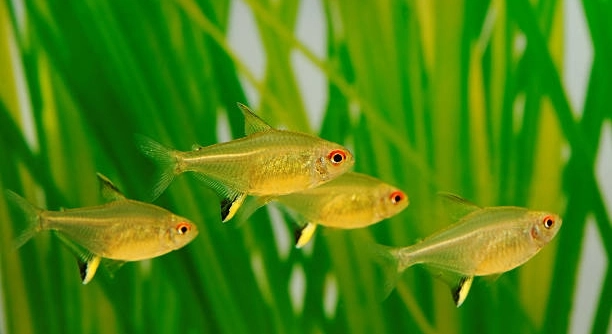
Lemon tetras are small, vibrant fish that bring color to any freshwater aquarium. Observing them closely is part of enjoying their beauty, but noticing unusual behavior can be worrying and signal underlying issues.
Lemon tetras gasp at the surface primarily due to low oxygen levels in the water. Inadequate aeration, high temperatures, or overcrowding can reduce dissolved oxygen, causing fish to seek the surface where oxygen concentration is higher for survival.
Understanding why this behavior occurs will help maintain a healthier environment for your fish and prevent further stress or health problems in your tank.
Common Causes of Lemon Tetras Gasping
Lemon tetras often gasp at the surface due to environmental stressors in their aquarium. One major factor is low oxygen levels, which can happen if the tank is overcrowded or lacks proper aeration. Poor water circulation prevents oxygen from reaching all areas of the tank, forcing fish to search near the surface. High water temperatures can also reduce oxygen availability, making it harder for tetras to breathe. Additionally, poor water quality, including high ammonia or nitrate levels, can irritate gills and affect respiration. Regular monitoring of water parameters, using air stones or filters, and maintaining appropriate temperatures can prevent these problems. Even small changes in the tank setup can have a significant impact on your tetras’ comfort and overall health, helping them stay active and display their natural colors without stress or labored breathing.
Proper oxygenation is essential for healthy and active tetras in any aquarium.
Maintaining stable water conditions requires consistent cleaning and testing. By controlling temperature, oxygen levels, and chemical balance, you create a safer environment. Overcrowding should be avoided, and plants or decorations that restrict flow may need adjustment. Using filters and aerators ensures water remains oxygen-rich. Small adjustments, like spacing fish properly or adding floating plants, can improve circulation. Healthy tetras are less likely to gasp at the surface, and proactive care can prevent stress-related behaviors. Observing your fish daily helps identify early signs of distress and allows timely intervention to maintain a balanced tank ecosystem.
How to Improve Oxygen Levels
Adding an air stone or increasing filtration can improve oxygen circulation in the tank.
Ensuring proper oxygenation is a key step to prevent tetras from gasping. Start by checking water flow and making sure filters are functioning efficiently. Using an air stone or small bubbler increases oxygen exchange at the surface, which supports healthier respiration. Avoid overcrowding by limiting the number of fish and giving each enough space to swim freely. Live plants can also help oxygenate the water while providing a natural environment. Regular partial water changes remove waste and improve oxygen availability, further supporting fish health.
Consistent care is necessary to maintain these conditions long-term. Monitor water quality with test kits, adjust temperatures as needed, and clean the tank routinely. Proper tank setup with adequate aeration prevents oxygen depletion even in warmer months. Observing fish behavior helps detect problems before they escalate, ensuring lemon tetras remain active and healthy. Implementing these strategies will create a stable environment, reducing stress and minimizing surface gasping. This approach benefits all aquatic inhabitants, supporting growth, color, and natural activity levels while keeping your aquarium thriving efficiently.
Water Quality Issues
Poor water quality is a common reason lemon tetras gasp at the surface. High ammonia, nitrite, or nitrate levels can irritate their gills and make breathing difficult. Uneaten food and decaying plants worsen these conditions. Regular testing and maintenance are essential to prevent stress.
Maintaining clean water is crucial for lemon tetras’ health. Ammonia and nitrites are toxic even at low levels and can quickly accumulate in small tanks. Frequent partial water changes, proper filtration, and removing debris reduce these harmful compounds. Monitoring nitrate levels and avoiding overfeeding also helps keep water safe. Healthy tetras rely on stable, clean conditions to thrive, and addressing water quality prevents gill irritation and labored breathing, reducing the need to gasp at the surface.
Balancing the tank’s chemistry is also important. Using a reliable test kit ensures accurate readings of ammonia, nitrites, and nitrates. Adjusting water parameters gradually avoids sudden stress. Conditioning tap water to remove chlorine or chloramine protects fish. Maintaining pH within the ideal range for lemon tetras supports overall well-being. Clean, oxygen-rich water prevents behavioral problems and promotes natural activity. Consistent care, attention to chemical levels, and proper filtration create an environment where tetras can thrive without showing signs of respiratory distress or surface gasping.
Temperature and Tank Conditions
High temperatures can reduce oxygen availability, causing tetras to gasp at the surface. Poor circulation or compact tank setups make the problem worse.
Lemon tetras need stable water temperatures between 72–78°F. Temperatures above this range reduce dissolved oxygen, forcing fish to seek air at the surface. Ensuring proper water flow with a functioning filter or circulation pump keeps oxygen evenly distributed. Avoid overcrowding, which increases heat and stress, and limit equipment that blocks water movement. Regular monitoring with a reliable thermometer helps detect fluctuations early. Stable, well-oxygenated water reduces stress, supports immune health, and keeps tetras active and colorful while minimizing surface gasping.
Overcrowding
Too many fish in a tank can cause oxygen depletion and stress, leading lemon tetras to gasp at the surface. Crowded conditions also increase waste, which worsens water quality and affects overall fish health.
Overcrowding limits swimming space and makes it harder for filters and aerators to maintain proper oxygen levels. Maintaining a suitable fish-to-water ratio ensures tetras have room to move freely and reduces competition for oxygen. Adequate spacing improves circulation, reduces aggression, and supports healthier behavior overall, keeping gasping at the surface to a minimum.
Poor Filtration
Inefficient filters fail to remove debris and maintain water quality, contributing to surface gasping. Consistent filter maintenance keeps the tank clean and oxygenated.
Signs of Stress
Lemon tetras may show other signs like clamped fins, lethargy, or loss of color when stressed. Early detection helps prevent serious health issues.
Monitoring and Maintenance
Regular water testing, cleaning, and proper tank care prevent oxygen depletion and stress. Consistency in maintenance supports healthy, active tetras.
FAQ
Why is my lemon tetra gasping at the surface even though the water looks clean?
Even if the water appears clear, dissolved oxygen levels may be low, or chemical balances like ammonia, nitrites, or nitrates could be elevated. Clear water does not always indicate safe conditions. Checking oxygen levels and performing regular water tests ensures your tetras remain healthy.
Can tank size affect surface gasping?
Yes, small or overcrowded tanks often have poor oxygen circulation and limited swimming space. Lemon tetras need room to move freely and sufficient water volume to support oxygen and nutrient distribution. A larger tank reduces stress and helps maintain stable water parameters.
Will adding more aeration solve gasping issues?
Increasing aeration often helps by improving oxygen circulation throughout the tank. Air stones, sponge filters, or enhanced filtration can boost oxygen availability. However, it should be combined with regular water changes, proper stocking levels, and maintaining water quality to fully address the issue.
Is temperature a factor in surface gasping?
Yes, high water temperatures reduce dissolved oxygen. Lemon tetras thrive between 72–78°F. Using a reliable aquarium thermometer and adjusting heaters or cooling devices prevents oxygen-related stress. Stable temperatures also support immune function and overall activity levels.
Can poor water quality cause gill irritation?
Absolutely. Elevated ammonia, nitrites, or nitrates irritate gills, making breathing difficult. Regular partial water changes, proper filtration, and avoiding overfeeding are essential. Removing uneaten food and decaying plant matter prevents toxins from building up, keeping tetras comfortable and healthy.
Do lemon tetras need live plants to prevent gasping?
Live plants can help by adding oxygen and improving water quality, but they are not strictly required. Proper filtration, aeration, and tank maintenance are more critical. Plants do provide hiding spaces and a natural environment, which can reduce stress levels.
Can overcrowding alone cause gasping?
Yes. Overcrowding increases competition for oxygen, reduces swimming space, and elevates waste levels. Ensuring an appropriate number of tetras per tank size improves circulation, reduces stress, and minimizes gasping at the surface.
What immediate steps should I take if my tetras are gasping?
Check oxygen levels, water parameters, and temperature immediately. Increase aeration if needed and perform a partial water change. Ensure the tank is not overcrowded, and remove any decaying organic matter. Observing behavior during these steps helps identify if conditions improve.
How often should I test water to prevent surface gasping?
Testing once a week is recommended for small tanks or tanks with multiple fish. More frequent checks may be necessary if fish show stress or during temperature fluctuations. Consistent monitoring helps catch problems early, preventing oxygen depletion and related health issues.
Can diet influence surface gasping?
Indirectly, yes. Overfeeding can lead to excess waste, which reduces water quality and oxygen levels. Feeding small portions and removing uneaten food ensures cleaner water, better oxygen availability, and healthier fish.
Are certain filter types better for preventing gasping?
Filters that provide both mechanical and biological filtration are most effective. Sponge filters, hang-on-back filters, or canister filters maintain water clarity and oxygenation. Ensuring proper maintenance and flow rates is key for supporting a healthy environment for lemon tetras.
How can I tell if my tetras are stressed beyond gasping?
Look for clamped fins, faded colors, lethargy, hiding, or erratic swimming. These signs often accompany surface gasping and indicate environmental stress, poor water quality, or disease. Early intervention through cleaning, water testing, or adjusting tank conditions prevents further health decline.
Can temporary gasping be normal?
Short periods of surface activity may occur after feeding or during minor oxygen fluctuations, but persistent gasping is a sign of stress or environmental problems. Monitoring behavior and water parameters ensures that the cause is addressed promptly.
Is it safe to keep lemon tetras with other species?
Compatibility matters. Aggressive or larger species can stress tetras, reducing oxygen intake and increasing gasping. Choosing calm, similarly sized fish and maintaining proper tank space prevents competition and supports a balanced environment.
What long-term practices prevent surface gasping?
Maintain consistent water quality with weekly tests, proper filtration, partial water changes, and monitoring oxygen levels. Avoid overcrowding and keep temperatures stable. Regular observation allows early detection of stress or health issues, keeping lemon tetras active and comfortable.
Final Thoughts
Lemon tetras are small, lively fish that bring brightness to any aquarium, but their health depends heavily on the environment you provide. Gasping at the surface is one of the most visible signs that something in the tank is off, often related to oxygen levels, water quality, or temperature. Understanding the reasons behind this behavior is important because it allows you to take action before it becomes a serious problem. Small adjustments, like improving aeration or performing regular water changes, can make a big difference in how comfortable and active your tetras are. Even simple habits, like checking water parameters weekly and maintaining proper filtration, contribute to a healthier and more stable aquarium environment.
Maintaining clean, oxygen-rich water is crucial for lemon tetras’ overall well-being. Poor water quality, including high levels of ammonia, nitrites, or nitrates, can irritate gills and make breathing difficult, which often leads to gasping at the surface. Overcrowding and inadequate filtration further worsen the situation, increasing stress and reducing oxygen availability. Keeping the tank properly stocked, removing uneaten food, and using reliable filters and aeration devices helps maintain balance. Temperature stability is equally important, as warmer water holds less oxygen, and sudden changes can cause additional stress. By consistently monitoring and adjusting these factors, you create a supportive environment where your tetras can thrive, show vibrant colors, and behave naturally without displaying signs of distress.
Preventing gasping and supporting long-term health requires a combination of awareness, care, and consistency. Observing your fish daily helps identify early signs of stress or illness before it escalates. Regular maintenance routines, including water testing, partial water changes, and ensuring proper tank circulation, are essential practices for sustaining a healthy habitat. Choosing compatible tank mates, providing sufficient space, and incorporating plants or decorations that support natural behaviors further enhance well-being. Lemon tetras respond well to stable, well-maintained environments, and by paying attention to oxygen levels, water quality, and temperature, you can reduce stress and prevent gasping. With thoughtful care, your aquarium can remain a balanced, vibrant space where lemon tetras live actively and healthily for years.

Hello,
If you enjoy the content that we create, please consider saying a "Thank You!" by leaving a tip.
Every little bit helps us continue crafting quality advice that supports the health, happiness, and well-being of pets around the world, for pets of all shapes, sizes, and species.
We really appreciate the kindness and support that you show us!