
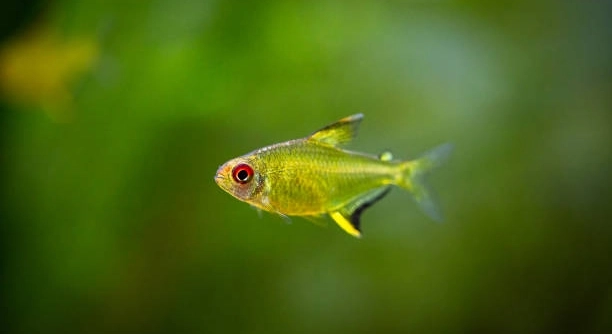
Lemon tetras are small, vibrant fish that can brighten any aquarium, but they are sensitive to changes in their environment. Even minor disruptions can cause stress, affecting their behavior, health, and overall well-being in the tank.
Maintaining a stable environment, providing appropriate tank mates, ensuring proper water quality, and offering hiding spaces are essential for reducing stress in lemon tetras. These measures support natural behavior, promote health, and help the fish thrive in captivity.
Knowing how to minimize stress can transform your tank into a calmer, healthier environment, benefiting both the fish and the enjoyment of your aquarium.
Keep Water Conditions Stable
Lemon tetras are highly sensitive to water fluctuations. Sudden changes in temperature, pH, or hardness can quickly stress them, leading to health issues or erratic behavior. Regularly testing water parameters ensures that the tank remains within a stable range suitable for the fish. Using a reliable heater helps maintain consistent temperature, while partial water changes prevent the buildup of harmful substances. Avoid over-cleaning the tank at once, as this can disrupt beneficial bacteria and further stress the fish. Proper filtration is also essential to remove debris and toxins without creating strong currents that can tire them. Observing your tetras daily allows you to notice subtle signs of stress early, such as hiding or loss of color, making it easier to correct issues before they escalate. Stability in water conditions forms the foundation for healthy, calm lemon tetras.
Monitoring water quality daily and performing small, regular adjustments keeps the fish comfortable and reduces sudden stress reactions.
A stable environment supports natural behavior, allowing tetras to swim freely, feed regularly, and interact safely with tank mates. Consistent conditions prevent stress-related illnesses and improve overall lifespan. Even minor disruptions, such as introducing new decorations, should be done gradually. By creating predictable water conditions, you help the fish feel secure. This security encourages active schooling and proper feeding habits, which are indicators of a healthy tank. Using gentle filtration and avoiding strong currents helps prevent fatigue and reduces anxiety. Water quality is not just a technical matter—it directly affects your fish’s comfort and daily activity. Observing changes over time allows for proactive adjustments. Combining stable parameters with hiding spots and proper nutrition creates a well-rounded approach to minimizing stress in lemon tetras.
Provide Proper Hiding Spaces
Lemon tetras feel safer when they have access to shelters. Dense plants, rocks, or small caves give them places to retreat and reduce anxiety in the tank.
Hiding areas prevent bullying and allow fish to rest, improving their overall health and coloration.
Offering a variety of hiding spots encourages natural behavior, such as darting through plants and exploring corners without feeling exposed. Plants with broad leaves or driftwood create shaded areas that mimic natural habitats. By arranging the tank with layered shelters, you reduce confrontations between fish and give shy individuals a chance to feel secure. Rotating decorations occasionally keeps the environment engaging without causing sudden stress. Adequate hiding spaces also provide refuge during feeding, helping less dominant fish access food without conflict. Observing how tetras use these areas can guide adjustments, ensuring all fish feel comfortable. This combination of structure and space supports calmer, more confident behavior throughout the tank.
Avoid Overcrowding
Overcrowding causes constant stress in lemon tetras. Too many fish in a tank limits swimming space and increases aggression, leading to weaker health and dull coloration.
A spacious tank allows lemon tetras to swim freely and maintain their natural schooling behavior. Overcrowding can lead to competition for food, hiding spots, and oxygen, which raises stress levels. Larger tanks with fewer fish reduce conflicts and ensure water quality remains stable. Each tetra needs enough personal space to move without feeling threatened, which supports regular feeding and calmer interactions. Proper stocking density is essential for their overall well-being.
Monitoring the number of fish relative to tank size is key. A properly stocked tank promotes smoother schooling, reduces stress, and maintains water quality. Observing behavior over time helps ensure that each fish has enough space to thrive without constant competition or aggression.
Maintain a Balanced Diet
Providing a balanced diet is critical for lemon tetra health. High-quality flakes, frozen foods, and occasional live foods give essential nutrients without overfeeding.
A varied diet supports growth, coloration, and energy levels while minimizing digestive stress. Feeding too much or too little can lead to health issues. Small, frequent feedings work best for maintaining energy and preventing food waste. Supplementing with vitamins or spirulina enhances immune function. Watching how fish respond to different foods helps adjust portions and choices effectively. Proper nutrition directly impacts stress levels and overall vitality in the tank.
Ensuring a balanced diet also prevents aggressive behavior during feeding. When each fish gets enough food, there is less competition, which reduces tension and supports peaceful schooling. Combining flakes, frozen, and live foods keeps the diet interesting while supplying protein, fiber, and essential vitamins. Regularly observing feeding habits ensures that no fish is left behind or overfed. Healthy, well-nourished lemon tetras exhibit brighter colors, active movement, and lower susceptibility to disease. A consistent feeding routine paired with variety strengthens both physical health and comfort in the aquarium environment.
Limit Sudden Changes
Rapid changes in water temperature or decorations can stress lemon tetras. Introduce changes gradually to avoid shocking the fish.
Even small adjustments in lighting or flow should be done slowly. Sudden disturbances make the fish anxious and can disrupt their schooling behavior.
Choose Compatible Tank Mates
Lemon tetras thrive with peaceful, similarly sized fish. Avoid aggressive or overly active species that may intimidate them.
Carefully selecting tank mates ensures harmony in the tank. Aggressive species can chase or nip at tetras, increasing stress and reducing feeding efficiency. Peaceful companions encourage natural behavior, allowing the tetras to swim freely, interact comfortably, and maintain bright coloration. Observing interactions helps identify any compatibility issues early.
Keep the Tank Clean
Regular cleaning prevents toxin buildup, which can harm lemon tetras. Partial water changes and filter maintenance are essential.
Monitor Behavior Daily
Observing your tetras each day helps catch early signs of stress or illness. Note changes in color, activity, or appetite.
FAQ
How can I tell if my lemon tetras are stressed?
Signs of stress in lemon tetras include hiding more than usual, faded or dull coloration, erratic swimming, loss of appetite, or frequent rubbing against tank surfaces. Stress may also manifest as sluggish movement or isolating from the school. Observing these behaviors early helps prevent long-term health issues.
What is the ideal water temperature for lemon tetras?
Lemon tetras thrive in water between 72°F and 78°F. Consistent temperature is crucial because sudden shifts can shock them and increase stress. Using a reliable heater with a thermostat ensures the tank remains within this range, supporting both health and natural behavior.
How often should I perform water changes?
Performing partial water changes weekly is recommended. Changing 20-30% of the water helps maintain stable water quality by removing waste and toxins. Avoid large, sudden changes, as these can cause additional stress. Testing water regularly ensures proper pH and hardness are maintained.
Can tank decorations affect stress levels?
Yes, proper decorations reduce stress. Plants, driftwood, and small caves provide hiding spots and create a natural environment. Open swimming areas combined with shaded or sheltered spaces help tetras feel secure while promoting schooling and natural exploration without fear of exposure.
What foods are best for reducing stress?
A varied diet of high-quality flakes, frozen foods, and occasional live foods keeps lemon tetras healthy and stress-free. Overfeeding or underfeeding can lead to digestive issues or competition during meals. Feeding small portions multiple times a day ensures energy without creating water quality problems.
How many lemon tetras should I keep together?
Lemon tetras are schooling fish and should be kept in groups of at least six. Larger schools reduce stress by providing a sense of security and encouraging natural behavior. Keeping fewer tetras can lead to isolation, making them more anxious and vulnerable.
What tank size is best to prevent stress?
A minimum of 20 gallons is recommended for a small school of lemon tetras. More space allows for swimming, hiding, and proper filtration. Overcrowding increases aggression, stress, and susceptibility to disease. Larger tanks provide more stability in water parameters and overall comfort.
Do lighting and tank placement matter?
Yes, consistent and moderate lighting helps maintain natural rhythms. Bright or fluctuating light can stress the fish, while dark areas or hiding spots provide relief. Positioning the tank away from direct sunlight or heavy traffic areas reduces sudden disturbances.
How do I handle new fish introductions?
Introducing new fish gradually is important. Quarantine new arrivals for a few weeks to prevent disease and introduce them slowly to minimize stress. Rearranging decorations before adding new fish can help reduce territorial aggression and provide neutral territory for all fish.
Can stress lead to disease in lemon tetras?
Yes, chronic stress weakens the immune system, making lemon tetras more susceptible to illnesses like ich, fin rot, or bacterial infections. Maintaining stable water conditions, proper nutrition, hiding spaces, and compatible tank mates significantly reduces stress and supports long-term health.
How can I make feeding time less stressful?
Spread food across multiple areas in the tank to reduce competition. Feeding smaller amounts more frequently allows all fish to eat comfortably. Observing which fish are shy or slower helps adjust feeding practices and ensures no fish is left hungry or stressed.
Is it normal for lemon tetras to hide often?
Some hiding is natural, especially after changes or during molting periods. Persistent or prolonged hiding, however, may indicate stress from water conditions, aggressive tank mates, or illness. Providing multiple hiding spots helps balance their need for security with healthy schooling behavior.
How can I maintain long-term stress reduction?
Consistent water quality, appropriate tank mates, stable temperature, balanced diet, and suitable hiding spots all contribute to long-term stress reduction. Daily observation and minor adjustments prevent problems from escalating. Maintaining these conditions creates a calm, thriving environment for lemon tetras, supporting both health and natural behavior.
What are signs that stress is improving?
Improved coloration, active swimming, normal appetite, and consistent schooling behavior indicate reduced stress. Fish become more confident, explore open areas, and interact naturally. Noticing these positive changes confirms that your care routine is effectively supporting their well-being.
How often should I check water parameters?
Check water parameters at least weekly, including temperature, pH, ammonia, nitrite, and nitrate levels. Frequent monitoring allows early detection of changes that could stress fish, ensuring timely adjustments to maintain a safe and stable environment.
Lemon tetras are delicate fish that thrive when their environment is carefully maintained. Stress can affect their behavior, health, and even lifespan, so it is important to take measures that keep the tank stable and comfortable. Consistent water conditions are the foundation for their well-being. Temperature, pH, and water hardness should remain within suitable ranges, and any changes should be made gradually. Regular testing and partial water changes prevent the buildup of harmful substances while maintaining a safe home for the fish. Proper filtration helps remove debris and toxins without creating strong currents that tire or stress them. Observing daily behavior allows you to notice small changes that may indicate stress, which can be addressed before they become serious problems. A stable environment supports natural swimming patterns, healthy feeding habits, and peaceful interactions with other fish, creating a calm and thriving tank.
Providing sufficient hiding spots is another key factor in reducing stress for lemon tetras. Dense plants, driftwood, and small caves allow the fish to retreat when they feel threatened or anxious. Even in a tank with peaceful tank mates, having spaces to hide reduces tension and gives shy individuals a chance to feel secure. Arranging these hiding places thoughtfully ensures that all fish can access shelter without competition. Open swimming areas should also be available so that the fish can maintain their natural schooling behavior. The balance between open space and shelter supports both physical activity and mental comfort, helping tetras remain active and healthy. Watching how the fish use these spaces provides insight into their comfort levels and whether adjustments are needed. When the tank is designed with both swimming room and hiding spots, lemon tetras are more likely to display bright colors, lively movement, and calmer behavior overall.
Nutrition and proper stocking also play important roles in keeping stress low. Feeding a balanced diet of high-quality flakes, frozen foods, and occasional live foods ensures the fish receive essential nutrients while avoiding digestive stress. Small, frequent feedings are more effective than large meals and help reduce competition, keeping all fish satisfied. Overcrowding should be avoided, as too many fish in a tank can increase aggression and anxiety, limit swimming space, and reduce oxygen levels. Choosing compatible tank mates and maintaining a proper school size allows lemon tetras to interact naturally without fear or tension. Even lighting and tank placement matter, as sudden brightness or frequent disturbances can cause stress. By focusing on water stability, hiding spots, balanced nutrition, proper stocking, and careful observation, it is possible to create a peaceful and healthy environment where lemon tetras can thrive. Consistent attention to these factors ensures the fish remain comfortable, active, and vibrant for years to come.

Hello,
If you enjoy the content that we create, please consider saying a "Thank You!" by leaving a tip.
Every little bit helps us continue crafting quality advice that supports the health, happiness, and well-being of pets around the world, for pets of all shapes, sizes, and species.
We really appreciate the kindness and support that you show us!