
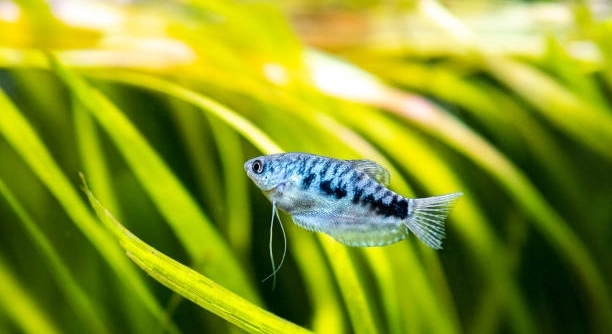
Gouramis are popular freshwater fish known for their peaceful nature and interesting behaviors. Among these behaviors, one that often catches attention is their swimming in spirals. This movement can seem unusual but has specific reasons behind it.
Gouramis swim in spirals mainly as part of their mating ritual or territorial displays. This behavior helps them communicate, attract mates, or establish dominance in their environment. Spiral swimming is a natural, instinctive action linked to their social interactions.
Understanding why gouramis swim in spirals reveals more about their natural instincts and social habits. This insight can improve how we care for these charming fish.
Why Gouramis Swim in Spirals During Mating
When gouramis swim in spirals during mating, it’s a way for males to attract females and show off their fitness. The male gourami often performs a spiral dance around the female, signaling readiness to breed. This movement helps the female decide if the male is a good partner. The spiral swimming also helps the male release pheromones and display his colors more vividly. This behavior is common among gouramis and other labyrinth fish, which use both visual and chemical signals during courtship. Watching this spiral dance is fascinating because it shows how much effort these fish put into reproduction. It’s their way of communicating without sound, relying purely on movement and color to send messages.
Spiral swimming during mating is essential for successful reproduction in gouramis. It helps both males and females identify the best mates.
Observing these patterns helps aquarists understand breeding behavior better and create a supportive environment for gouramis to reproduce naturally and peacefully in captivity.
Territorial Spiral Swimming
Gouramis also swim in spirals when defending their territory. This behavior is less about courtship and more about warning other fish to stay away. Male gouramis especially become territorial during breeding season and use spiral swimming to intimidate rivals. The circular motion makes them appear larger and more confident. This spiral display often accompanies other signs of aggression, like flaring fins or brightening colors. The movement is a clear signal to other fish to back off, avoiding fights that could cause injury. In smaller tanks, this behavior can be more frequent due to limited space. Recognizing these signs helps prevent stress and conflict in your aquarium.
Territorial spiral swimming is a natural way gouramis protect their space without direct fighting.
Providing enough space and hiding spots reduces territorial behavior and keeps the aquarium peaceful. When gouramis feel secure, they are less likely to display aggressive spiraling, allowing everyone to coexist comfortably.
Spiral Swimming and Stress
Spiral swimming can sometimes be a sign of stress in gouramis. When they feel uneasy or threatened, their behavior changes.
Stress causes gouramis to swim in tight circles or spirals repeatedly. This can happen due to poor water quality, overcrowding, or aggressive tank mates. If the environment feels unsafe, the fish use this erratic swimming as a coping mechanism. It’s important to check the tank conditions and ensure everything is suitable. Ignoring these signs can lead to health problems like weakened immunity or disease.
Reducing stress involves keeping water clean, maintaining proper tank size, and avoiding aggressive fish nearby. Adding plants and hiding spots also helps gouramis feel secure and decreases unwanted spiral swimming caused by anxiety.
How to Respond to Spiral Swimming
If your gourami starts swimming in spirals often, it’s a good idea to observe their environment carefully. Look for any changes that might cause stress or discomfort. Check water parameters like temperature, pH, and ammonia levels, as these can greatly affect fish behavior. Also, consider if the tank is overcrowded or if other fish are bullying your gourami.
Improving tank conditions is usually the best way to stop stressful spiral swimming. Make sure the aquarium is clean, well-maintained, and spacious enough for all fish. Adding plants or decorations can give gouramis places to hide, which helps reduce anxiety. Sometimes, simply separating aggressive fish can bring peace and reduce erratic movements. Addressing these issues early helps keep your gouramis healthy and calm.
Common Causes of Spiral Swimming
Spiral swimming often happens due to stress, mating behavior, or territorial disputes. Each cause shows a different reason behind this movement in gouramis.
It’s important to observe the context of the spiral swimming to understand what your fish might be trying to communicate.
Monitoring Your Gourami’s Behavior
Keeping an eye on your gourami’s overall behavior helps identify if spiral swimming is normal or a sign of trouble. Look for changes in appetite, color, and interaction with other fish.
If spiral swimming is frequent and combined with other worrying signs, it may indicate health or environmental issues that need attention.
Preventing Excessive Spiral Swimming
Maintaining stable water conditions and a calm environment reduces unnecessary spiral swimming. Ensure the tank is clean, well-filtered, and properly sized. Providing plants and hiding spots gives gouramis a sense of security. Avoid overcrowding and aggressive tank mates to keep stress levels low. Regularly monitoring your fish’s behavior can catch problems early before spiral swimming becomes a persistent issue.
When to Seek Help
FAQ
Why do gouramis swim in spirals sometimes but not all the time?
Gouramis swim in spirals mostly during specific behaviors like mating or defending territory. Outside of these situations, they swim normally. If spiral swimming happens rarely, it is likely part of their natural communication. Frequent or constant spiral swimming, however, might signal stress or health issues needing attention.
Can spiral swimming mean my gourami is sick?
Yes, excessive or erratic spiral swimming can be a sign of illness. It might indicate problems like swim bladder disorder, infections, or parasites affecting balance. If your gourami spins uncontrollably or struggles to swim straight, a health check is important. Improving water quality and consulting a vet or aquarium expert can help.
How can I tell if spiral swimming is normal or a problem?
Observe your fish’s overall behavior. Normal spiral swimming happens in short bursts during mating or showing dominance. If the behavior is constant, accompanied by lethargy, loss of appetite, or unusual coloration, it likely points to stress or illness. Regular tank checks and noting changes in behavior will guide you.
Does tank size affect spiral swimming?
Yes, tank size impacts gourami behavior significantly. Small or overcrowded tanks increase stress, causing repetitive spiral swimming as a coping mechanism. Providing adequate space reduces territorial disputes and anxiety, which lowers the frequency of spiral swimming due to stress. A well-sized tank is essential for peaceful fish.
What environmental changes can reduce spiral swimming caused by stress?
Maintaining clean water, stable temperature, and good filtration are key. Adding plants or decorations creates hiding spots, helping gouramis feel secure. Avoid mixing aggressive or overly active fish that might intimidate gouramis. Reducing noise and sudden movements near the tank also lowers stress-related behaviors.
Is spiral swimming only seen in male gouramis?
Mostly, males show spiral swimming during mating and territorial displays, but females can also exhibit it occasionally. Female spiral swimming is usually less intense and linked to social interactions rather than courtship or aggression. Both genders use movement to communicate, though males are more visually active in these behaviors.
Can spiral swimming damage my gourami?
Generally, spiral swimming itself doesn’t harm the fish. It’s a natural behavior unless it becomes constant and frantic, which could lead to exhaustion or injury. If the behavior is caused by stress or illness, that underlying issue poses a bigger risk. Monitoring your gourami and addressing tank conditions helps prevent any harm.
Should I separate gouramis that swim in spirals a lot?
If spiral swimming is due to aggression or territorial fights, separating aggressive individuals may be necessary. This reduces stress and injury risks. However, if it’s related to mating or occasional displays, separation isn’t required. Understanding the cause helps decide when separation is beneficial for tank harmony.
How can I encourage healthy behavior in gouramis?
Create a calm, stable environment with good water quality and enough space. Feed a balanced diet and provide hiding places to reduce stress. Regular observation allows you to notice any abnormal behaviors early, helping you keep your gouramis happy and active without excessive spiral swimming.
What should I do if I suspect health issues linked to spiral swimming?
Test water parameters immediately and correct any problems. Isolate the affected fish if necessary to prevent spreading illness. Consult with an aquatic veterinarian or experienced aquarist for diagnosis and treatment options. Early action is key to helping your gourami recover and return to normal swimming behavior.
Gouramis are fascinating fish with behaviors that often catch the attention of anyone who keeps them. One behavior that stands out is their swimming in spirals. This movement can be part of natural actions like mating or defending territory. It is also a way for them to communicate without sound. Understanding why gouramis swim in spirals helps us appreciate their instincts and social nature. It shows how much these small fish rely on movement to send messages and interact with each other. Recognizing this behavior is important for anyone who cares for gouramis, as it gives clues about what the fish are feeling or trying to express.
Sometimes, spiral swimming may not be a positive sign. If gouramis swim in spirals too often or seem to struggle while doing so, it could indicate stress or health problems. Stress can come from many sources, such as poor water quality, overcrowding, or aggressive tank mates. Health issues like swim bladder disorders or infections might also cause abnormal swimming patterns. When this happens, it is important to carefully observe the fish and check the tank conditions. Keeping the aquarium clean, well-maintained, and providing enough space can reduce stress. Offering plants and hiding spots helps gouramis feel safe and less likely to swim erratically. Taking early action can prevent bigger problems and support the fish’s well-being.
Knowing how to respond to spiral swimming is key to keeping gouramis healthy and happy. It is best to observe their behavior closely and understand the context. If the swimming is part of natural mating or territorial displays, it is normal and not harmful. But if it becomes frequent and is linked to other signs like loss of appetite or changes in color, then it needs attention. Improving the tank environment, monitoring water quality, and separating aggressive fish when needed will help. With good care, gouramis will swim smoothly and display their unique behaviors without stress. Being attentive to their needs makes all the difference in creating a peaceful and thriving aquarium.

Hello,
If you enjoy the content that we create, please consider saying a "Thank You!" by leaving a tip.
Every little bit helps us continue crafting quality advice that supports the health, happiness, and well-being of pets around the world, for pets of all shapes, sizes, and species.
We really appreciate the kindness and support that you show us!