
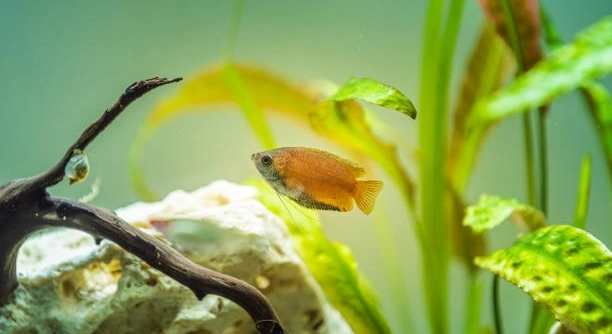
Do you ever find yourself worried when your fish tank suddenly becomes quieter than usual? A drop in tank noise can feel unsettling. This change might point to something minor—or signal a problem that needs attention.
A sudden drop in tank noise is often caused by a malfunctioning filter, clogged air pump, or a power issue. These disruptions can impact water circulation, oxygen levels, and overall tank health if not addressed promptly.
Changes in tank sound should not be ignored, especially if they happen without warning. Learning to spot the causes early can help prevent bigger problems for your aquatic pets.
The Filter Has Stopped Working
One of the first things to check is the filter. Filters are essential for keeping the tank water clean and circulating. When they stop running, the noise level can drop suddenly. You might also notice the water becoming still, and debris starting to settle. A stopped filter could be due to a power issue, a clogged intake, or internal motor problems. Unplug the unit, take it apart carefully, and clean it. Check for any visible blockages or buildup inside the unit. After cleaning, reassemble and plug it back in to see if it resumes working normally. If the unit still doesn’t start, you may need to replace it. Regular filter maintenance helps prevent sudden failures. Keep an eye on performance and clean parts every few weeks. A clean and running filter not only supports healthy water but also gives off the familiar hum that lets you know everything is working properly.
Noise dropping without warning can mean the filter has shut off. This change is usually easy to spot when water movement also stops.
If your filter won’t turn back on even after cleaning, try checking the power source or outlet. Sometimes, a tripped breaker or loose cord can interrupt the connection. If all seems fine there, consider testing the filter in a different outlet. Mechanical parts, especially older ones, can fail suddenly. Replacing the impeller or motor may be an option if the unit is still under warranty. If not, a full replacement might be the safest bet to restore function. Remember, a working filter not only keeps your tank clean, it also ensures proper oxygenation. Without it, fish can become stressed quickly, especially in a crowded tank. Always have a backup plan ready or a spare filter on hand. That way, even if something fails, your tank stays stable.
Air Pump Issues
An air pump becoming quiet often means the diaphragm inside is worn or the tubing is blocked. These parts can wear out over time or shift out of place.
An air pump keeps your tank oxygenated, especially in tanks with limited water movement. If the tank becomes too quiet, it could mean the pump has slowed or stopped completely. First, check if the pump is still vibrating or making a faint hum. If not, unplug it and inspect the tubing for any tight bends, clogs, or kinks. Replace tubing if it feels brittle or discolored. If the tubing looks fine, the issue might be inside the pump. Over time, diaphragms can stretch or crack, leading to loss of pressure. Many pumps come with repair kits, so replacing the diaphragm may restore normal function. If your pump is very old or damaged, getting a new one might be more cost-effective. Always position the pump above water level or use a check valve to prevent backflow, which can damage the motor.
A Power Outage or Tripped Breaker
Power loss is a common reason for sudden silence in a tank. It may come from a full outage, a tripped breaker, or even a power strip failure. Check all plugs, switches, and the circuit box right away.
Start by checking whether other devices in the room have power. If not, it’s likely a full outage, and you may need to contact your utility provider. If power is on elsewhere, inspect the circuit breaker and flip it back if it’s been tripped. Also, check the power strip if you’re using one—it may have failed or been turned off accidentally. Once power is restored, confirm that all tank equipment turns back on. Filters and heaters often restart automatically, but some air pumps or timers may need manual resets. If anything stays off, inspect individual plugs and try different outlets. Having backup battery-operated air pumps can help in these situations.
Power outages can cause bigger problems if they last long. Without power, heaters stop working and water can cool down quickly—especially in smaller tanks. This drop in temperature can stress or even harm sensitive fish. Filters also stop running, which affects both water movement and oxygen levels. During long outages, gently stir the surface or use a clean cup to scoop and pour water to help add oxygen. Avoid feeding your fish during this time, as uneaten food can break down and pollute the water without filtration. If outages are frequent in your area, consider investing in a small generator or uninterrupted power supply. This helps keep your tank stable and avoids emergency issues.
Clogged Intake or Air Stone
When equipment stays plugged in but goes silent, it may be clogged. The intake or air stone can get blocked by waste, algae, or calcium buildup over time. Cleaning can usually fix it.
Start with the intake on your filter. If it’s covered in debris or algae, water can’t flow through properly. Turn off the filter, remove the intake, and rinse it in old tank water (not tap water). This protects helpful bacteria. Use a small brush or pipe cleaner to scrub inside the tube. If the intake sponge is clogged, rinse or replace it. For air stones, soak them in a vinegar-water mix for 15–30 minutes, then rinse and scrub gently. If bubbles still don’t return, the stone may be too clogged and should be replaced. Keeping a regular cleaning routine can help stop blockages before they get bad. A silent tank is often a sign that maintenance is overdue.
When air stones clog, oxygen levels can fall—especially in tanks with lots of fish or low surface movement. Fish may start breathing faster or gathering near the surface. This can be a warning sign of low oxygen. A clogged stone also puts pressure on the air pump, making it work harder and wear out faster. Always check the airline tubing too. If it’s pinched or full of moisture, it can stop air from passing through. Clean or replace the tubing as needed. A good rule is to replace air stones every 6–8 weeks, or sooner if you notice fewer bubbles. Simple parts like these are cheap but important. Regular checks can help your tank stay healthy and keep your fish active.
Loose Connections or Plug Issues
Sometimes, equipment goes silent because the plug is loose or has been pulled slightly out of the outlet. This can happen during cleaning or from bumping cords around the tank area.
Check each plug by gently pressing it into the outlet. If anything feels loose or unstable, try a different outlet.
Malfunctioning Equipment
If everything is plugged in and clean, but there’s still no sound, the equipment may have stopped working. Filters, pumps, and heaters can wear out over time. Listen closely for any humming or vibration—if nothing, it’s likely failed. Replacement is usually the best option for older or unreliable devices. Check the warranty, as many brands offer replacements within the first year. Keep a few essential spares on hand if possible. That way, you can act quickly and avoid putting your fish at risk. Reliable equipment keeps things running smoothly and prevents sudden noise drops from turning into bigger issues.
Reduced Water Flow Settings
Some filters or pumps come with adjustable flow controls. If they’re turned down, the sound will also decrease. Check the settings and gently increase the flow if needed.
FAQ
Why did my tank suddenly go silent in the middle of the night?
A sudden change in noise at night is often due to a power outage or timer-controlled equipment shutting off. Check your outlets, power strip, and timers to see if something was scheduled to turn off. Sometimes, a tripped breaker happens while you’re sleeping and goes unnoticed until you notice the silence. Also, pets or people may have accidentally bumped a plug, causing it to loosen or disconnect slightly. Always confirm that each device is properly plugged in and getting power. If everything appears connected but stays off, inspect each device one at a time.
Can a quiet tank harm my fish?
Yes, a sudden drop in noise can signal stopped filters or air pumps. These are important for oxygen and water quality. Without proper circulation, oxygen levels drop and toxins build up, especially in heavily stocked tanks. Fish may start gasping at the surface or showing signs of stress like rapid gill movement, hiding, or unusual swimming. It’s important to act quickly if you suspect your tank equipment has shut down. A quiet tank may seem peaceful, but for your fish, it could mean something serious is happening. Always check sound, movement, and temperature regularly.
What should I check first when I notice silence in my tank?
Start with the basics—power. Make sure your outlets and power strips are working. Next, check that each plug is secure and your equipment is turned on. If all power is fine, move on to your filter and air pump. Look for signs of clogging or mechanical failure. If needed, test each device in a separate outlet to see if it’s working. Also, check for adjustable flow settings that may have been accidentally turned down. It’s usually one of these simple things, and spotting it early can save you time and keep your fish safe.
How often should I clean my tank equipment to prevent this?
Most filters and air pumps should be checked and cleaned every 2–4 weeks, depending on your tank’s size and bio-load. Intake tubes and sponges can build up with algae, waste, or leftover food, which slows down or stops the flow. Air stones should be replaced or cleaned every 6–8 weeks. Tubing should also be inspected for clogs or wear. Regular cleaning keeps everything running smoothly and helps prevent those sudden quiet moments that can leave you worried. Make a simple schedule, and it’ll soon become a habit.
Can I run a tank without a filter or pump for a short time?
In emergencies, your tank can go without a filter or air pump for a few hours, especially if it’s lightly stocked and well-maintained. During that time, increase surface movement by manually stirring the water or gently pouring it back in from a cup to help with oxygenation. Avoid feeding your fish until the issue is resolved, since food breaks down and adds to the waste. Try to fix or replace equipment as soon as possible. Never leave a tank without circulation for more than a few hours if you can help it.
Is there a way to prepare for sudden equipment failure?
Yes, having a few backups can help a lot. Keep a spare air pump, filter, or at least an air stone and tubing. Battery-operated air pumps are also helpful during outages. Store extra tubing, check valves, and intake sponges. If your main pump or filter ever stops, you’ll have a quick way to restore function without scrambling. Also, knowing how to clean and reset each piece of equipment can help you act fast when something goes wrong. A little prep makes a big difference during unexpected issues.
Why is my air pump still running, but I don’t hear bubbles?
If the pump is humming but no bubbles are coming out, check the tubing and air stone. The tubing could be blocked or pinched, especially if it’s bent around corners. The air stone might also be clogged or worn out. Replacing the tubing or stone usually fixes this. Moisture can also build up inside the line and block airflow. Disconnect the tubing and blow through it to check. If air flows fine, the issue is likely the stone. These parts wear over time, so keeping spares around is useful.
Should I worry if the noise in my tank is quieter than usual, but everything looks fine?
Not necessarily. Some filters and pumps naturally get quieter over time or run more quietly after cleaning. Also, if you’ve recently lowered the flow settings, noise will reduce as well. But if the drop in noise was sudden or noticeable, double-check that everything’s still working. Listen for vibration, look for water movement, and observe your fish’s behavior. If your fish seem calm, water is circulating, and your gear is running, a quieter tank might just mean things are running efficiently. It’s always good to check, just to be safe.
Final Thoughts
A sudden drop in tank noise can feel confusing at first, but it often points to something small that needs your attention. In many cases, it’s just a loose plug, a clogged filter, or a worn-out air stone. These are things that can be fixed easily if caught early. The key is to stay calm and check each part of your setup one step at a time. Making a habit of regular cleaning and quick inspections can help prevent most of these problems. A quiet tank is not always a bad sign, but it’s always worth checking just to be sure everything is still working properly.
It’s helpful to get familiar with how your tank sounds when things are running normally. That way, you’ll notice quickly when something doesn’t seem right. Sound is one of the first clues that something has changed in your setup. If the filter usually makes a steady hum and suddenly goes silent, it’s likely stopped working. If bubbles stop or get weaker, your air system may be clogged or disconnected. Learning to notice these little changes will help you act faster. Fast action can protect your fish from sudden changes in water quality or oxygen levels.
You don’t need fancy tools or deep technical knowledge to handle most of these issues. Simple steps like checking your plugs, cleaning filters, and replacing tubing or stones can make a big difference. Keeping a few backup parts—like an extra air pump or filter—can also help you avoid stressful situations when something fails. Most of all, just stay observant. If your fish seem happy, your water is clear, and your equipment is making its usual sounds, you’re on the right track. A well-maintained tank usually tells you when something’s wrong—you just have to listen.

Hello,
If you enjoy the content that we create, please consider saying a "Thank You!" by leaving a tip.
Every little bit helps us continue crafting quality advice that supports the health, happiness, and well-being of pets around the world, for pets of all shapes, sizes, and species.
We really appreciate the kindness and support that you show us!