
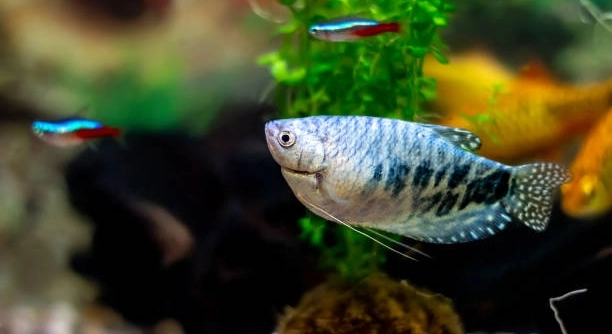
Gouramis are popular freshwater fish known for their bright colors and peaceful nature. Sometimes, they can appear dull or less vibrant, which may signal underlying issues. Understanding the causes and proper care can help restore their natural appearance.
When gouramis seem dull, the most common causes include poor water quality, inadequate diet, stress from tank conditions, or illness. Regular water changes, balanced nutrition, and maintaining a calm environment are essential to improve their health and coloration.
Learning how to identify these factors will help you care for your gouramis more effectively. This article will guide you through practical steps to bring back their lively colors and well-being.
Causes of Dullness in Gouramis
Gouramis may lose their vibrant colors for several reasons. Poor water quality is a major factor. If the tank water has high ammonia, nitrite, or nitrate levels, it can stress the fish and dull their colors. Another common reason is an improper diet. Gouramis need a balanced mix of protein and plant-based foods to maintain their bright hues. Stress from overcrowding or incompatible tank mates can also affect their appearance. Illness or parasites might cause physical changes, including color fading. Sometimes, sudden changes in temperature or lighting can disrupt their natural coloration. Regular tank maintenance and observation are necessary to prevent these issues. Testing water parameters weekly helps keep the environment stable. Feeding high-quality food appropriate for gouramis supports their health. Avoiding aggressive fish in the same tank reduces stress, allowing gouramis to display their natural colors. Early identification of any health problems improves chances of recovery.
Water quality and diet are the most critical factors for gourami coloration. Monitoring these will usually resolve dullness.
A well-maintained tank with stable conditions and proper nutrition supports gouramis’ health and bright colors. Keeping the water clean through regular changes prevents toxic buildup, which causes stress. Balanced feeding provides essential nutrients to maintain their natural shine. Avoiding overcrowding reduces aggression and competition, allowing gouramis to relax and display better colors. Observing fish behavior helps catch health problems early. If illness is suspected, isolating the affected fish and consulting treatment options can prevent further dullness. Lighting should mimic natural conditions but not be too intense. With consistent care, gouramis often regain their lively appearance within a few weeks.
How to Improve Gourami Appearance
Improving gourami appearance starts with better tank care. Clean water and proper feeding make a big difference.
Begin by performing regular water changes of about 20-30% weekly to keep the tank free from harmful chemicals. Test the water for ammonia, nitrite, and nitrate levels frequently. Introduce a varied diet, including quality flakes, pellets, and occasional live or frozen foods like brine shrimp or bloodworms. Avoid overfeeding to prevent water pollution. Check the tank setup to ensure there is enough space and hiding places to reduce stress. Keep compatible species together to minimize aggression. Adjust lighting to about 8-10 hours daily to simulate natural daylight. If you notice signs of illness, treat promptly with appropriate medication after identifying the problem. Patience is important, as recovery and color improvement take time. Consistent care and attention will help gouramis regain their bright and healthy appearance.
Recognizing Stress in Gouramis
Stress can cause gouramis to lose color quickly. Signs include hiding, rapid breathing, and lack of appetite. Stress often comes from poor water quality, overcrowding, or aggressive tank mates.
To reduce stress, keep the water clean and stable. Make sure the tank is not overcrowded and avoid placing gouramis with aggressive fish. Providing plenty of hiding spots and plants helps gouramis feel secure. A calm environment with consistent temperature and light cycles supports their well-being. Stress weakens their immune system, making them prone to illness and color loss. Watch for changes in behavior or appearance regularly to catch stress early and adjust the environment accordingly.
If stress persists, isolate the affected fish in a separate tank with ideal conditions. This helps recovery and prevents further dullness. Providing a balanced diet rich in vitamins can also support their health and stress resistance. Proper care often restores gouramis’ vibrant colors within weeks.
Treating Illness and Parasites
Illness and parasites often cause dullness in gouramis. Common symptoms include clamped fins, white spots, lethargy, and changes in swimming patterns. Early diagnosis is crucial to prevent severe health decline.
Begin treatment by quarantining the sick fish to avoid spreading infections. Identify the specific illness or parasite, such as ich or fin rot, to choose the right medication. Maintain excellent water quality throughout treatment, as clean water supports healing. Follow dosage instructions carefully to avoid harming the fish or beneficial bacteria. Continue treatment for the recommended period, even if symptoms improve quickly, to ensure full recovery. Monitor other fish in the tank for signs of infection to act promptly.
After treatment, improve diet with vitamin-rich foods to help rebuild the fish’s strength. Regular tank maintenance reduces chances of recurrence. Consistent observation and prompt action are key to keeping gouramis healthy and colorful.
Adjusting Lighting Conditions
Proper lighting helps gouramis maintain their colors. Too much light can stress them, while too little can dull their appearance.
Aim for about 8 to 10 hours of moderate lighting daily. Use a timer to keep the schedule consistent, mimicking natural day and night cycles.
Feeding Tips for Vibrant Gouramis
A balanced diet directly influences gouramis’ color and health. Provide a variety of foods, including high-quality flakes or pellets formulated for gouramis. Supplement with live or frozen foods like brine shrimp, bloodworms, or daphnia to boost protein intake. Including plant-based options such as spirulina flakes supports their natural diet. Feed small amounts two to three times daily to prevent overfeeding and water pollution. Rotate food types regularly to ensure nutritional balance. Avoid feeding solely one type of food, as this can lead to nutrient deficiencies and dull colors. Proper nutrition strengthens immune function and encourages bright coloration over time.
Tank Size Considerations
Gouramis need enough space to swim comfortably. A cramped tank causes stress and dullness.
FAQ
Why do my gouramis look dull even though the water looks clean?
Water that appears clean is not always free of harmful substances. Ammonia, nitrites, and nitrates may be present at levels invisible to the naked eye but still stressful to fish. Even slight fluctuations in pH or temperature can affect gouramis’ colors. Testing water regularly with reliable kits is important to catch issues early. Another reason could be an inadequate diet lacking essential nutrients. Gouramis need varied foods with vitamins and proteins to maintain their bright colors. Stress from tank mates or overcrowding can also cause dullness despite clean water. Look for signs of illness or environmental stressors if water quality is not the problem.
How often should I change my gourami’s tank water?
A weekly water change of 20-30% is usually recommended. This keeps toxins from building up and maintains stable water conditions. In heavily stocked tanks or if you feed frequently, changes may need to be more frequent. Avoid large sudden changes in water volume or temperature during water changes, as this can stress gouramis and dull their colors. Use a water conditioner to remove chlorine and chloramines from tap water before adding it to the tank. Consistency is key to maintaining healthy fish and vibrant coloration.
Can lighting alone improve my gourami’s color?
Lighting plays a role but cannot fix color problems by itself. Proper lighting helps fish show their natural colors but does not replace good water quality, nutrition, or stress management. Too much light can cause stress, while too little can make gouramis appear dull. A timer set to 8-10 hours of moderate light daily usually works best. Natural daylight spectrum bulbs designed for aquariums are ideal. Lighting adjustments should be part of a complete care routine rather than a sole solution.
What foods are best to enhance gourami coloration?
A varied diet is best. High-quality flakes or pellets made for gouramis provide essential nutrients. Supplement with live or frozen foods like bloodworms, brine shrimp, and daphnia to increase protein intake. Plant-based foods like spirulina flakes support color pigments. Avoid overfeeding and rotate foods regularly to ensure a balanced diet. Feeding too much or only one type of food can cause deficiencies and dullness. Vitamins and carotenoids in food help bring out bright colors naturally.
How do I know if my gourami is stressed?
Signs of stress include hiding, clamped fins, rapid breathing, loss of appetite, and unusual swimming patterns. Stress often results in faded or dull colors. Causes include poor water quality, overcrowding, aggressive tank mates, or sudden environmental changes. Providing hiding spots, stable water conditions, and compatible tank mates helps reduce stress. Monitoring behavior daily helps catch stress early, allowing timely adjustments to the environment or care.
Is it normal for gouramis to lose color when they breed?
Yes, some gouramis temporarily lose color during breeding or courtship as part of their natural behavior. This fading is usually reversible once breeding is over. Stress or poor conditions during this time can make the loss more severe or prolonged. Ensure the tank environment remains stable and nutritious throughout breeding. If dullness persists after breeding, check for health or water quality issues.
Can disease cause my gouramis to look dull?
Disease is a common cause of color loss. Parasites, bacterial infections, and fungal diseases can all affect appearance. Look for additional symptoms like spots, lesions, clamped fins, or lethargy. Early diagnosis and treatment improve recovery chances. Quarantine sick fish and maintain excellent water quality during treatment. Use appropriate medications and follow instructions carefully. After recovery, improving diet and tank conditions helps restore color.
How important is tank size for gourami coloration?
Tank size matters because overcrowding stresses gouramis and leads to dullness. A minimum of 20 gallons is recommended for most gouramis to provide enough swimming space and reduce territorial aggression. Larger tanks allow better water stability and create a healthier environment overall. Overcrowded tanks increase waste buildup and competition for resources, both of which harm fish health and color. Providing proper tank size along with good care supports vibrant, healthy gouramis.
Can adding plants help improve gourami color?
Live plants help maintain water quality by absorbing nitrates and provide hiding spots that reduce stress. A less stressed gourami is more likely to keep its color. Plants also create a natural environment, which can encourage natural behaviors and improve overall fish health. Avoid sharp or rough plants that could injure gouramis. Choose soft-leaved varieties that thrive in similar water conditions. Healthy plants and fish together promote a balanced, colorful tank.
How long does it take for gouramis to regain their color?
Recovery time varies based on the cause of dullness. With proper water quality, diet, and reduced stress, some gouramis start showing improvement within one to two weeks. Illness or severe stress may take several weeks of consistent care to fully resolve. Patience is essential. Sudden changes or rushed treatments can make problems worse. Focus on maintaining ideal conditions consistently to support gradual and lasting color restoration.
Final Thoughts
Gouramis losing their color is a common issue that often signals something is off in their environment or care. It is important to remember that dullness is rarely permanent if addressed properly. Many factors affect their appearance, including water quality, diet, stress levels, tank size, and lighting. Paying attention to these aspects regularly can help maintain their natural vibrant colors. Simple steps like testing water parameters, feeding a varied diet, and providing enough space and hiding places make a significant difference. Consistency in care is key to preventing and correcting dullness.
When gouramis appear dull, acting promptly improves their chances of recovery. Stress and illness are the most frequent reasons for color loss, and both can be managed with proper care. Maintaining stable water conditions and reducing sources of stress such as aggressive tank mates are essential. Treating any disease quickly with the correct medication supports healing. Equally important is good nutrition, which strengthens their immune system and enhances coloration. It is best to avoid sudden changes in their environment, as this can worsen dullness or cause new health problems.
Overall, the goal is to create a balanced, stable habitat that meets gouramis’ needs. This includes appropriate tank size, consistent lighting, clean water, nutritious food, and compatible tank mates. Observing their behavior and appearance daily helps catch problems early, allowing timely adjustments. Color loss can be a warning sign but also an opportunity to improve their care routine. With patience and attention, gouramis often regain their bright, healthy colors, reflecting better health and well-being. Maintaining these conditions over time supports their long-term happiness and vitality.

Hello,
If you enjoy the content that we create, please consider saying a "Thank You!" by leaving a tip.
Every little bit helps us continue crafting quality advice that supports the health, happiness, and well-being of pets around the world, for pets of all shapes, sizes, and species.
We really appreciate the kindness and support that you show us!