
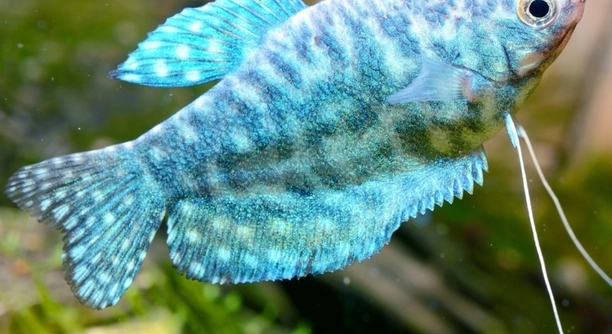
Are your gourami spending more time away from the filter, hovering in calmer spots or hiding behind plants and decorations? Their behavior might be telling you something important about their environment or health.
Gourami often avoid the filter due to strong water currents, noise, or vibrations that can stress them out. These fish naturally prefer calmer waters, so a high-powered or poorly placed filter can disrupt their comfort and daily behavior.
Understanding what’s bothering your gourami can help you make small changes that improve their well-being and support a healthier aquarium setup.
Common Reasons Gourami Stay Away from the Filter
Strong water flow is one of the most common reasons gourami avoid the filter. These fish are naturally adapted to calm waters, such as slow-moving streams and ponds. When placed in an aquarium with a filter that creates too much current, they may retreat to quieter corners to reduce stress. Another issue may be the filter’s noise or vibration, which can disturb them if it’s too loud or constantly rumbling. It’s also possible that the filter is placed in a spot that disrupts their favorite swimming or hiding area. Gourami tend to value quiet, shaded spots with plenty of cover. When their environment doesn’t match their needs, they may act withdrawn or even anxious. Observing their behavior closely and checking how the filter affects their space can help you spot what’s wrong. Small adjustments to placement or flow rate can often lead to quick improvements.
Gourami are sensitive to their surroundings, especially movement and vibrations. Too much activity can overwhelm them.
Some filters come with adjustable flow settings. Reducing the power can make a noticeable difference in how your gourami behave. You can also add plants or decorations to break up the current, helping to calm the water. Another option is placing a pre-filter sponge on the outlet to reduce pressure. These small changes can create a more peaceful tank environment, making your fish feel safer. If your gourami continue to avoid the area, it might help to reposition the filter or test for vibrations using your hand. Even slight rumbling can affect them over time. In some cases, switching to a quieter or sponge-style filter can be a better long-term solution. Keep an eye on your fish’s movement after each change, and you’ll start to see what works best for their comfort and habits.
Other Environmental Factors That Can Affect Filter Avoidance
Lighting, tank mates, and temperature also play a role. If your gourami feel exposed, they’ll keep their distance from active areas.
Bright lighting above or near the filter might create reflections or shadows that stress your gourami. They may also stay away if other fish are aggressive or territorial in that zone. Gourami are more relaxed in dim, evenly lit tanks with plenty of plants. Temperature swings, especially near filters, can also make them uncomfortable. Filters that sit too close to heaters or direct sunlight might cause uneven heating. Use a thermometer to check if water near the filter is warmer or cooler than other spots. Creating a stable, quiet environment with soft lighting, gentle flow, and proper spacing helps your gourami feel at ease. Sometimes, it’s not just the filter—but how it fits into the entire tank setup. When their surroundings feel natural and balanced, they’ll be more likely to swim confidently across the tank.
How Tank Setup Can Influence Gourami Behavior
A cluttered tank or poor layout near the filter can affect how your gourami behave. If there’s not enough open space or hiding spots, they might stay away from stronger currents or exposed areas.
Make sure your tank has a balanced mix of open swimming space and calm hiding areas. If the filter sits too close to a wall or corner with no decorations nearby, it can create a harsh, uncomfortable zone. Add tall plants or broad-leaf structures near the filter to soften the flow and reduce noise. Driftwood and caves also give gourami more places to rest without stress. These touches don’t just make the tank look better—they make it feel safer. If you notice your fish always lingering on one side, you might need to shift decorations to spread out their comfort zones evenly.
The tank’s size and shape also matter more than you might expect. A narrow or tall tank can concentrate water movement in specific areas, which might push your gourami into just one part of the tank. A wider layout helps break up flow and allows more natural swimming behavior. Even filter placement along the back wall versus the side can shift how the water moves and where your gourami prefer to stay. Try adjusting the output direction so the flow spreads across the top, not straight down. A few layout experiments—without making the tank too crowded—can reveal how small changes improve their comfort. Keep an eye on where they hover, eat, and rest. You’ll start noticing patterns that help you create a better habitat.
Signs Your Gourami Is Stressed Near the Filter
If your gourami darts away quickly, hides for long periods, or stays near the bottom, it may be overwhelmed. Other signs include clamped fins, loss of appetite, or less movement during feeding time near the filter area.
You might also notice color fading or unusual aggression when they’re near the filter. These small changes can be early signs that the current, noise, or overall setup is causing stress and needs adjusting.
How to Encourage Gourami to Explore More Areas
Create calm zones throughout the tank using plants, smooth rocks, or driftwood. Break up the flow with décor that blocks direct current and gives your gourami more places to move comfortably. Keep lighting soft and consistent to avoid sharp reflections that might make the filter area seem unsafe. Feed in different parts of the tank to encourage movement and build confidence. Over time, they’ll become more active across the full space, not just the calm corners.
When to Consider Changing Your Filter
If you’ve adjusted flow, placement, and tank layout but your gourami still avoid the filter, it may be time to upgrade to a quieter or sponge-style filter that better matches their calm water needs.
FAQ
Why do gourami avoid the filter area even when the water flow seems low?
Even a gentle flow can feel strong to gourami because they come from naturally slow-moving waters. The position of the filter outlet might create currents that feel too direct or noisy. Sometimes, vibrations or sounds from the filter motor disturb them even if you don’t notice. Gourami prefer quiet, calm spots where they can rest without constant water movement. Adjusting the flow direction or softening the outlet with plants or decorations often helps.
Can stress from filter currents cause health problems in gourami?
Yes, prolonged stress can weaken their immune system and make them more prone to illness. Stress often shows up as fading colors, loss of appetite, and unusual hiding behavior. If gourami constantly avoid the filter area because of strong currents or noise, their overall well-being may suffer. Reducing stress by adjusting the filter setup can improve their health and make them more active.
How do I know if my filter is too powerful for my gourami tank?
If your gourami spend most of their time stuck in corners, hiding behind decorations, or near the water surface away from the filter, it’s a sign the flow may be too strong. Also, observe their fins; clamped or frayed fins can indicate stress. You can test the flow by placing your hand near the filter outlet — if you feel a strong push of water, it’s likely too powerful for your fish.
What are the best filter types for gourami tanks?
Sponge filters and gentle hang-on-back filters with adjustable flow settings work best for gourami. Sponge filters provide gentle filtration without strong currents and are very quiet. Hang-on-back filters with flow controls let you reduce water movement to suit your fish’s needs. Avoid high-powered internal filters with strong jets unless you can direct or soften the output.
Can the placement of the filter affect gourami behavior?
Absolutely. Filters placed in the middle of the tank or near favorite hiding spots can create uncomfortable currents or noise. Placing the filter near the back or sides, combined with plants or decorations to break the flow, helps gourami feel safe. It’s important to observe where your gourami spend most of their time and adjust filter placement accordingly.
How often should I clean the filter to avoid stress on gourami?
Regular filter cleaning is important, but don’t over-clean. Over-cleaning can cause sudden changes in water flow or remove beneficial bacteria, affecting water quality. Clean the filter every 2 to 4 weeks depending on your tank size and bio-load. During cleaning, rinse filter media gently in tank water rather than tap water to protect helpful bacteria.
Can other tank factors besides the filter make gourami avoid certain areas?
Yes, factors like bright lighting, aggressive tank mates, or temperature fluctuations can push gourami away from the filter zone. Bright reflections near the filter outlet or sudden temperature changes from heater placement can increase stress. Make sure lighting is soft and even, aggressive fish are kept separate, and heaters are positioned to maintain stable temperatures throughout the tank.
What can I do if gourami still avoid the filter after adjustments?
Try adding more plants or decorations to create calming spots around the filter. Feeding near the filter can encourage them to explore that area more. If they still avoid it, consider upgrading to a quieter, lower-flow filter like a sponge filter. Sometimes, small changes take time for gourami to get used to, so be patient and observe their behavior regularly.
Is it harmful if gourami rarely swim near the filter?
Not necessarily. Gourami prefer calm waters, so avoiding strong currents is natural. The problem arises if their movement is restricted to a small part of the tank, which can limit exercise and exploration. Ensuring the whole tank has peaceful areas with balanced flow helps keep them healthy and active throughout their environment.
Can water parameters influence how gourami react to the filter?
Yes, water quality and parameters like pH, temperature, and hardness affect overall comfort. If the water near the filter outlet is colder or more oxygenated, gourami may avoid it if it differs too much from the rest of the tank. Consistent water conditions and gentle filtration help gourami feel secure and reduce avoidance behavior.
Final Thoughts
Gourami avoiding the filter is a common behavior that often relates to their natural preference for calm, slow-moving waters. It’s important to remember that these fish come from environments where water currents are gentle or nearly still. When placed in a tank with a strong filter flow, they may feel stressed or uncomfortable. This can lead them to swim away from the filter area, hide, or stay in calmer parts of the tank. Understanding this natural behavior helps in setting up a more suitable environment that supports their well-being.
Adjusting your tank setup can make a big difference for gourami comfort. Simple changes like redirecting the filter flow, adding plants and decorations near the filter, or choosing a gentler filter type can encourage your fish to explore the entire tank. Even the size and shape of the aquarium play a role in how water moves and where your gourami feel safe. Providing plenty of hiding spots and softening the water current creates a better balance between filtration and fish comfort. These small steps can lead to noticeable improvements in their behavior and health.
In the end, patience is key when working with gourami and filter adjustments. It may take time for your fish to become comfortable in a new setup or after changes. Regular observation and small tweaks will help you find the right conditions that allow your gourami to thrive. Keeping stress low through proper flow control and tank layout benefits their immune system and encourages natural, relaxed behavior. Creating a calm and inviting habitat ensures your gourami stay healthy, active, and happy in their aquatic home.

Hello,
If you enjoy the content that we create, please consider saying a "Thank You!" by leaving a tip.
Every little bit helps us continue crafting quality advice that supports the health, happiness, and well-being of pets around the world, for pets of all shapes, sizes, and species.
We really appreciate the kindness and support that you show us!