
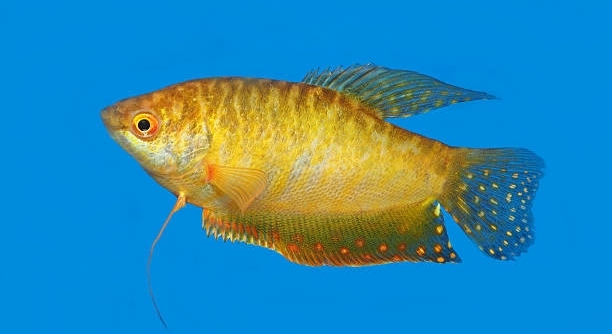
Do you ever wonder how your gourami fish respond to sounds around them? Many fish owners notice their pets react differently in noisy environments. Understanding these reactions can help create a better home for your aquatic friends.
Gouramis do react to different sounds, though their sensitivity varies. Research shows that they can detect vibrations and changes in water movement caused by sound waves. Loud or sudden noises often trigger stress or curiosity in these fish.
Learning about how gouramis respond to sound can improve their care and comfort. This article will explain what influences their reactions and what it means for your aquarium environment.
How Gouramis Hear Sounds
Gouramis use a special organ called the lateral line to sense vibrations in the water. This helps them detect movements and sounds around them, even if the noise is not very loud. Unlike humans, gouramis do not have ears outside their bodies. Instead, their inner ear works together with the lateral line to pick up changes in the environment. When a sound creates waves in the water, gouramis feel these waves as vibrations. This ability helps them stay aware of predators or other fish nearby. However, not all sounds affect gouramis the same way. Continuous loud noises might stress them out, while soft or familiar sounds usually don’t cause much reaction. Their hearing is tuned more to changes in the water than to specific sounds. Understanding this can help aquarium owners avoid causing unnecessary stress to their gouramis.
The lateral line is essential for gouramis to navigate and react safely in their aquatic environment.
Gouramis’ hearing is different from humans’, so they react more to water vibrations than to specific noises. This means that sounds outside the aquarium often have less impact unless they cause strong vibrations in the water. Loud sounds, like banging on the tank or dropping objects nearby, can disturb the fish. Calm environments with gentle background noise tend to keep gouramis comfortable. Tank decorations or plants can also reduce vibrations, making the water quieter. Knowing this helps in creating a peaceful space for gouramis to live and thrive.
Common Sounds That Affect Gouramis
Loud noises, such as banging on the aquarium or loud music near the tank, usually cause the most noticeable reactions in gouramis. They might hide, freeze, or swim quickly away from the noise. Sudden sounds can startle them, making it clear they sense danger. On the other hand, gentle sounds, like soft talking or quiet background music, rarely upset these fish. The type of sound matters less than how much it shakes the water. Constant vibrations can cause stress, leading to health problems or reduced appetite. It’s important to keep the aquarium in a calm area away from heavy foot traffic or loud appliances. By minimizing harsh noises, you create a better environment for your gouramis to feel safe and healthy. Simple steps like placing the tank on a sturdy surface and using plants or decorations can reduce sound impact. Understanding these sound effects can improve your gouramis’ well-being over time.
How Gouramis Show Their Reaction to Sounds
Gouramis often react to sounds by changing their behavior. They may stop swimming, hide, or swim quickly. These actions help them avoid perceived danger or explore new changes in their environment.
When a loud or sudden sound happens, gouramis may freeze in place. This is a natural response to assess if there is a threat nearby. Sometimes, they dart to a hiding spot among plants or decorations in the tank. These fish use this behavior to protect themselves from predators or uncomfortable situations. In quieter moments, gouramis might swim calmly and explore the tank as usual, showing they feel safe. Recognizing these reactions can help you understand when your fish are stressed or relaxed.
Some gouramis might also change their color slightly when startled or stressed by noise. This subtle shift can be a sign they are uncomfortable. By paying attention to these changes, you can adjust the environment to reduce stress.
Reducing Stress from Noises in the Aquarium
Avoid placing your gourami’s tank near busy or noisy areas. Loud household noises and vibrations can disturb your fish. Keeping the aquarium in a quiet corner helps them stay calm and healthy.
Using soft background sounds, like gentle music or a quiet room, can prevent stress. Also, adding plants or decorations inside the tank helps absorb vibrations, making the water environment more stable. Avoid tapping the glass or dropping objects nearby, as sudden shocks can frighten the fish. Regular tank maintenance done calmly also supports a peaceful habitat. A stable, low-stress environment encourages your gouramis to behave naturally and stay healthy for a long time.
Sound Frequency and Gourami Sensitivity
Gouramis respond best to low-frequency sounds because these create stronger water vibrations. High-frequency sounds usually do not affect them as much since they don’t travel well through water.
The way sound travels underwater is different from air. This means gouramis are more aware of deep, slow vibrations rather than sharp, high-pitched noises.
How Tank Size Influences Sound Reactions
Smaller tanks tend to amplify sounds and vibrations, which can stress gouramis more easily. Larger tanks provide more space for sound to disperse, reducing stress from noise.
Tips to Calm Gouramis After Loud Noises
Offering hiding spots and plants helps gouramis feel safe after sudden loud sounds. Creating a peaceful environment supports quicker recovery.
FAQ
Do gouramis get stressed by loud noises?
Yes, gouramis can get stressed by loud or sudden noises. These noises create strong vibrations in the water that can startle or scare them. Stress can make gouramis hide more often, lose appetite, or show changes in color. It’s best to keep their environment calm to avoid unnecessary stress.
Can gouramis hear sounds outside the aquarium?
Gouramis do not hear sounds the same way humans do, but they can sense vibrations that sounds create in the water. Loud noises outside the aquarium that cause water vibrations may be noticed by gouramis. However, quiet sounds or those that don’t create strong vibrations often go unnoticed.
What signs show that my gourami is reacting to noise?
Common signs include sudden freezing, hiding, quick swimming, or color changes. Gouramis may also stop eating or act more skittish after loud sounds. Watching your fish regularly will help you spot these behaviors early.
Is it okay to play music near my gourami tank?
Soft, gentle music usually does not bother gouramis and can be fine. Avoid loud or bass-heavy music, as it can create strong vibrations in the water and stress your fish. Keeping volume low and steady is important.
Do gouramis respond to their owner’s voice?
Gouramis may recognize their owner’s presence through vibrations and movement but do not respond to voices like pets on land. They are more sensitive to changes in their environment than specific sounds like talking.
How can I reduce sound stress in my aquarium?
Place the tank away from loud appliances, busy rooms, or windows with street noise. Add plants and decorations inside the tank to absorb vibrations. Using a stable stand or surface under the tank also helps reduce shaking and noise transfer.
Can loud noises harm gouramis physically?
Loud noises themselves don’t cause direct physical harm, but continuous exposure to strong vibrations can weaken their immune system. This may lead to illness or make recovery slower from other health problems.
Why do gouramis sometimes freeze when there’s noise?
Freezing is a natural defense. When startled by noise or vibrations, they pause to assess danger before moving again. This behavior helps them avoid predators in the wild and reduces risk during uncertain situations.
Are some gourami species more sensitive to sound?
Yes, sensitivity varies by species. Larger gouramis or those from calmer waters may react more strongly to noise. Smaller or wild-type gouramis might be less reactive. Knowing your gourami’s natural habitat can help predict their reactions.
Can frequent loud sounds change gourami behavior permanently?
Chronic exposure to loud noises can lead to long-term stress. This might cause changes in feeding habits, aggression, or constant hiding. Keeping the tank environment quiet helps maintain natural behavior and overall health.
Should I move my gourami if my home is noisy?
If noise is constant and unavoidable, moving the tank to a quieter room is best. Reducing stress improves your gourami’s well-being and lifespan. Even small changes like placing the tank on thick mats can help lessen vibrations.
How do water quality and sound stress connect?
Poor water quality combined with sound stress can weaken gouramis more quickly. Clean, well-maintained water helps fish recover from stress and resist illness. Regular water checks are important, especially in noisy environments.
Can gouramis get used to household noises over time?
Some gouramis may become less reactive if exposed gradually to certain sounds. However, sudden loud noises will still cause stress. Consistency and a calm environment help fish adjust better without harm.
What’s the best way to observe if my gourami reacts to sound?
Spend time watching your fish during quiet moments and after noises like cleaning or talking nearby. Noting any changes in behavior or appearance gives clues about their sensitivity and stress levels.
Are vibrations from tank equipment harmful to gouramis?
Some equipment, like filters or pumps, create vibrations that gouramis can feel. Most are mild and don’t cause harm if the equipment is well-maintained. However, faulty or noisy gear should be fixed or replaced to avoid unnecessary stress.
Can gouramis be trained to ignore certain sounds?
While gouramis don’t learn sounds like pets do, they can become accustomed to repeated, harmless noises if exposure is gentle. Avoid loud or sudden sounds, but steady background noise may be tolerated better over time.
Does tank size affect how gouramis respond to sound?
Yes, smaller tanks tend to amplify vibrations, making noises feel stronger to gouramis. Larger tanks spread out vibrations more evenly, reducing stress. Choosing an appropriately sized tank helps create a quieter home.
What role does tank decoration play in sound sensitivity?
Plants, rocks, and decorations help break up sound waves and absorb vibrations. This creates a calmer environment. Bare tanks without cover reflect vibrations more strongly, causing more stress to gouramis.
How can I tell if my gourami is too stressed from sound?
Signs include constant hiding, lack of appetite, dull color, or unusual swimming patterns. If these last more than a day or two, it may indicate ongoing stress. Addressing noise and improving tank conditions can help your fish recover.
Gouramis are sensitive to sounds in their environment, mostly because they feel vibrations through the water. These vibrations come from noises nearby, especially loud or sudden ones. While gouramis do not hear like humans do, they rely on their lateral line and inner ears to sense changes around them. This means that the sound itself may not bother them, but the shaking and movement it causes in the water can make them uncomfortable or stressed. Knowing this helps in creating a better space for gouramis, where they can feel safe and less disturbed.
Stress from noise can affect gouramis in different ways. When they hear loud or strong vibrations, they may freeze, hide, or swim quickly away. These behaviors are natural reactions to protect themselves from possible danger. Over time, if the noises continue, stress can build up and cause health problems like loss of appetite or weakened immune systems. It is important to keep the aquarium in a quiet and calm area to avoid these issues. Using plants and decorations inside the tank can also help by absorbing some of the vibrations, making the water environment more peaceful for the fish.
Taking care of gouramis means paying attention to their reactions and the conditions in the tank. Placing the aquarium away from noisy spots, reducing sudden loud sounds, and maintaining good water quality all help reduce stress. Understanding how gouramis respond to sound allows you to provide a comfortable and healthy home for them. When gouramis feel safe, they behave naturally and stay healthier for longer. Creating a calm environment benefits both the fish and the owner, making the aquarium a pleasant place for everyone.

Hello,
If you enjoy the content that we create, please consider saying a "Thank You!" by leaving a tip.
Every little bit helps us continue crafting quality advice that supports the health, happiness, and well-being of pets around the world, for pets of all shapes, sizes, and species.
We really appreciate the kindness and support that you show us!